 ×
×
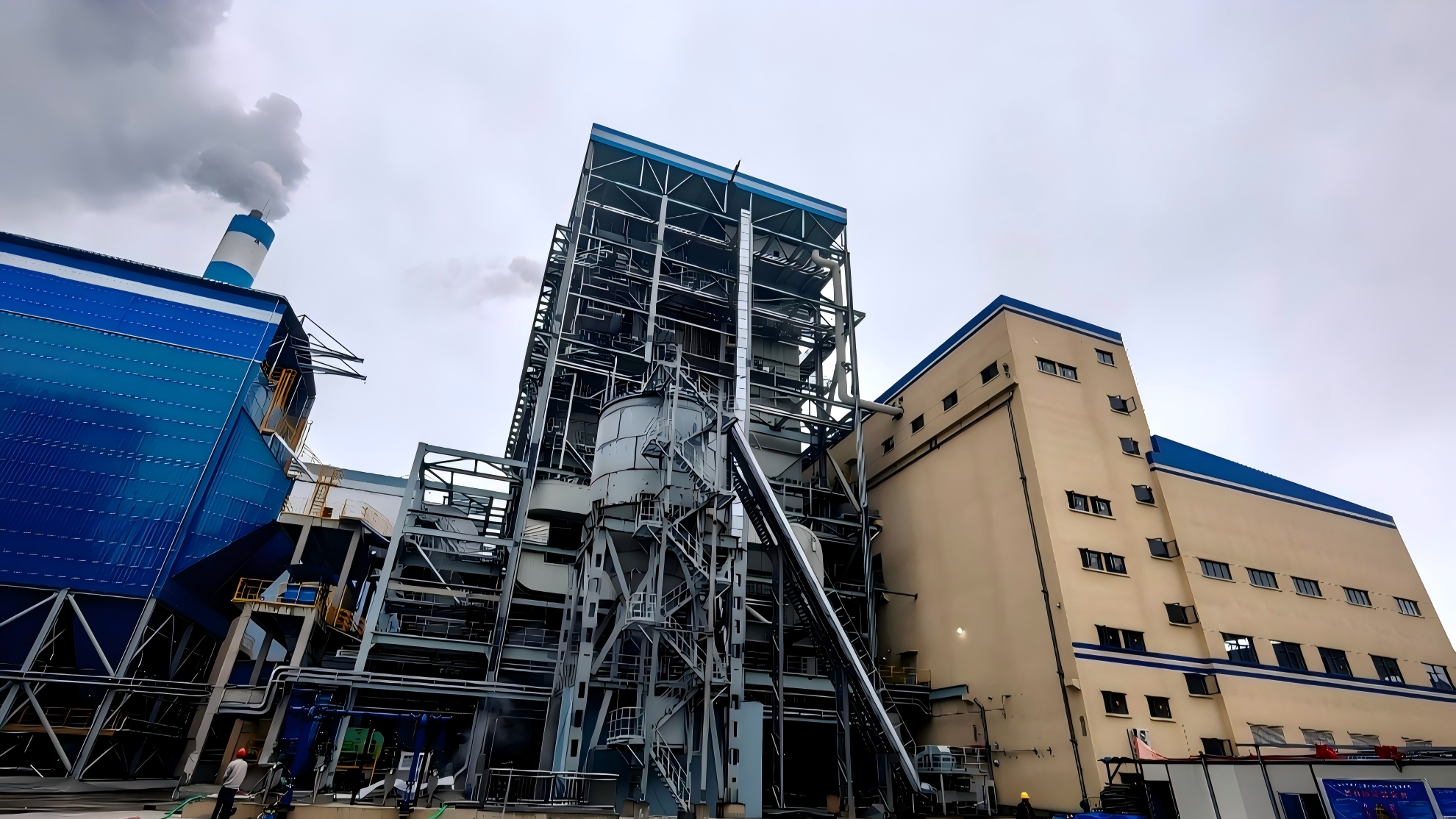
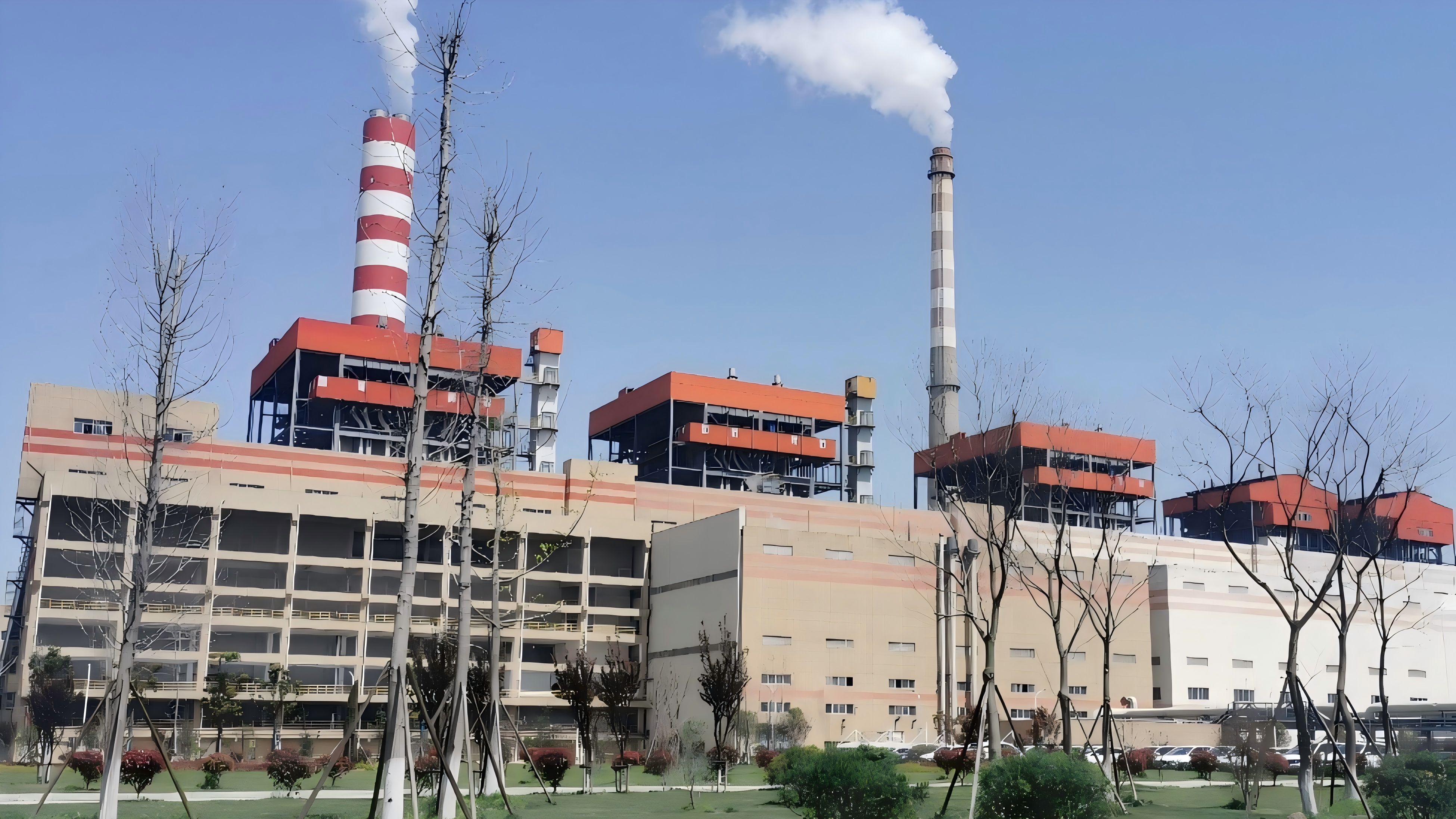
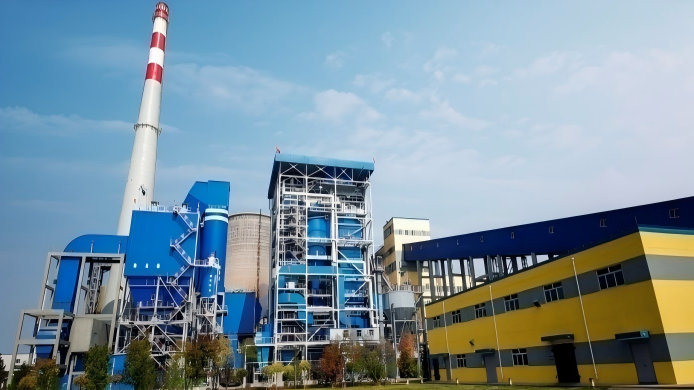
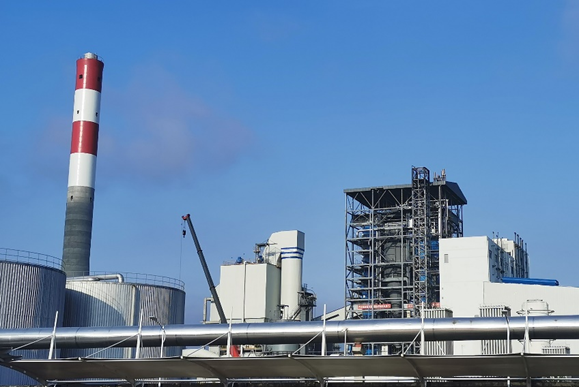
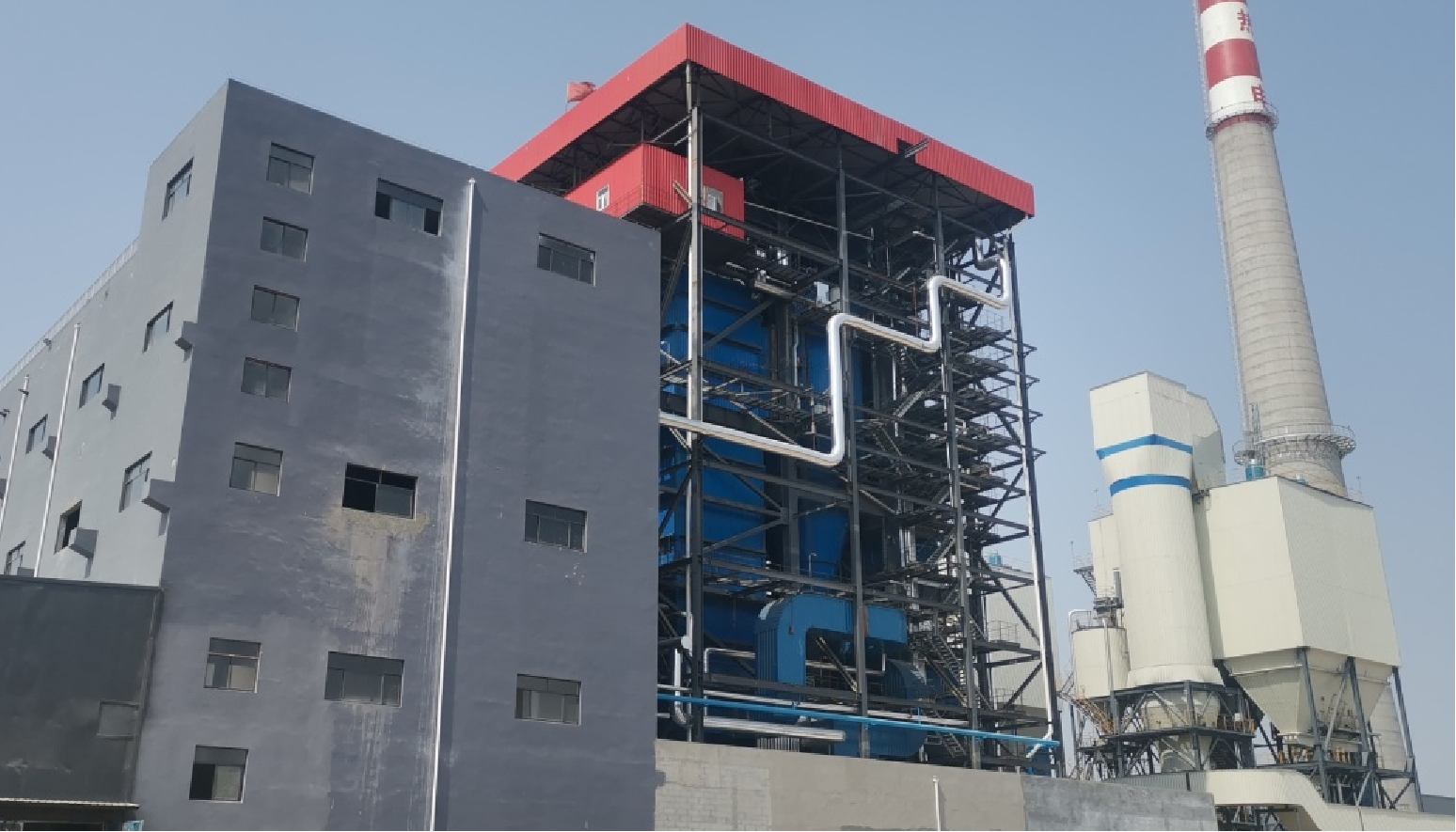
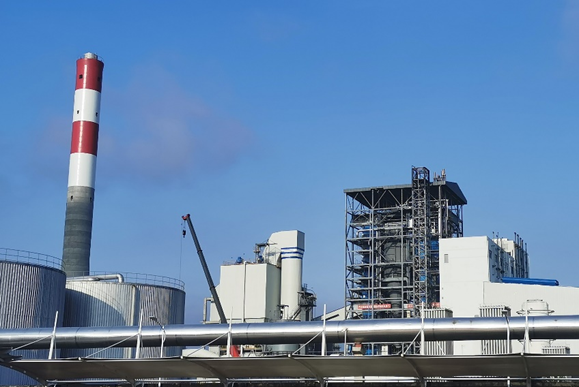
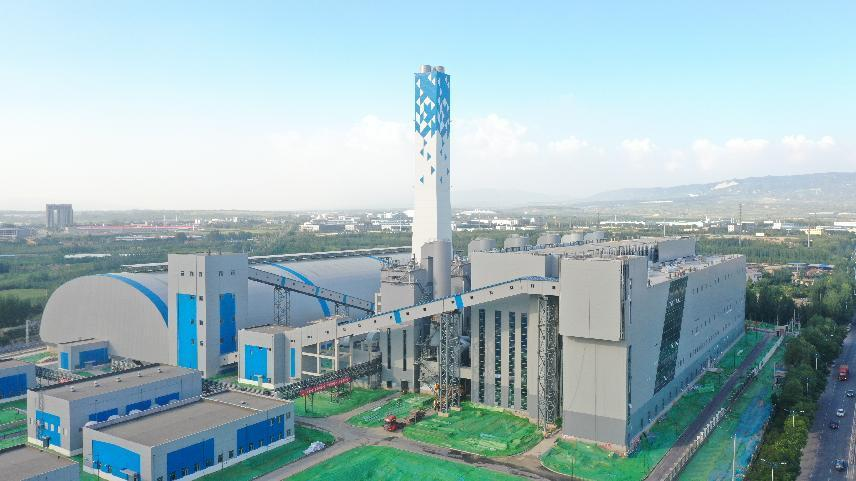
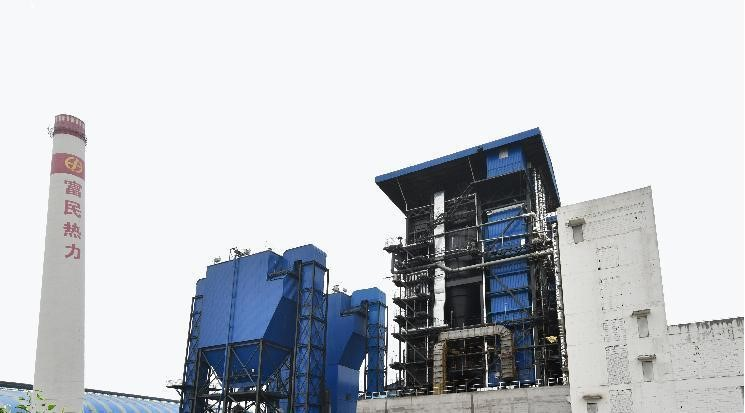
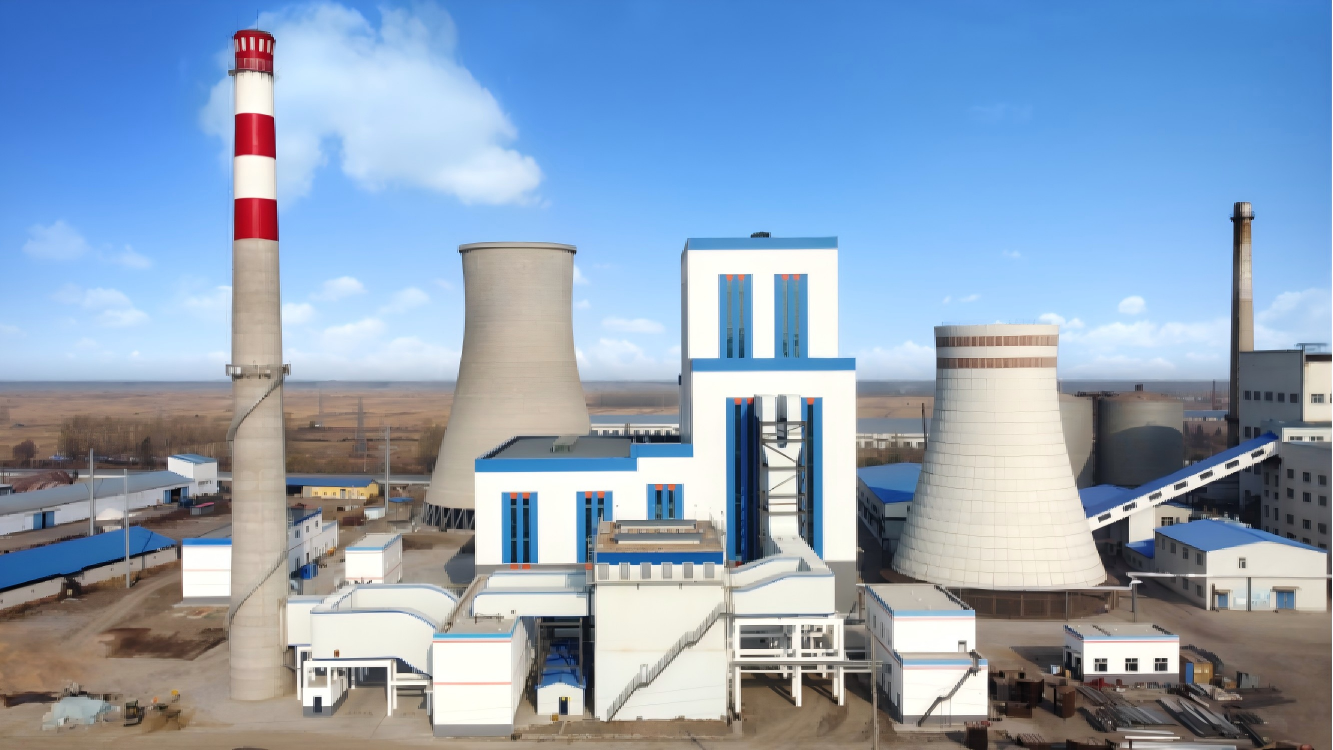
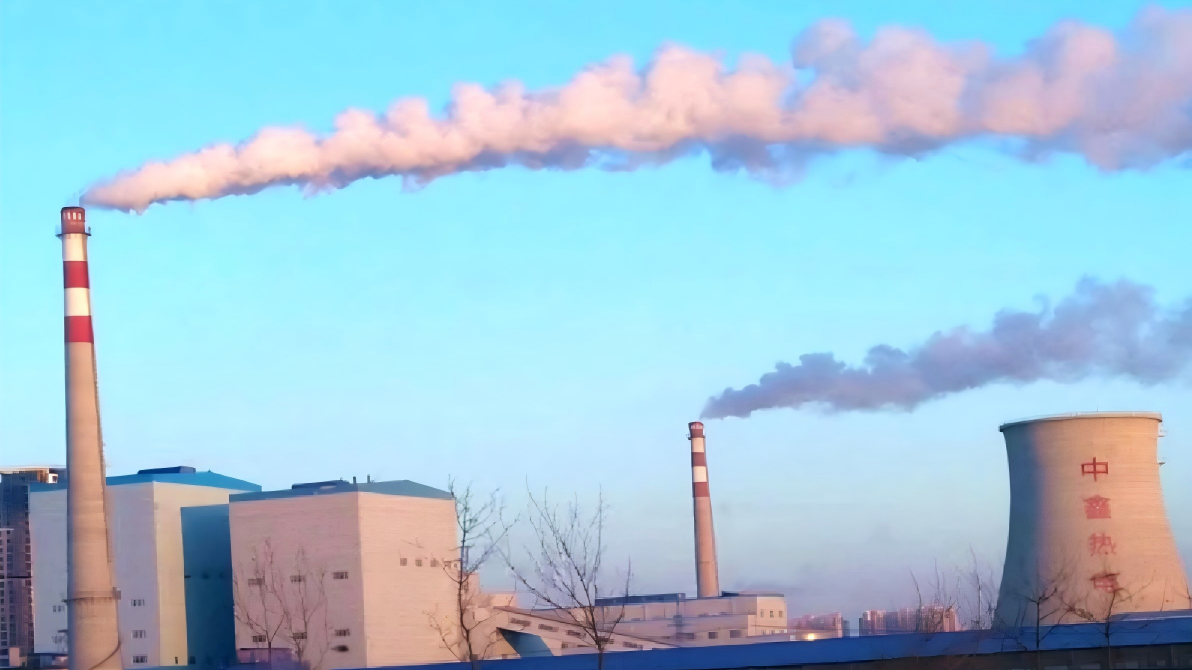
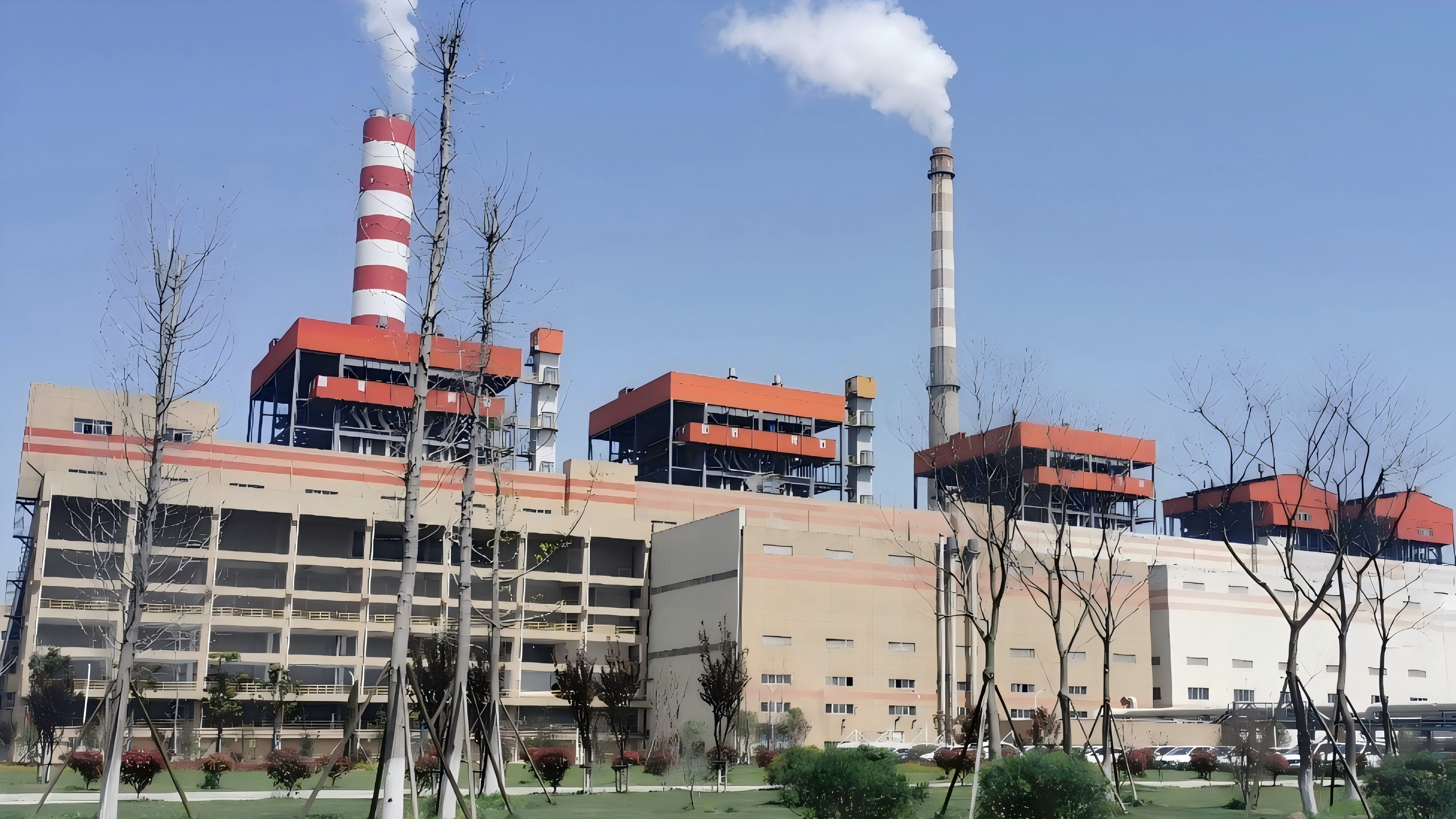
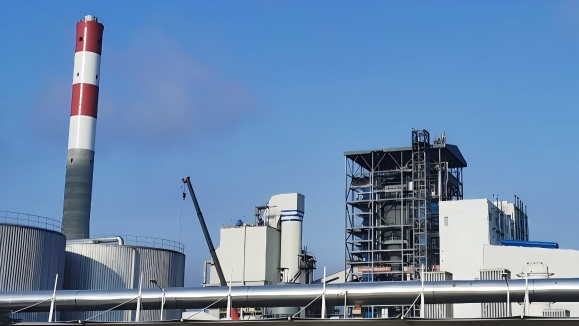
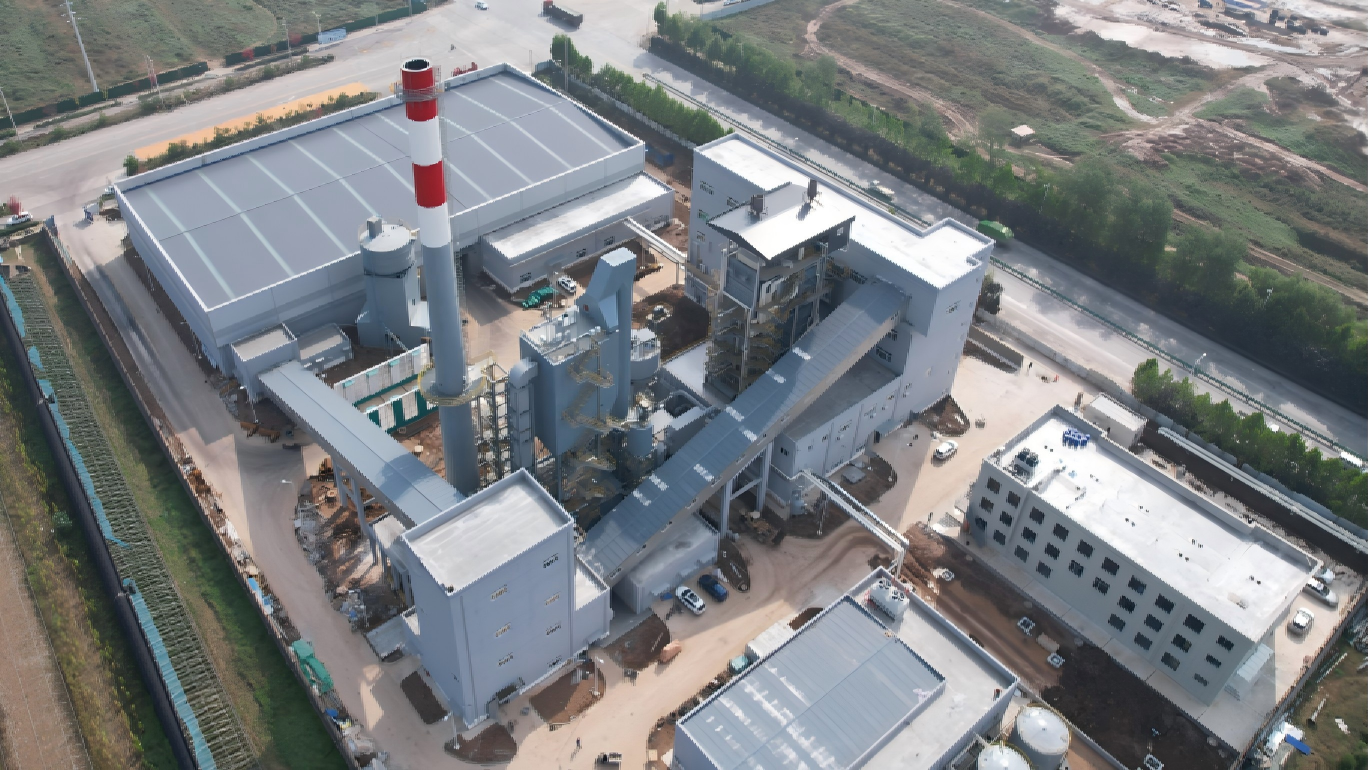
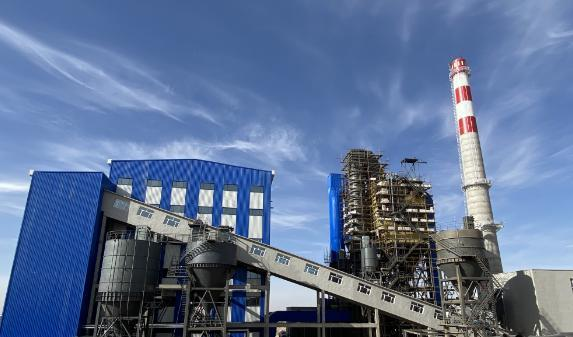
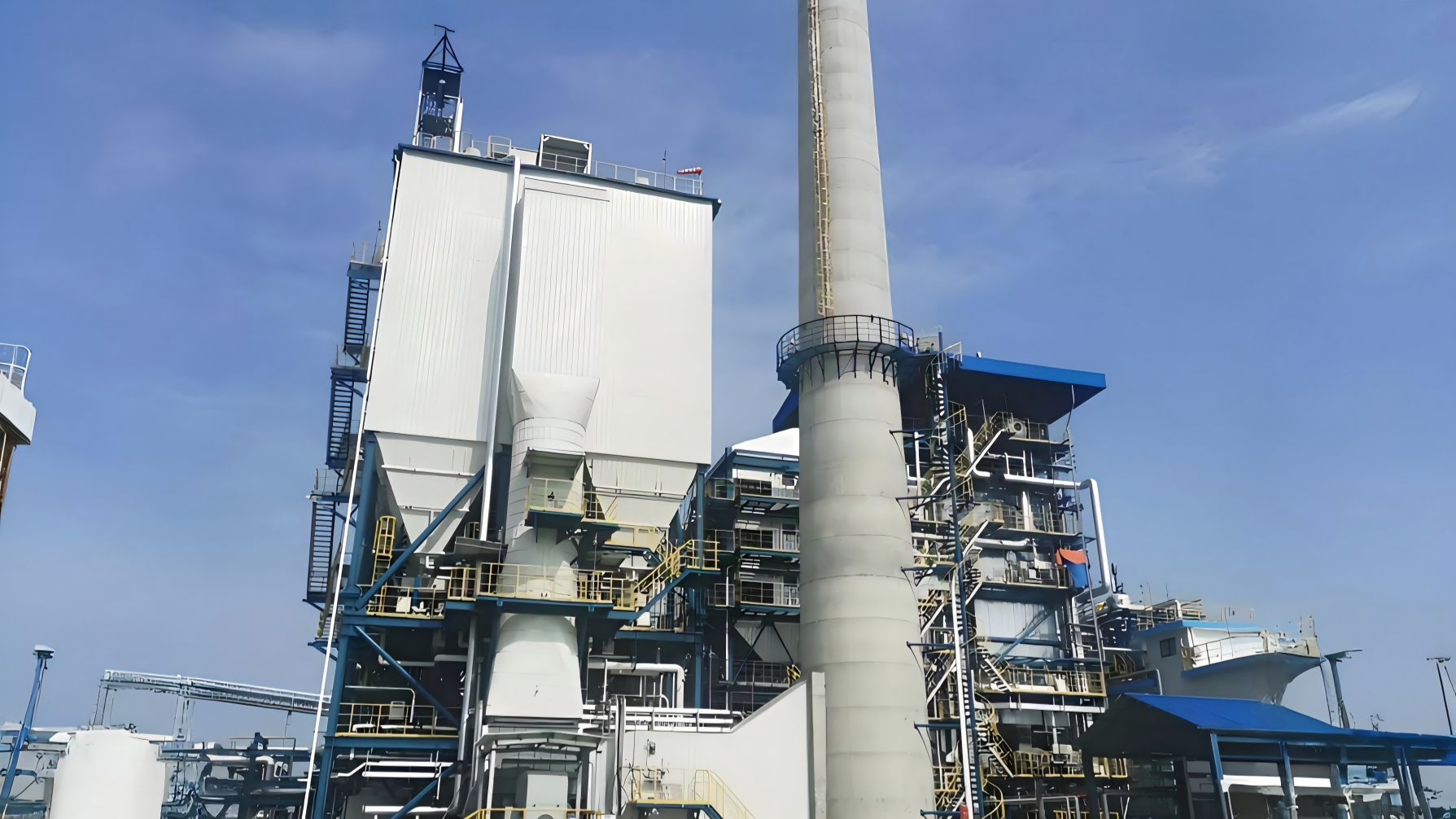
The Ultra-Low Emission Power Station System Integration solution from Taiyuan Boiler Group is a comprehensive one-stop turnkey engineering service rather than a standalone boiler product. This power station system integration package uses a CFB boiler as the core and integrates fuel pretreatment systems, flue gas purification systems, steam turbine generator sets, DCS control systems, and water treatment systems into a unified ultra-low emission power station system. The entire power station system is engineered to comply with the world's most stringent environmental emission standards, with SO2 at 35 mg/Nm3 or below, NOx at 50 mg/Nm3 or below, and particulate matter at 5 mg/Nm3 or below, delivering a fully compliant and ready-to-operate power generation facility. This turnkey approach eliminates the complexity of coordinating multiple suppliers and contractors, providing clients with a single accountable partner for the entire power station system lifecycle.
The Ultra-Low Emission Power Station System Integration solution from Taiyuan Boiler Group is a comprehensive one-stop turnkey engineering service rather than a standalone boiler product. This power station system integration package uses a CFB boiler as the core and integrates fuel pretreatment systems, flue gas purification systems, steam turbine generator sets, DCS control systems, and water treatment systems into a unified ultra-low emission power station system. The entire power station system is engineered to comply with the world's most stringent environmental emission standards, with SO2 at 35 mg/Nm3 or below, NOx at 50 mg/Nm3 or below, and particulate matter at 5 mg/Nm3 or below, delivering a fully compliant and ready-to-operate power generation facility. This turnkey approach eliminates the complexity of coordinating multiple suppliers and contractors, providing clients with a single accountable partner for the entire power station system lifecycle.
The design philosophy of the ultra-low emission power station system is to achieve emission compliance through process integration rather than through isolated end-of-pipe devices. Every power station system begins with a detailed fuel and site analysis, followed by selection of the optimum boiler type, combustion control strategy, and backend treatment train. The ultra-low emission power station system integrates in-furnace control measures such as low-temperature combustion, staged air injection, and limestone injection with backend equipment such as semi-dry desulfurization, fabric filters, and wet electrostatic precipitators. The power station system control architecture ties all subsystems together through a unified DCS platform, ensuring that the ultra-low emission power station system responds coherently to load changes, fuel variations, and ambient conditions. This holistic design approach is the foundation of the turnkey value proposition.
The ultra-low emission power station system comprises multiple integrated subsystems working in concert. The core equipment centers on the CFB boiler body combined with the in-furnace desulfurization and denitrification system, which provides the primary emission control layer of the power station system. Auxiliary systems include the fuel feeding system, bottom ash discharge system, forced draft and induced draft fan systems, and feedwater supply system, all precisely engineered to match the CFB boiler operating parameters and ensure seamless power station system integration. The control layer of the power station system features a plant-wide DCS Distributed Control System for real-time monitoring and automated control of all processes, integrated with an SIS Supervisory Information System for data analytics and performance optimization. The utility systems within the ultra-low emission power station system encompass chemical water treatment, cooling water circulation, and compressed air stations, ensuring continuous and reliable operation of the entire power station system.
Environmental compliance is guaranteed through the power station system backend emission control train, which includes a semi-dry desulfurization unit with wet electrostatic precipitator, fabric filter baghouse dust collector, and continuous emission monitoring system. This multi-layer approach of the ultra-low emission power station system ensures that emission limits are met under all operating conditions, including start-up, load changes, and fuel variations. The power station system CEMS provides real-time data to both operators and regulatory authorities, demonstrating continuous compliance with ultra-low emission requirements throughout the power station system operational lifetime. The turnkey contract for the ultra-low emission power station system includes performance guarantees for all major pollutants, with financial penalties for non-achievement, giving clients strong contractual protection for their environmental investment.
The turnkey EPC service for the ultra-low emission power station system covers the entire project lifecycle from feasibility study through preliminary design, detailed engineering design, equipment supply and procurement, installation and construction, commissioning and trial operation, operator training, and after-sales maintenance. Clients need only specify their requirements and site conditions, and the power station system integration team manages everything else from concept to commercial operation. Typical ultra-low emission power station system projects range from 10 MW to 150 MW installed capacity, with construction periods of 12 to 24 months. Each power station system is custom-engineered to match specific fuel availability, grid connection requirements, environmental regulations, and budget constraints, with proven on-time delivery and performance fulfillment across diverse geographical and regulatory environments. The turnkey contract structure transfers project risk from the client to Taiyuan Boiler Group.
The ultra-low emission power station system delivers substantial operational benefits through centralized control, integrated maintenance, and optimized energy balance. Because the entire power station system is designed as a single integrated entity, subsystem interactions are harmonized rather than conflicting, resulting in higher overall availability and lower operating costs. The turnkey ultra-low emission power station system reduces fuel consumption by optimizing boiler efficiency, auxiliary power demand, and heat recovery across all equipment. The unified DCS platform of the power station system enables operators to manage the entire plant from a single control room, reducing staffing requirements and improving response times. The ultra-low emission power station system also simplifies regulatory reporting because all emission data is collected, validated, and archived within one integrated CEMS database.
After-sales support for the ultra-low emission power station system is delivered through a comprehensive long-term service agreement that covers the entire turnkey facility. The power station system service team provides scheduled maintenance, emergency response, spare parts logistics, and performance optimization for all subsystems under a single contract. Remote monitoring of the ultra-low emission power station system enables predictive diagnostics and early intervention, minimizing unplanned outages and maintaining guaranteed emission levels. The turnkey service model also includes periodic energy audits and upgrade recommendations, ensuring the power station system continues to improve over time. Clients who select the ultra-low emission power station system integration solution gain not only a compliant power plant but also a long-term partner committed to sustaining its performance and environmental credentials.
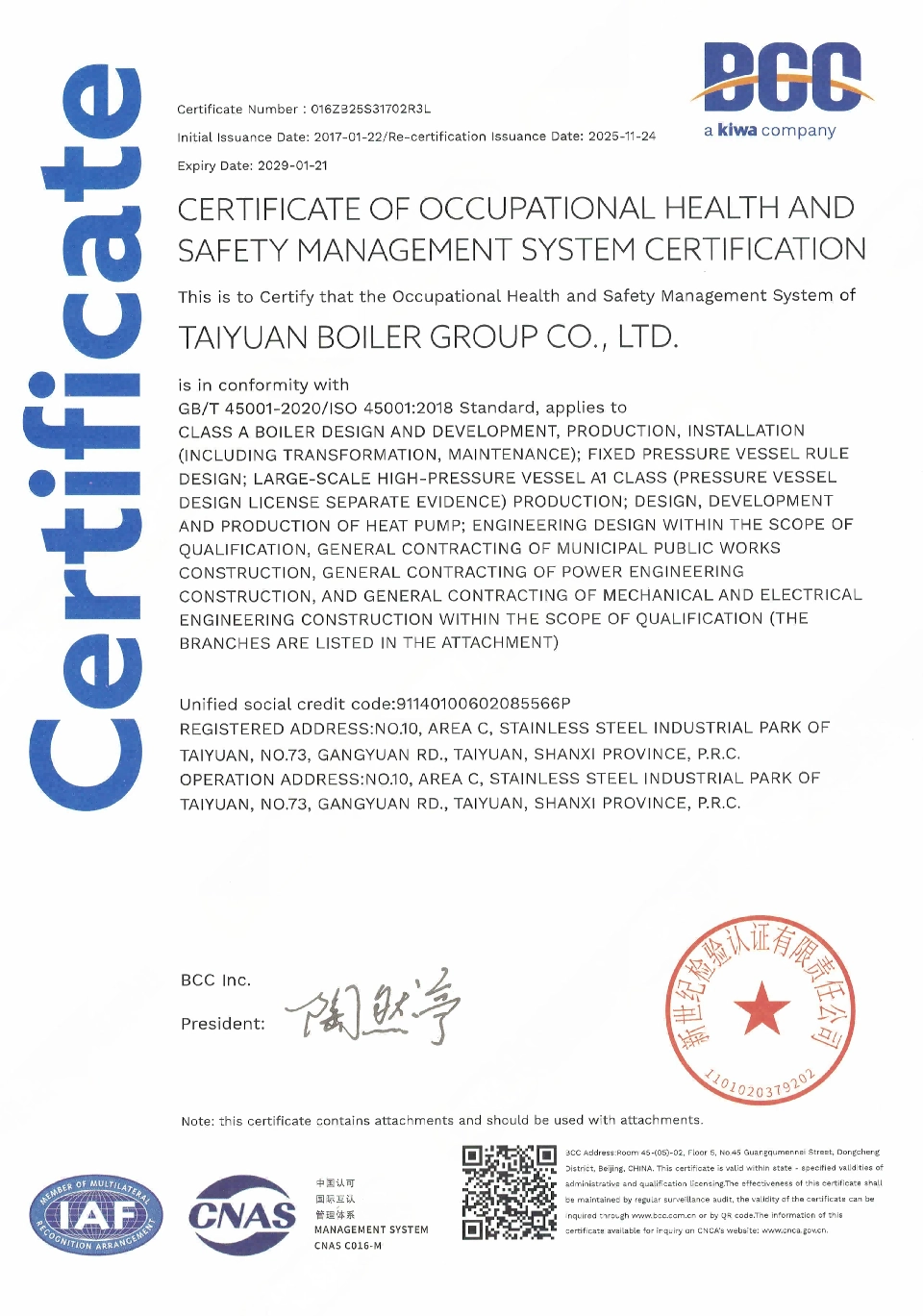
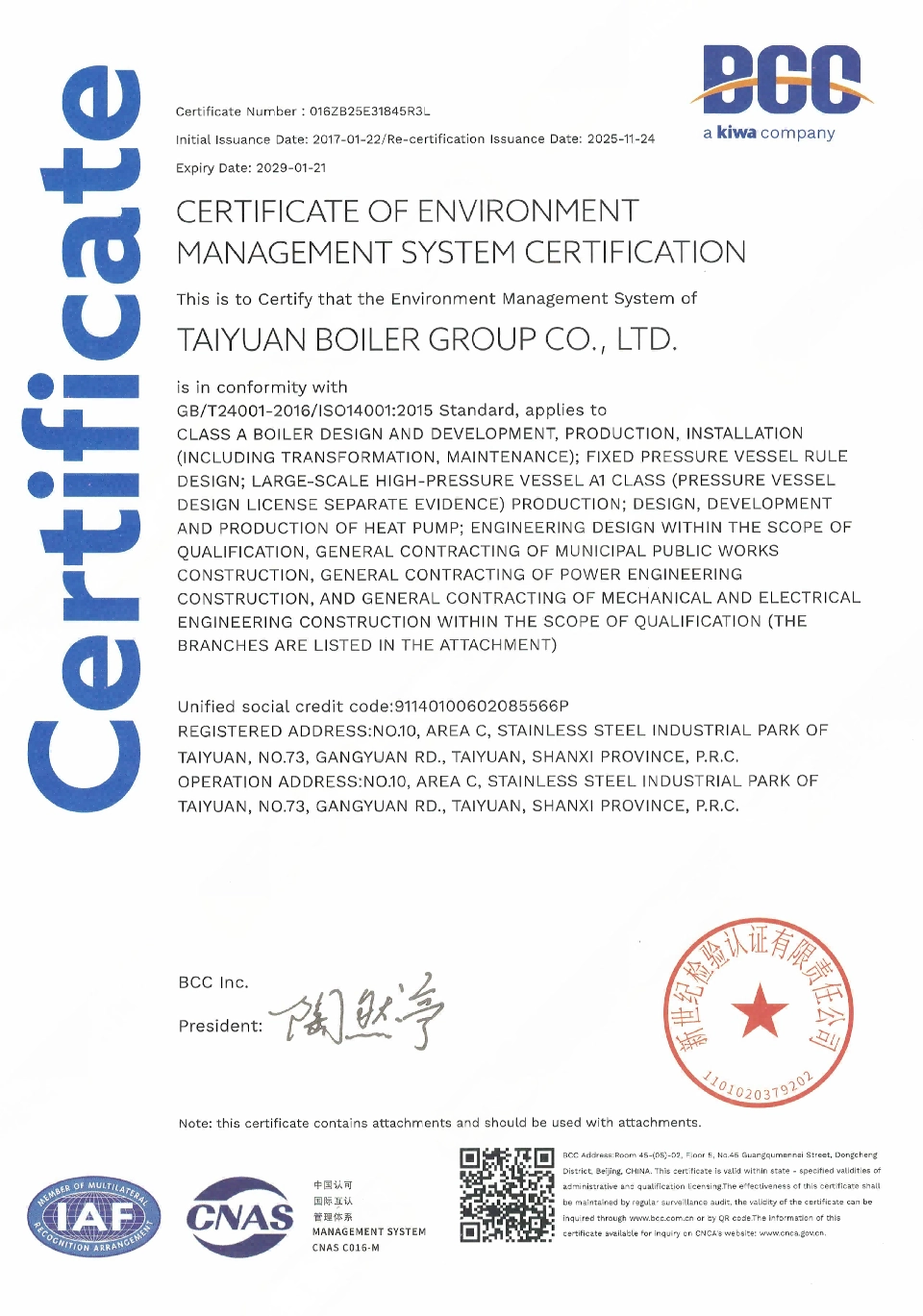
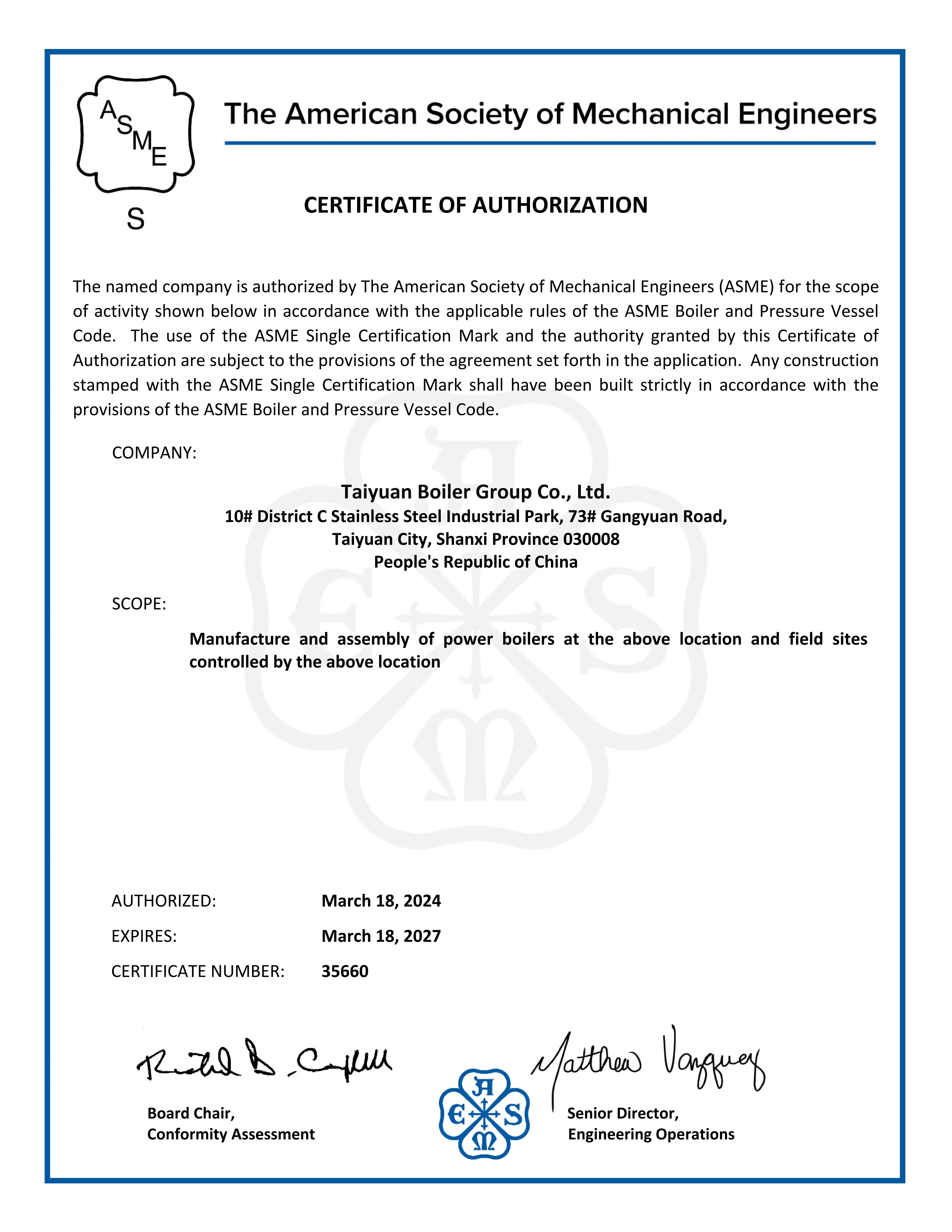
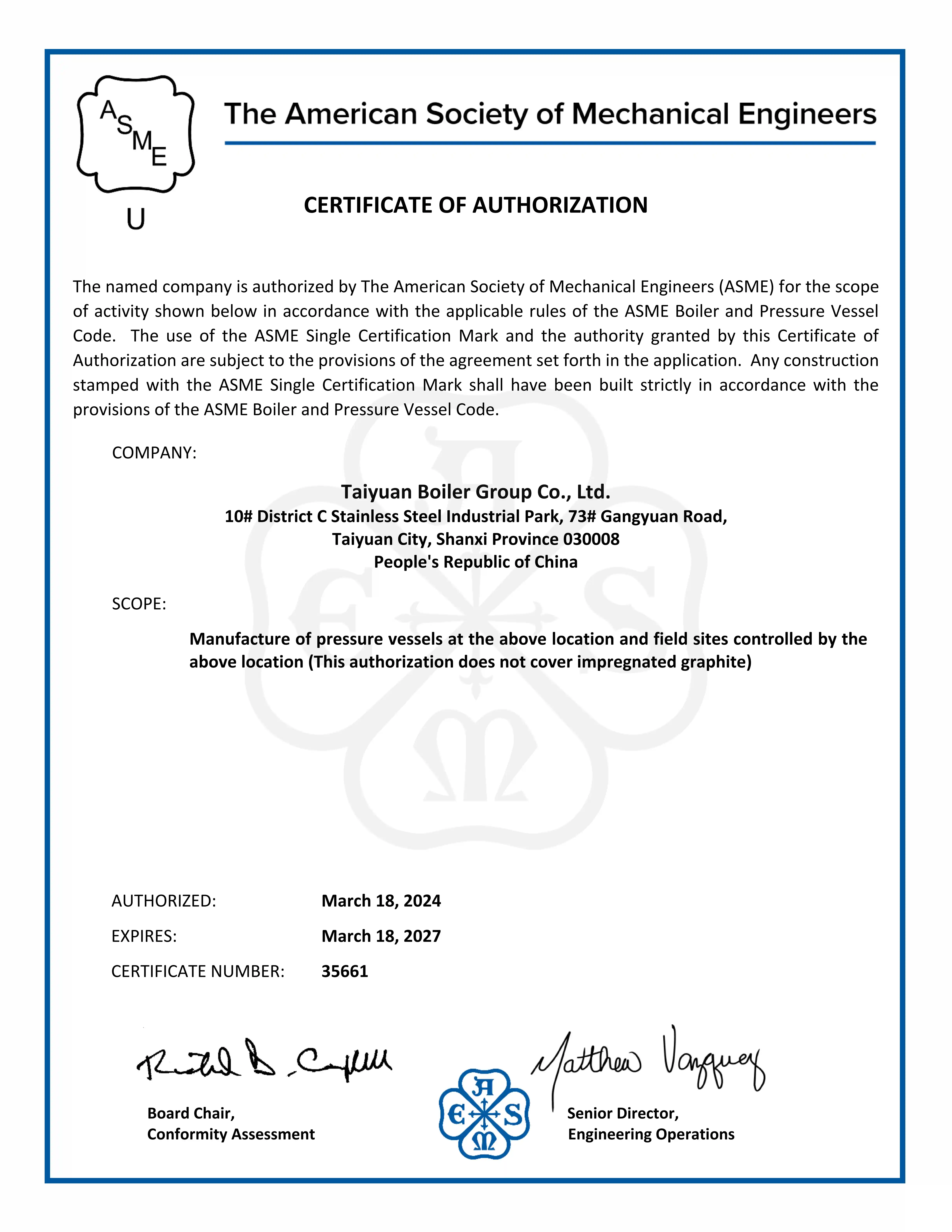
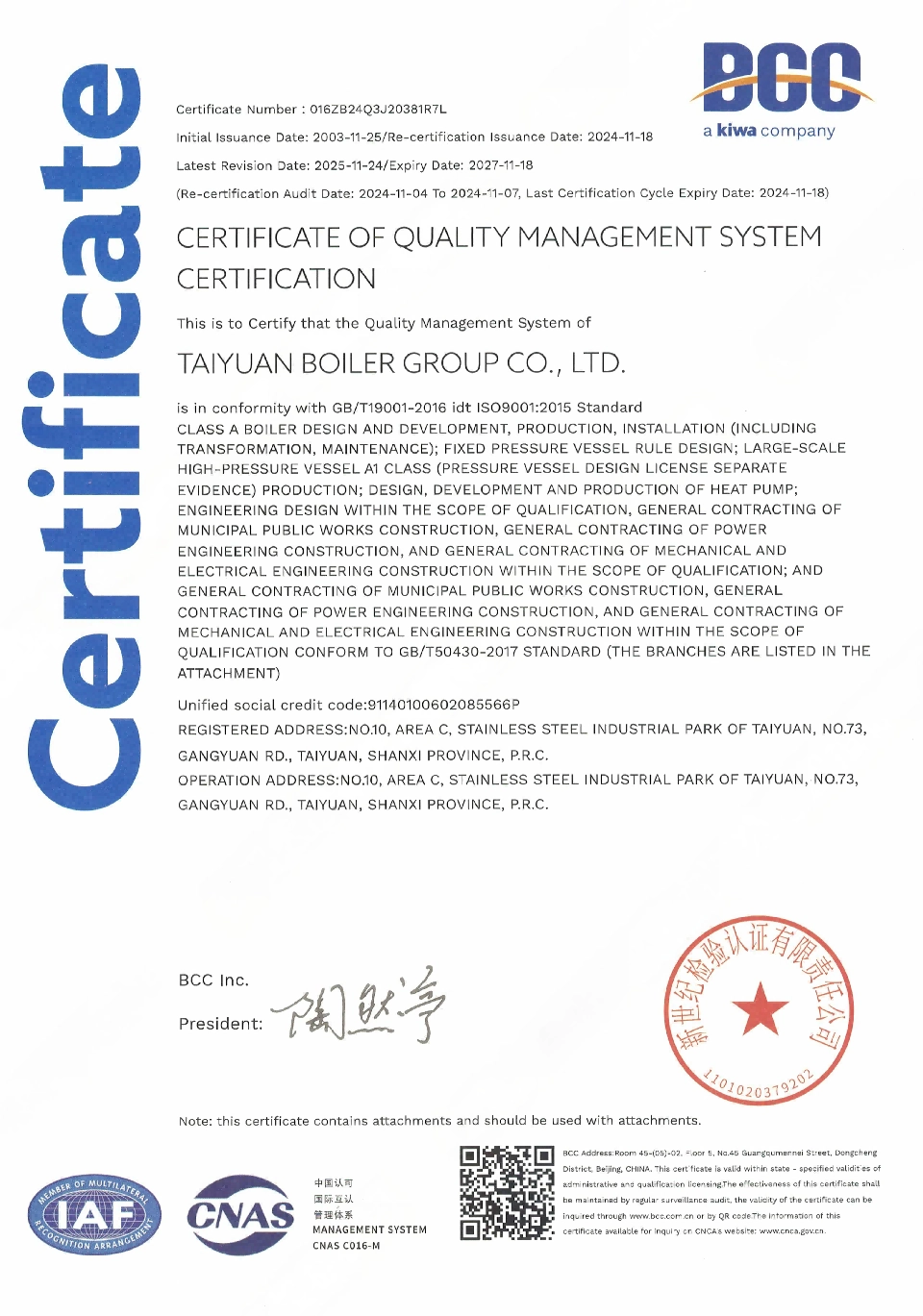
Taiyuan Boiler Group Co., Ltd., established in 1958 and headquartered in Taiyuan, Shanxi Province, China, is a nationally designated Class A boiler and environmental protection equipment manufacturing enterprise. The company holds the National Class A Boiler Manufacturing License, D1/D2 Pressure Vessel Design License, A1/A2 Pressure Vessel Manufacturing License, ASME "S" and "U" Code Stamp Authorizations, and has been certified under the ISO 9001 International Quality Management System. In strategic partnership with Tsinghua University, the company co-founded the Low-Carbon Energy Technology Research Institute, and has led the research and development of Circulating Fluidized Bed (CFB) boiler technology for decades, establishing a complete product spectrum ranging from 35 t/h to 1,000 t/h.
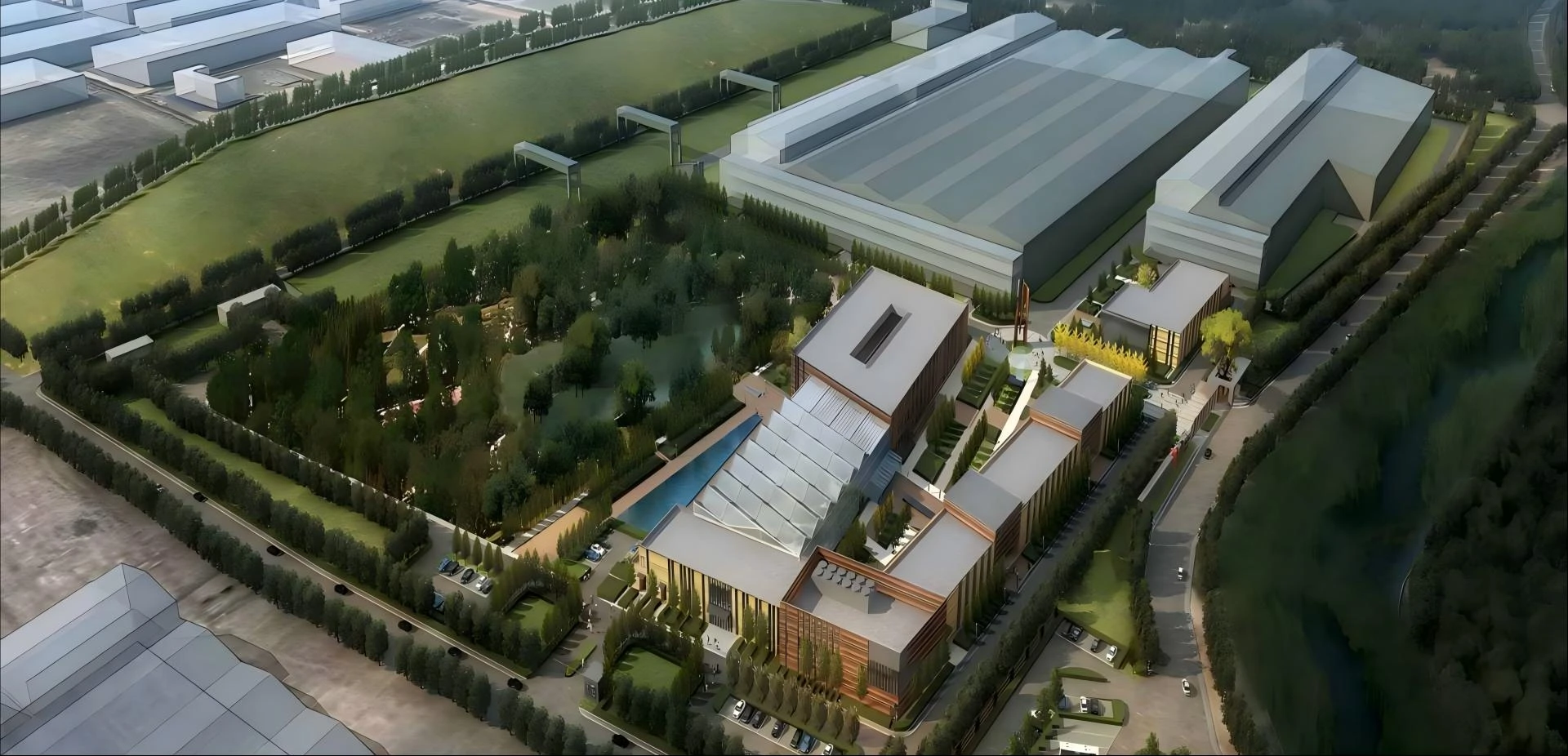
Taiyuan Boiler Group, with over 30 years of deep industry engagement and technological accumulation, has obtained the most comprehensive qualification certifications in the boiler manufacturing industry:
√ National Class A Boiler Manufacturing License (Highest Grade)
√ A1, A2 Class Pressure Vessel Manufacturing License
√ D1, D2 Class Pressure Vessel Design License
√ ASME "S" (Power Boiler) and "U" (Pressure Vessel) Code Stamp Authorization
√ ISO 9001 International Quality Management System Certification
Tsinghua University — Taiyuan Boiler Group Low-Carbon Energy Technology Research Institute (Jointly Established)


 EN
EN