 ×
×
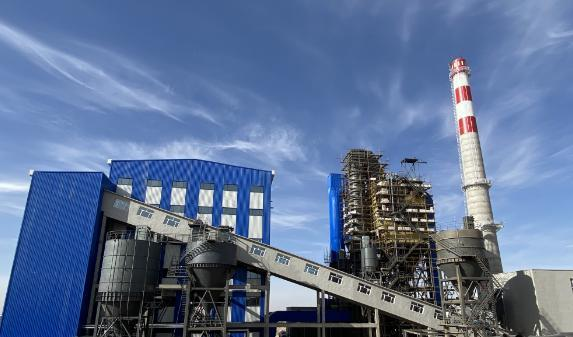
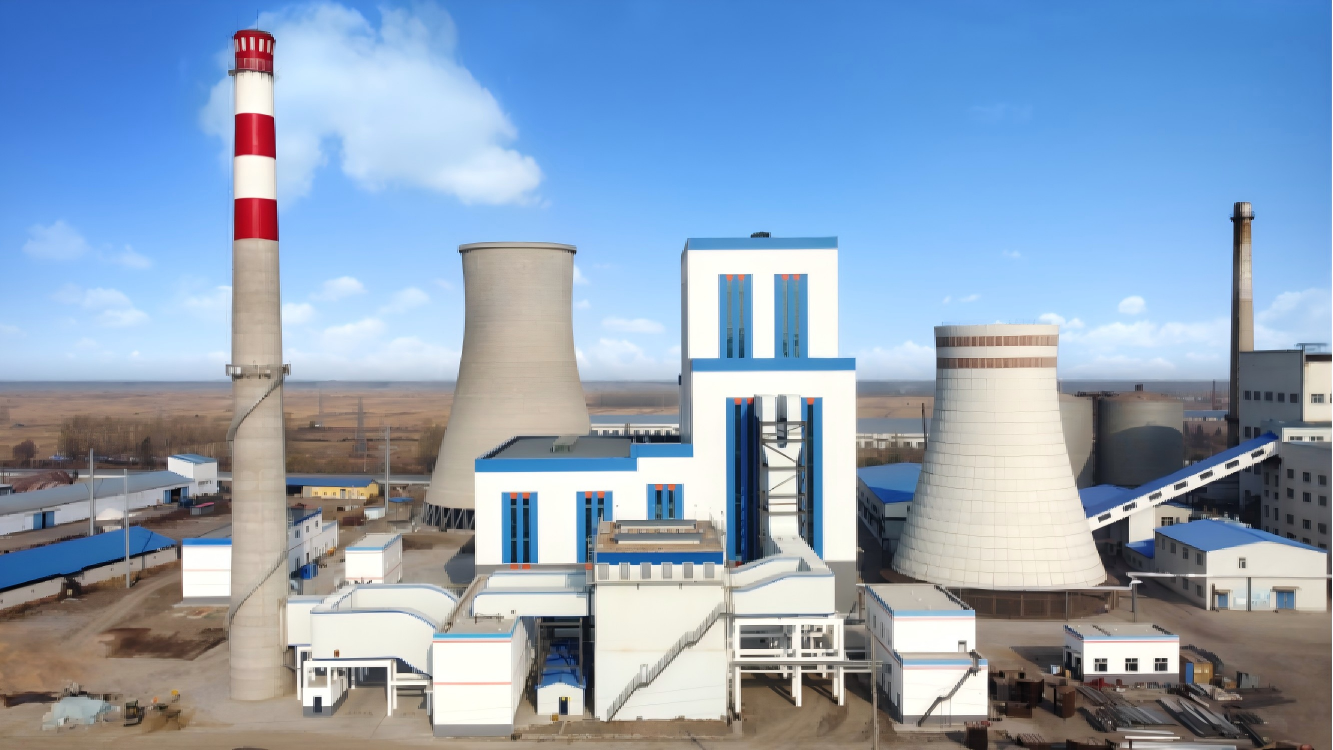
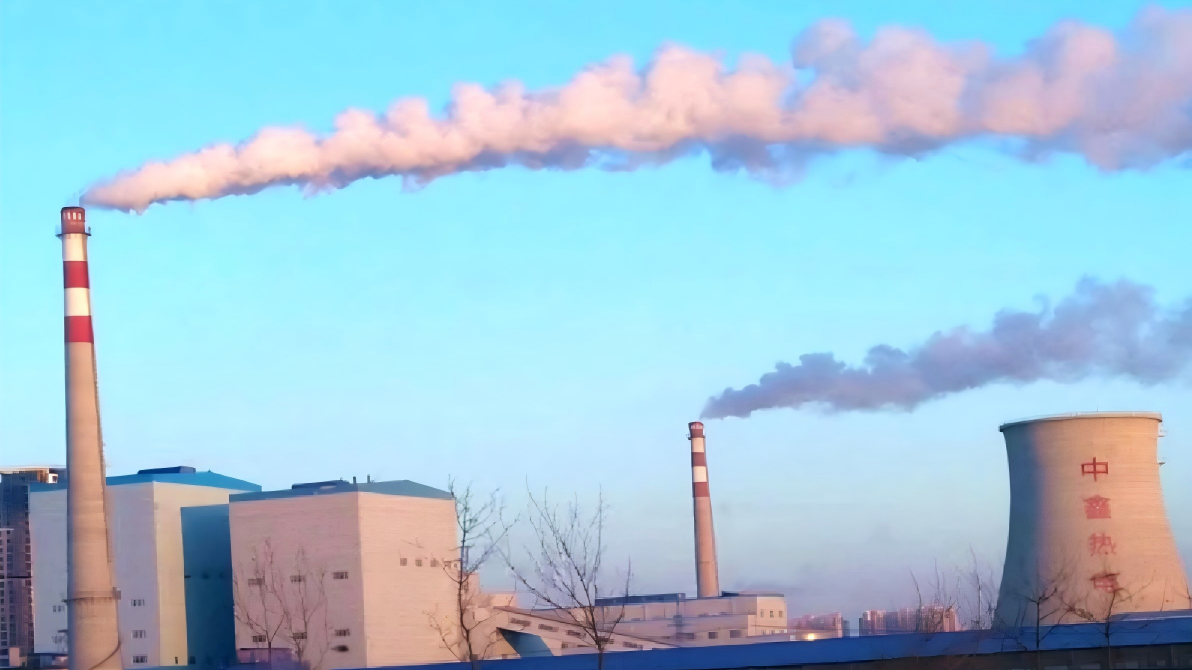
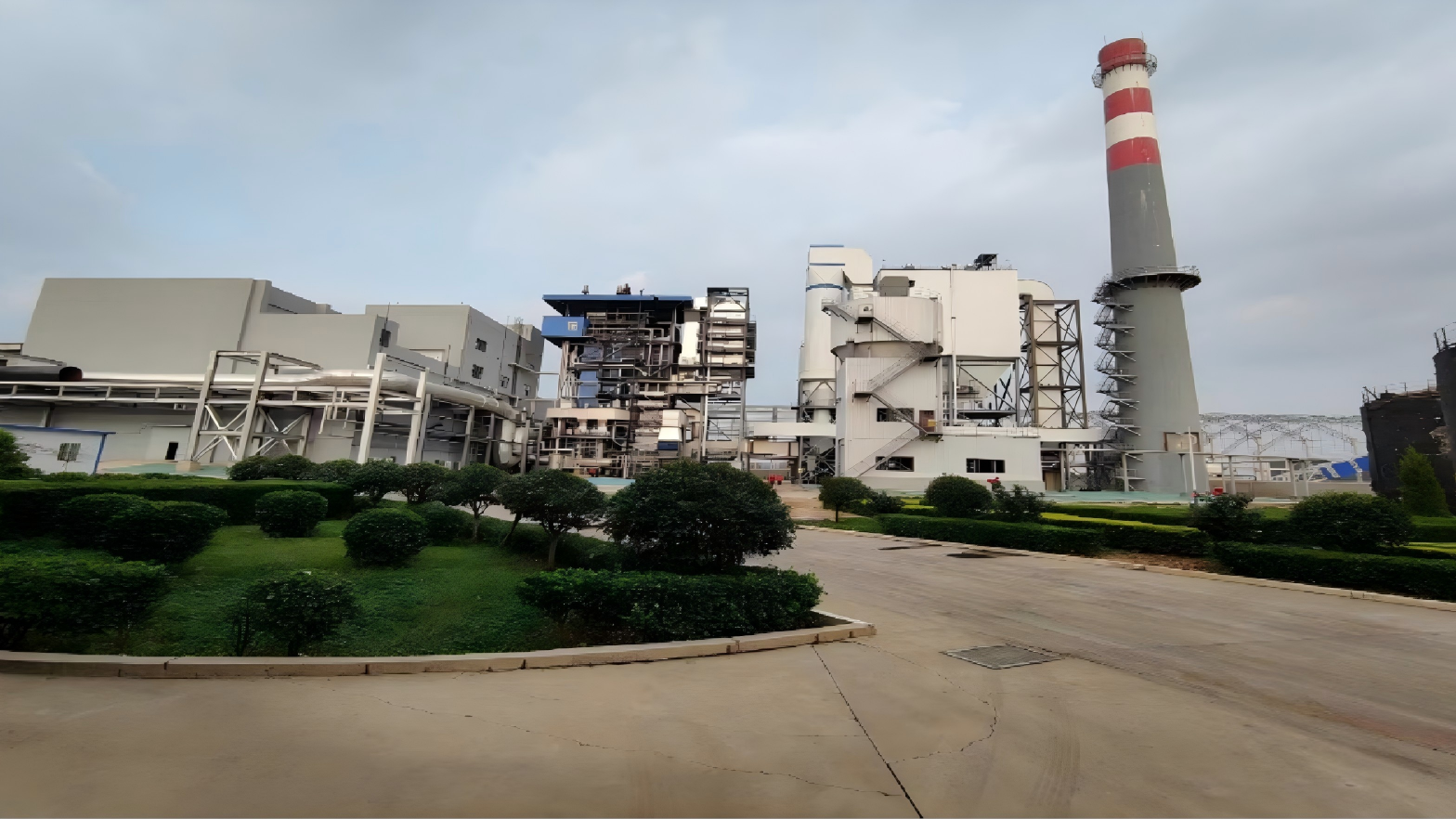
The Low-Carbon Heating System Integration solution is Taiyuan Boiler Group's comprehensive response to China's national Dual Carbon strategic goals. Rather than being limited to a single boiler product, this low-carbon heating system is a customized heating technology roadmap tailored to each client's geographical environment, resource endowment, and policy requirements. The low-carbon heating system may integrate multiple energy forms including CFB boilers, air-source heat pumps, electrode boilers, and solar thermal collectors into an optimized multi-energy complementary heating system that balances economic performance with carbon reduction objectives. Each low-carbon heating system is uniquely configured to maximize the synergies between available energy sources within the multi-energy complementary framework. This integrated approach ensures that the low-carbon heating system delivers reliable heat supply while progressively reducing fossil carbon intensity.
The Low-Carbon Heating System Integration solution is Taiyuan Boiler Group's comprehensive response to China's national Dual Carbon strategic goals. Rather than being limited to a single boiler product, this low-carbon heating system is a customized heating technology roadmap tailored to each client's geographical environment, resource endowment, and policy requirements. The low-carbon heating system may integrate multiple energy forms including CFB boilers, air-source heat pumps, electrode boilers, and solar thermal collectors into an optimized multi-energy complementary heating system that balances economic performance with carbon reduction objectives. Each low-carbon heating system is uniquely configured to maximize the synergies between available energy sources within the multi-energy complementary framework. This integrated approach ensures that the low-carbon heating system delivers reliable heat supply while progressively reducing fossil carbon intensity.
The design philosophy of the low-carbon heating system is to match the right energy source to the right duty rather than relying on a single technology. The multi-energy complementary approach assigns base-load heating to high-efficiency CFB or biomass boilers, peak-load shaving to fast-response electrode boilers or heat pumps, and pre-heating or seasonal storage to solar thermal or waste heat recovery. The low-carbon heating system control platform optimizes the dispatch of these sources in real time based on heat demand, electricity prices, carbon intensity, and equipment availability. This design philosophy ensures that the low-carbon heating system minimizes both operating cost and carbon emissions across the full heating season. The multi-energy complementary configuration also improves resilience, because the low-carbon heating system can continue operating even if one energy source becomes temporarily unavailable.
The low-carbon heating system offers several proven configuration types. The multi-energy complementary base-load type combines a CFB boiler for base-load heating with heat pump or electrode boiler units for peak-shaving, optimizing the low-carbon heating system overall efficiency and operating costs across varying seasonal demands. The biomass replacement type achieves 100% biomass heating with zero carbon emissions, making it ideal for regions with abundant biomass resources seeking maximum carbon reduction from their low-carbon heating system. The waste heat recovery type integrates industrial waste heat capture with supplementary heating, maximizing energy utilization efficiency within the low-carbon heating system by converting otherwise wasted thermal energy into useful district heating supply. The thermal storage coupled type incorporates heat storage tanks to enable peak-shaving and valley-filling within the low-carbon heating system, storing excess heat during low-demand periods and releasing it during peak heating hours.
The carbon reduction performance of the low-carbon heating system is verified through detailed energy modeling and post-commissioning measurement. A typical multi-energy complementary low-carbon heating system achieves 30% to 70% reduction in CO2 emissions compared to a coal-only baseline, depending on the share of biomass, heat pumps, and waste heat in the energy mix. The low-carbon heating system carbon reduction is further enhanced by thermal storage, which enables the use of low-carbon electricity for heating during periods of high renewable generation. The multi-energy complementary design also reduces local air pollutants such as SO2, NOx, and particulate matter by decreasing reliance on fossil fuel combustion. These carbon reduction and environmental benefits make the low-carbon heating system a compelling solution for cities pursuing clean heating transformation under national climate policies.
Each low-carbon heating system project begins with a comprehensive energy audit of the client's existing heating infrastructure, building stock, and energy consumption patterns. The multi-energy complementary design process then evaluates candidate system configurations across both economic and carbon emission dimensions, identifying the low-carbon heating system architecture that delivers the optimal balance of upfront cost, operating expense, carbon reduction, and long-term sustainability. The low-carbon heating system engineering team brings decades of experience in thermal system design, biomass combustion, and renewable energy integration to every project, ensuring each low-carbon heating system is a scientifically optimized multi-energy complementary solution. This customized engineering approach distinguishes the low-carbon heating system from standardized boiler products.
The low-carbon heating system delivery follows a structured process encompassing energy audit, solution comparison and selection through economic and carbon emission dual-dimension evaluation, detailed engineering design, equipment integration and procurement, and commissioning with operational support. This systematic approach of the low-carbon heating system ensures that every project progresses from concept to commercial operation with full traceability and accountability. The multi-energy complementary commissioning phase includes integration testing of all energy sources, control logic validation, and operator training on dispatch optimization. After handover, the low-carbon heating system continues to be supported by Taiyuan Boiler Group through performance monitoring and periodic re-optimization as energy markets and carbon policies evolve.
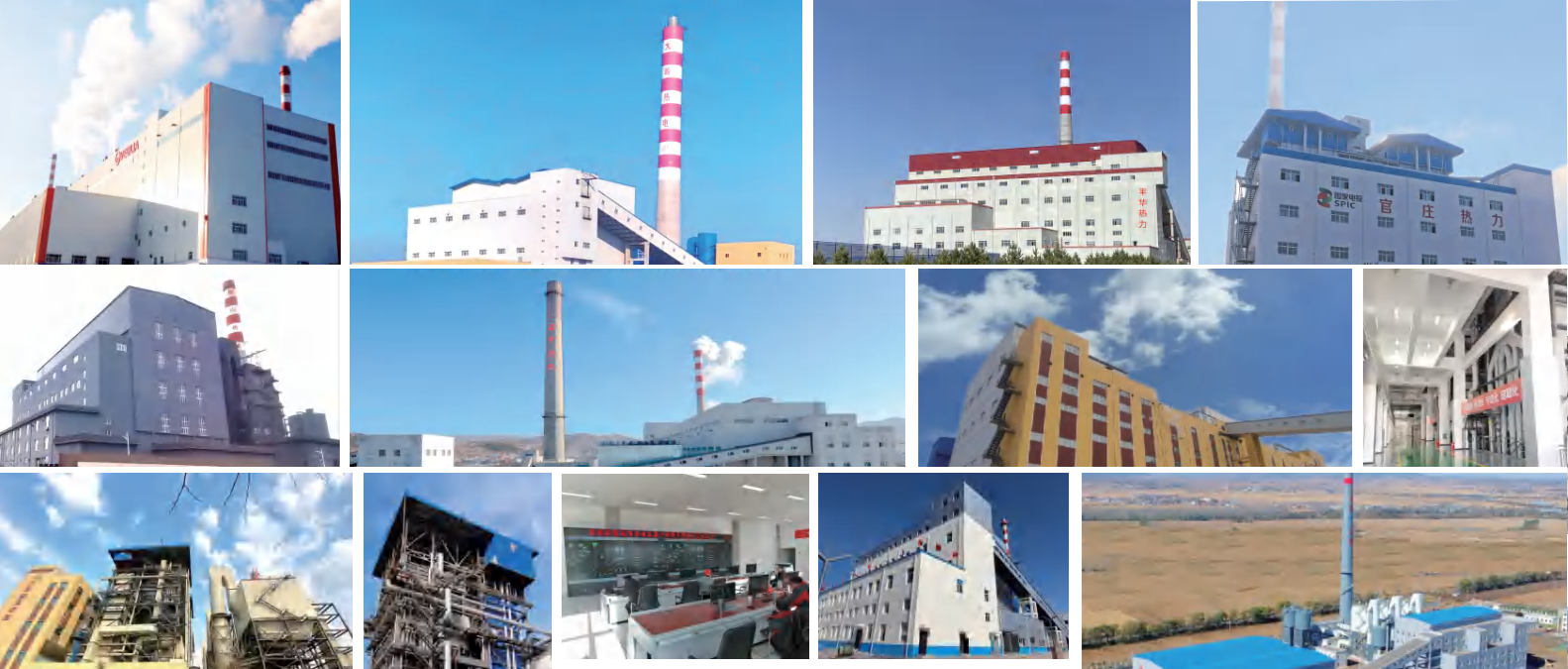
A representative low-carbon heating system project involves the renovation of a 3-million-square-meter heating area in a northern Chinese city. The multi-energy complementary solution adopted a biomass CFB combined with air-source heat pump and thermal storage configuration within the low-carbon heating system. Following renovation, the low-carbon heating system achieved a 60% reduction in CO2 emissions and an 18% decrease in heating costs compared to the original coal-only heating system, demonstrating the transformative potential of multi-energy complementary integration in large-scale urban heating applications. The carbon reduction achieved by this low-carbon heating system project equates to eliminating approximately 45,000 tons of CO2 emissions annually. This reference project validates the real-world performance and economic viability of the multi-energy complementary low-carbon heating system approach.
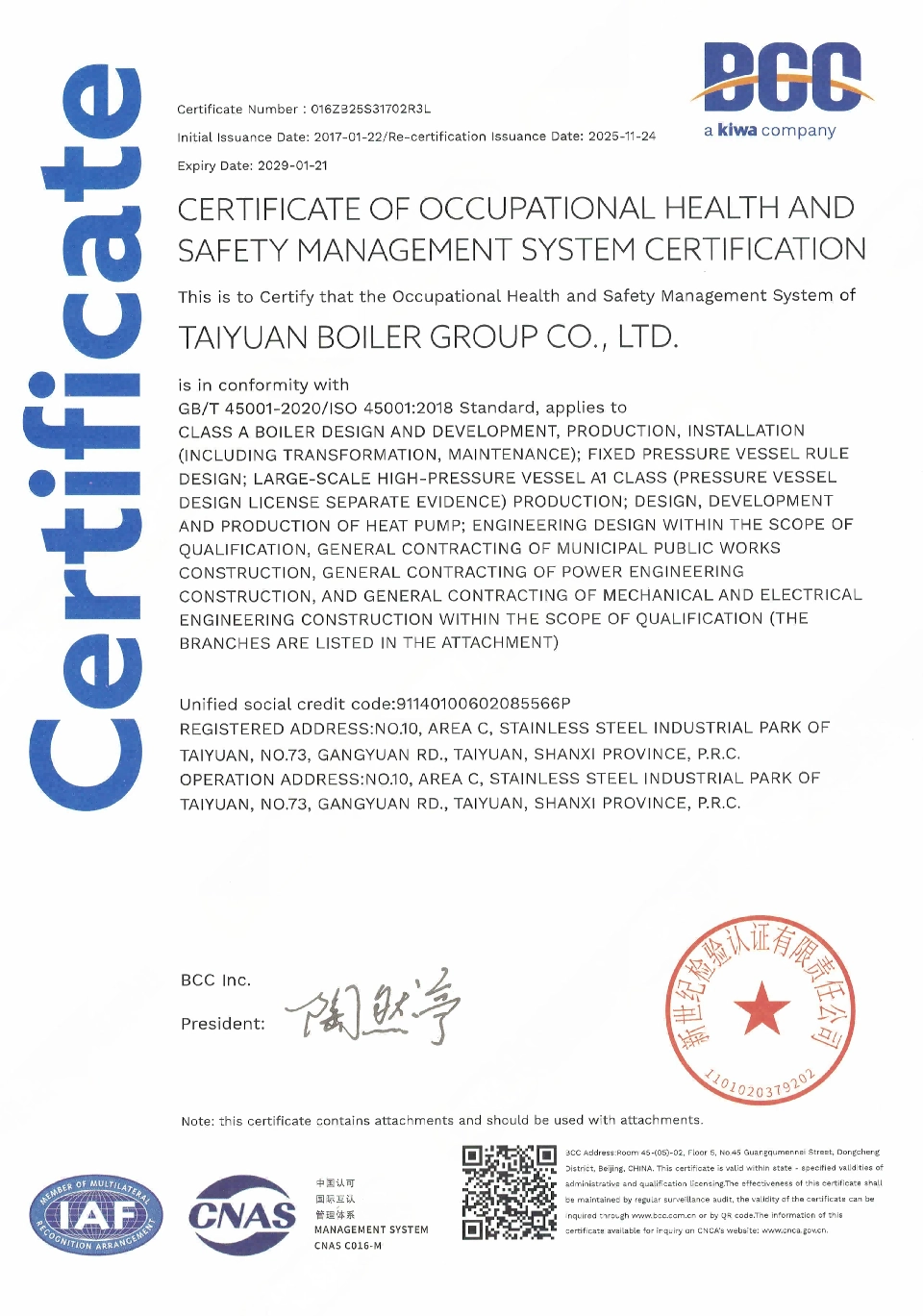
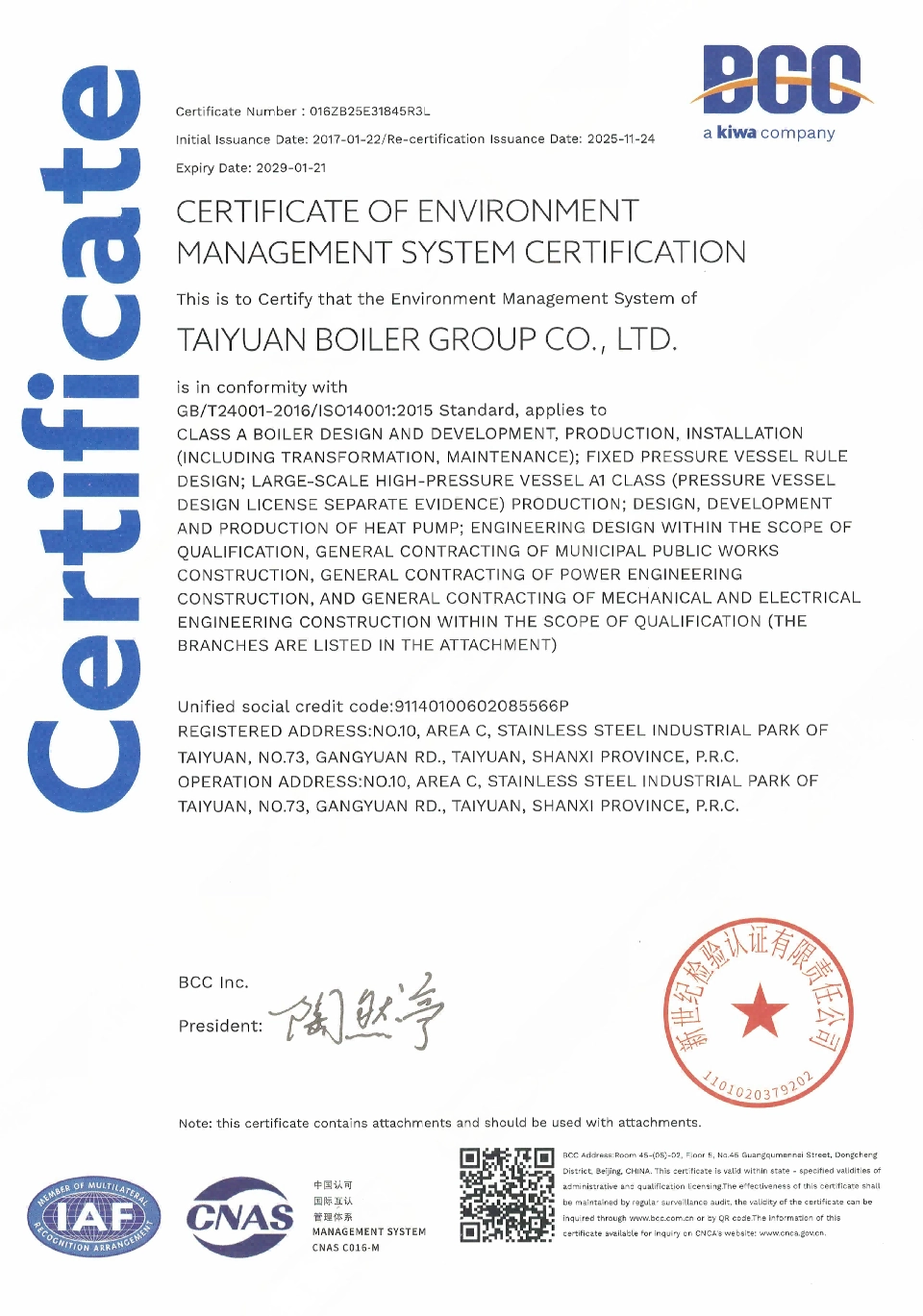
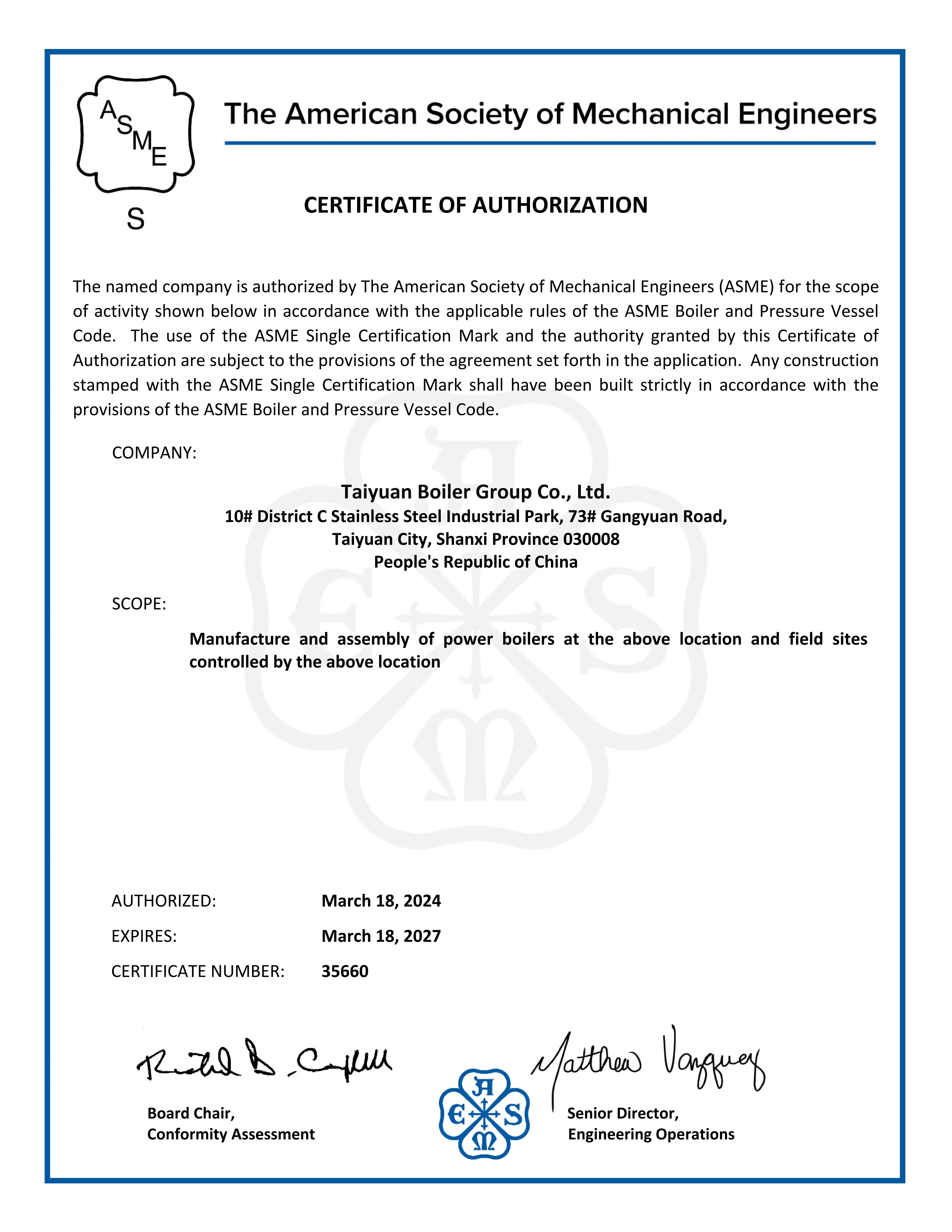
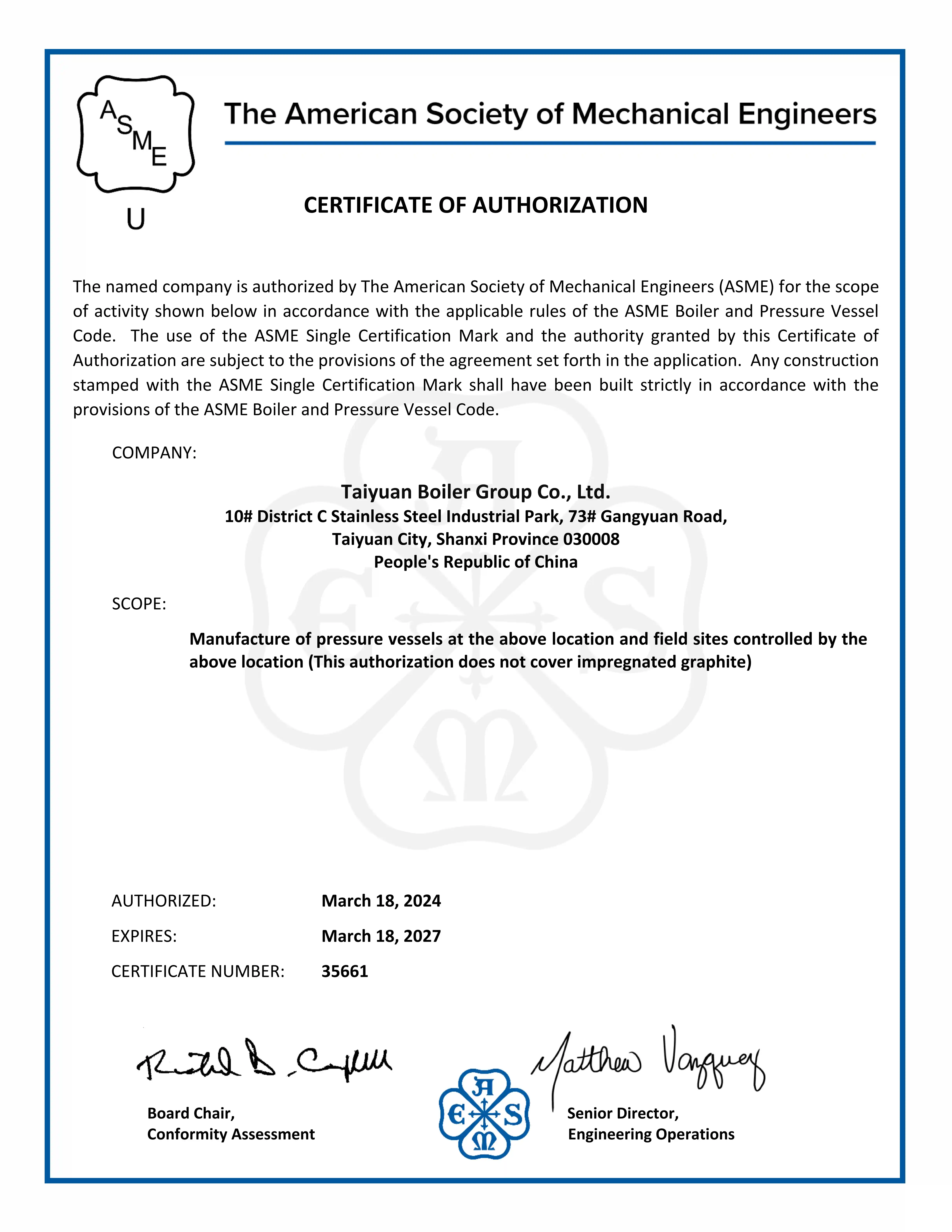
Taiyuan Boiler Group Co., Ltd., established in 1958 and headquartered in Taiyuan, Shanxi Province, China, is a nationally designated Class A boiler and environmental protection equipment manufacturing enterprise. The company holds the National Class A Boiler Manufacturing License, D1/D2 Pressure Vessel Design License, A1/A2 Pressure Vessel Manufacturing License, ASME "S" and "U" Code Stamp Authorizations, and has been certified under the ISO 9001 International Quality Management System. In strategic partnership with Tsinghua University, the company co-founded the Low-Carbon Energy Technology Research Institute, and has led the research and development of Circulating Fluidized Bed (CFB) boiler technology for decades, establishing a complete product spectrum ranging from 35 t/h to 1,000 t/h.
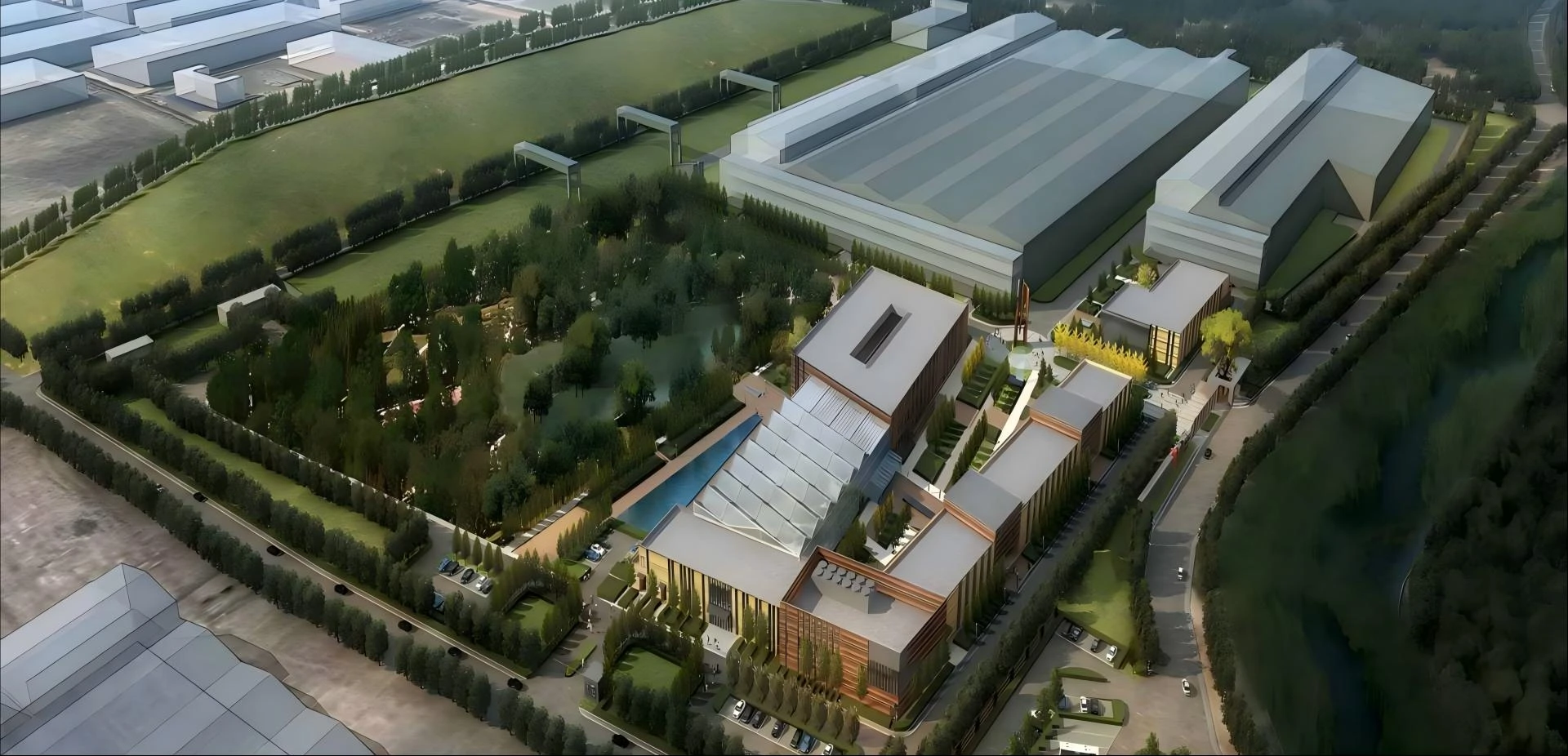
Taiyuan Boiler Group, with over 30 years of deep industry engagement and technological accumulation, has obtained the most comprehensive qualification certifications in the boiler manufacturing industry:
√ National Class A Boiler Manufacturing License (Highest Grade)
√ A1, A2 Class Pressure Vessel Manufacturing License
√ D1, D2 Class Pressure Vessel Design License
√ ASME "S" (Power Boiler) and "U" (Pressure Vessel) Code Stamp Authorization
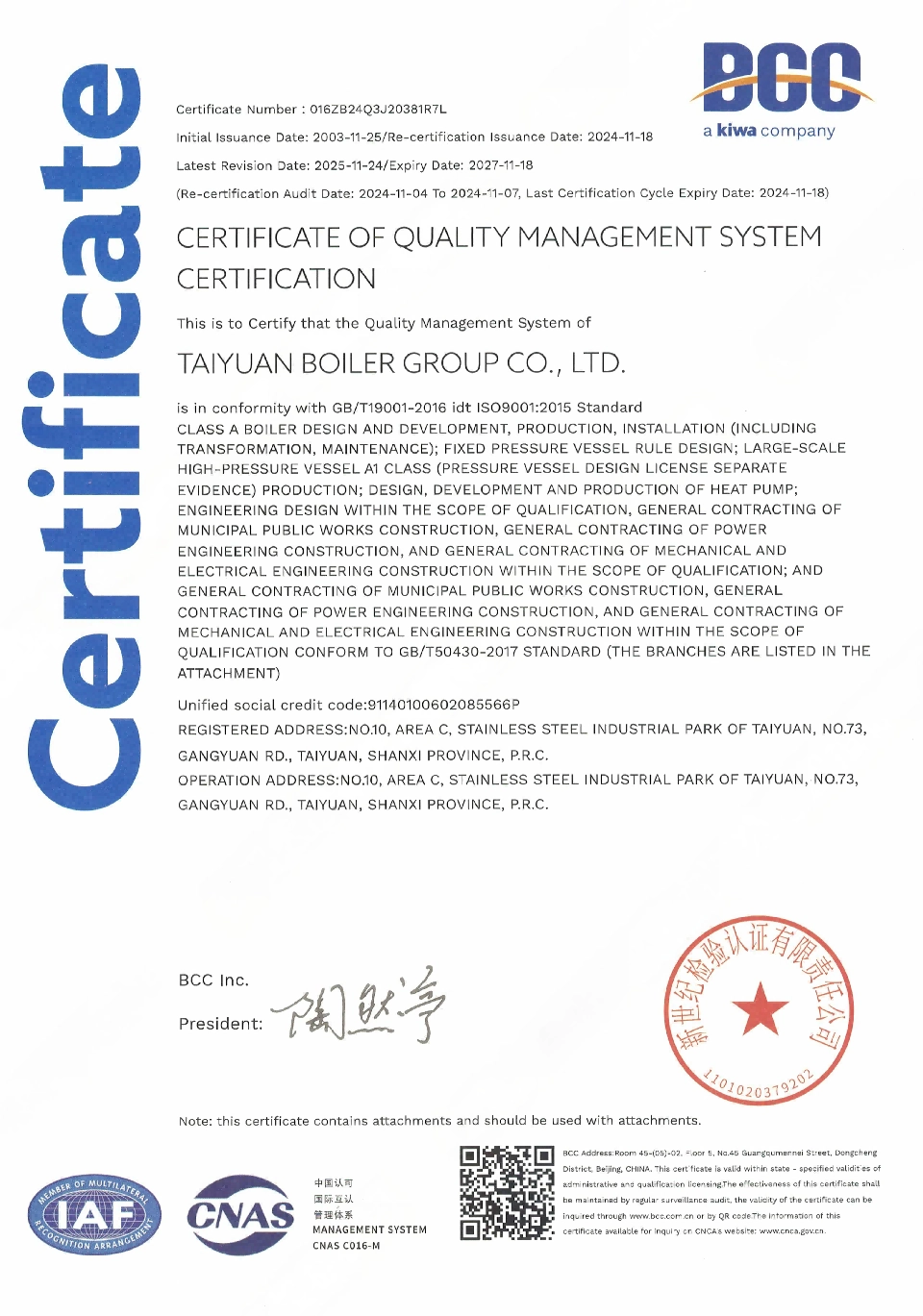
√ ISO 9001 International Quality Management System Certification
Tsinghua University — Taiyuan Boiler Group Low-Carbon Energy Technology Research Institute (Jointly Established)


 EN
EN