 ×
×
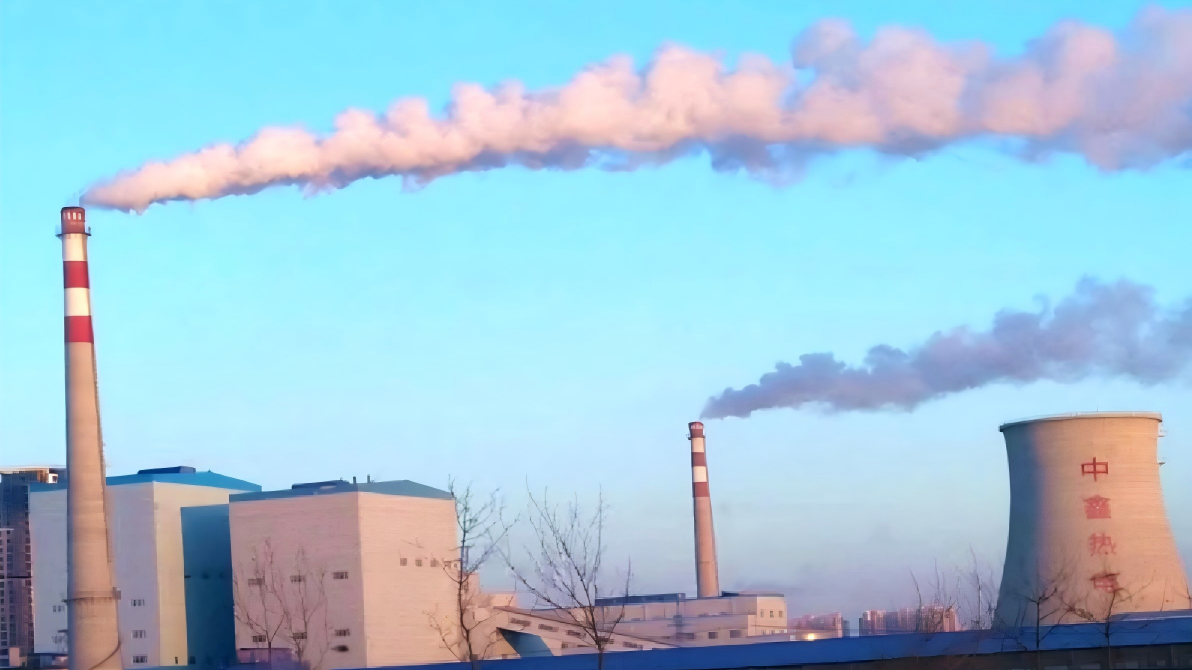
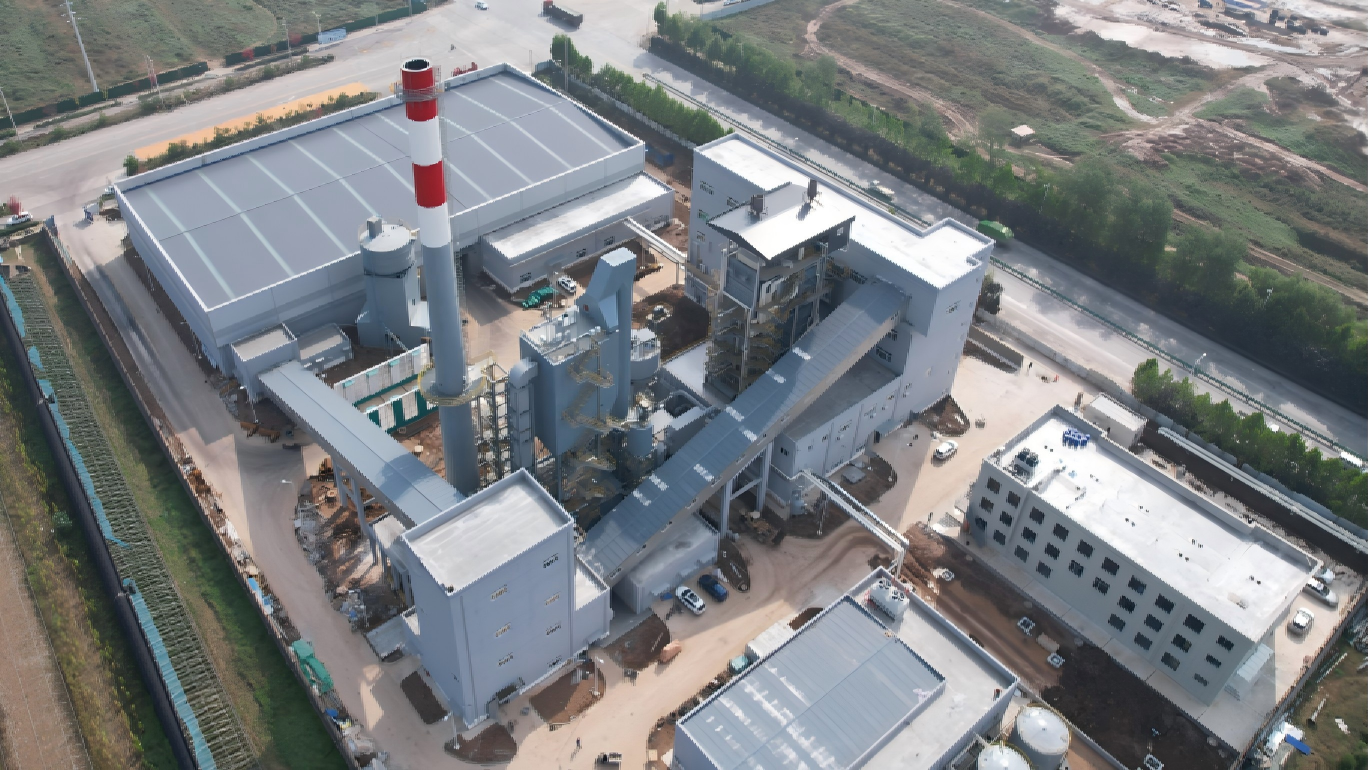
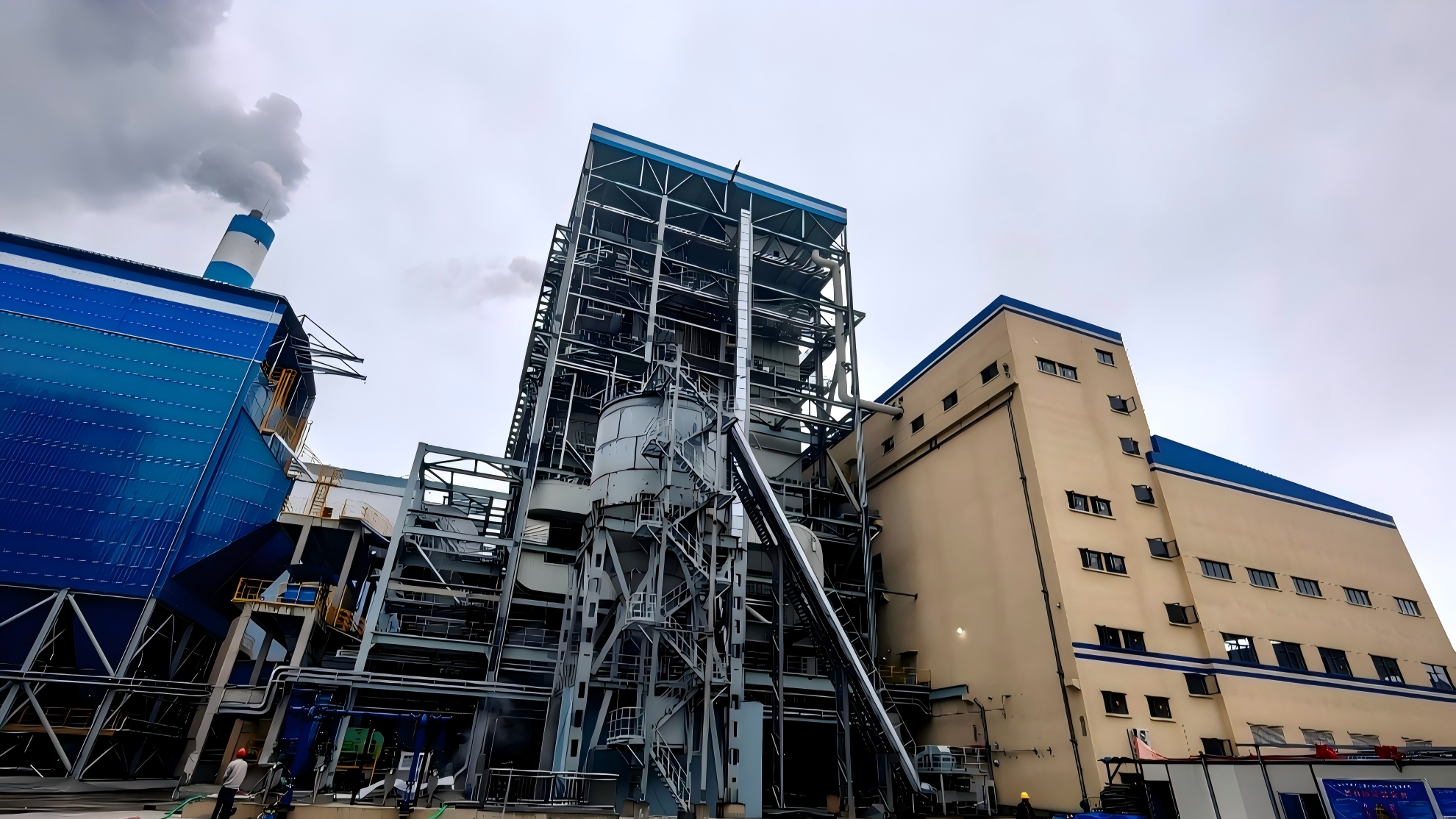
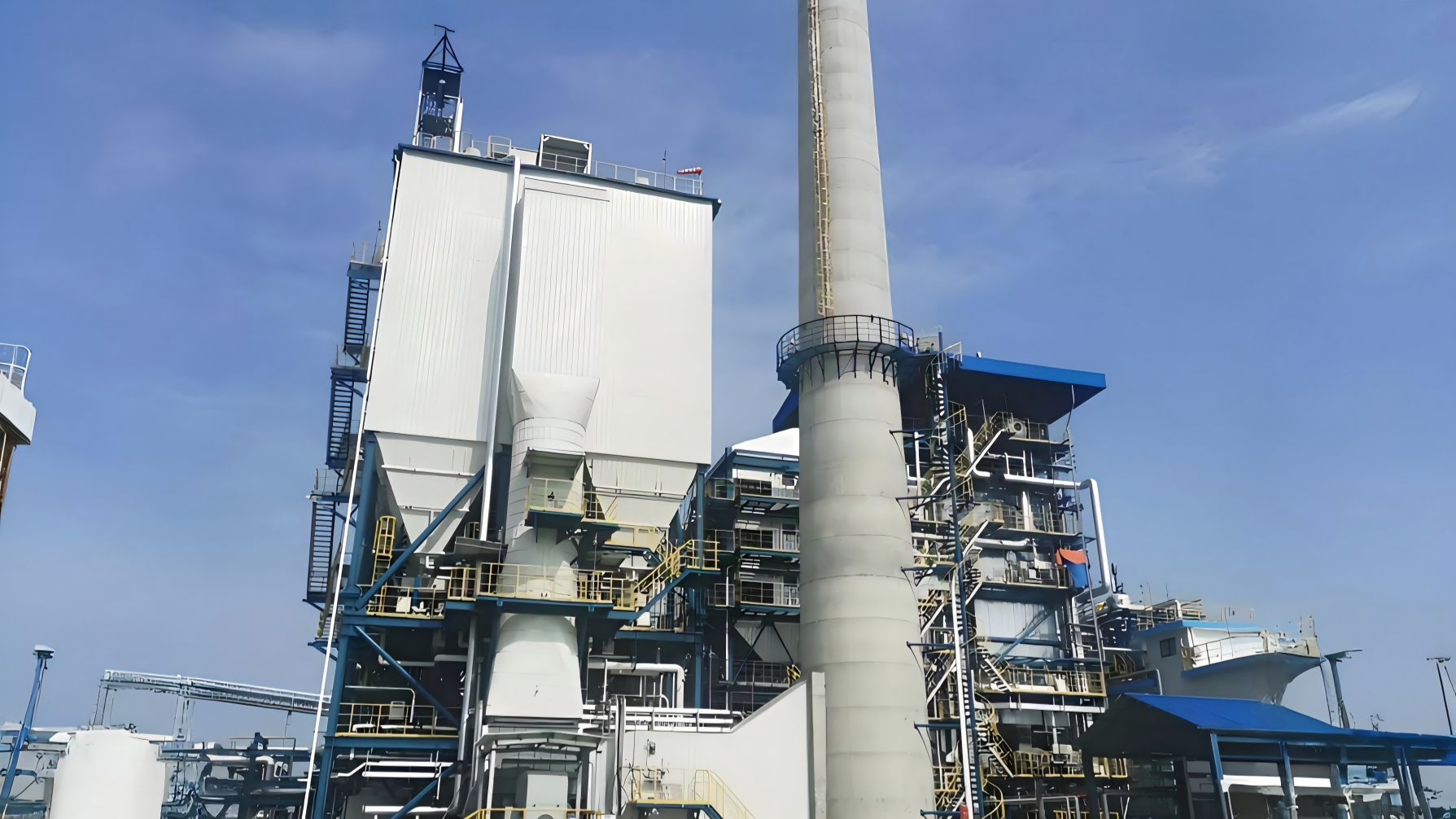
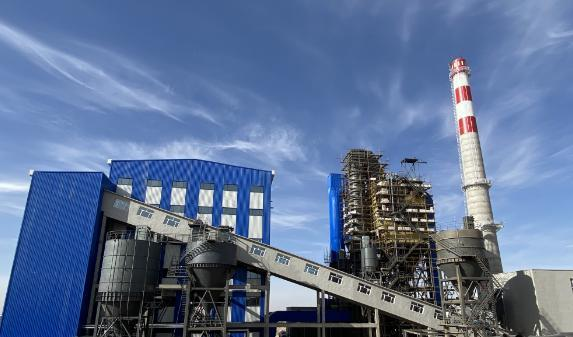
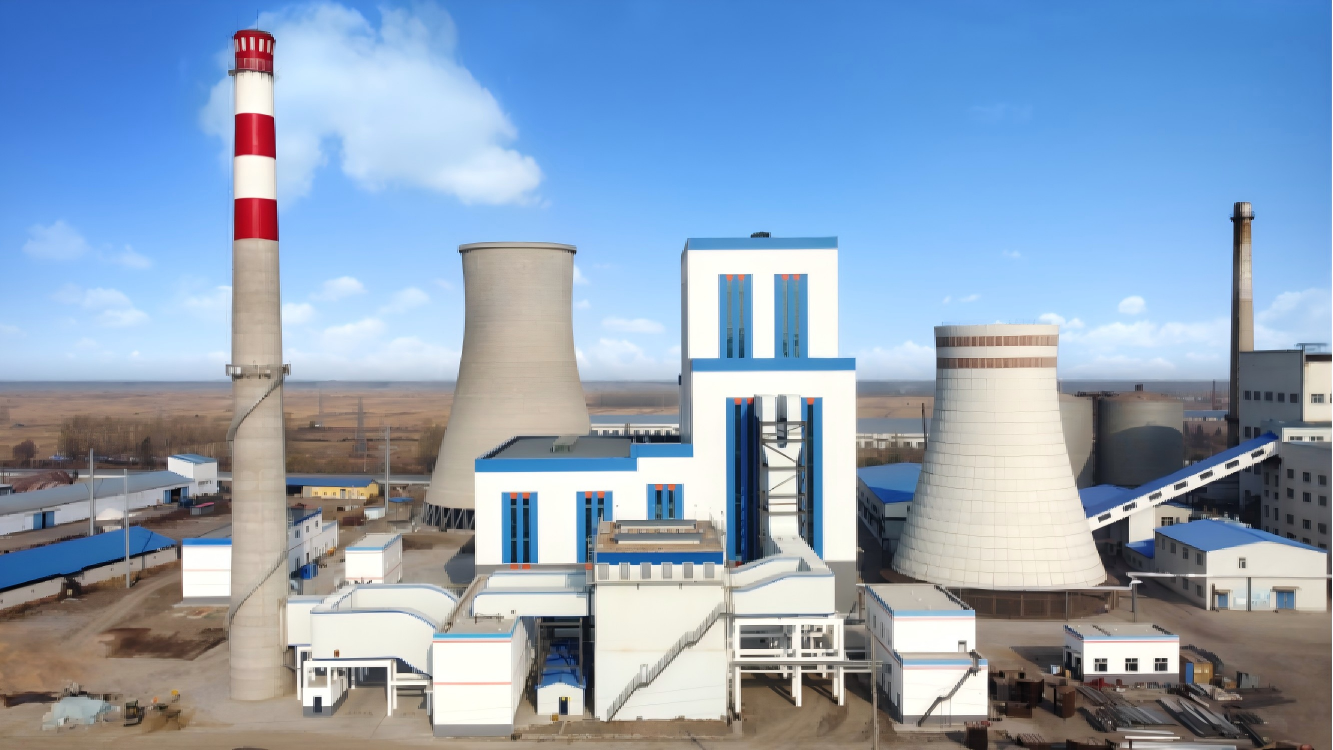
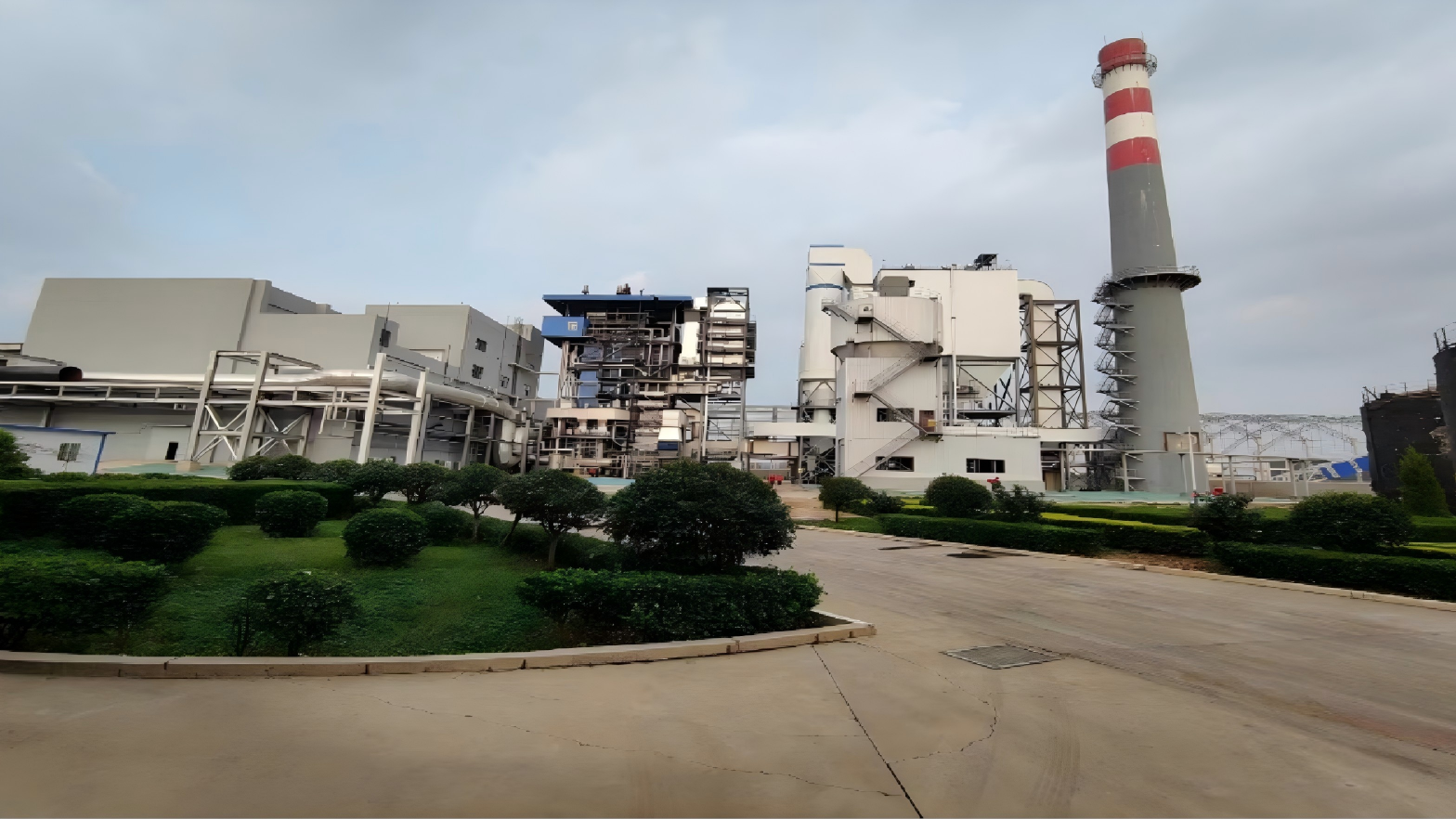
The Low-Carbon Co-Firing Solution from Taiyuan Boiler Group offers the highest fuel transition flexibility available, enabling a single CFB boiler to simultaneously combust coal and biomass fuels with blending ratios adjustable from 10% to 100% biomass based on fuel pricing and supply conditions. This co-firing solution ensures energy supply security with coal as the baseline fuel while maximizing carbon reduction benefits through maximizing biomass utilization, making the biomass co-firing approach the most pragmatic low-carbon blending strategy for existing coal-fired power plants seeking to reduce their carbon footprint without major capital reinvestment. The co-firing solution provides an immediate and cost-effective pathway to biomass co-firing that can be implemented on existing CFB boiler assets with minimal modification. This low-carbon blending approach is particularly valuable for plants facing carbon pricing, renewable energy mandates, or corporate sustainability commitments.
The Low-Carbon Co-Firing Solution from Taiyuan Boiler Group offers the highest fuel transition flexibility available, enabling a single CFB boiler to simultaneously combust coal and biomass fuels with blending ratios adjustable from 10% to 100% biomass based on fuel pricing and supply conditions. This co-firing solution ensures energy supply security with coal as the baseline fuel while maximizing carbon reduction benefits through maximizing biomass utilization, making the biomass co-firing approach the most pragmatic low-carbon blending strategy for existing coal-fired power plants seeking to reduce their carbon footprint without major capital reinvestment. The co-firing solution provides an immediate and cost-effective pathway to biomass co-firing that can be implemented on existing CFB boiler assets with minimal modification. This low-carbon blending approach is particularly valuable for plants facing carbon pricing, renewable energy mandates, or corporate sustainability commitments.
The design philosophy of the co-firing solution is to preserve the existing coal-firing capability of a CFB boiler while adding a parallel biomass feeding system that enables flexible low-carbon blending. This parallel-path approach allows the biomass co-firing system to operate independently of the coal feeders, so the co-firing solution can be switched on or off without disrupting baseline coal combustion. The low-carbon blending design also includes fuel metering, blending controls, and combustion air adjustments that optimize the CFB boiler performance across the full range of biomass co-firing ratios. The co-firing solution is engineered to minimize modification to the boiler body, reducing project risk and downtime. This design philosophy makes the biomass co-firing approach the fastest and most capital-efficient route to low-carbon blending for existing coal plants.
The co-firing solution enables existing coal-fired CFB boilers to achieve biomass co-firing through a straightforward fuel system modification, without requiring replacement of the main boiler equipment. This low-carbon blending approach provides a smooth transition pathway from 100% coal operation toward progressively higher biomass co-firing ratios as biomass supply chains mature and carbon pricing mechanisms evolve. The biomass co-firing system modular design allows incremental capacity additions, enabling power plant operators to phase their low-carbon blending investment in step with market conditions and regulatory requirements. The co-firing solution preserves the full coal-firing capability of the existing boiler, ensuring that the biomass co-firing investment does not compromise the plant's baseline fuel security. This flexibility is a defining advantage of the co-firing solution.
The co-firing solution's most compelling advantage is its ability to dynamically adjust the biomass co-firing ratio based on real-time fuel price differentials. When biomass fuel costs are favorable relative to coal, the low-carbon blending system automatically increases the biomass share to capture maximum economic and carbon benefits. When biomass supply is constrained or prices spike, the biomass co-firing system reverts to higher coal proportions, ensuring uninterrupted power generation while maintaining baseline fuel cost competitiveness. This dynamic optimization capability of the co-firing solution delivers the best economic outcome from the low-carbon blending strategy under all market conditions. The biomass co-firing portion of electricity generated through the co-firing solution may qualify for renewable energy subsidies under applicable local policies, further improving the project economics of the low-carbon blending investment.
Taiyuan Boiler Group has extensively validated the biomass co-firing performance across multiple fuel combination scenarios. Proven co-firing combinations include bituminous coal with wood pellets up to 100% biomass, anthracite with straw briquettes up to 50% biomass, coal gangue with agricultural waste up to 70% biomass, lean coal with bagasse up to 80% biomass, and lignite with rice husk up to 60% biomass. These validated low-carbon blending configurations cover the full spectrum of coal types and biomass fuels encountered in real-world applications, ensuring that the co-firing solution can be confidently deployed across diverse fuel supply environments. Each biomass co-firing combination has been tested for combustion stability, emission performance, and ash behavior, providing the co-firing solution with a robust technical foundation.
The co-firing solution is delivered as an independent biomass fuel feeding line modification package that operates in parallel with the existing coal feeding system. This parallel-feed approach of the biomass co-firing system preserves the original coal feeding infrastructure intact, enabling seamless switching between coal-only, biomass co-firing, and biomass-only operation modes without any modification to the boiler combustion system. The low-carbon blending implementation typically requires 2 to 4 months of installation and commissioning time, with minimal disruption to ongoing power generation operations. The biomass co-firing system includes dedicated biomass storage, conveying, metering, and injection equipment that integrates smoothly with the existing CFB boiler control architecture. The co-firing solution commissioning includes fuel blending trials, control loop tuning, and emission verification across the target low-carbon blending range.
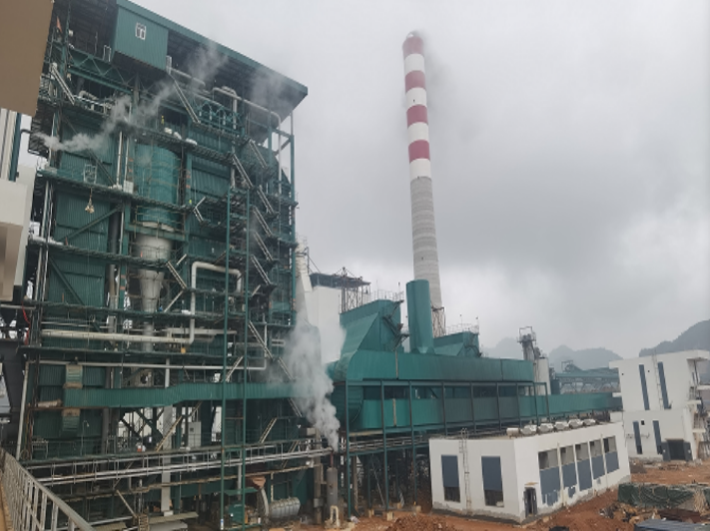
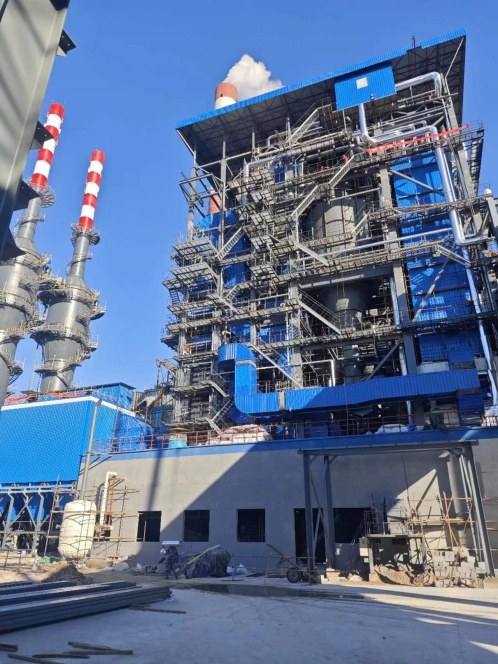
Taiyuan Boiler Group provides comprehensive after-sales support for the co-firing solution to ensure the biomass co-firing system continues to deliver low-carbon blending benefits over the long term. The co-firing solution service program includes periodic calibration of fuel metering equipment, combustion optimization at different biomass co-firing ratios, and troubleshooting of fuel handling issues. The low-carbon blending support team also assists with fuel sourcing, storage management, and regulatory reporting to maximize the value of the biomass co-firing investment. Spare parts for the co-firing solution are stocked to minimize downtime, and remote monitoring enables rapid diagnosis of any deviation from target low-carbon blending performance. This ongoing support ensures the co-firing solution remains a reliable and profitable carbon reduction asset.
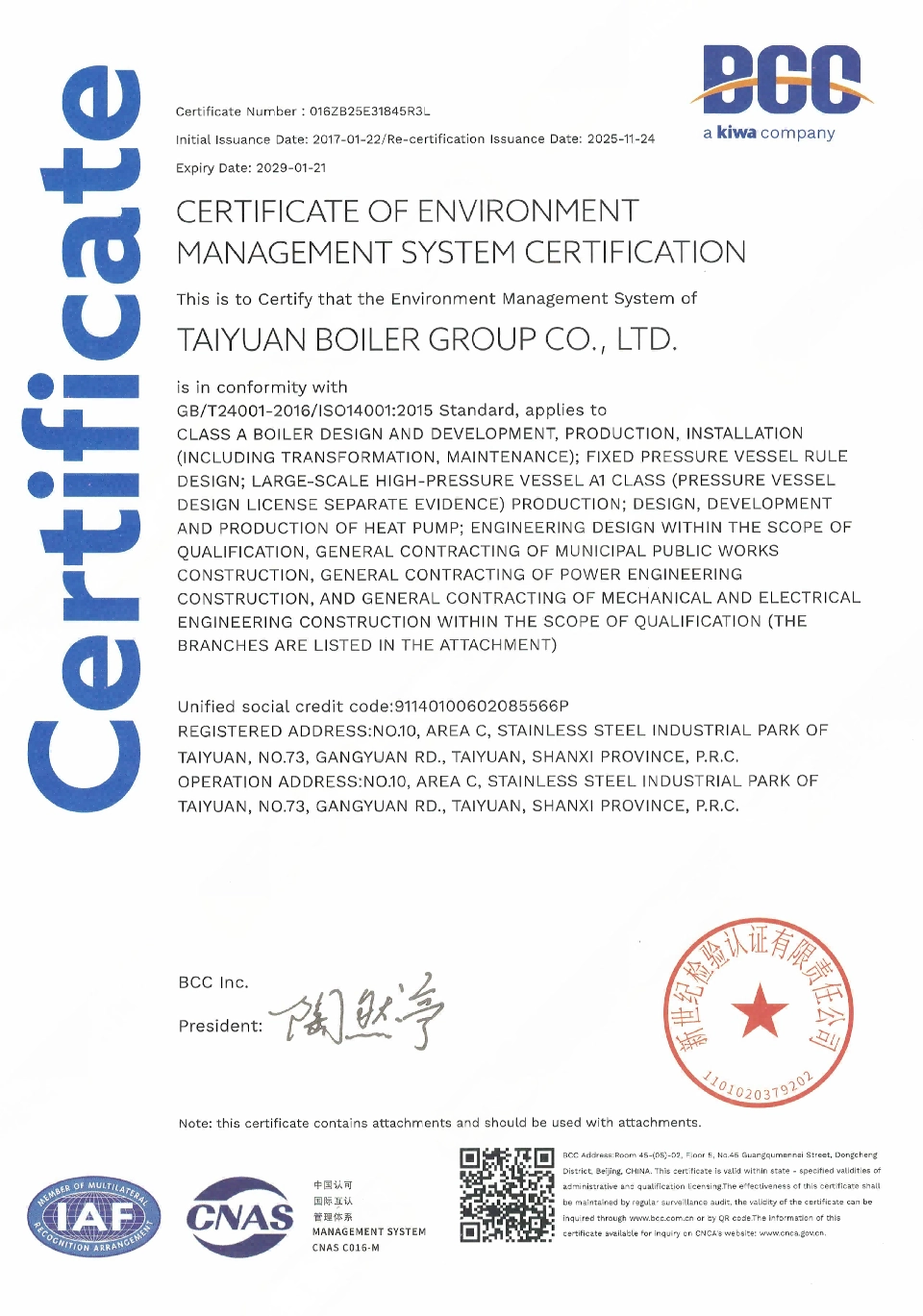
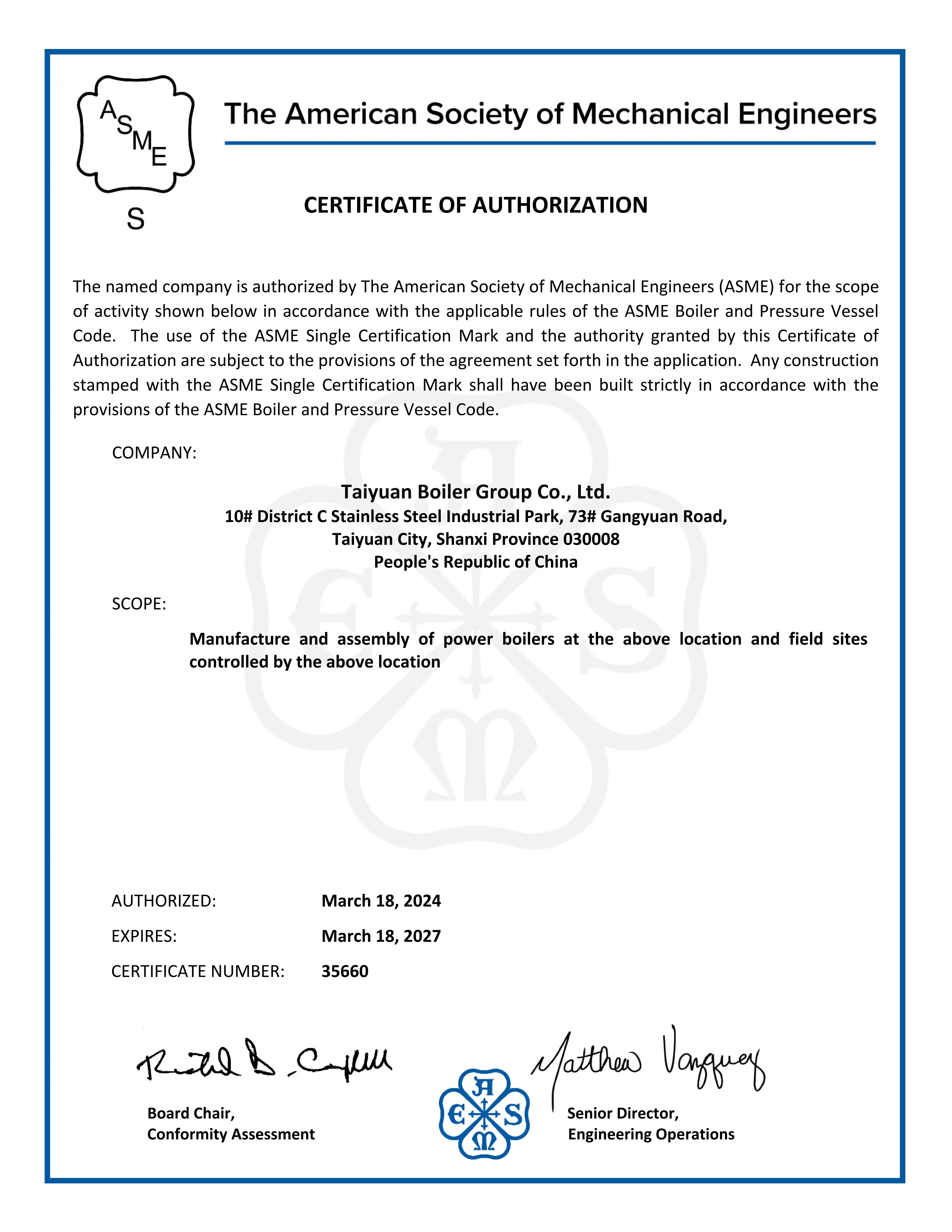
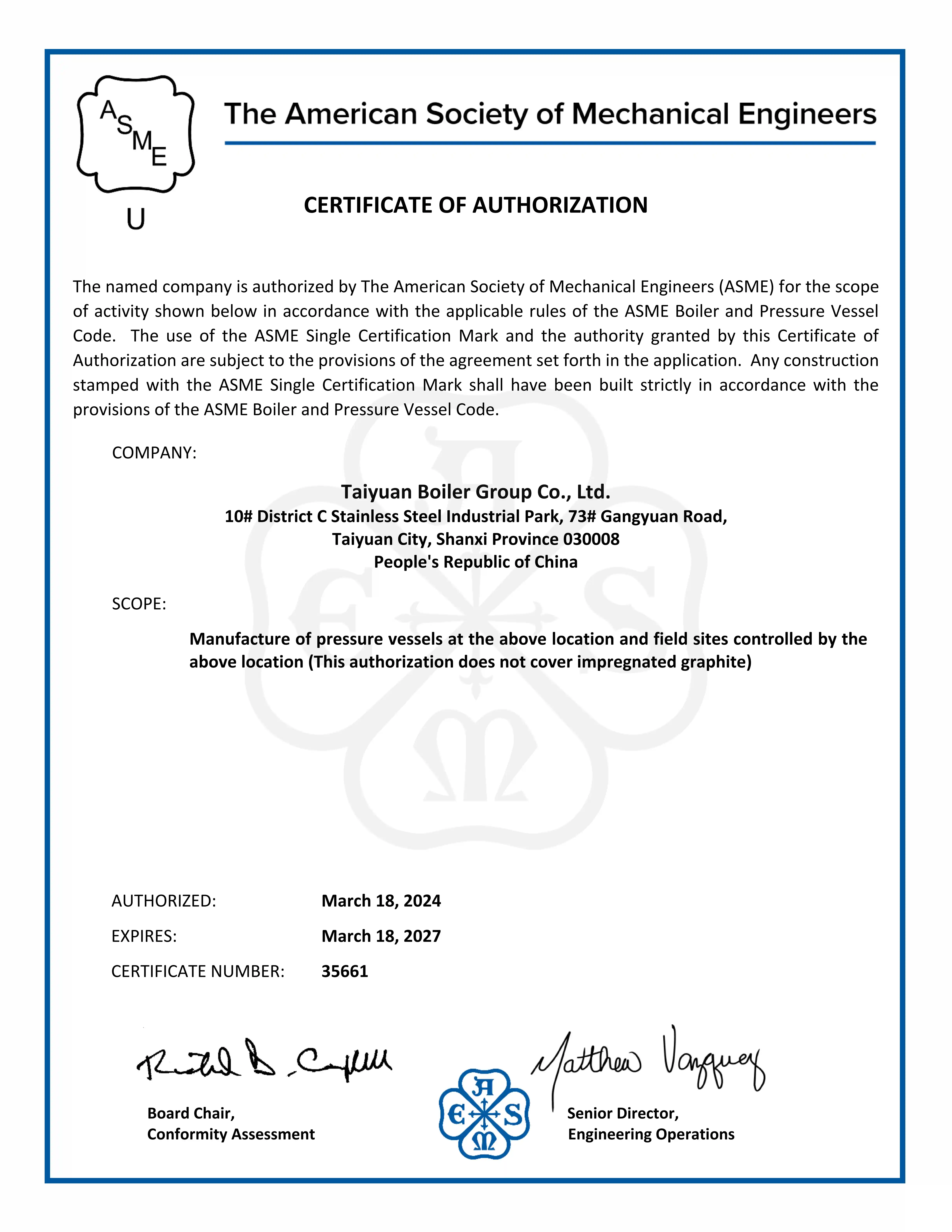
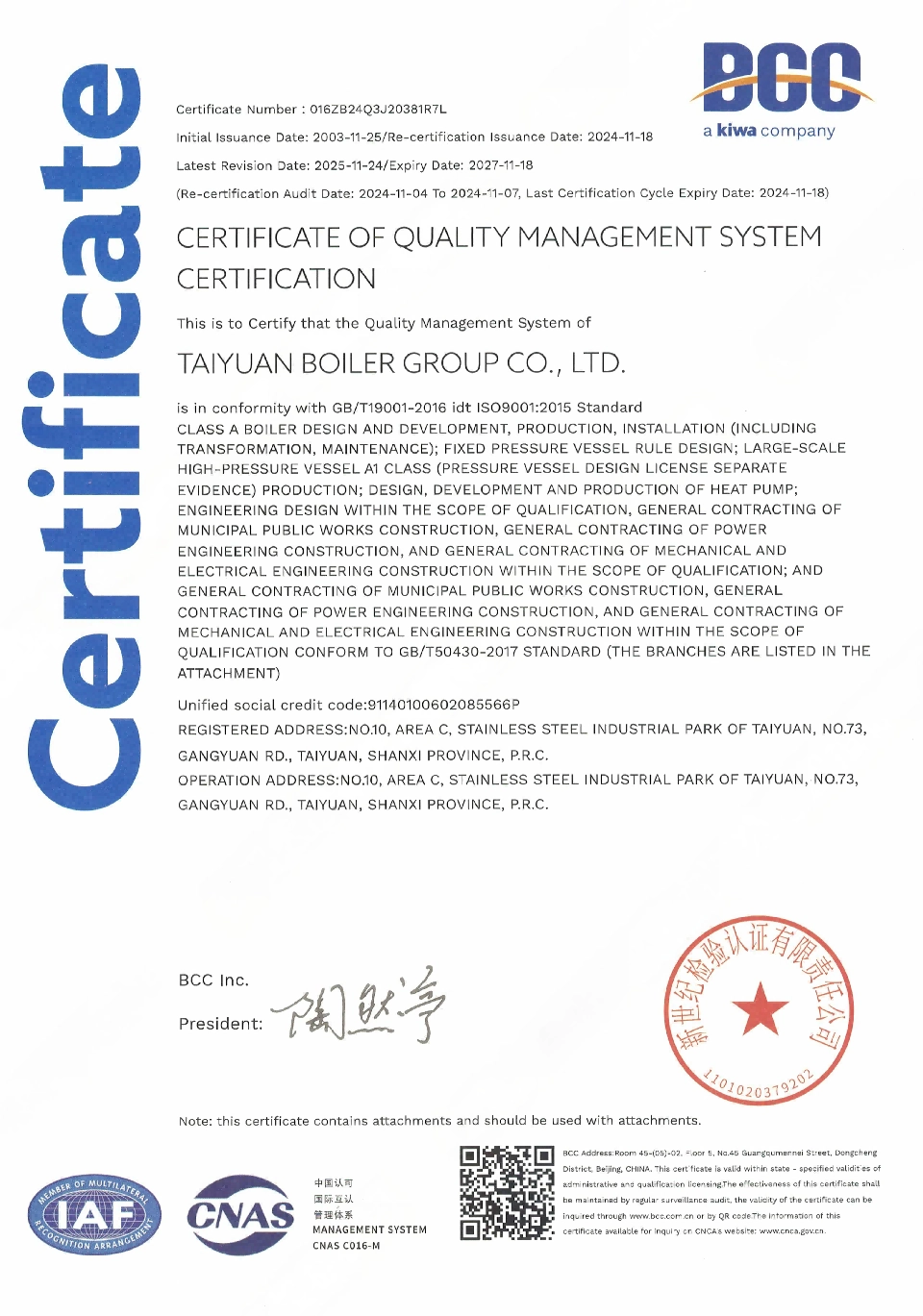
Taiyuan Boiler Group Co., Ltd., established in 1958 and headquartered in Taiyuan, Shanxi Province, China, is a nationally designated Class A boiler and environmental protection equipment manufacturing enterprise. The company holds the National Class A Boiler Manufacturing License, D1/D2 Pressure Vessel Design License, A1/A2 Pressure Vessel Manufacturing License, ASME "S" and "U" Code Stamp Authorizations, and has been certified under the ISO 9001 International Quality Management System. In strategic partnership with Tsinghua University, the company co-founded the Low-Carbon Energy Technology Research Institute, and has led the research and development of Circulating Fluidized Bed (CFB) boiler technology for decades, establishing a complete product spectrum ranging from 35 t/h to 1,000 t/h.
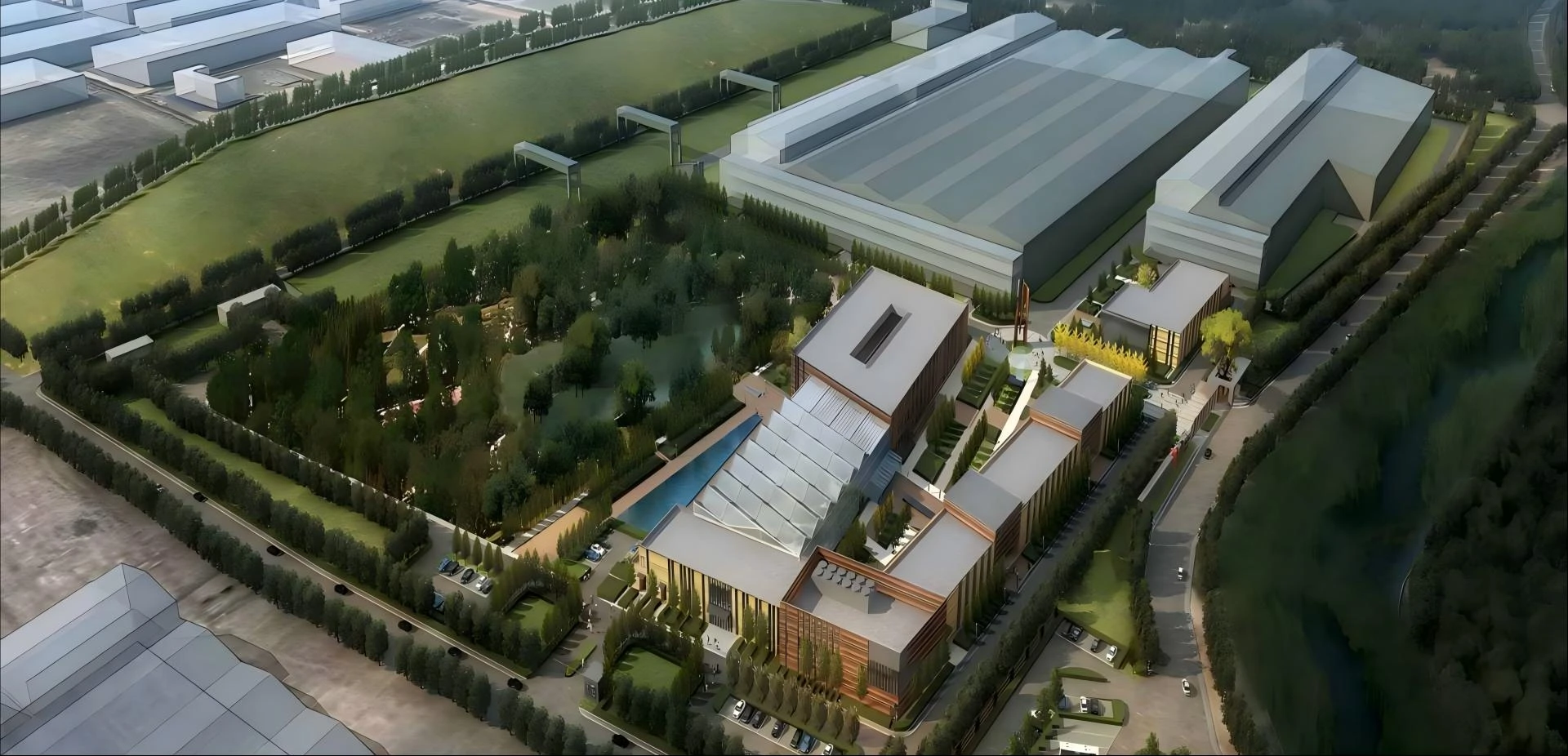
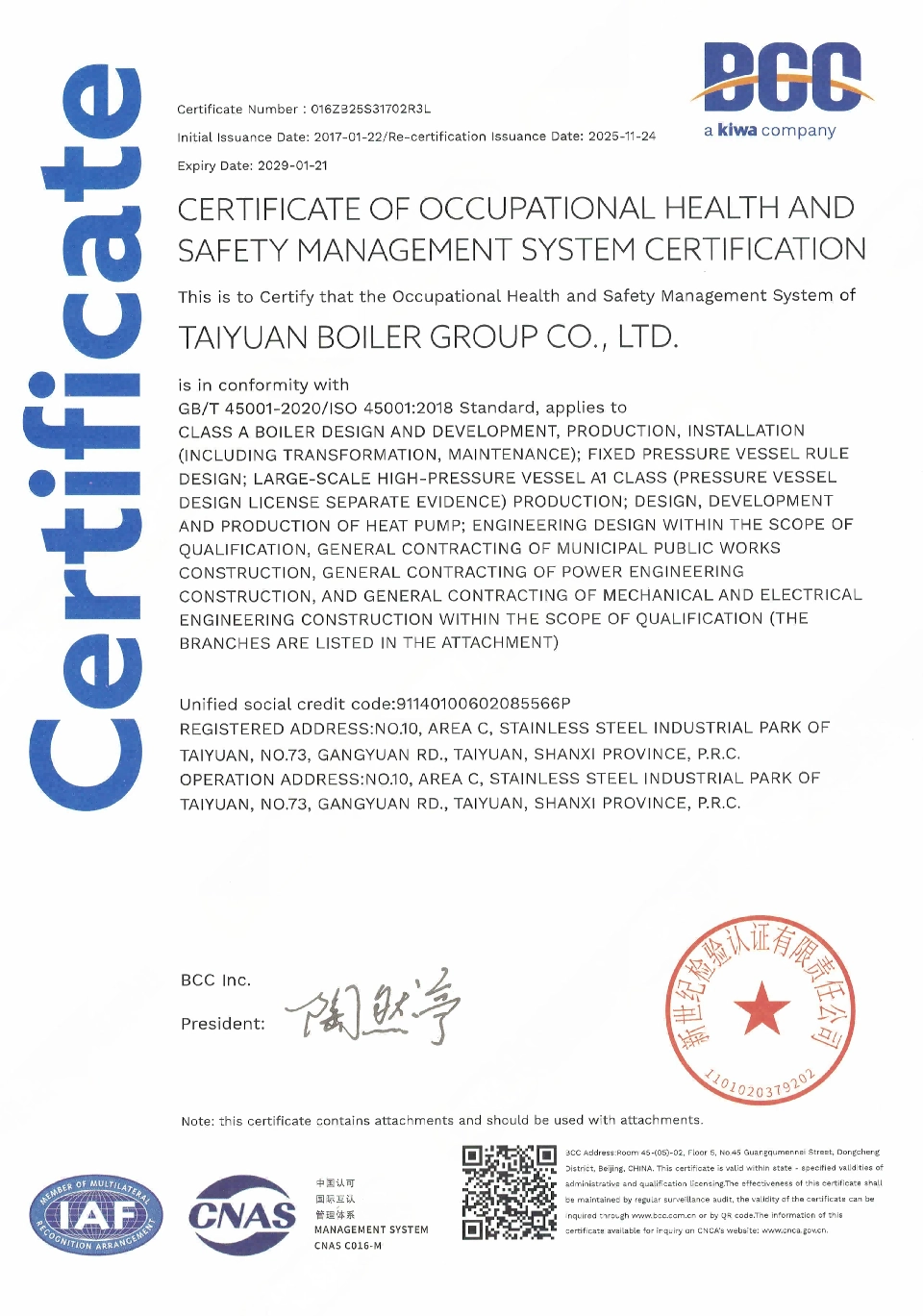
Taiyuan Boiler Group, with over 30 years of deep industry engagement and technological accumulation, has obtained the most comprehensive qualification certifications in the boiler manufacturing industry:
√ National Class A Boiler Manufacturing License (Highest Grade)
√ A1, A2 Class Pressure Vessel Manufacturing License
√ D1, D2 Class Pressure Vessel Design License
√ ASME "S" (Power Boiler) and "U" (Pressure Vessel) Code Stamp Authorization
√ ISO 9001 International Quality Management System Certification
Tsinghua University — Taiyuan Boiler Group Low-Carbon Energy Technology Research Institute (Jointly Established)


 EN
EN