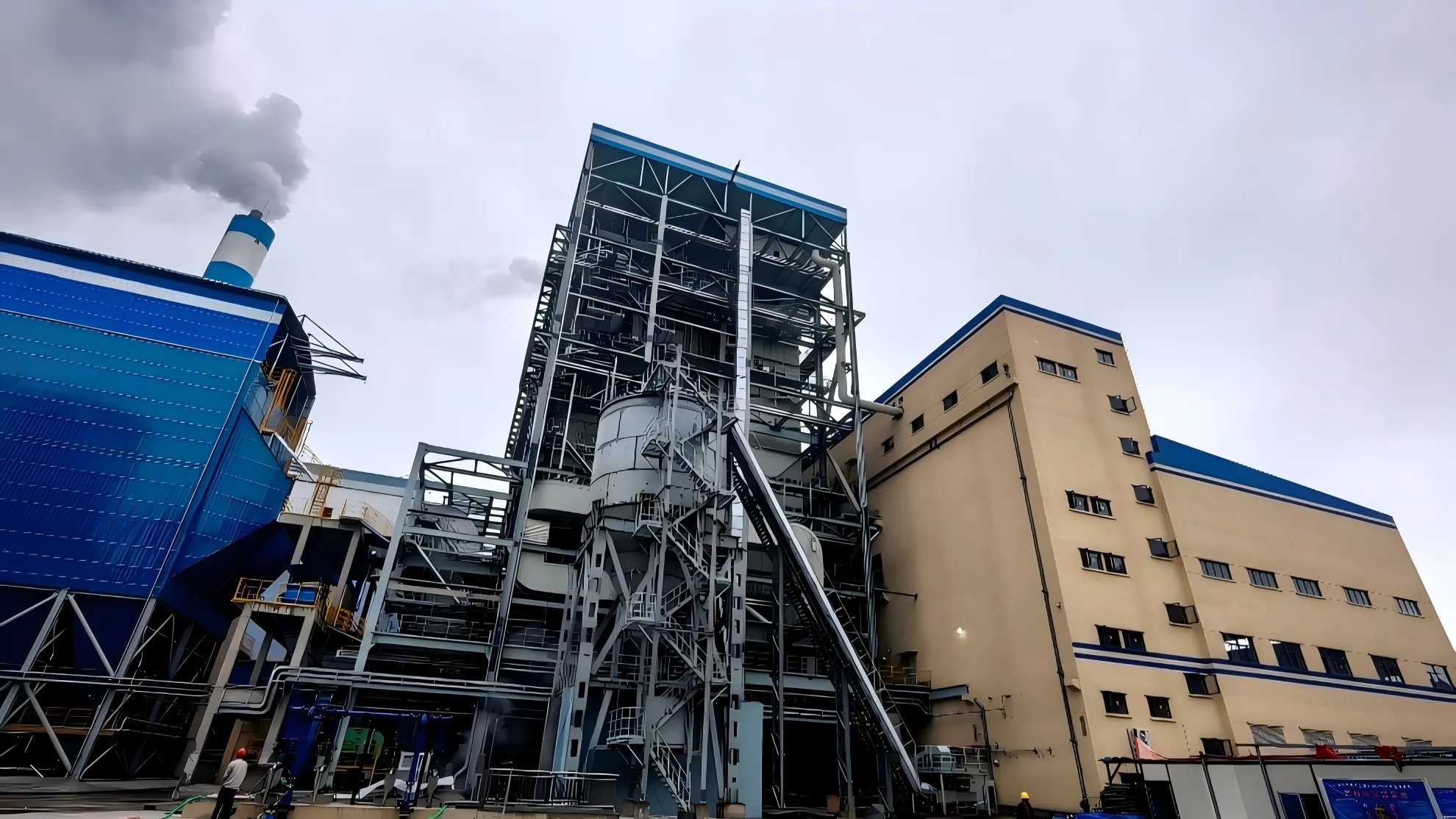
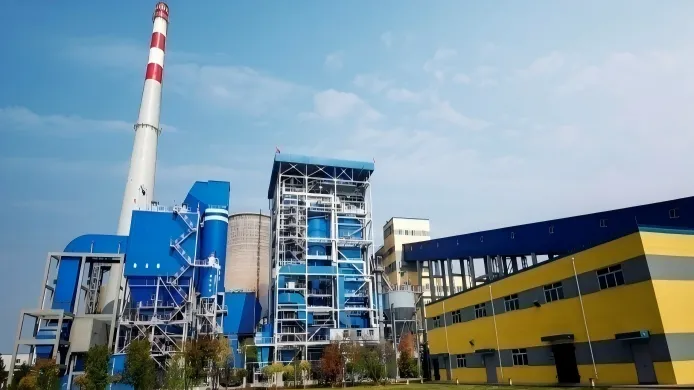
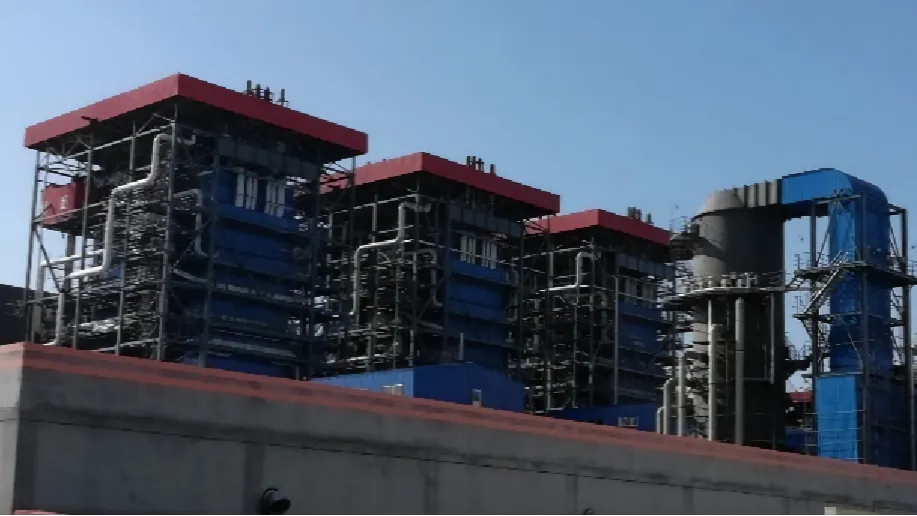
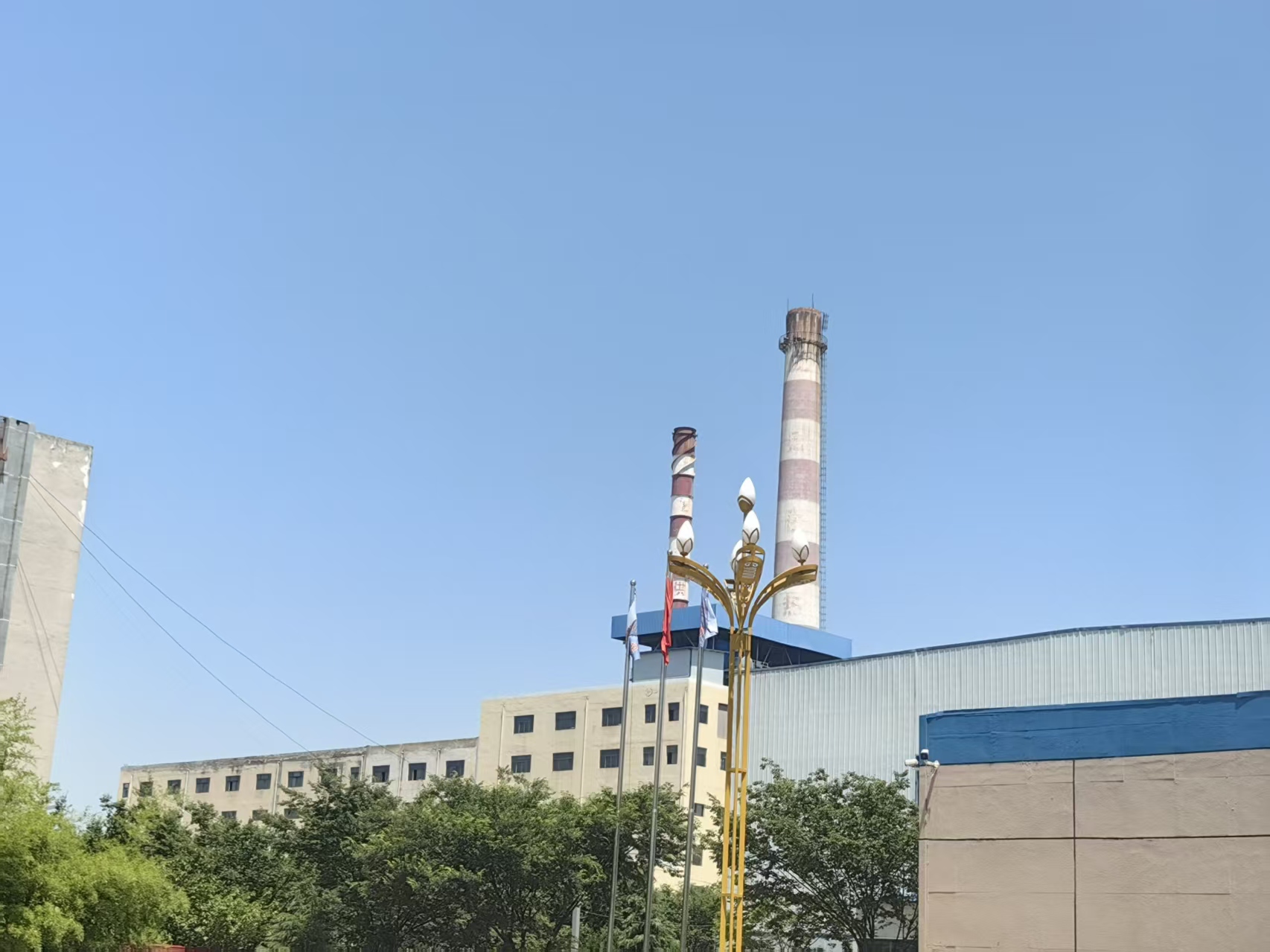
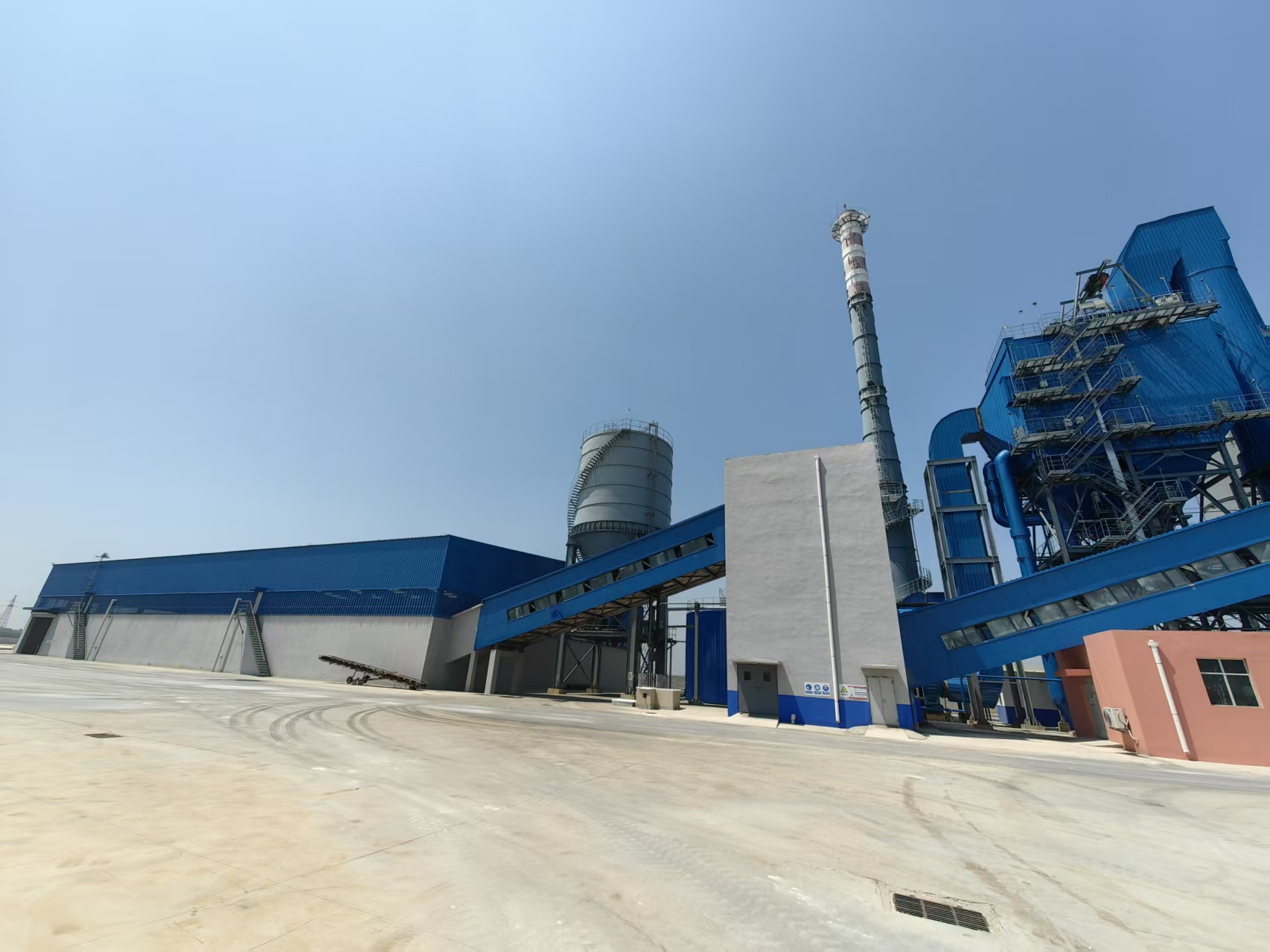
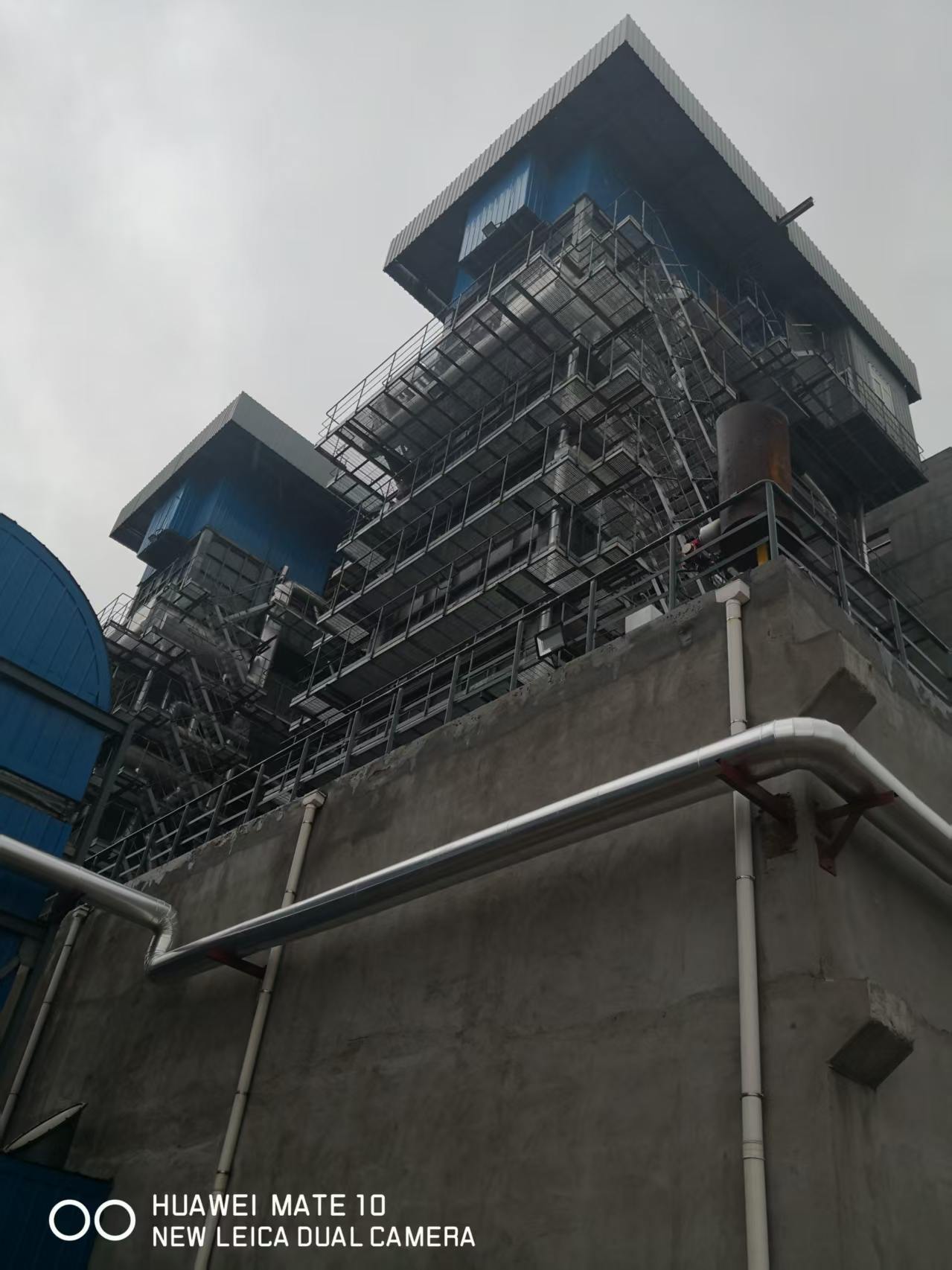
energy saving cfb boiler
An energy saving cfb boiler represents a revolutionary advancement in combustion technology, designed to maximize fuel efficiency while minimizing environmental impact. CFB stands for Circulating Fluidized Bed, a proven combustion method that ensures superior heat transfer and complete fuel utilization. The energy saving cfb boiler operates by suspending fuel particles in a hot, turbulent bed of inert material, creating optimal conditions for combustion at lower temperatures than traditional boilers.
The primary function of an energy saving cfb boiler is to convert fuel into thermal energy with exceptional efficiency rates, typically exceeding 90 percent. This boiler type excels at burning various fuel sources, including coal, biomass, waste materials, and alternative fuels, making it remarkably versatile. The circulating mechanism continuously recirculates unburned particles back into the combustion chamber, ensuring maximum fuel utilization and minimal waste.
Key technological features of the energy saving cfb boiler include advanced emission control systems that reduce harmful pollutants like sulfur dioxide and nitrogen oxide. The fluidized bed design operates at lower temperatures compared to conventional boilers, significantly reducing thermal NOx formation. Additionally, the energy saving cfb boiler incorporates sophisticated combustion controls and heat recovery systems that capture waste heat for additional energy generation.
Applications for the energy saving cfb boiler span across industrial facilities, power generation plants, district heating systems, and combined heat and power installations. The versatility and efficiency of the energy saving cfb boiler make it ideal for facilities seeking sustainable energy solutions without compromising performance or reliability.

 EN