
 EN
EN



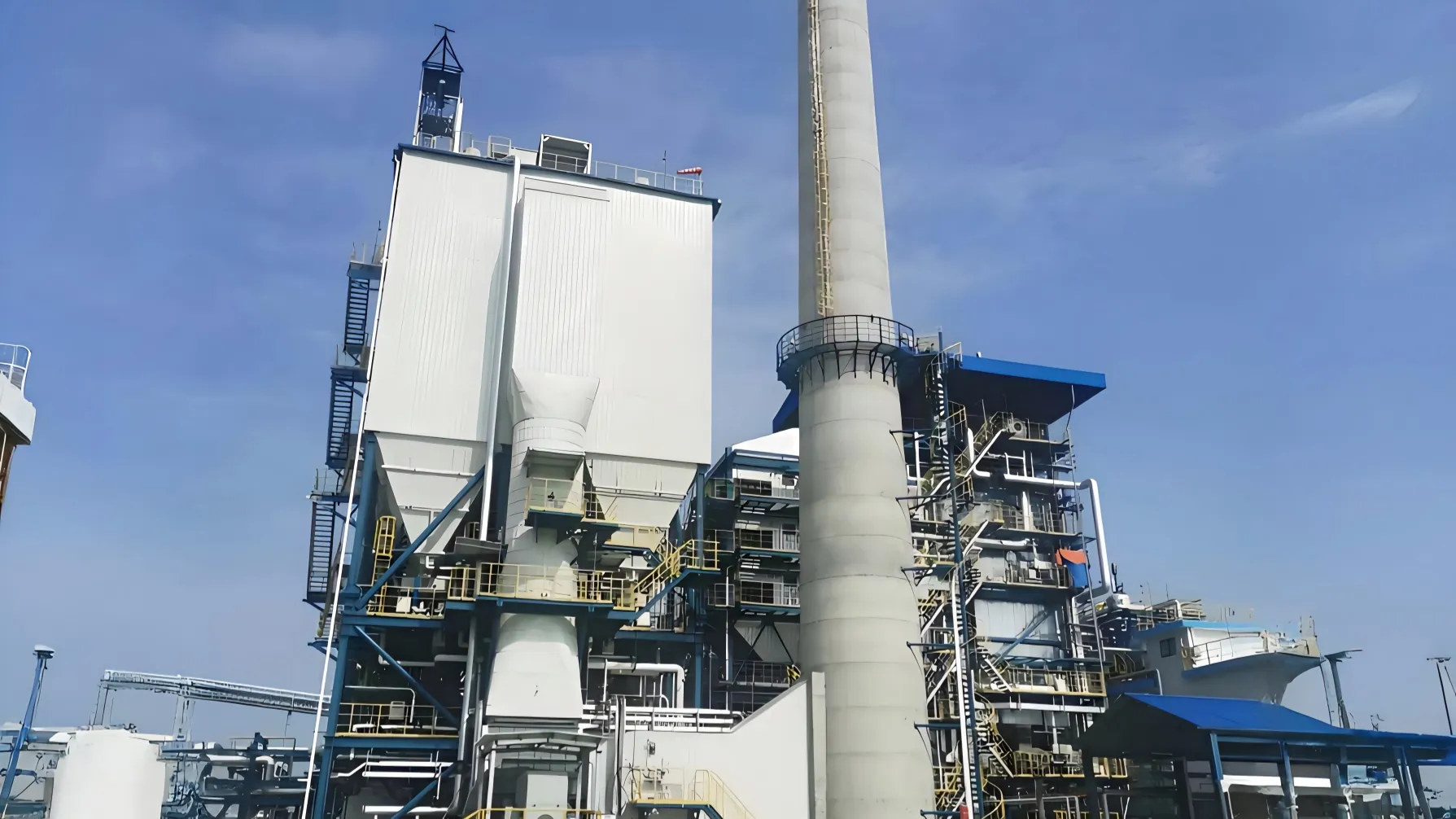
Evaluating the structural durability of a new cfb boiler is critical for ensuring long-term operational reliability and minimizing costly downtime. When you invest in advanced combustion equipment, understanding how to assess its build quality, material composition, and design integrity becomes essential. Structural durability directly impacts equipment lifespan, efficiency performance, and safety standards across thermal power generation and industrial heating applications.
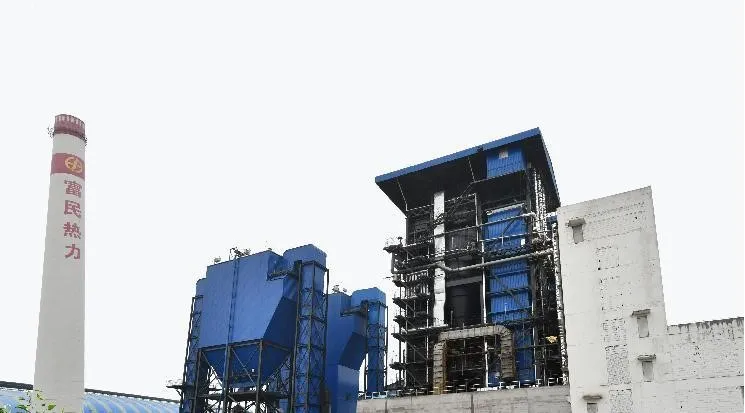
The structural durability of a cfb boiler depends on several interconnected factors including material selection, welding quality, pressure vessel design, and thermal stress management. Modern circulating fluidized bed boiler efficiency standards require robust frameworks that withstand continuous thermal cycling, mechanical vibration, and corrosive combustion environments. This guide explores the practical evaluation methods, inspection protocols, and performance benchmarks that help you verify whether a new cfb boiler unit meets your operational demands and industry compliance requirements.
Understanding Material Standards and Composition
Pressure Vessel Steel Quality
The foundation of cfb boiler maintenance and operation begins with evaluating the quality of pressure vessel materials. Most modern units utilize high-strength low-alloy steel or chromium-molybdenum alloys that provide superior resistance to thermal stress and corrosion. When assessing a new boiler, verify that material certifications comply with ASME Section I or equivalent international standards, and confirm that mill test reports document tensile strength, yield point, and impact resistance values.
Examine the material composition across critical components including the furnace wall, steam drum, waterwall tubes, and superheater sections. Different zones experience varying thermal and mechanical loads, so material selection must match localized conditions. Verify that the supplier provides detailed material grade documentation and third-party certification for all pressure-containing components, which directly supports cfb boiler maintenance and operation protocols.
Corrosion and Erosion Resistance
Fluidized bed combustion technology benefits from careful consideration of corrosion mechanisms in the high-temperature, oxidizing environment. Ask the manufacturer for information about protective coatings, internal tube material specifications, and erosion allowances built into the design. High-velocity fluidized materials within the combustion chamber cause significant particle erosion, so thicker material grades or special coatings in erosion-prone zones demonstrate durability planning.
Request evidence of corrosion testing, such as laboratory studies or field performance data from similar installations. This demonstrates how the cfb boiler performs in your specific fuel type and operating conditions. Material selection that accounts for both internal corrosion from combustion products and external corrosion from weather or chemical exposure ensures extended equipment life.
Welding Quality and Structural Integrity Assessment
Inspection and Non-Destructive Testing
Welding represents the critical path for structural durability in any pressure vessel. When evaluating a new cfb boiler, request documented evidence of non-destructive testing such as radiography, ultrasonic inspection, and magnetic particle inspection on all pressure-containing welds. Confirm that the inspection reports show acceptance rates exceeding 95 percent and that any repairs followed proper re-testing protocols. This level of quality assurance directly correlates with long-term circulating fluidized bed boiler efficiency and safe operation.
Examine the welding procedure specifications to verify that techniques align with code requirements and material properties. Look for evidence of heat treatment post-weld, stress relief, and controlled cooling rates. These processes eliminate residual stresses and microstructural defects that compromise durability. Request copies of welder qualifications and certification records to confirm that all joining work met strict competency standards.
Design Redundancy and Stress Distribution
Modern cfb boiler designs incorporate stress analysis using finite element analysis to predict failure points and optimize wall thickness. Ask the manufacturer for stress analysis reports that document maximum principal stresses, fatigue life predictions, and safety margins across major components. A well-designed boiler distributes mechanical and thermal loads evenly to avoid stress concentration at tube connections and support points.
Evaluate whether the design includes redundant support structures, multiple circulation paths, and fail-safe mechanisms. These features protect fluidized bed combustion technology benefits by maintaining operational continuity even if localized degradation occurs. Review the design documentation for access ports, inspection hatches, and internal surfaces that facilitate future cfb boiler maintenance and operation without compromising pressure integrity.
Thermal Performance and System Optimization
Circulation and Heat Transfer Design
Circulating fluidized bed boiler efficiency depends fundamentally on stable water circulation patterns and uniform heat transfer across all tubes. Examine the internal layout to confirm that circulation riser tubes, downcomer pipes, and superheater arrangements support natural circulation without dead zones or flow stagnation. Boilers with poor circulation experience uneven tube wall temperatures, leading to accelerated corrosion and structural failure in localized zones.
Request thermal analysis documentation showing expected tube wall temperatures under design load conditions. Temperature uniformity within plus-or-minus 30 degrees Celsius across similar tubes indicates balanced design. Verify that the cfb boiler includes instrumentation ports for temperature monitoring in critical zones, enabling early detection of circulation problems during cfb boiler maintenance and operation.
Pressure Drop and Flow Stability
Excessive pressure drop across circulation paths strains the natural driving forces in the boiler, potentially causing flow instability and erosion acceleration. Evaluate the circulation design by reviewing pressure drop calculations and confirming that the density head generated by the riser column exceeds total system resistance. This fundamental design principle ensures that fluidized bed combustion technology benefits from stable, predictable circulation under all load conditions.
Check whether the boiler design includes circulation control devices such as orifices or swing check valves that maintain flow stability under varying loads. These features minimize thermal stratification, reduce mechanical vibration, and extend structural durability. Verify that the manufacturer provides guidance on operating procedures that optimize circulation patterns and prevent flow reversal scenarios that damage the system.
FAQ
What specific documents should I request when evaluating a new cfb boiler for structural durability?
Request material test certificates, welding inspection reports, stress analysis documentation, thermal performance predictions, and performance guarantees. Additionally, ask for references from similar installations and any third-party verification from independent inspection agencies. These documents provide comprehensive evidence of structural quality and design capability across all critical systems.
How frequently should cfb boiler maintenance and operation procedures be performed to preserve structural integrity?
Regular cfb boiler maintenance and operation typically includes daily visual inspections, weekly water quality testing, monthly internal tube inspections using borescope technology, and annual comprehensive inspections by qualified technicians. Follow the manufacturer's maintenance plan and adjust frequency based on fuel type, operating hours, and historical performance data. Proactive maintenance prevents minor issues from developing into major structural problems.
How does fluidized bed combustion technology benefits extend equipment life compared to conventional combustors?
Fluidized bed combustion technology benefits include lower combustion temperatures that reduce thermal stress on tubes, excellent fuel flexibility that allows clean fuel or waste fuel use, and superior emissions control that minimizes external corrosion. These characteristics reduce overall wear rates and extend the interval between major maintenance events, resulting in improved circulating fluidized bed boiler efficiency and lower lifetime operating costs.
Table of Contents
- Understanding Material Standards and Composition
- Welding Quality and Structural Integrity Assessment
- Thermal Performance and System Optimization
-
FAQ
- What specific documents should I request when evaluating a new cfb boiler for structural durability?
- How frequently should cfb boiler maintenance and operation procedures be performed to preserve structural integrity?
- How does fluidized bed combustion technology benefits extend equipment life compared to conventional combustors?

