
 EN
EN



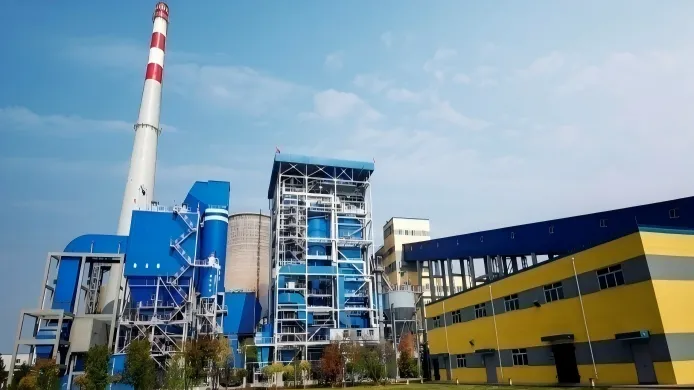
Large cogeneration projects demand equipment that can deliver both reliability and efficiency under demanding operational conditions. The choice of boiler technology fundamentally shapes project success, cost structure, and environmental compliance. A cfb boiler has emerged as the preferred solution for these applications because it combines superior performance characteristics with the flexibility required in modern energy systems.
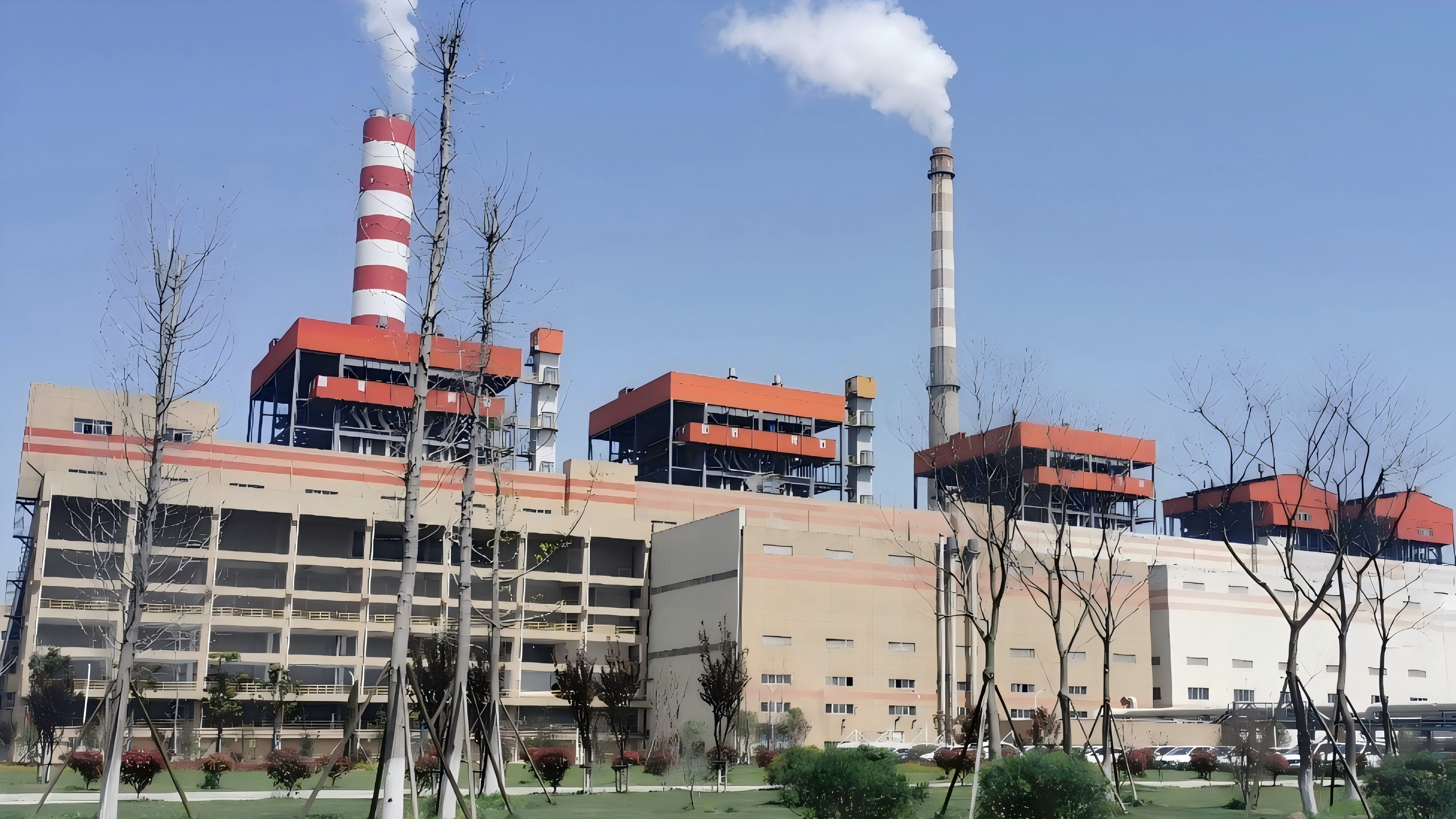
Heavy-duty CFB boilers stand out in cogeneration contexts because they address multiple technical and commercial priorities simultaneously. The technology enables efficient power and heat production while managing fuel flexibility and reducing operational constraints that limit traditional boiler designs. Understanding why these systems dominate large-scale cogeneration requires examining their technical advantages, operational capabilities, and long-term economic value.
Superior Fuel Flexibility and Feed Characteristics
Handling Diverse Fuel Types
Circulating fluidized bed combustion technology excels at accepting a wide range of fuel sources, from bituminous coal to biomass, petcoke, and waste-derived fuels. This flexibility is critical for large cogeneration projects because it reduces feedstock procurement risk and allows operators to capitalize on favorable market opportunities. Traditional grate-fired boilers impose strict fuel specifications, limiting operational choices and creating supply chain vulnerabilities.
The fluidized bed environment maintains uniform combustion temperatures across the furnace, enabling consistent thermal performance even when fuel properties fluctuate. A well-designed circulating fluidized bed combustion system tolerates moisture content variations, ash composition changes, and sulfur content differences that would destabilize conventional combustion. This resilience translates directly into improved boiler efficiency optimization across varying operational seasons and market conditions.
Lower Moisture and Ash Sensitivity
Unlike pulverized coal systems, CFB boiler designs tolerate higher moisture and ash fuels without significant efficiency penalties. This characteristic expands the available feedstock universe and reduces preprocessing costs. The bed material participates actively in combustion, heating the incoming fuel while simultaneously absorbing combustion energy, which promotes stable low-temperature burning and improves overall system performance.
Environmental Compliance and Emissions Control
Integrated Coal Fired Boiler Emissions Control
Coal fired boiler emissions control represents a primary driver for CFB adoption in new cogeneration facilities. The combustion process operates at 800 to 900 degrees Celsius, significantly lower than conventional pulverized coal combustion. This cooler burning environment naturally suppresses NOx formation, the key nitrogen oxide pollutant. Simultaneous limestone injection within the bed directly captures SO2, eliminating the need for expensive downstream scrubbing systems.
The integrated emissions control approach reduces capital expenditure while improving system reliability. Fewer auxiliary pollution control devices mean fewer potential failure points and simpler maintenance protocols. Heavy-duty CFB boiler installations consistently achieve emissions profiles that exceed current regulatory standards in North America, Europe, and Asia, providing project developers with robust compliance margins.
Particulate Matter and Mercury Reduction
The circulating fluidized bed combustion process naturally reduces fine particulate formation compared to pulverized coal methods. The bed inventory provides a large surface area for carbon burnout, and the cyclone separator efficiently captures mineral ash. Mercury and other trace metals bind to fly ash particles, which the emission control equipment captures before stack discharge. This comprehensive approach to coal fired boiler emissions control eliminates multiple pollutants in a single integrated system.
Boiler Efficiency Optimization and Thermal Performance
Enhanced Heat Transfer Mechanisms
Boiler efficiency optimization in CFB systems derives from multiple design features working synergistically. The circulating fluidized bed combustion mode creates vigorous mixing within the furnace, ensuring nearly complete fuel burnout while maximizing heat transfer to the water-cooled walls. The bed material circulates continuously, transporting heat from the hot furnace region to cooler areas, promoting thermal distribution efficiency. Dense phase combustion in the lower furnace combined with lean phase operation in the upper furnace enables efficient two-stage burning that maintains stable conditions across varying loads.
Typical CFB boiler installations achieve overall thermal efficiency ranging from 88 to 92 percent, with some advanced designs reaching 93 percent or higher. This performance substantially exceeds conventional grate-fired systems and approaches optimized pulverized coal efficiency while maintaining superior reliability margins. For cogeneration applications where both electricity and useful heat production matter, the efficiency advantage translates into measurable economic return on investment.
Load Flexibility and Part-Load Performance
Large cogeneration projects must adapt to varying electricity and thermal demands across daily and seasonal cycles. CFB boilers maintain stable combustion across wide load ranges, from 30 percent to 100 percent rated capacity, without efficiency degradation or operational instability. This load flexibility enables cogeneration plants to respond dynamically to district heating demands, industrial process requirements, and grid electricity pricing signals. The ability to vary load while maintaining boiler efficiency optimization prevents the forced shutdown cycles that plague less flexible designs.
FAQ
Why do large cogeneration projects specifically require a CFB boiler instead of other boiler types?
Large cogeneration projects demand systems that reliably produce both electricity and usable heat while managing fuel supply uncertainties and regulatory compliance. A CFB boiler delivers superior fuel flexibility, integrated emissions control, and stable part-load performance that other designs cannot match cost-effectively. The combination of boiler efficiency optimization, environmental compliance, and operational resilience makes circulating fluidized bed combustion the preferred choice for projects exceeding 50 MW thermal output.
How does circulating fluidized bed combustion achieve better emissions control than traditional coal fired boiler systems?
Coal fired boiler emissions control in CFB systems uses multiple integrated mechanisms rather than external add-on equipment. The lower combustion temperature naturally reduces NOx formation, limestone injection directly captures SO2 within the furnace, and the cyclone separator captures particulate matter before discharge. This comprehensive coal fired boiler emissions control approach eliminates multiple pollutants simultaneously while reducing capital cost and maintenance complexity compared to conventional systems requiring separate scrubbers and selective catalytic reduction units.
Can boiler efficiency optimization in a CFB system be sustained across varying operational loads?
Yes, boiler efficiency optimization remains stable across the operating range of a CFB system. The design characteristics of circulating fluidized bed combustion enable part-load operation from 30 percent to full capacity without the efficiency penalties seen in other designs. This consistent performance across varying loads is critical for cogeneration applications where thermal and electrical demands fluctuate with season and time of day, ensuring projects maintain economic competitiveness throughout their operational life.
Table of Contents
- Superior Fuel Flexibility and Feed Characteristics
- Environmental Compliance and Emissions Control
- Boiler Efficiency Optimization and Thermal Performance
-
FAQ
- Why do large cogeneration projects specifically require a CFB boiler instead of other boiler types?
- How does circulating fluidized bed combustion achieve better emissions control than traditional coal fired boiler systems?
- Can boiler efficiency optimization in a CFB system be sustained across varying operational loads?

