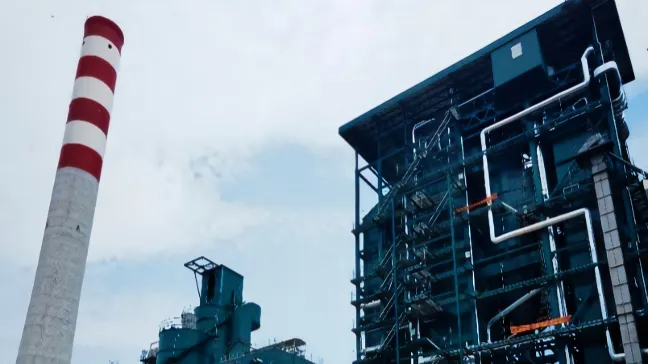
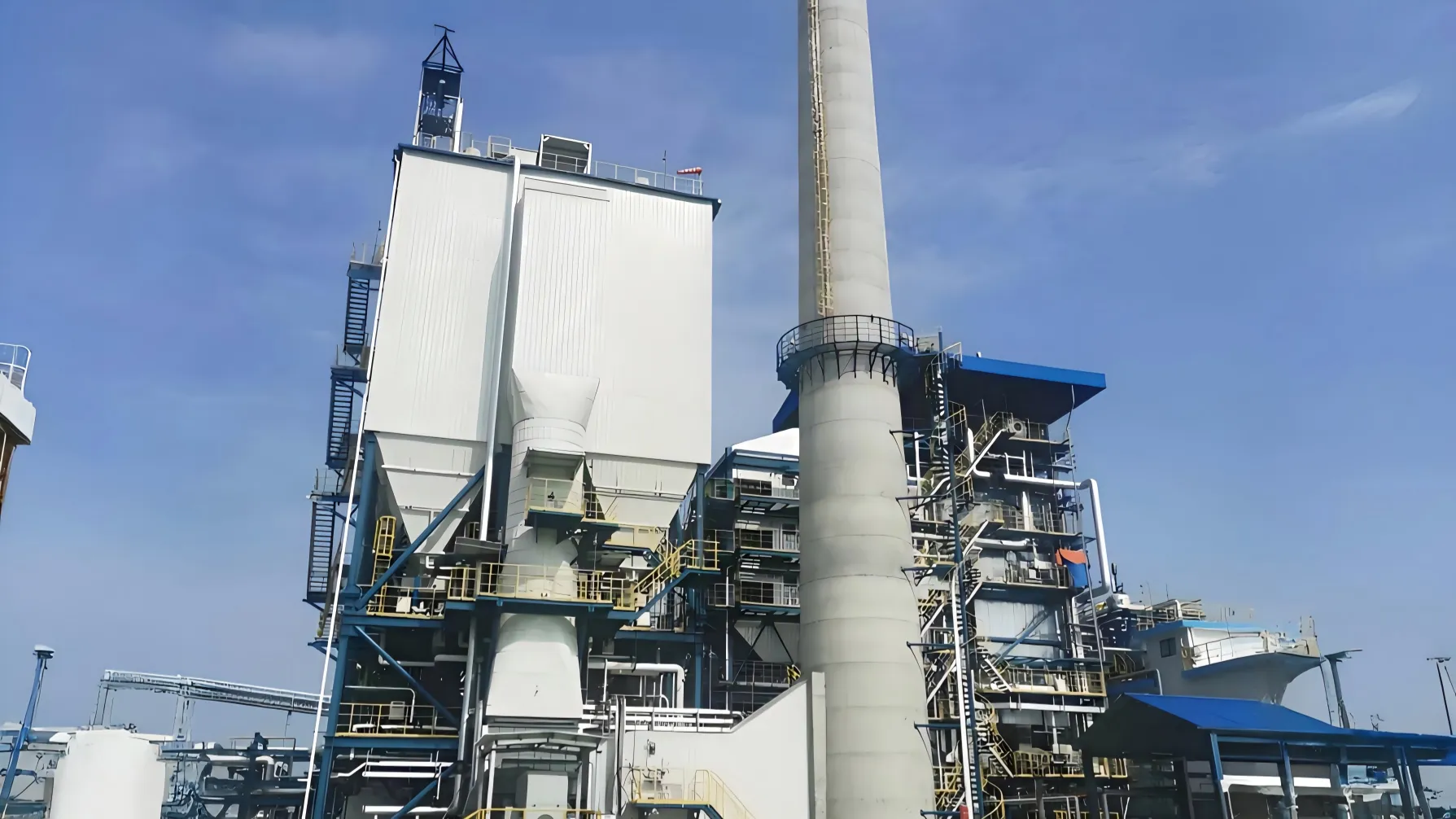
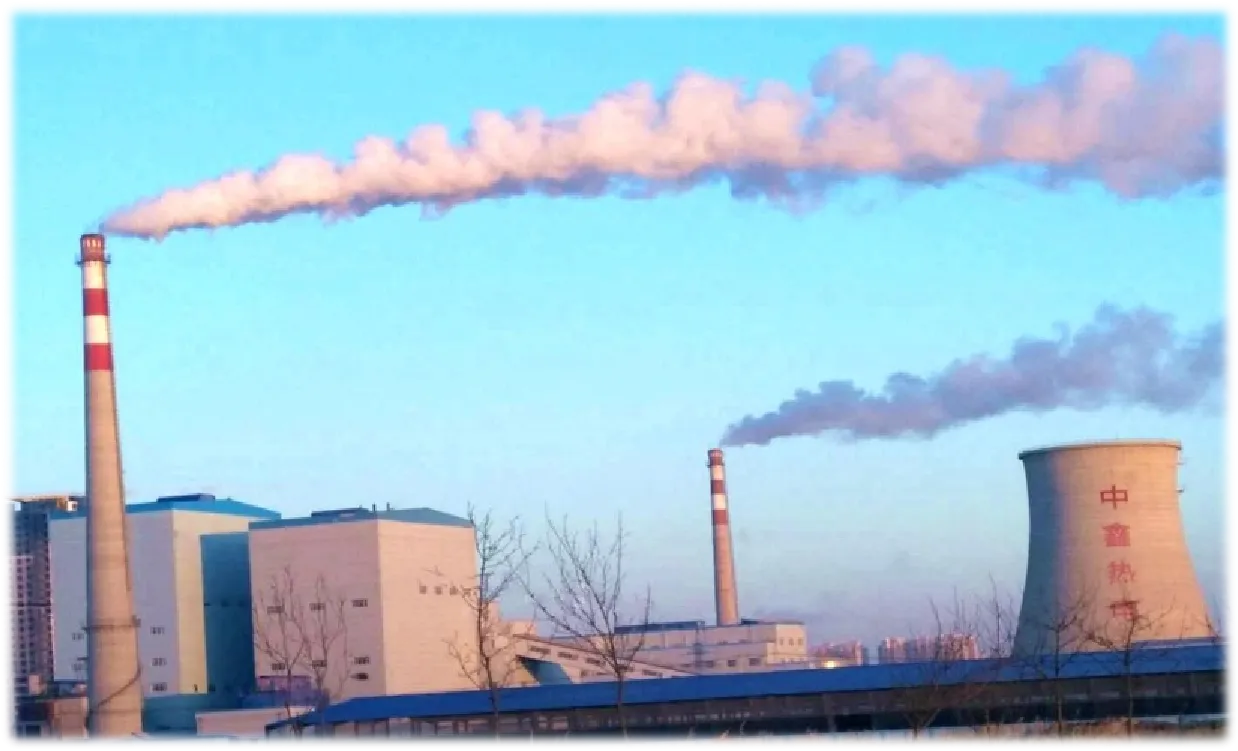
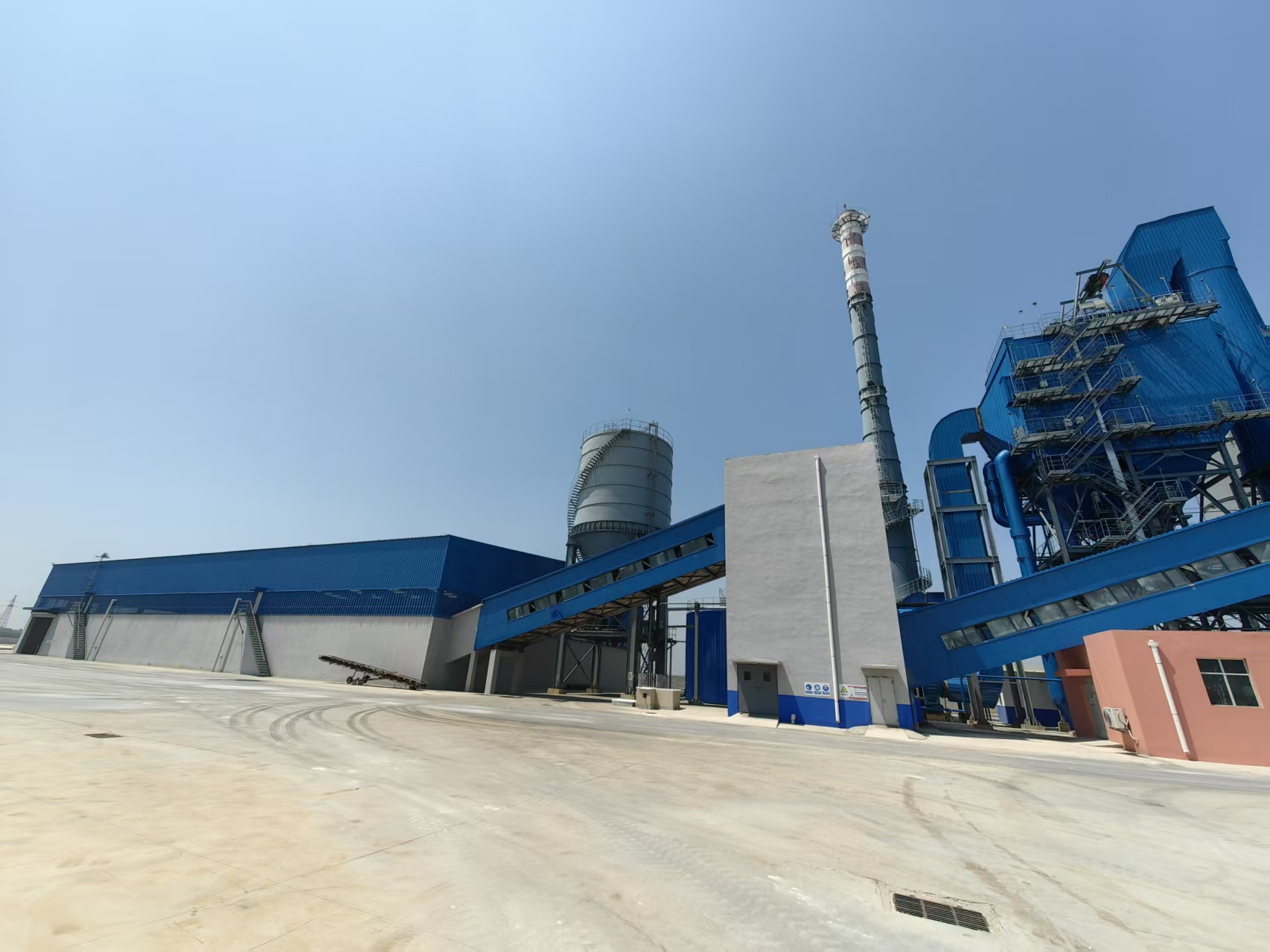
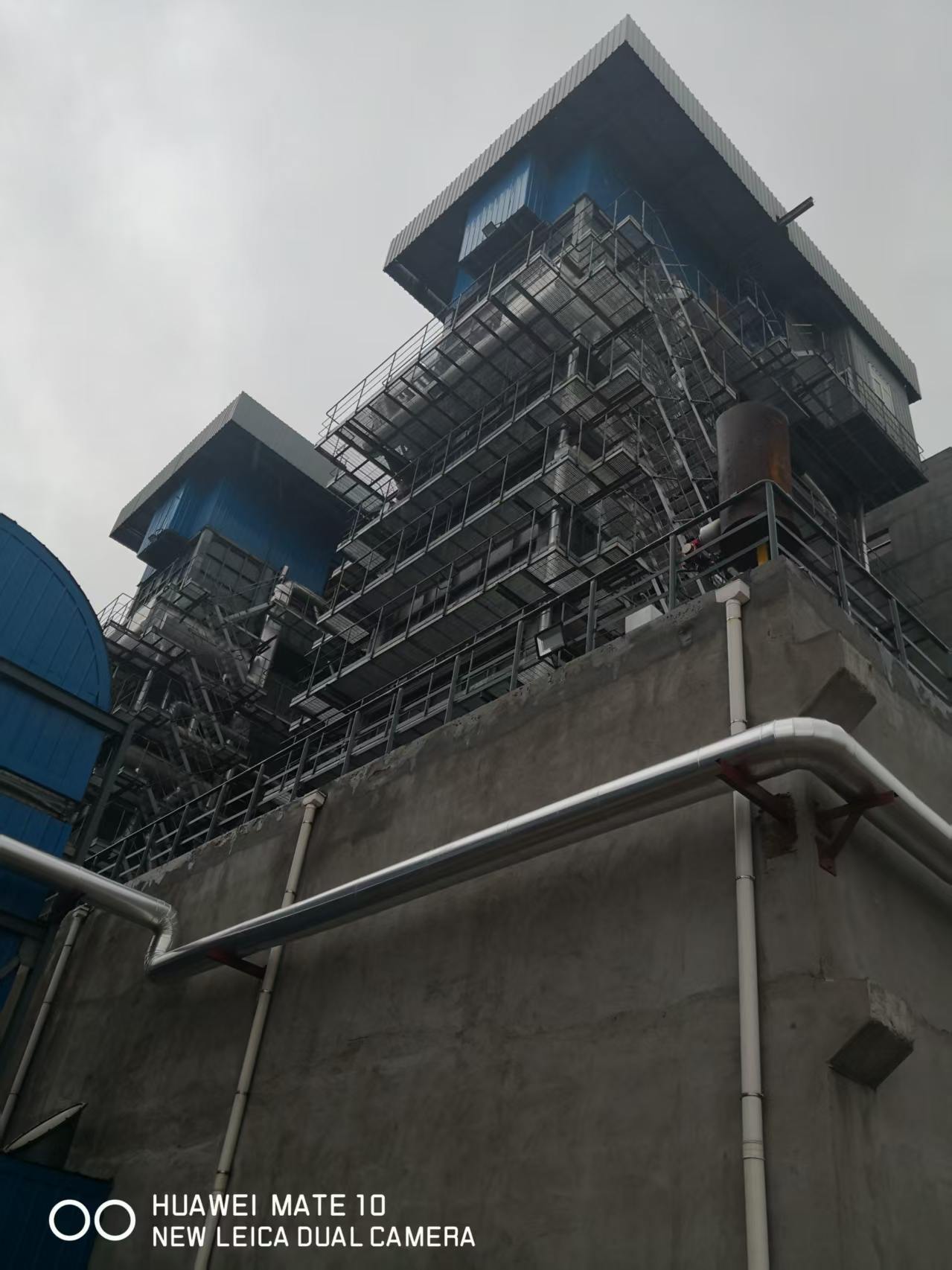
low emission cfb boiler
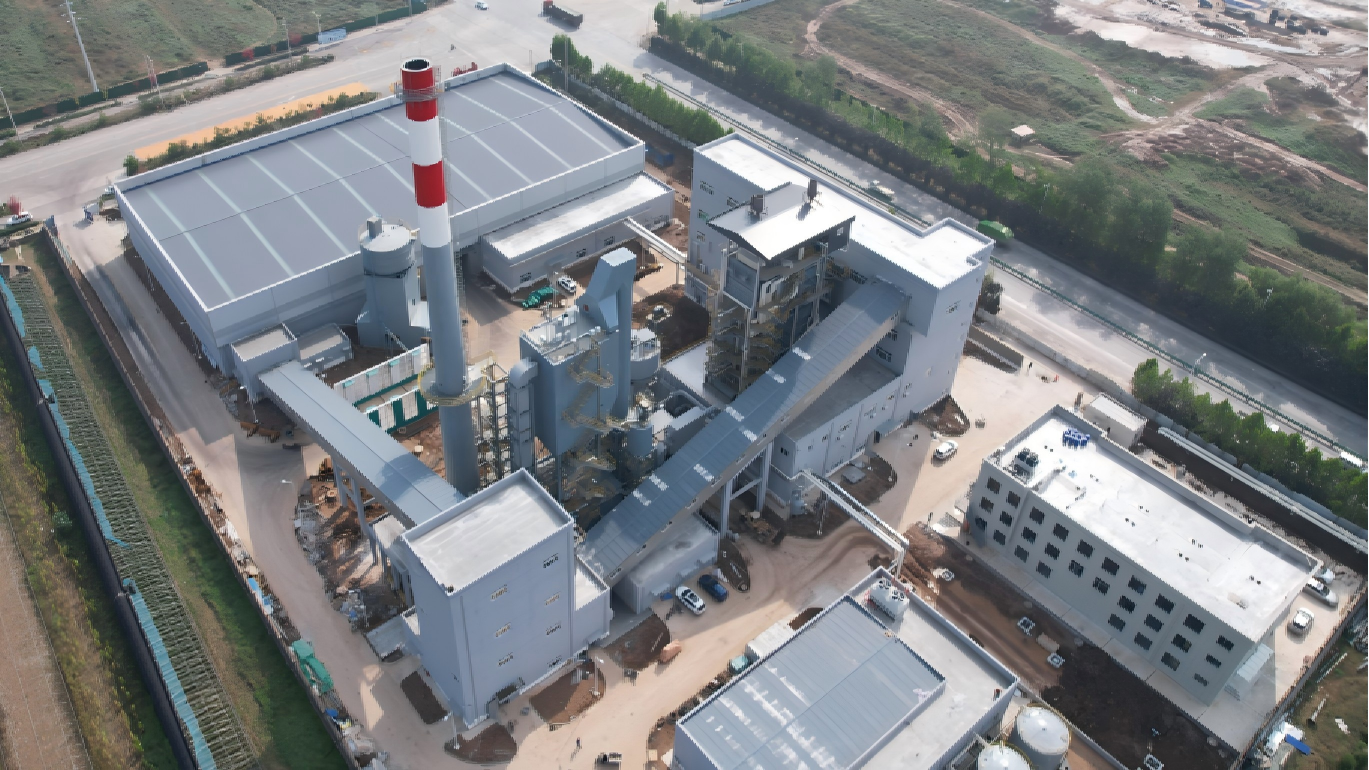
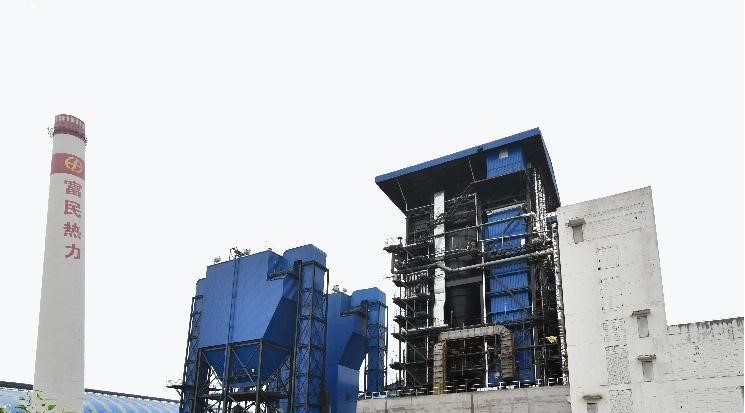
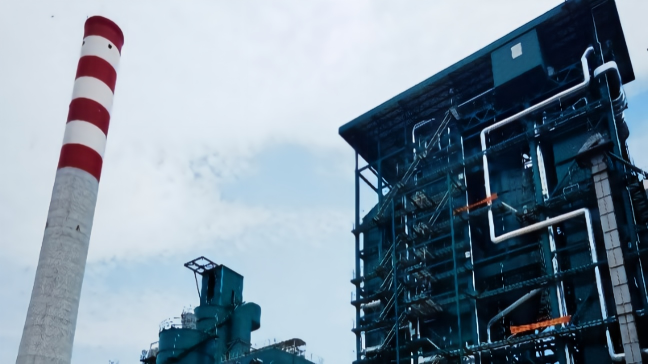
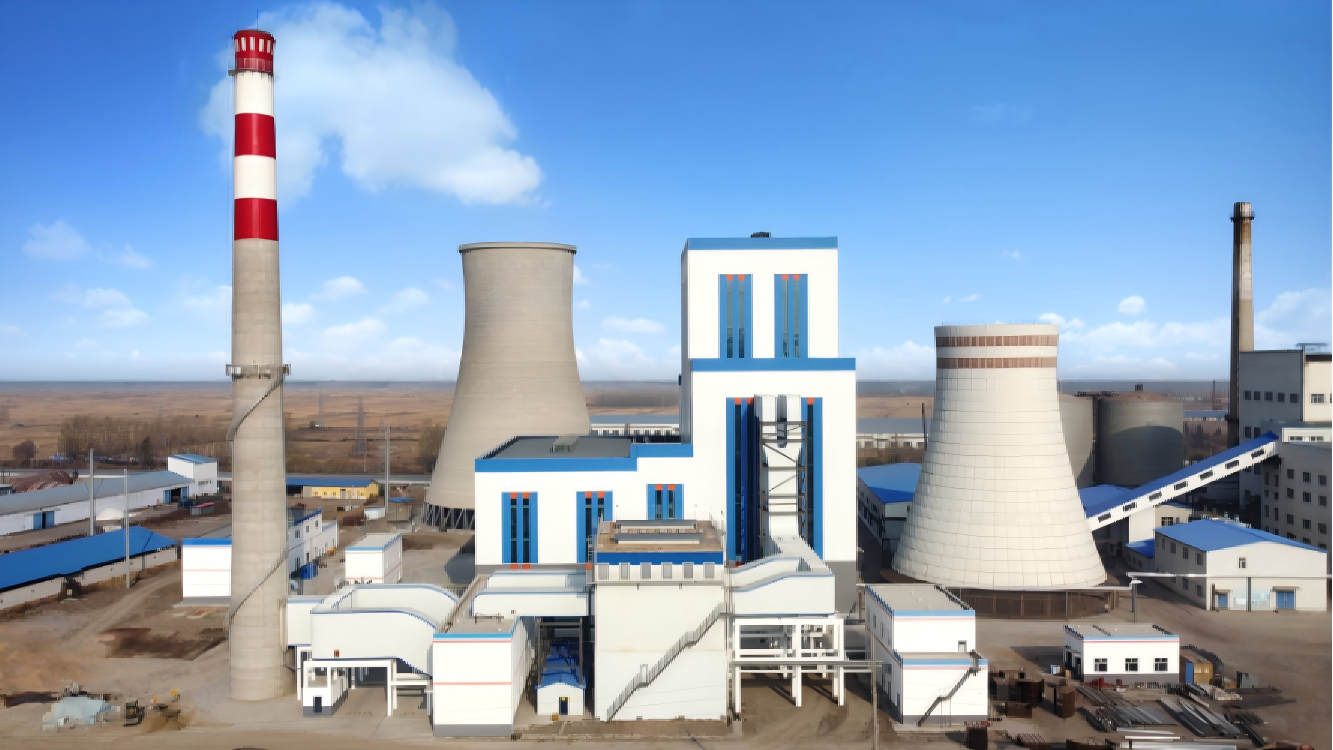
A low emission CFB boiler represents advanced combustion technology designed to burn fuel while significantly reducing harmful environmental pollutants. CFB stands for Circulating Fluidized Bed, a combustion method that enables efficient energy production with minimal emissions. The low emission CFB boiler operates by suspending fuel particles in an upward-moving air stream, creating optimal combustion conditions that maximize fuel utilization and minimize waste.
The primary function of a low emission CFB boiler is to generate steam and heat energy for industrial applications, power generation, and district heating systems. This boiler type excels at burning diverse fuel sources, including coal, biomass, and waste materials, making it exceptionally versatile for various industries. The low emission CFB boiler incorporates sophisticated emission control systems that capture pollutants before they enter the atmosphere.
Key technological features of the low emission CFB boiler include advanced bed material management, precise air distribution systems, and integrated desulfurization technology. These components work together to reduce sulfur dioxide, nitrogen oxide, and particulate matter emissions below regulatory standards. The low emission CFB boiler maintains consistent operating temperatures, typically between 840 and 900 degrees Celsius, which promotes complete fuel combustion and stable energy output.
Applications for the low emission CFB boiler span multiple industries, including power plants, chemical manufacturing, food processing, and waste-to-energy facilities. Its ability to handle challenging fuels while maintaining environmental compliance makes this technology particularly valuable in regions with strict emission regulations and sustainability requirements.

 EN