
 EN
EN



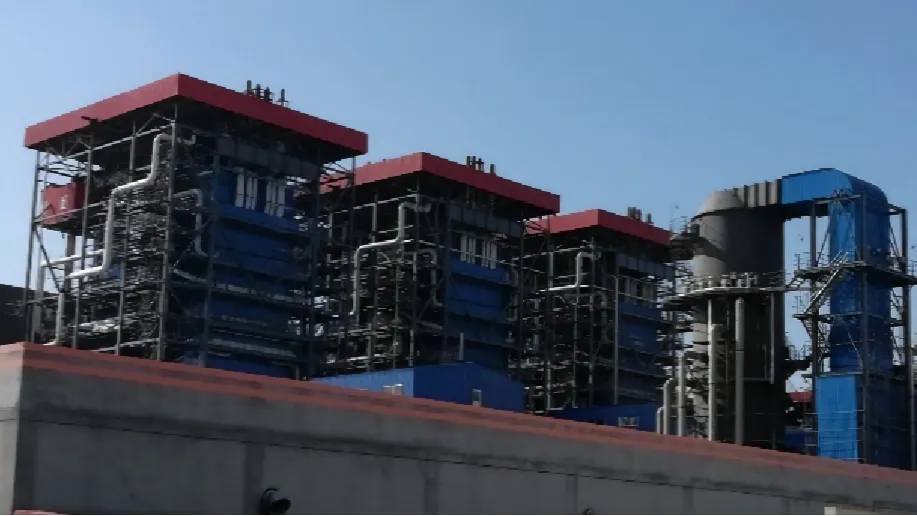
Oxygen distribution challenges represent one of the most critical operational issues affecting industrial boiler performance and energy efficiency. In a cfb boiler, proper air supply regulation directly impacts combustion quality, fuel consumption rates, and environmental compliance. When oxygen reaches the combustion zone unevenly, you experience incomplete fuel burning, higher emissions, reduced steam production, and accelerated equipment wear. Understanding the root causes of oxygen distribution problems and implementing systematic troubleshooting procedures helps operators maintain reliable performance and extend boiler lifespan.
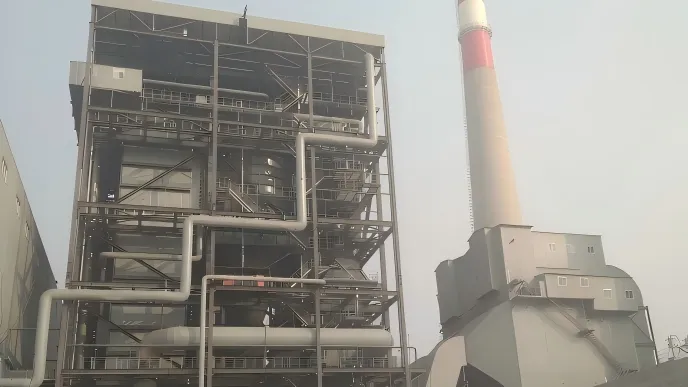
Circulating fluidized bed combustion systems depend on precise air distribution to maintain bed temperature uniformity and maximize combustion efficiency. Oxygen enters through multiple ports along the furnace walls, and any blockage, flow imbalance, or pressure fluctuation disrupts the combustion process. Operators must recognize early warning signs such as temperature stratification, incomplete ash burnout, excessive particulate emissions, and fluctuating furnace pressure. By learning to diagnose these symptoms quickly, you can prevent costly operational downtime and maintain cfb boiler efficiency at rated levels.
Identifying Root Causes of Oxygen Distribution Problems
Air Supply System Obstruction
Blockages in air ducts, distribution tubes, and combustion air ports represent the most common cause of uneven oxygen flow into the furnace. Dust accumulation, corrosion deposits, and debris from incomplete air filtration progressively restrict passage cross-sections. In circulating fluidized bed combustion, even partial blockage creates pressure differential across feed points, causing some areas of the bed to receive insufficient oxygen while others become oversaturated. Regular inspection of air piping using borescope cameras and ultrasonic thickness testing identifies developing obstructions before they compromise combustion uniformity.
Pressure Balance Issues
Secondary and primary air fans must maintain stable outlet pressures to deliver consistent oxygen flow across all distribution points. Bearing wear, fan blade erosion, damper misalignment, and motor speed drift all contribute to pressure fluctuation and uneven air delivery. When primary air pressure drops, the bed temperature zones closest to weak feed points fall below optimal combustion range, leaving fuel partially burned. Monitoring air supply pressure continuously using differential pressure transmitters allows cfb boiler maintenance personnel to detect pressure decay early and schedule corrective repairs before efficiency losses accumulate.
Systematic Troubleshooting Methods for CFB Boiler Efficiency
Temperature Mapping and Bed Assessment
Deploy thermocouples or infrared imaging across the furnace cross-section to create detailed temperature profiles showing oxygen distribution patterns. Cold zones typically indicate oxygen starvation, while hot spots suggest localized excess air. In a circulating fluidized bed combustion system, temperature readings should remain within two to three percent variation across the bed width. Comparing current temperature maps against baseline profiles established during commissioning reveals whether oxygen distribution has degraded over time. This diagnostic approach directly correlates combustion efficiency gains with specific remedial actions on the cfb boiler.
Flue Gas Emission Analysis
Continuous oxygen sensors mounted in the furnace outlet measure unreacted O₂ levels, while carbon monoxide detectors identify incomplete combustion resulting from localized oxygen deficiency. Excessive CO emissions combined with low O₂ readings signal inadequate oxygen supply to certain furnace zones. Standard circulating fluidized bed combustion requires flue gas oxygen concentration between three and eight percent for complete fuel oxidation. When oxygen distribution becomes uneven, emissions oscillate outside this target range, triggering alarms and indicating that air flow rebalancing is necessary to restore efficiency and compliance.
Practical Solutions and Recovery Steps
Air Port Cleaning and Restoration
Chemical cleaning solutions designed for high-temperature ash removal safely restore clogged oxygen distribution ports without dismantling the boiler. Circulating fluidized bed combustion systems benefit from offline air supply duct flushing with compressed air or nitrogen followed by chemical solvents targeting specific deposit types. After cleaning, cfb boiler efficiency typically recovers by two to five percent as oxygen reaches all combustion zones uniformly. Visual inspection through inspection ports confirms complete blockage removal before restarting the system. Implementing quarterly preventive cleaning cycles extends the interval between major maintenance events and maintains oxygen distribution integrity.
Fan Performance Verification and Adjustment
Test primary and secondary air fan bearings for excessive play using dial indicators, measure motor amperage against nameplate ratings, and verify damper blade freedom of movement. Bearing replacement, blade restoration through welding and grinding, and damper hinge lubrication restore fan output pressure and flow consistency. Recalibrate air flow control loops after fan service to ensure automatic damper adjustments maintain target oxygen levels across varying boiler loads. For circulating fluidized bed combustion systems running at partial load, air distribution becomes even more sensitive to fan performance drift, requiring frequent verification that all feed ports receive proportional oxygen supply. Restoring fan performance directly improves cfb boiler efficiency and stabilizes combustion throughout the operating range.
FAQ
What symptoms indicate oxygen distribution problems in my cfb boiler?
Watch for temperature zones colder than surrounding areas, visible carbon deposits in ash discharge, rising carbon monoxide emissions, fluctuating bed pressure, and reduced steam output despite stable fuel input. In a circulating fluidized bed combustion system, these indicators collectively point to uneven oxygen supply requiring immediate investigation. CFB boiler maintenance personnel should compare current operating parameters against commissioning baseline data to quantify performance degradation.
How often should I perform oxygen distribution maintenance?
Schedule preventive air port inspections every quarter and comprehensive cleaning every one to two years depending on fuel type and ash characteristics. Circulating fluidized bed combustion systems burning high-ash fuels benefit from more frequent maintenance intervals. Monitoring continuous oxygen sensor readings helps determine whether cfb boiler efficiency degradation justifies unplanned maintenance between scheduled intervals, allowing condition-based decision making rather than fixed calendar scheduling.
Can oxygen distribution problems damage equipment permanently?
Prolonged oxygen starvation causes corrosion of steel surfaces exposed to incomplete combustion byproducts and accelerates erosion of refractory linings through temperature cycling. Circulating fluidized bed combustion systems suffering from poor oxygen distribution experience premature tube wear and bundle thinning. CFB boiler efficiency losses also accumulate higher fuel costs that quickly exceed repair expenses, making early problem resolution economically justified for long-term asset protection.

