
 EN
EN



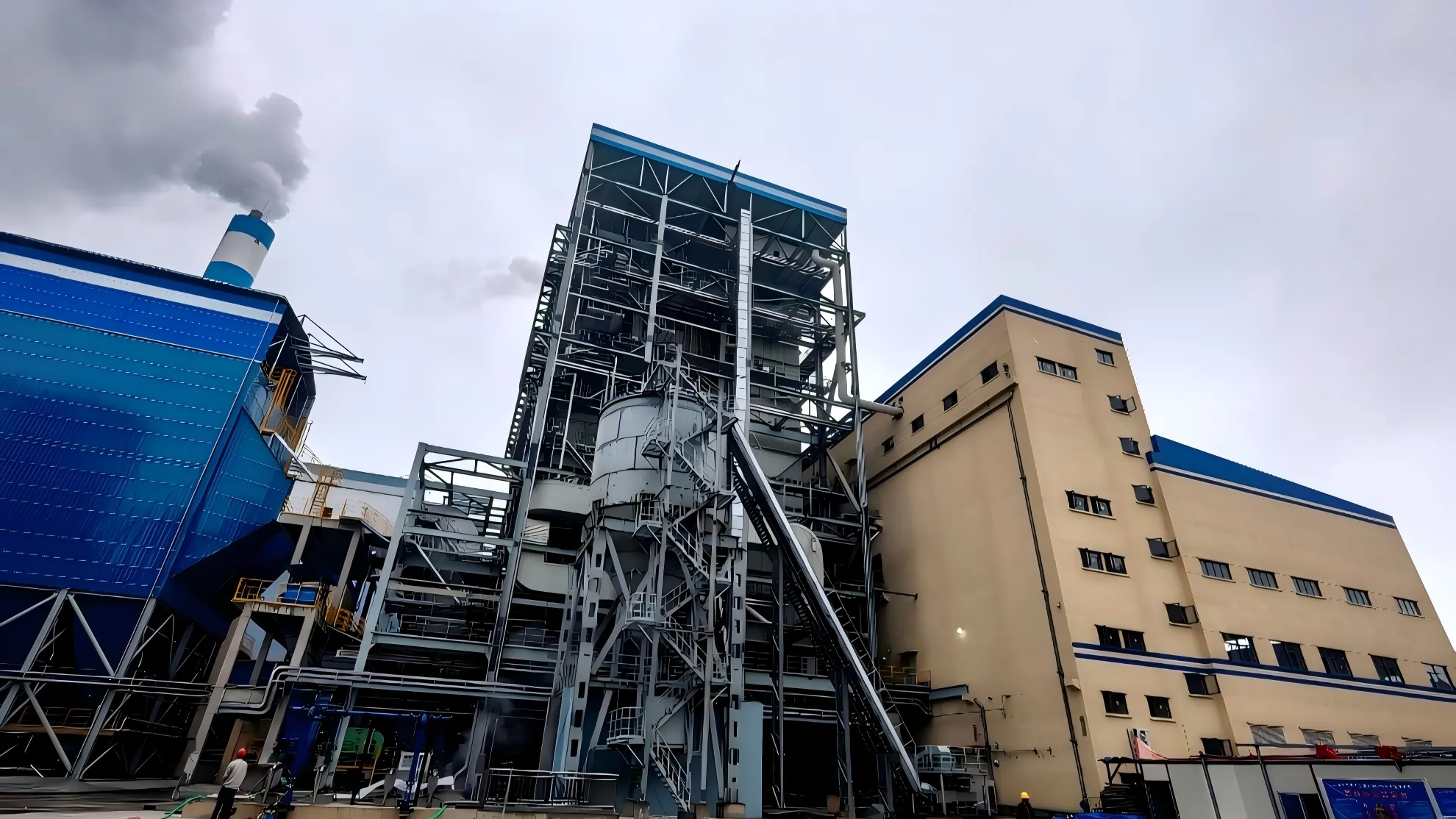
A cfb boiler system represents a significant capital investment for industrial power generation and thermal energy production. Whether operating on coal, biomass, or waste fuel, the reliability of your circulating fluidized bed combustion system directly impacts operational efficiency, maintenance costs, and revenue continuity. Understanding which spare parts are vital to stock ensures your facility can respond quickly to component failures and avoid costly production interruptions.
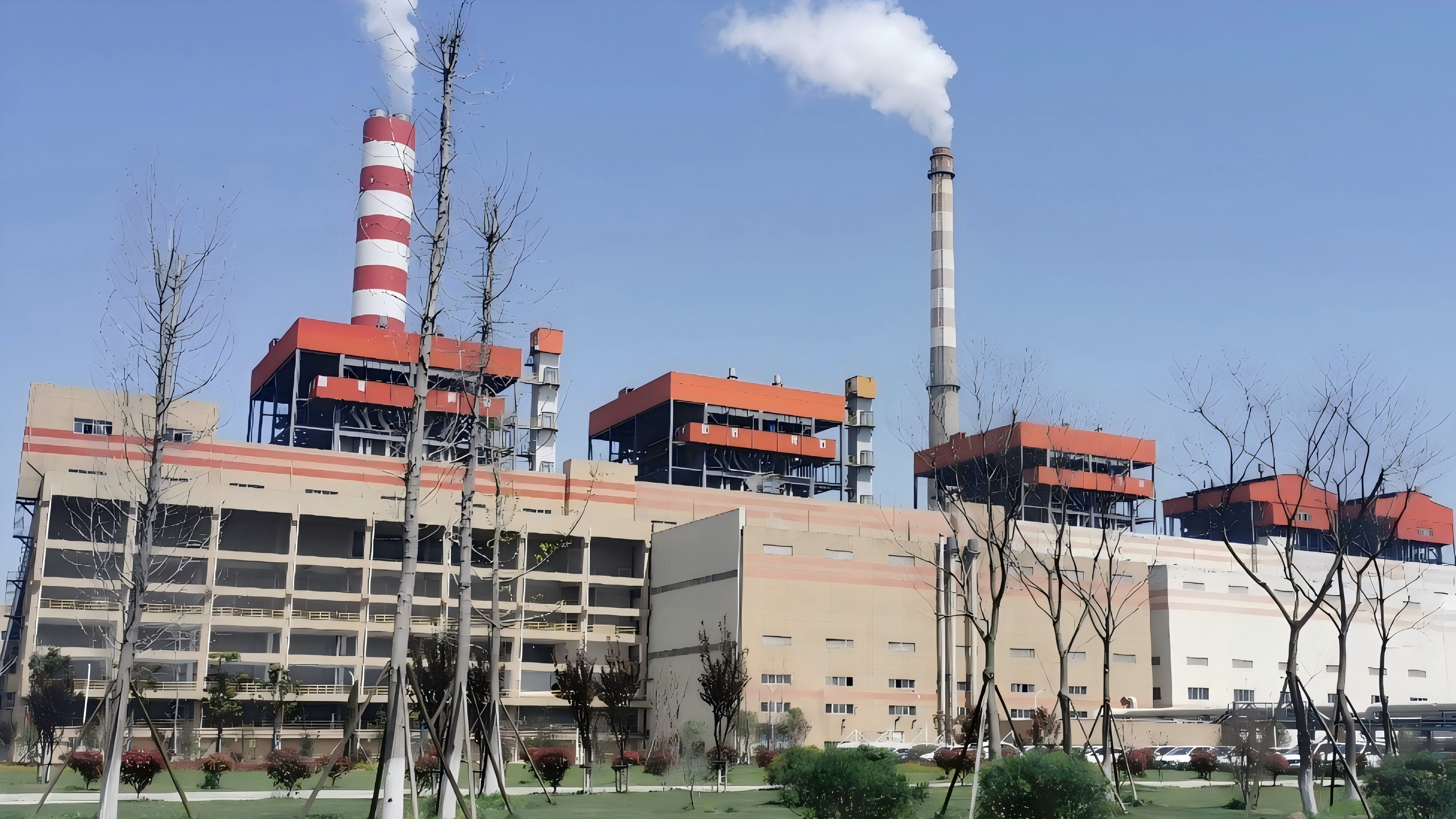
Establishing a strategic spare parts inventory for circulating fluidized bed combustion equipment requires detailed knowledge of component wear rates, failure patterns, and procurement lead times. The cost of storing spare parts is always significantly lower than the cost of unplanned downtime, equipment damage, or emergency expedited shipping. This guide identifies the most critical components your facility should maintain in stock.
High-Wear Combustion Components
Cyclone Separators and Ducts
Cyclone separators are fundamental to circulating fluidized bed combustion performance, directing solids and gases with extreme efficiency. However, abrasive particle flow and thermal cycling cause cyclone liner erosion over time. Stocking replacement cyclone internals, gaskets, and connecting ducts reduces repair time significantly. The high temperature and velocity environment inside cyclones demands materials engineered to resist both mechanical wear and thermal stress, making proper replacements essential for maintaining biomass boiler efficiency.
Fuel Supply System Components
Fuel feeder mechanisms, screw conveyors, and distribution systems experience continuous operational stress. Coal fired power plant emissions regulations often require precise fuel metering, making feeder performance critical. Stock replacement fuel feeder screws, bearings, and drive shafts to prevent unplanned shutdowns. Worn feeders cause uneven fuel distribution, reducing combustion efficiency and increasing coal fired power plant emissions, while also degrading overall system performance and efficiency metrics.
Refractory and Heat Transfer Surfaces
Boiler Tube and Membrane Wall Materials
The cfb boiler's membrane walls and boiler tubes endure direct flame contact, thermal fatigue, and corrosive ash attack. Stock high-quality replacement tubes compatible with your specific boiler design and operating conditions. Biomass boiler efficiency depends partly on maintaining clean, unobstructed heat transfer surfaces. Keep spare membrane panels, tube bends, and welded assemblies ready for rapid replacement during scheduled or emergency maintenance.
Refractory Lining Systems
Refractory materials protect the cfb boiler's structural shell from extreme temperatures and corrosive ash. Dense and lightweight refractory blocks, castables, and ceramic fiber liners degrade gradually from thermal cycling and chemical attack. Stock replacement refractory bricks, high-temperature mortars, and installation materials specific to your boiler's design. Properly maintained refractory linings preserve structural integrity, extend boiler lifespan, and maintain optimal circulating fluidized bed combustion conditions for reliable biomass boiler efficiency.
Emission Control and Air System Elements
Baghouse Filters and Particulate Removal
Modern cfb boiler systems include baghouse or electrostatic precipitator systems to reduce coal fired power plant emissions. Replacement filter bags represent consumable components requiring frequent inventory replenishment. Stock multiple complete filter sets matching your baghouse specifications. Clogged filters restrict airflow, reduce combustion efficiency, and increase emissions. Spare cages, cleaning tubes, and dampers should also be maintained for emergency repairs that prevent extended downtime during peak operating seasons.
Air Preheater and Heat Recovery Sections
Air preheaters improve circulating fluidized bed combustion efficiency by recovering waste heat from exhaust gases. Rotating plates, bearing assemblies, and seal systems experience gradual wear and fouling from ash accumulation. Maintain spare seal kits, bearing sets, and replacement plate sections to sustain optimal airflow and heat transfer. A failing air preheater reduces both combustion efficiency and overall system performance, directly impacting your facility's ability to meet performance benchmarks and environmental compliance standards for coal fired power plant emissions.
Instrumentation and Control Systems
Pressure Transmitters and Temperature Sensors
Accurate measurement of combustion pressure, temperature, and flow rates is essential for safe cfb boiler operation. Industrial sensors operating in harsh conditions experience drift, fouling, and failure. Stock replacement pressure transmitters, thermocouples, and specialized sensors matched to your system specifications. Sensor failures can trigger false alarms, reduce operational control precision, and prevent operators from maintaining optimal circulating fluidized bed combustion parameters. Quick sensor replacement maintains safety, efficiency, and operator confidence in system performance.
Valve and Damper Assemblies
Isolation valves, check valves, control dampers, and air regulation devices manage fluid flow throughout the cfb boiler system. These components experience thermal stress, vibration, and erosion from particle impact. Maintain spare valve bodies, damper plates, actuators, and sealing components readily available. A stuck valve or failed damper can disrupt fuel balance, reduce biomass boiler efficiency, or trigger emergency shutdowns. Strategic spare inventory prevents cascading failures and keeps your circulating fluidized bed combustion system operating at design capacity.
FAQ
How often should a cfb boiler require major component replacement?
Component replacement frequency depends on fuel type, operating temperature, and maintenance quality. Cyclone liners and refractory typically require inspection every 12 to 24 months. Boiler tubes and membrane walls may last 5 to 10 years depending on corrosion rates and circulating fluidized bed combustion conditions. High-wear items like feeder screws and gaskets may need annual replacement. Establishing a predictive maintenance program with condition monitoring helps optimize spare parts inventory and prevents emergency outages.
What factors influence biomass boiler efficiency during spare parts selection?
Using OEM-certified replacement components ensures compatibility, durability, and compliance with original design specifications. Substandard spare parts can reduce heat transfer efficiency, increase coal fired power plant emissions, and shorten component lifespan. Quality refractory linings, clean boiler tubes, and properly functioning air preheaters directly preserve biomass boiler efficiency. Investing in authentic spare parts for your circulating fluidized bed combustion system protects long-term operational performance and environmental compliance.
How can spare parts inventory reduce coal fired power plant emissions?
Well-maintained components ensure optimal circulating fluidized bed combustion conditions, which directly minimizes incomplete combustion and reduces coal fired power plant emissions. Clean cyclones, functioning particulate filters, and accurate sensors maintain precise fuel and air balance. Reliable sensor systems and dampers allow operators to sustain ideal combustion parameters that reduce NOx, particulates, and other pollutants. Rapid replacement of worn components through adequate spare parts inventory prevents degradation-driven emissions spikes and supports consistent environmental compliance throughout the cfb boiler's operating life.

