biomass system cost
Understanding biomass system cost is essential for organizations considering renewable energy solutions. A biomass system represents an innovative approach to energy generation by converting organic materials into usable power and heat. The biomass system cost encompasses equipment, installation, maintenance, and operational expenses that businesses must evaluate before implementation.
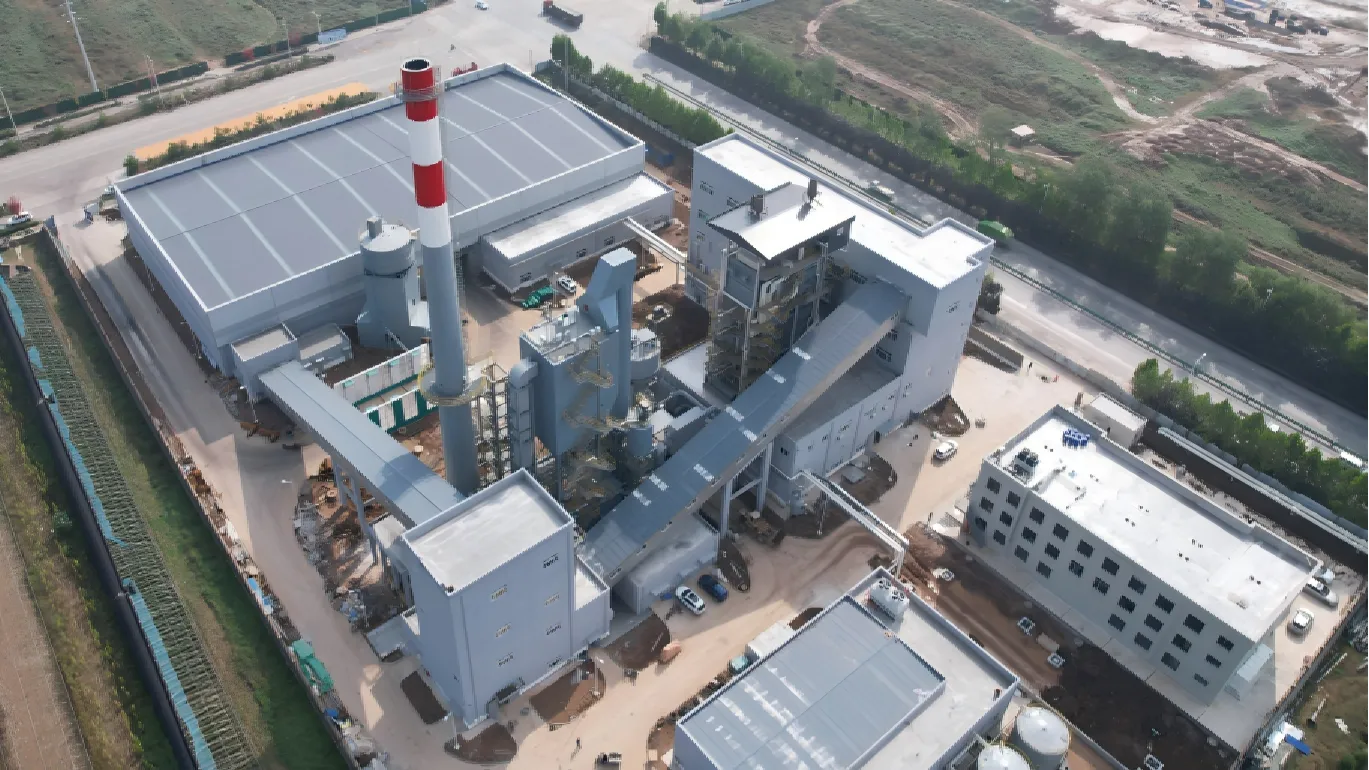
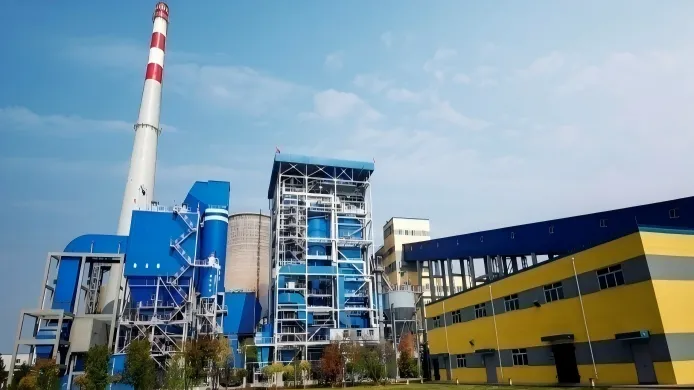
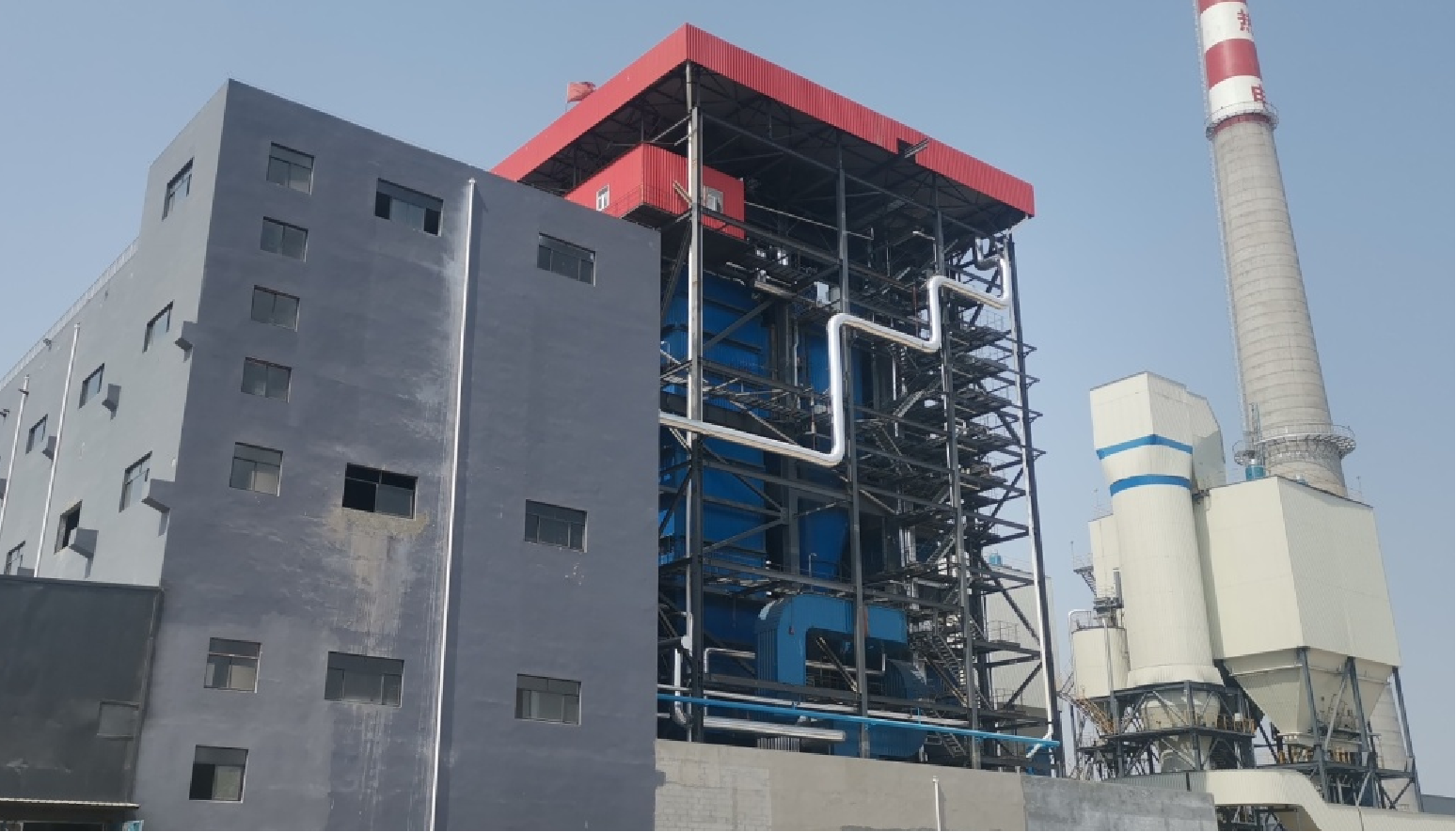
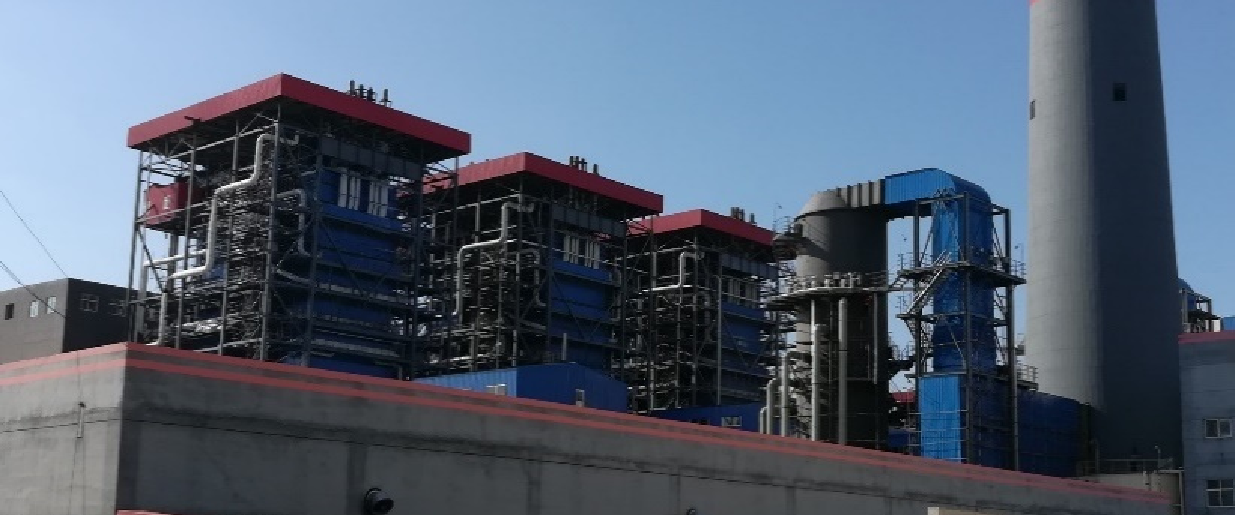
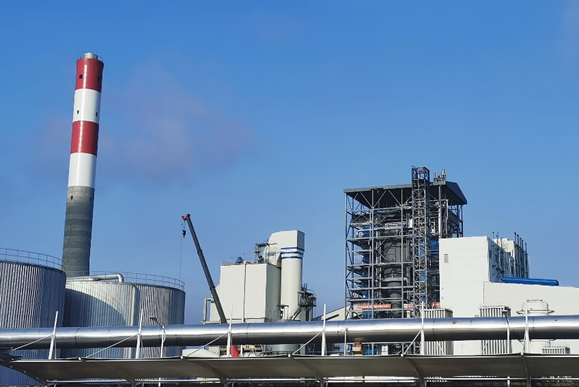
Biomass systems function by combusting or converting organic waste materials such as wood chips, agricultural residues, and other renewable resources into thermal or electrical energy. These systems include boilers, combustors, and energy conversion equipment designed for efficient fuel processing. The technological features of modern biomass system cost calculations incorporate automation, emission controls, and monitoring systems that optimize performance while maintaining environmental compliance.
Applications for biomass system cost considerations span multiple industries. Manufacturing facilities utilize these systems for process heating, while educational institutions and commercial buildings implement them for space heating and hot water production. Agricultural operations leverage biomass technology to process waste materials productively. Industries seeking to reduce energy expenses and carbon footprints increasingly examine biomass system cost as a viable investment. The total biomass system cost varies significantly based on system size, fuel source availability, facility infrastructure, and regional installation rates. Understanding these cost factors enables informed decision-making for sustainable energy transitions.

 EN