
 EN



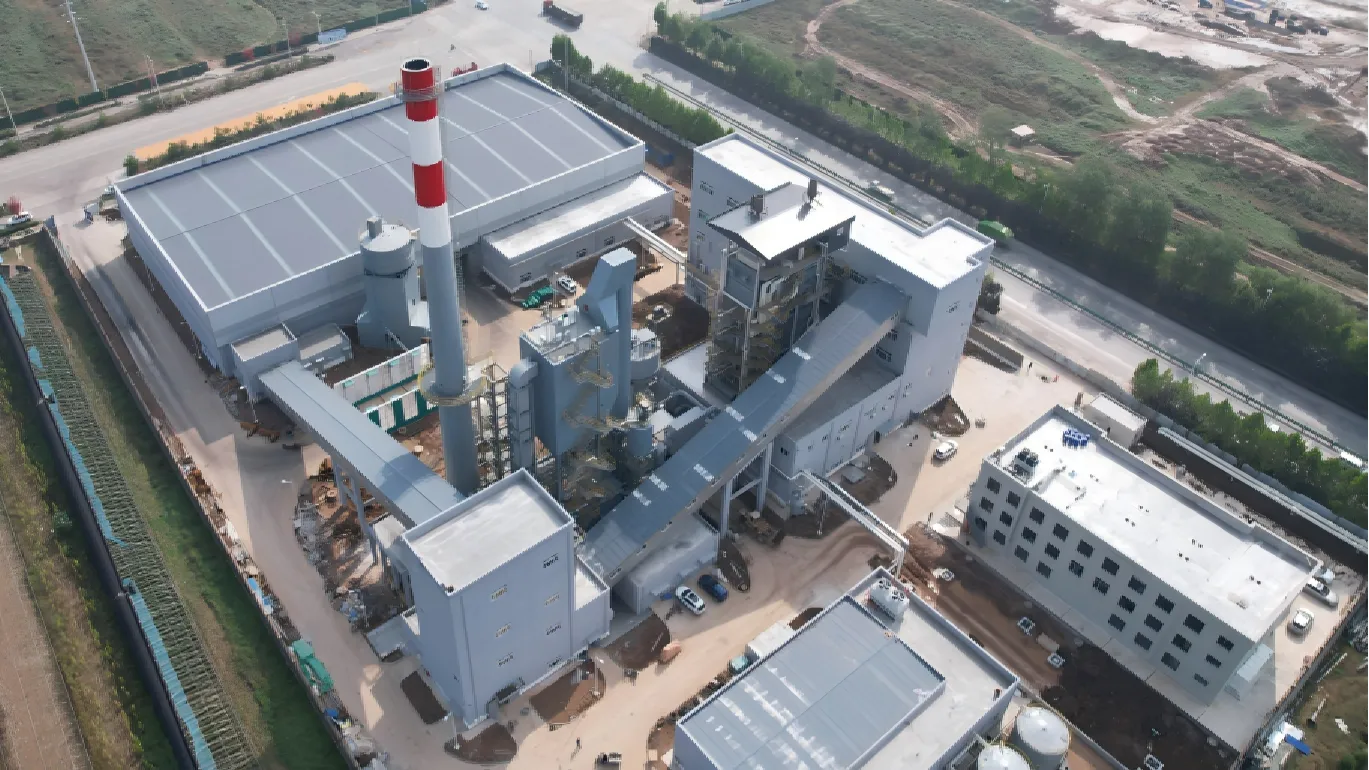
A circulating fluidized bed loop represents one of the most sophisticated thermal conversion systems in modern industrial applications. Understanding the key indicators of a healthy circulating fluidized bed operation is critical for operators, engineers, and facility managers who depend on consistent, efficient performance. A well-functioning system delivers superior combustion efficiency, extended equipment lifespan, and reduced operational costs. Recognizing the signs of optimal performance versus early warning indicators can mean the difference between smooth operations and costly shutdowns.
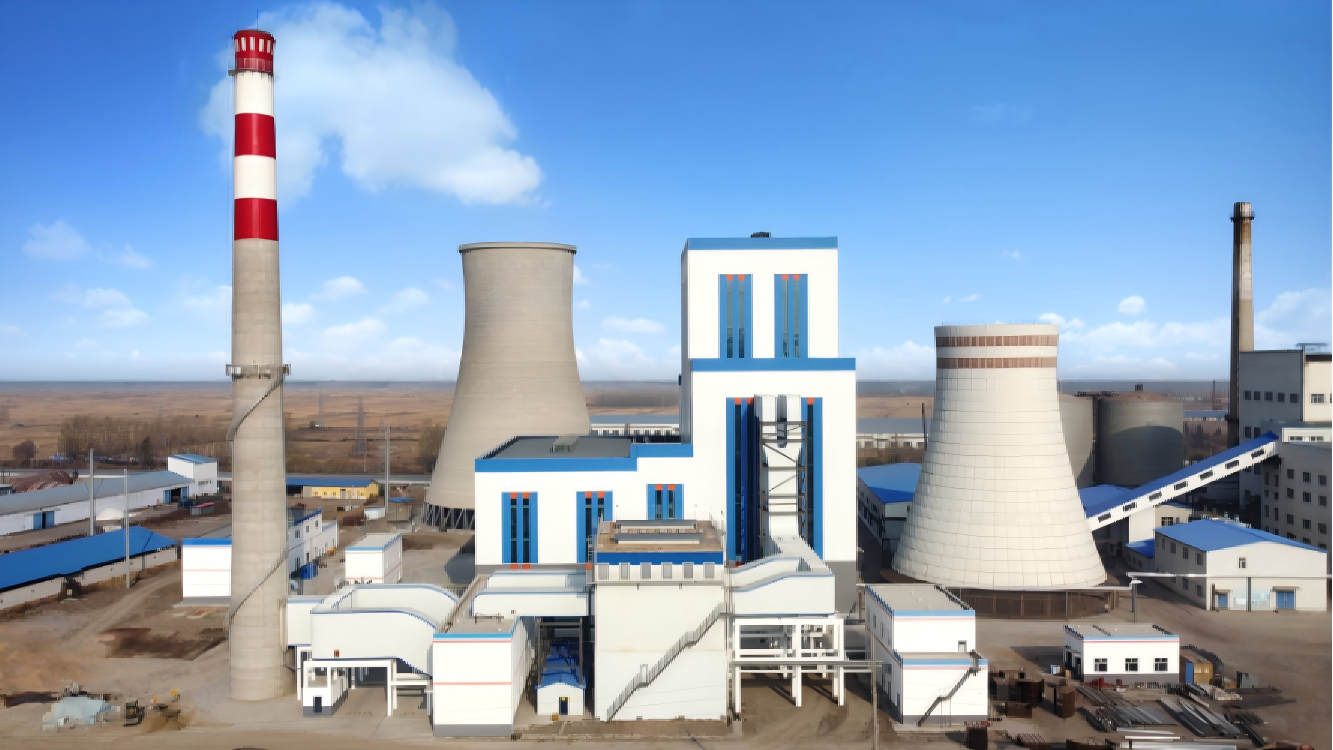
The health of a circulating fluidized bed boiler depends on multiple interconnected factors that work together to maintain stable combustion, efficient heat transfer, and minimal emissions. Fluidized bed combustion relies on a careful balance of air velocity, particle distribution, temperature control, and fuel characteristics. Each of these elements produces measurable indicators that reveal whether the system operates optimally or requires attention. By learning to identify these indicators early, operators can prevent performance degradation and maintain peak efficiency throughout the year.
Temperature Profile and Stability
Maintaining Consistent Combustion Temperature
Temperature represents one of the most critical indicators in a fluidized bed reactor design. In a healthy circulating fluidized bed system, combustion temperature should remain stable within a narrow band, typically between 750 and 900 degrees Celsius depending on fuel type and system design. Sudden temperature spikes indicate incomplete combustion or excessive air supply, while temperature drops signal insufficient fuel or poor air mixing. Consistent temperature readings across multiple measurement points throughout the bed demonstrate that the circulating fluidized bed loop maintains uniform conditions. This uniformity ensures complete combustion of fuel, maximizes heat recovery, and minimizes unburned carbon loss.
Temperature Variation and Stratification
A healthy fluidized bed combustion process should show minimal temperature variation between the freeboard and the dense phase. When temperature stratification becomes pronounced, it often indicates poor particle circulation or inadequate mixing within the bed. Operators should monitor whether the dense phase maintains consistent temperature from bottom to distributor level, as this reveals proper fluidization and particle distribution. Modern circulating fluidized bed boilers include multiple temperature sensors to track these gradients continuously. When temperature distribution remains even, the entire bed volume contributes effectively to combustion, and the system operates at peak efficiency.
Pressure Drop and Flow Characteristics
Stable Pressure Differentials
Pressure drop across the fluidized bed reactor design serves as a fundamental indicator of particle inventory and fluidization quality. In a healthy system, pressure drop should remain stable and predictable, increasing proportionally with air velocity up to the critical fluidization point. Erratic pressure fluctuations often signal particle defluidization, distributor fouling, or bypass air leaks. When the circulating fluidized bed operates correctly, pressure differentials between key measurement points—such as across the dense bed, cyclone inlet, and return leg—follow consistent patterns. These stable patterns indicate that the circulation loop functions properly and particles move through the system as designed. Sudden pressure changes warrant immediate investigation, as they frequently precede equipment damage or combustion instability.
Circulation Rate and Particle Flow
The circulation rate, often expressed as solid flux or mass of particles recirculated per unit area per unit time, directly indicates fluidized bed combustion efficiency. A healthy circulating fluidized bed maintains particle inventory that balances erosion rates with separation efficiency. Operators monitor circulation rate through pressure relationships and particle density measurements. When the circulation rate drops significantly below design values, incomplete combustion and heat transfer degradation follow. Conversely, excessive circulation rates increase erosion rates and accelerate tube wear. The ideal operating window maintains sufficient particle residence time in the combustor while minimizing mechanical stress on the circulating fluidized bed boiler structure.
Emission Levels and Combustion Efficiency
Oxygen and Carbon Monoxide Control
A healthy fluidized bed reactor design produces low levels of unburned carbon in the ash and maintains controlled oxygen levels in the flue gas. Continuous monitoring of oxygen content, typically 3 to 5 percent in the flue gas, indicates complete combustion without excessive air supply. When oxygen levels drop below this range, incomplete combustion occurs, releasing harmful carbon monoxide. Elevated carbon monoxide indicates insufficient air or poor mixing, both of which signal operational problems within the circulating fluidized bed loop. Conversely, excessive oxygen suggests over-aeration, which wastes fuel energy heating unnecessary air through the bed. Monitoring these gaseous indicators helps operators fine-tune fuel and air feed rates to maintain optimal combustion.
Sulfur Dioxide and Particulate Emissions
Modern fluidized bed combustion systems employ limestone or dolomite injection to control sulfur dioxide emissions. A healthy circulating fluidized bed boiler maintains sulfur dioxide levels well below regulatory limits, typically through limestone addition proportional to fuel sulfur content. The effectiveness of sulfur capture depends on adequate mixing of sorbent particles with the fuel, sufficient residence time, and optimal bed temperature. When sulfur dioxide levels rise despite adequate sorbent feed, it often indicates poor mixing or compromised circulation within the circulating fluidized bed. Particulate emissions, measured through stack sampling, should remain low and stable. High or erratic particulate emissions suggest inadequate cyclone performance or defluidization events.
Structural Health and Erosion Patterns
Tube and Internal Surface Conditions
Erosion damage to heat transfer tubes provides important clues about fluidized bed reactor design performance. In a healthy circulating fluidized bed, erosion should follow predictable patterns consistent with design intent. Accelerated localized erosion indicates flow maldistribution or particle velocity misalignment. Erosion typically concentrates near entry points and high-velocity zones; when erosion extends into unexpected areas, it signals operational anomalies such as bypass flows or poor ash handling. Regular visual inspection and thickness measurements of critical tubes reveal erosion trends. A well-maintained system shows uniform erosion rates that correspond to design life expectations. Sudden increases in erosion rate warrant investigation into air distribution, particle inventory, or feed system problems.
Ash Handling and Inventory Control
Ash removal systems play a critical role in maintaining healthy fluidized bed combustion. The circulating fluidized bed must continuously remove fine ash particles through cyclone separation while maintaining sufficient coarse ash inventory for proper combustion. An optimal system shows stable ash bed level in the combustor, predictable cyclone performance, and reliable ash discharge rates. When ash inventory climbs excessively, bed level rises and temperature drops as air velocity decreases relative to particle load. Conversely, excessive ash removal indicates high-velocity bypass or inadequate bed material retention. The balance between ash accumulation and removal directly affects the circulating fluidized bed boiler efficiency and operating stability. Consistent ash handling ensures long-term system reliability.
FAQ
What combustion efficiency percentage indicates a healthy circulating fluidized bed?
A healthy circulating fluidized bed typically achieves combustion efficiency of 95 to 99 percent, depending on fuel type and system design. Efficiency above 96 percent generally indicates optimal operation with complete fuel burnout and proper air mixing throughout the fluidized bed combustion process. If efficiency falls below 92 percent, investigate air distribution, fuel quality, particle circulation rate, or bed temperature control.
How frequently should circulating fluidized bed boiler pressure differentials be checked?
Pressure differential readings should be monitored continuously or at intervals no longer than one hour during normal operation. Modern systems include automated pressure monitoring with alarm thresholds. For the circulating fluidized bed loop to remain healthy, sudden pressure changes exceeding 10 to 15 percent from baseline warrant immediate operator review and potential system adjustment or inspection.
Can fluidized bed reactor design modifications improve indicator stability?
Yes, several design improvements can enhance indicator stability in a healthy circulating fluidized bed. These include enhanced distributor design, improved cyclone efficiency, upgraded temperature sensing networks, and optimized return leg configurations. Consulting with manufacturers and conducting pilot testing helps identify which modifications suit your specific circulating fluidized bed boiler application and fuel type.

