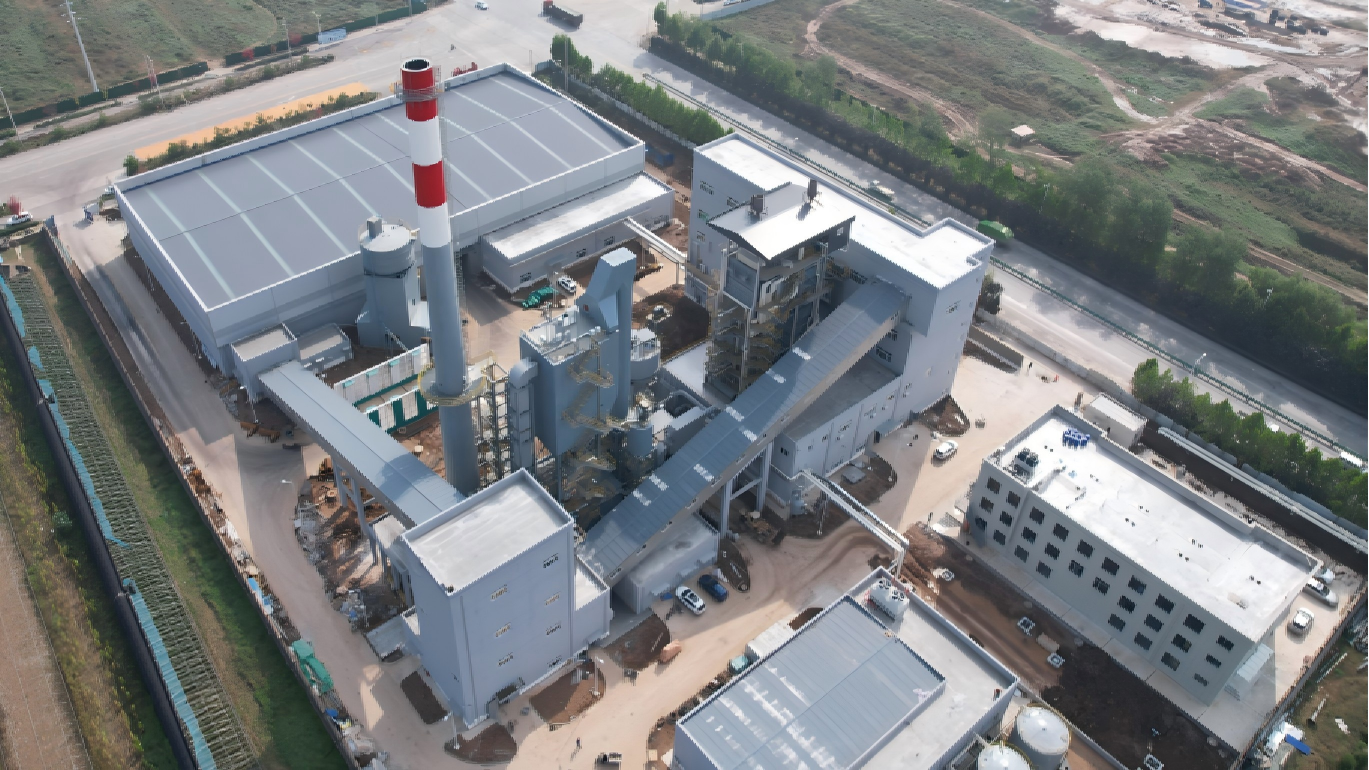
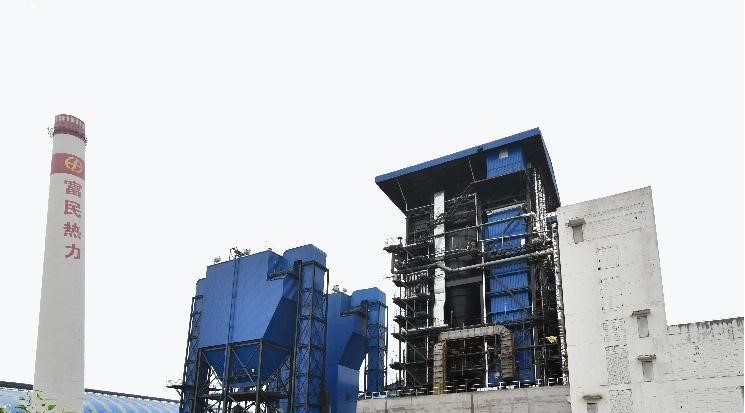
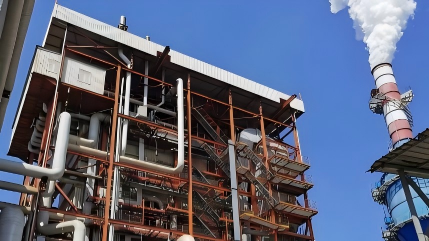
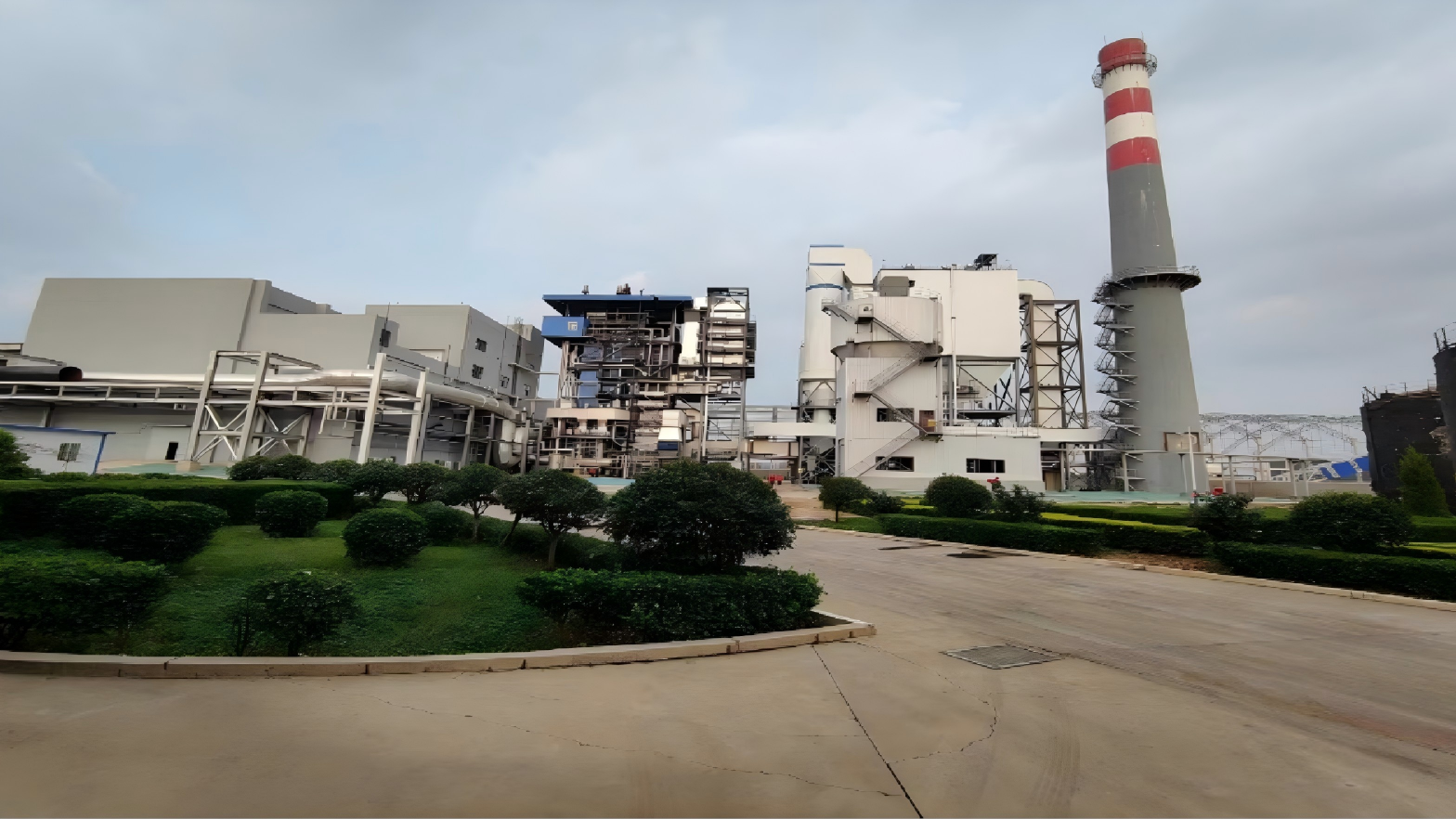
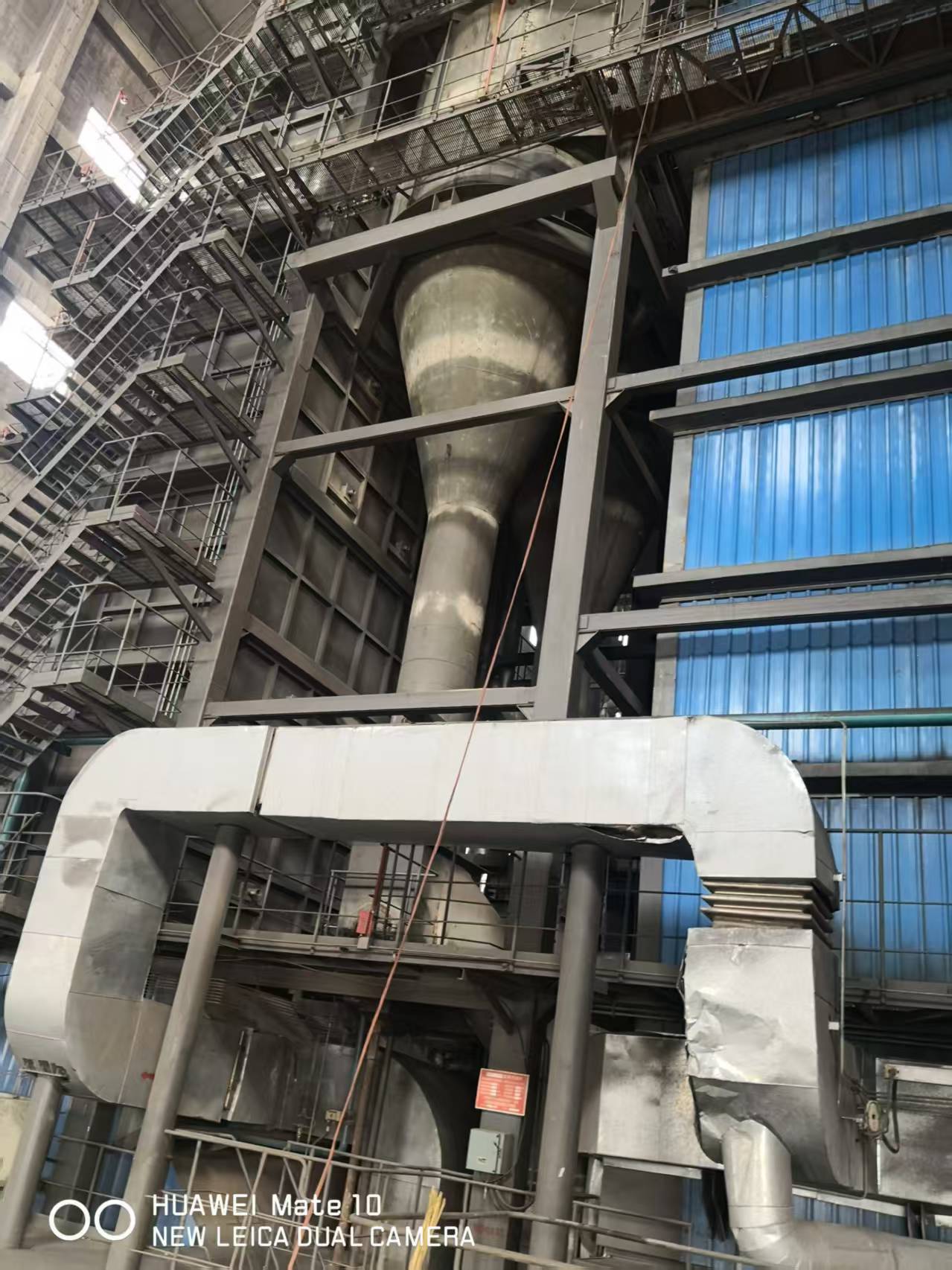
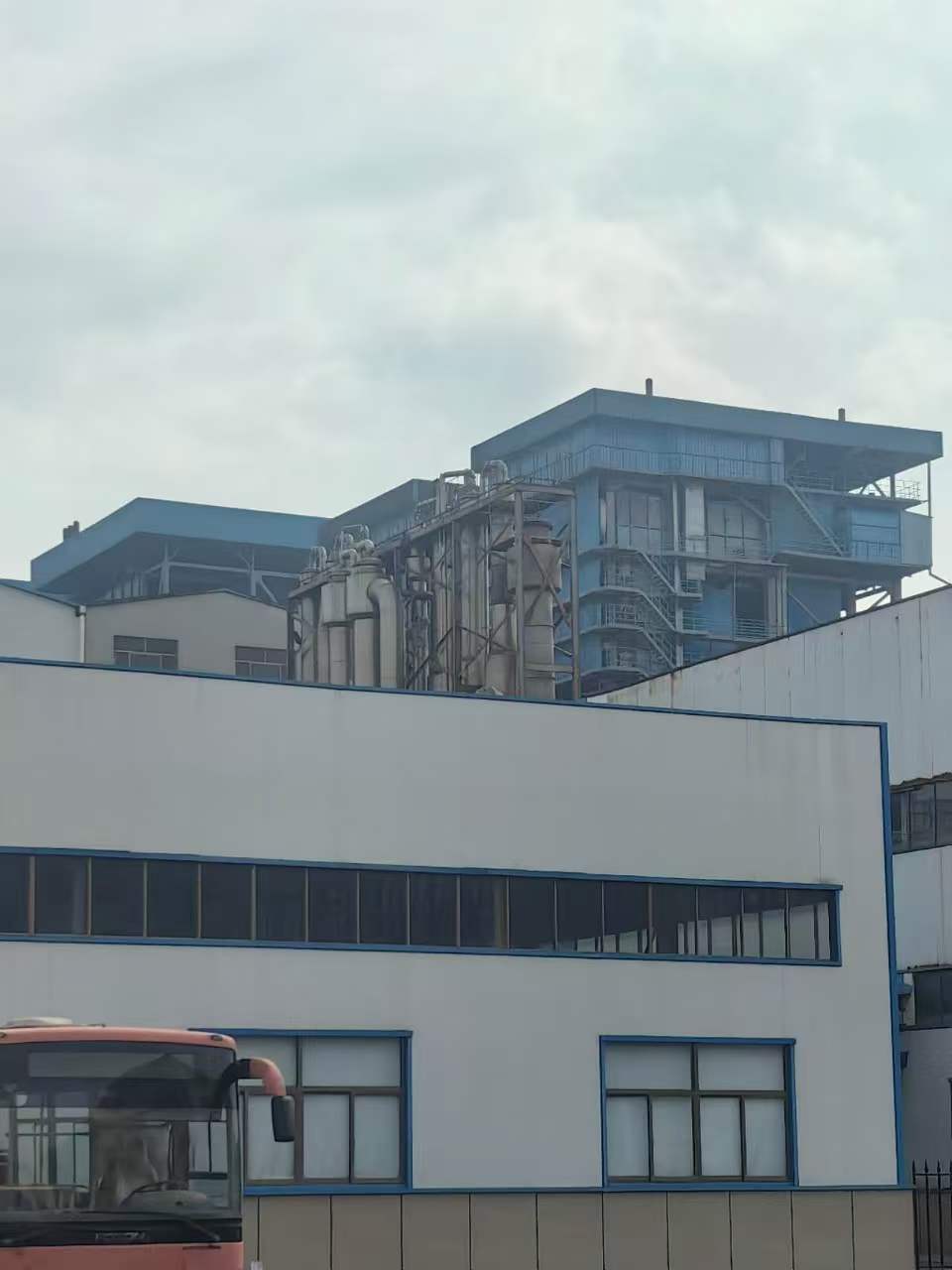
biomass boilers
Biomass boilers represent an innovative heating solution that converts organic materials into thermal energy for residential and commercial applications. These biomass boilers operate by burning renewable fuel sources such as wood pellets, wood chips, and agricultural waste, making them an environmentally conscious alternative to traditional fossil fuel-based heating systems.
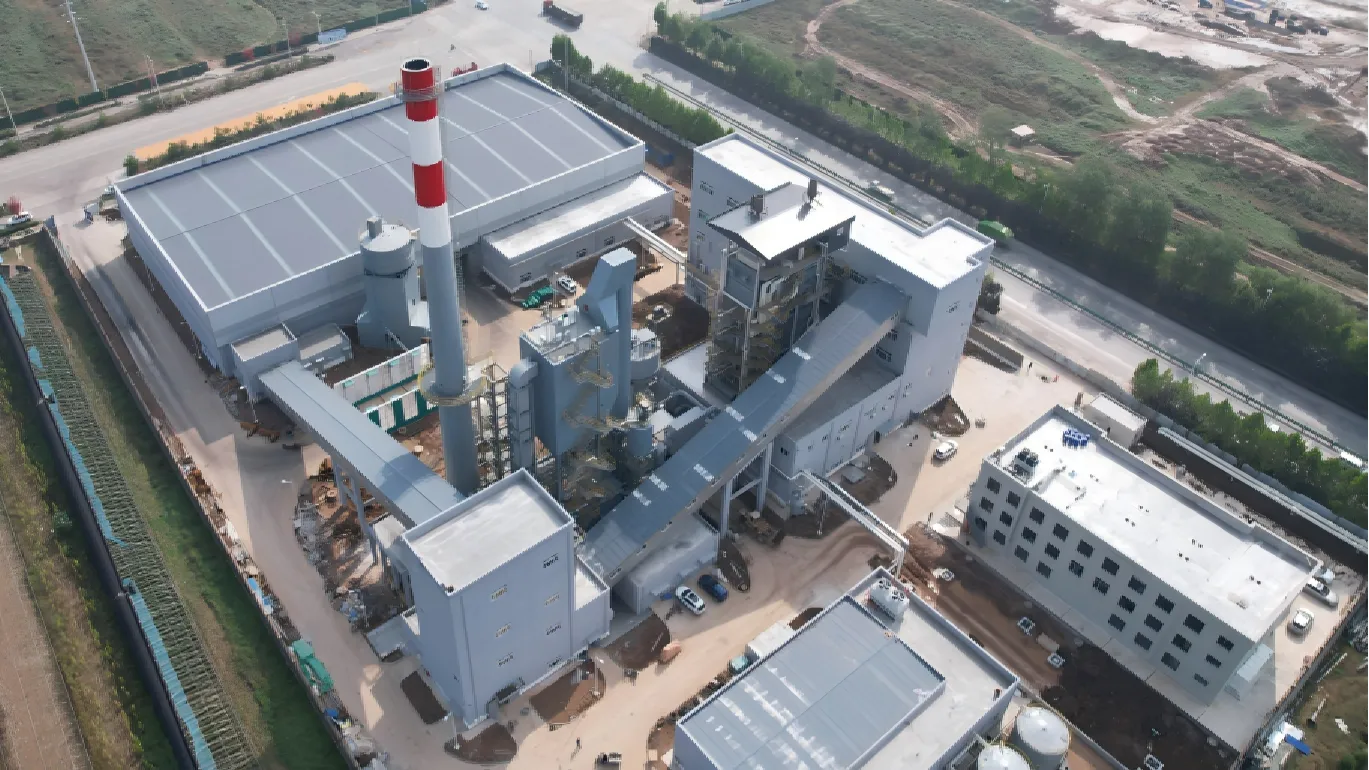
The primary function of biomass boilers is to generate heat through controlled combustion of biomass fuel, which is then distributed throughout buildings via existing heating infrastructure. Biomass boilers feature advanced combustion chambers designed to maximize fuel efficiency and minimize emissions. Modern biomass boilers incorporate automated feeding systems that deliver fuel at precise rates, ensuring consistent heat output and reducing manual intervention requirements.
Key technological features of biomass boilers include sophisticated temperature regulation systems, efficient heat exchangers, and integrated ash removal mechanisms. These components work together to optimize fuel conversion while maintaining safety standards. Biomass boilers are equipped with digital controls that monitor performance metrics and adjust operations automatically for peak efficiency.
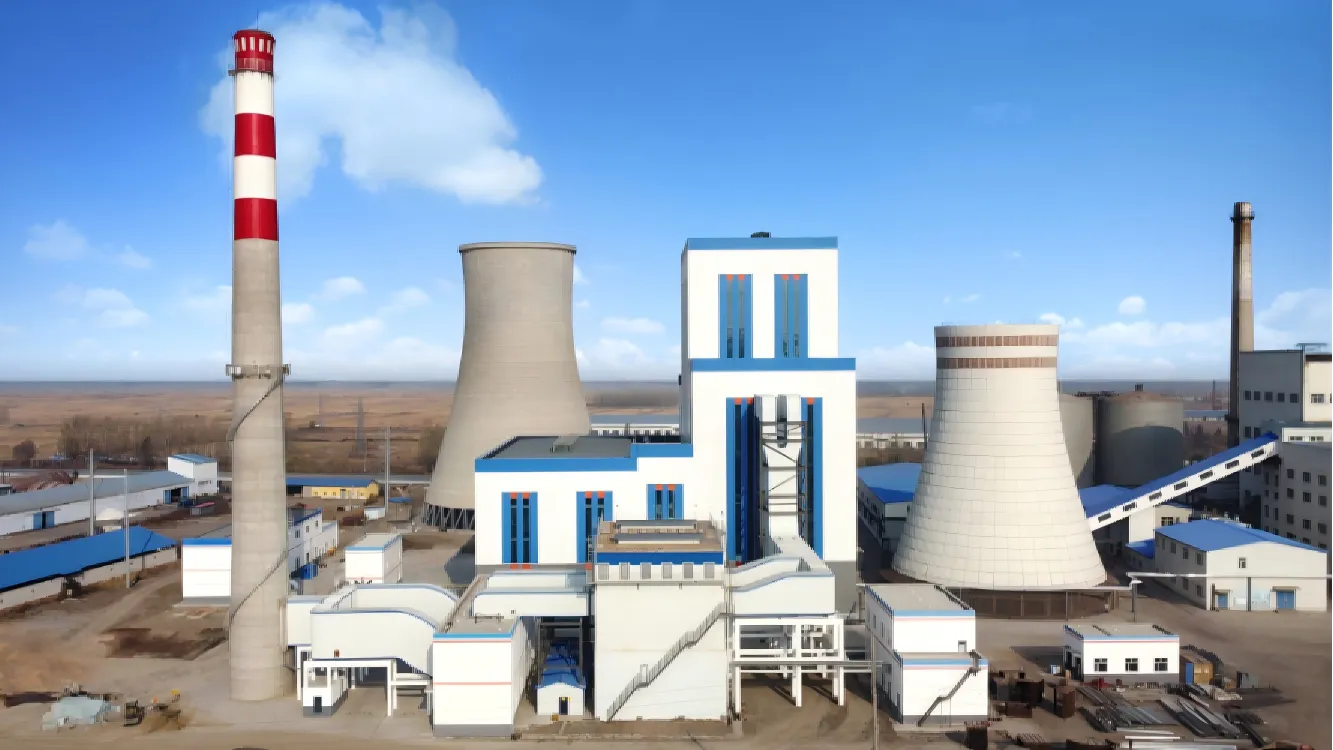
Applications for biomass boilers extend across multiple sectors, including residential heating, industrial facilities, agricultural operations, and institutional buildings. Biomass boilers serve municipalities seeking renewable energy solutions and businesses aiming to reduce carbon footprints. Educational institutions, hospitals, and commercial enterprises increasingly install biomass boilers to achieve sustainability targets while maintaining reliable heating throughout cold seasons. The versatility of biomass boilers makes them suitable for various climates and facility sizes, from small homes to large-scale industrial complexes requiring substantial thermal output.

 EN