
 EN
EN



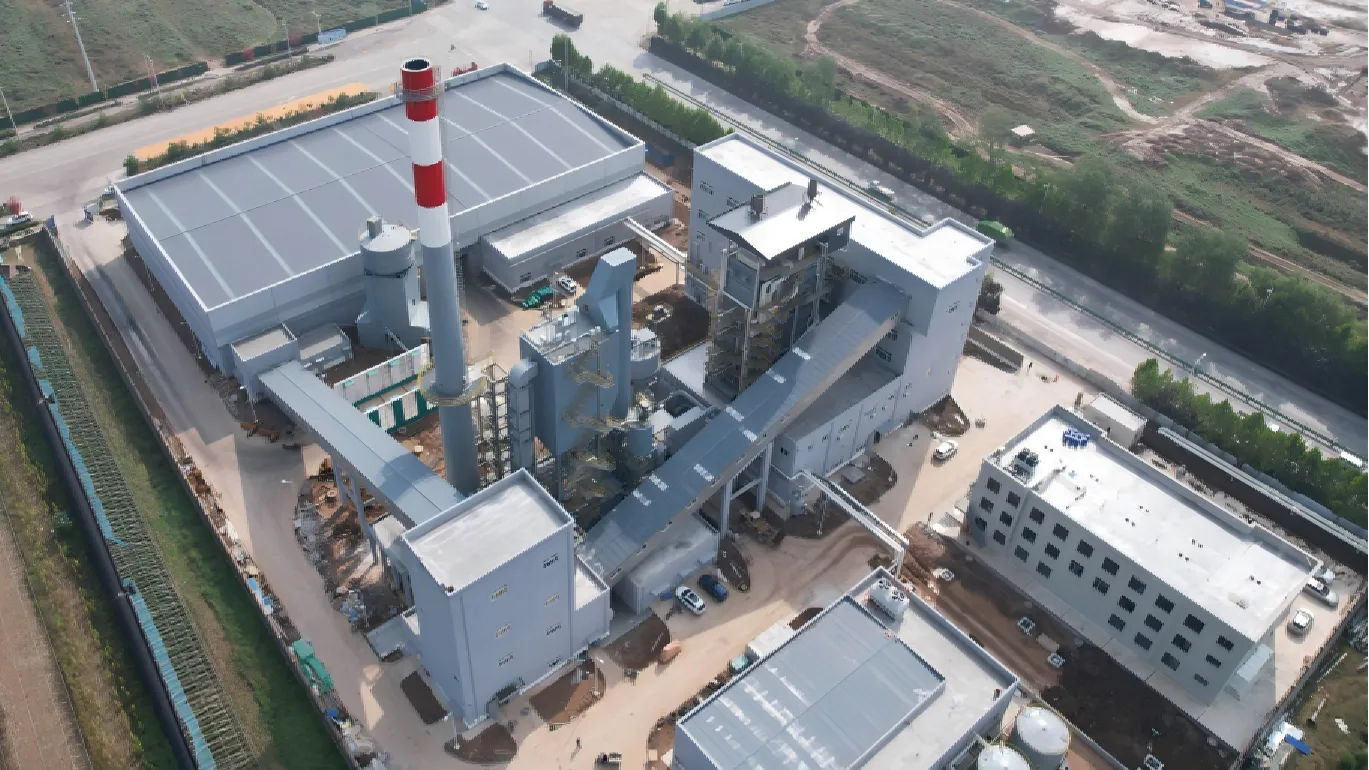
Achieving near-zero particulate emissions in coal-fired facilities represents one of the most significant environmental and operational challenges facing modern energy generation. A cfb power plant equipped with advanced circulating fluidized bed combustion technology offers a proven pathway to meet stringent regulatory requirements while maintaining reliable power output. The integration of multiple emission control systems, optimized combustion conditions, and continuous monitoring protocols enables operators to reduce particulate matter to levels that meet or exceed the most demanding environmental standards.
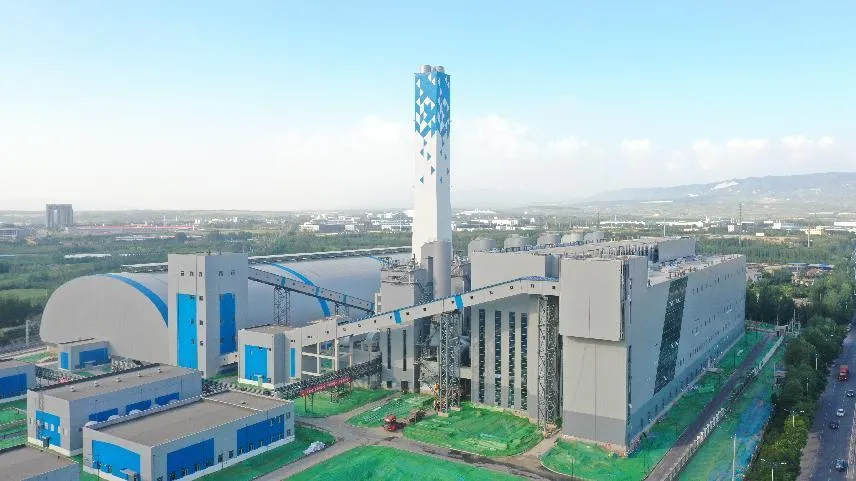
Modern circulating fluidized bed combustion technology represents a fundamental shift in how coal-fired facilities manage emissions. By operating at lower combustion temperatures and utilizing advanced chemical additives, this technology simultaneously reduces nitrogen oxide formation and improves particulate capture efficiency. When combined with state-of-the-art emissions control systems, a CFB boiler efficiency optimization strategy creates a comprehensive framework for achieving near-zero particulate emissions that align with international environmental directives and corporate sustainability targets.
Circulating Fluidized Bed Combustion Technology Fundamentals
How Combustion Technology Enables Ultra-Low Emissions
Circulating fluidized bed combustion technology operates on principles that fundamentally differ from conventional pulverized coal combustion. In this process, finely crushed coal mixes with limestone and other inert materials in a combustion chamber, suspended and agitated by upward-flowing air. The continuous circulation of these materials creates uniform temperature distribution, preventing localized hot spots that typically generate excess nitrogen oxides. This controlled thermal environment is essential for coal-fired power generation emissions control because it allows operators to maintain combustion temperatures between 800 and 900 degrees Celsius—significantly lower than conventional systems yet sufficient for efficient energy conversion.
The limestone component plays a critical role in the chemical transformation occurring within a cfb power plant. As limestone heats, it converts to calcium oxide, which then reacts with sulfur dioxide during combustion, capturing it before it escapes into the atmosphere. This in-situ capture mechanism reduces downstream emission control requirements and improves overall system efficiency. The continuous circulation ensures that unreacted limestone particles remain in the combustion zone longer, maximizing sulfur capture rates and creating a self-contained pollution control mechanism that operates at the source rather than through end-of-pipe treatment alone.
Designing Systems for Particulate Matter Reduction
Effective coal-fired power generation emissions control begins with combustion system design. The circulating fluidized bed design inherently produces lower particulate matter concentrations compared to conventional pulverized coal systems because the suspension mechanism keeps particles in controlled suspension rather than allowing unburned carbon to escape through flue gas. Modern CFB boiler efficiency optimization incorporates cyclone separators that recover and recirculate ash particles back into the combustion zone, where unburned carbon undergoes complete oxidation. This dual benefit—reduced primary emissions plus recovery of unburned material—creates a system capable of achieving remarkably low particulate emission rates before secondary pollution control systems are even engaged.
The design of the combustion chamber itself directly influences emissions outcomes in a cfb power plant. Operators and engineers optimize proportions, air distribution patterns, and residence time to maximize particle retention and combustion completeness. Advanced computational fluid dynamics modeling allows designers to refine these parameters before physical construction, ensuring that each facility achieves optimal combustion efficiency and particulate capture from its initial operational phase. This proactive design approach eliminates the costly retrofits and performance uncertainties that plague facilities relying solely on downstream emission controls.
Multi-Stage Emission Control Integration
Secondary Systems Complementing Combustion Technology
While circulating fluidized bed combustion technology provides substantial primary emission reduction, achieving near-zero particulate emissions requires multi-stage secondary control systems working in concert. Bag filters or electrostatic precipitators follow the combustion chamber, capturing extremely fine particulates that escape the primary combustion process. The integration of these systems with CFB boiler efficiency optimization creates synergistic benefits: the cleaner flue gas entering the secondary systems reduces maintenance requirements and extends equipment life, while the combustion technology ensures these secondary systems never face overwhelming particulate loads. This balanced approach distributes the emission control responsibility across multiple systems, improving overall reliability and allowing each component to operate within optimal parameters.
Selective catalytic reduction technology addresses nitrogen oxide emissions specifically, converting these compounds into harmless nitrogen and water through catalyst-assisted chemical reactions. When properly integrated into a cfb power plant's overall emissions strategy, selective catalytic reduction technology operates more efficiently than in conventional power generation systems because the lower combustion temperatures inherent to circulating fluidized bed combustion technology produce fewer nitrogen oxides to begin with. This combination dramatically reduces the catalyst quantity required and extends the service intervals between catalyst replacement, lowering operational costs while improving environmental performance. The synergy between combustion technology and secondary control systems demonstrates why achievement of near-zero particulate emissions depends on holistic system design rather than installation of individual pollution control devices.
Continuous Monitoring and Adaptive Control Systems
Real-time emissions monitoring systems provide operators with immediate feedback on particulate levels, nitrogen oxides, sulfur dioxide, and other regulated pollutants. Advanced sensors integrated throughout a cfb power plant generate data that feeds directly into automated control systems, enabling dynamic adjustments to combustion parameters and secondary system operation. When particulate levels begin to rise, the system automatically adjusts air distribution, fuel feed rate, or limestone injection rates to optimize combustion conditions before visible emissions increase. This predictive and responsive approach ensures consistent achievement of near-zero particulate emissions targets across varying coal characteristics, seasonal conditions, and load variations.
Coal-fired power generation emissions control has historically suffered from inconsistency stemming from fuel variability and operational drift. Modern cfb power plants equipped with continuous monitoring and adaptive control systems eliminate these sources of variability. Machine learning algorithms analyze historical operating data to identify patterns and optimize CFB boiler efficiency optimization parameters in real time. Operators receive actionable intelligence regarding equipment maintenance needs, combustion adjustments, and secondary system performance, allowing them to maintain consistently low emissions while simultaneously extending equipment service life and reducing unplanned downtime.
Practical Implementation and Performance Outcomes
Capital Investment and Operational Efficiency Considerations
Installing circulating fluidized bed combustion technology represents a significant capital commitment, yet the complete lifecycle economics often favor this approach when near-zero particulate emissions are required. A cfb power plant typically requires 15 to 20 percent higher initial construction investment compared to conventional coal-fired systems, but this premium is offset by substantially lower operational costs, reduced secondary pollution control requirements, and extended equipment service life. CFB boiler efficiency optimization measures reduce fuel consumption by 3 to 5 percent compared to conventional systems, while the integrated emission control approach eliminates expensive retrofitting of additional treatment equipment. Facilities operating in regions with stringent environmental regulations or high pollution penalties find that the superior emission performance of circulating fluidized bed combustion technology rapidly justifies the additional capital expenditure.
Operational flexibility represents another significant advantage of circulating fluidized bed combustion technology in coal-fired power generation emissions control applications. These systems accommodate a broader range of coal qualities and characteristics than conventional pulverized coal systems, enabling facilities to source fuel from diverse suppliers and geographic regions. The limestone-based in-situ capture mechanism adapts automatically to varying coal sulfur content without requiring operational adjustments. When combined with advanced CFB boiler efficiency optimization algorithms, this flexibility allows operators to maintain consistent near-zero particulate emissions across diverse operating scenarios, seasonal variations, and changing fuel sources—performance consistency that is difficult to achieve with alternative technologies.
Regulatory Compliance and Environmental Achievement
Stringent environmental regulations worldwide increasingly mandate emission levels that circulating fluidized bed combustion technology readily achieves. A cfb power plant configured for near-zero particulate emissions typically operates at 10 to 20 milligrams per normal cubic meter for particulate matter, nitrogen oxides below 200 milligrams per normal cubic meter, and sulfur dioxide below 35 milligrams per normal cubic meter—performance levels that satisfy the most demanding regulatory frameworks in Europe, North America, and Asia-Pacific regions. These emission profiles represent 85 to 95 percent reductions compared to uncontrolled coal combustion, positioning facility operators as environmental leaders within their industries and communities. The consistent achievement of these targets provides regulatory certainty and eliminates the financial and operational uncertainty associated with facilities operating near regulatory thresholds.
Beyond regulatory compliance, modern cfb power plants contribute meaningfully to regional air quality improvement and public health outcomes. Particulate matter, particularly fine particles, causes documented respiratory disease and cardiovascular impacts at the population level. By achieving near-zero particulate emissions through circulating fluidized bed combustion technology and comprehensive secondary controls, these facilities prevent thousands of tons of harmful particles from entering the atmosphere annually. This environmental achievement aligns facility operations with corporate sustainability commitments, enhances community relations, and positions the facility as a responsible industrial neighbor. The combination of environmental performance, regulatory compliance, and operational efficiency creates a compelling case for circulating fluidized bed combustion technology selection in new facility development and retrofit decisions.
FAQ
What specific coal characteristics work best in a CFB power plant system?
Circulating fluidized bed combustion technology accommodates a remarkably broad range of coal types, from high-quality bituminous coals to lower-grade lignite and sub-bituminous varieties. The combustion mechanism does not require precisely sized or consistent coal particles, allowing facilities to utilize coal that would be problematic in conventional systems. High-sulfur coals present no operational challenges because the limestone-based capture mechanism in a cfb power plant automatically adjusts to varying sulfur content. Coal with high ash content actually enhances system performance by providing inert material that improves heat transfer characteristics. This fuel flexibility makes circulating fluidized bed combustion technology particularly valuable for facilities in regions where fuel sourcing options are limited or where cost considerations favor lower-grade coal varieties.
How does CFB boiler efficiency optimization maintain performance as equipment ages?
Advanced monitoring systems continuously track equipment degradation patterns and automatically adjust operating parameters to maintain optimal performance throughout the facility's operational life. Coal-fired power generation emissions control performance is maintained through predictive maintenance algorithms that identify equipment requiring service before performance degradation becomes visible in emission measurements. Erosion in combustion chambers, scaling in heat exchangers, and catalyst deactivation in secondary systems are detected through continuous monitoring, allowing maintenance teams to address issues proactively. This approach ensures that a cfb power plant maintains near-zero particulate emissions performance across decades of continuous operation, eliminating the gradual performance decline that characterizes less sophisticated facilities.
What training and expertise do operators need to manage near-zero emissions systems?
Modern cfb power plants incorporate substantial automation and adaptive control systems that reduce the routine decision-making burden on operators. However, operators require understanding of circulating fluidized bed combustion technology fundamentals, emissions control chemistry, and system interaction effects to optimize performance and respond effectively to unusual operating conditions. Training programs typically require 4 to 6 weeks of intensive instruction covering combustion theory, emissions mechanisms, control system operation, and troubleshooting protocols. Ongoing professional development ensures operators remain current with equipment updates and optimization techniques. The comprehensive automation in modern systems reduces the demands compared to older facilities, but the complexity of achieving and maintaining near-zero particulate emissions requires operators with genuine technical knowledge and commitment to environmental performance excellence.

