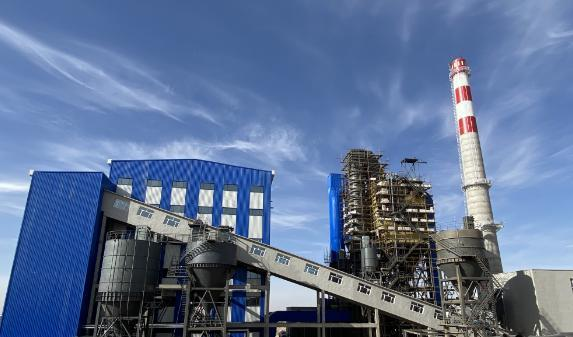
biomass power generation
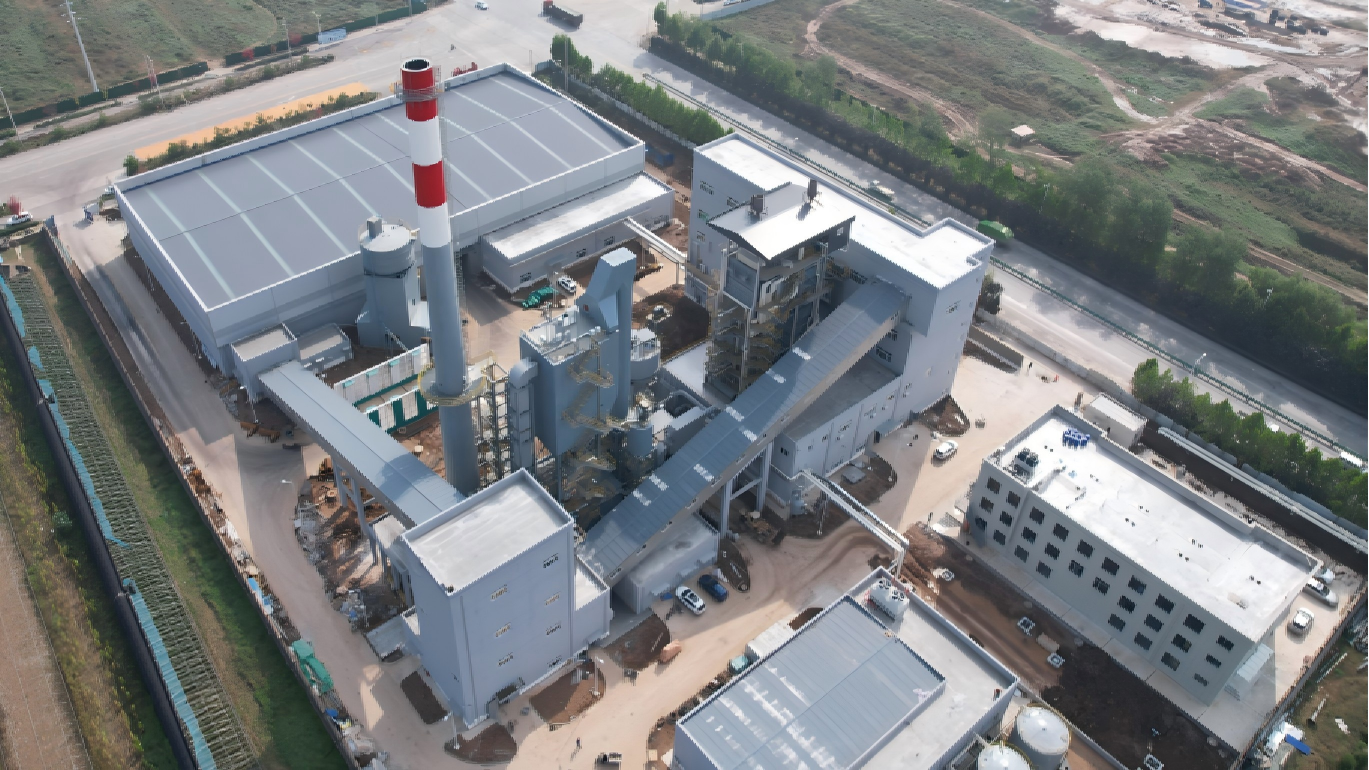
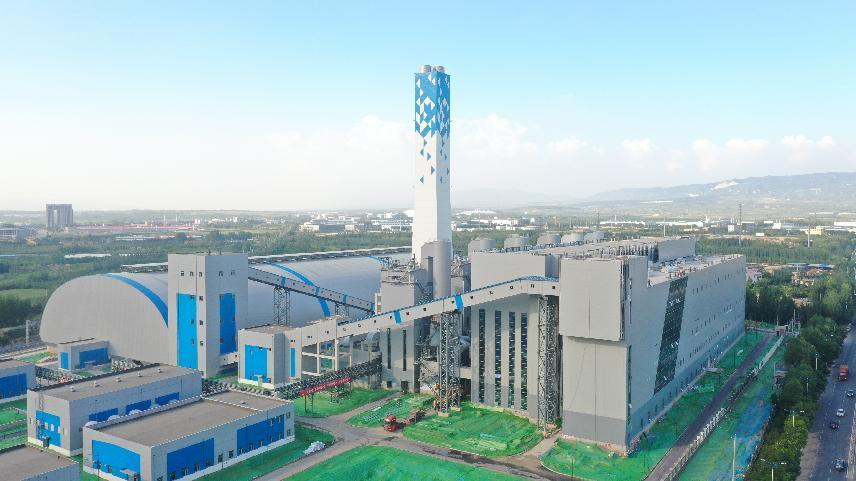
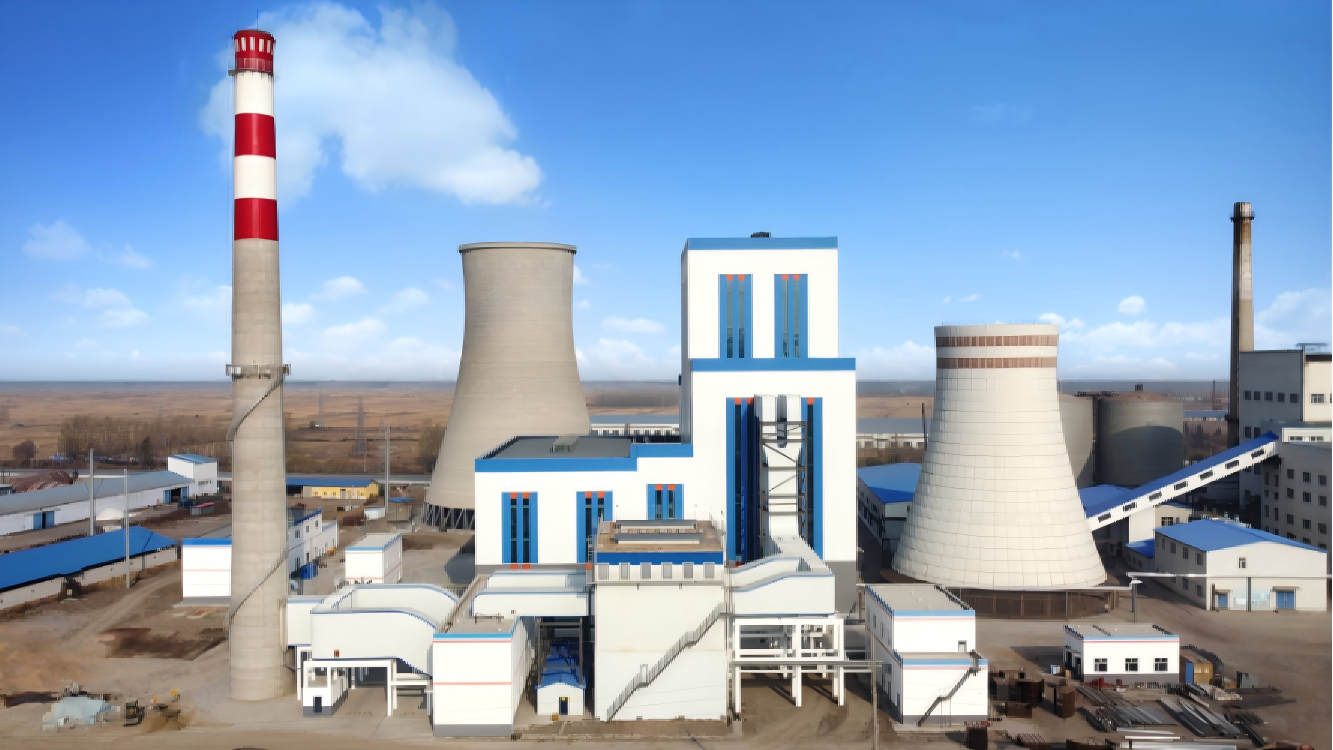
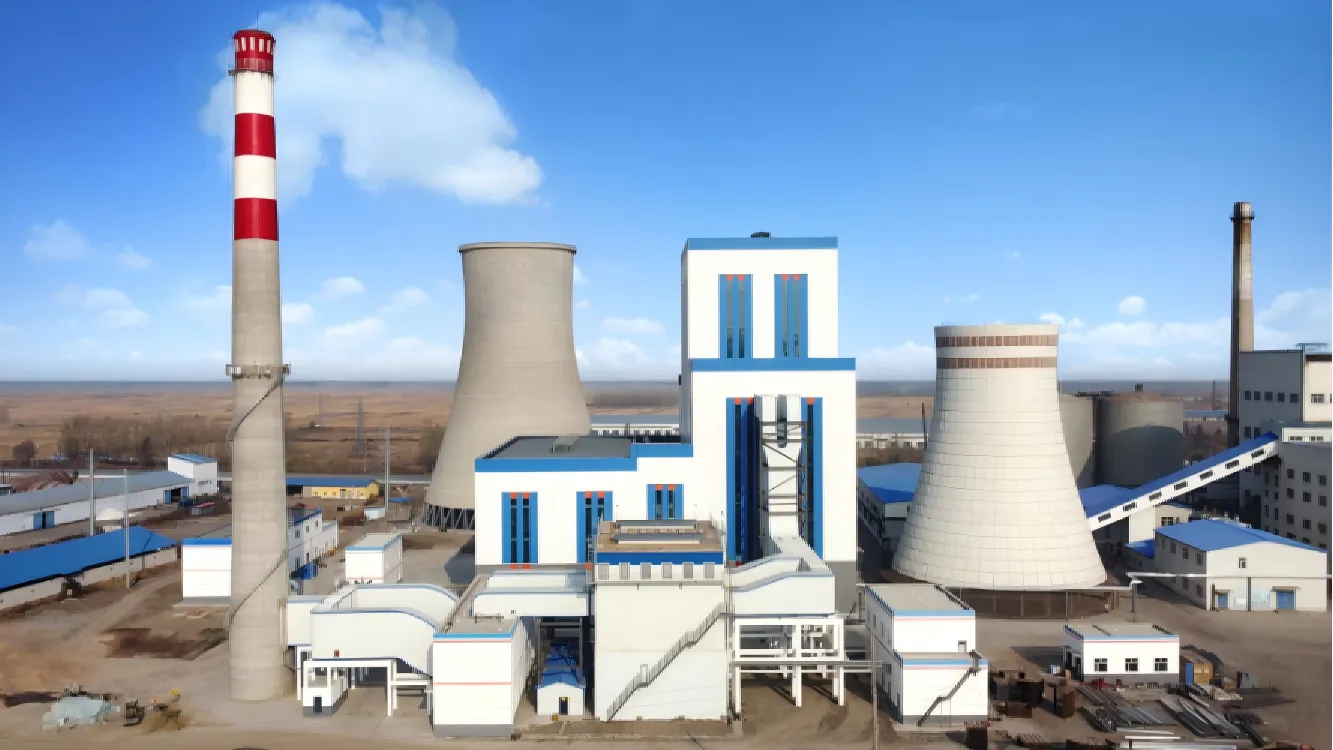
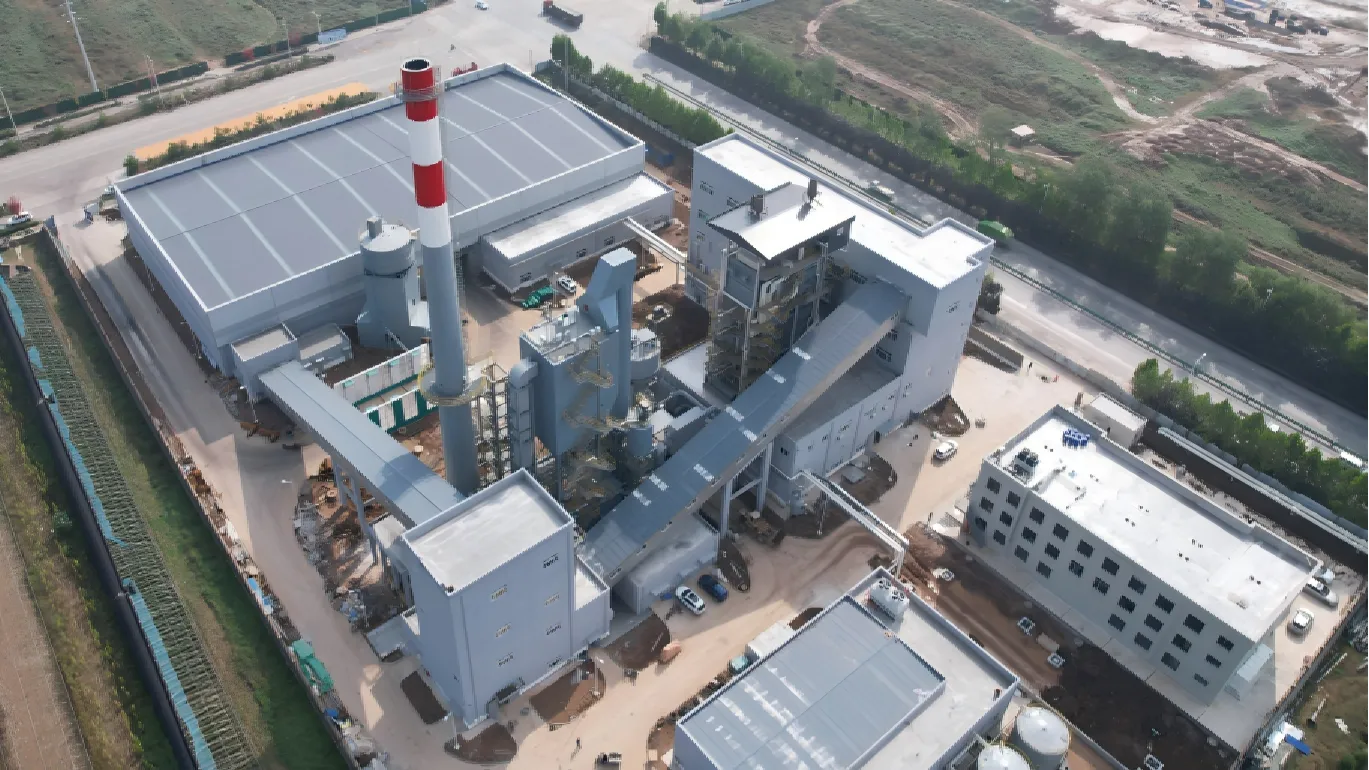
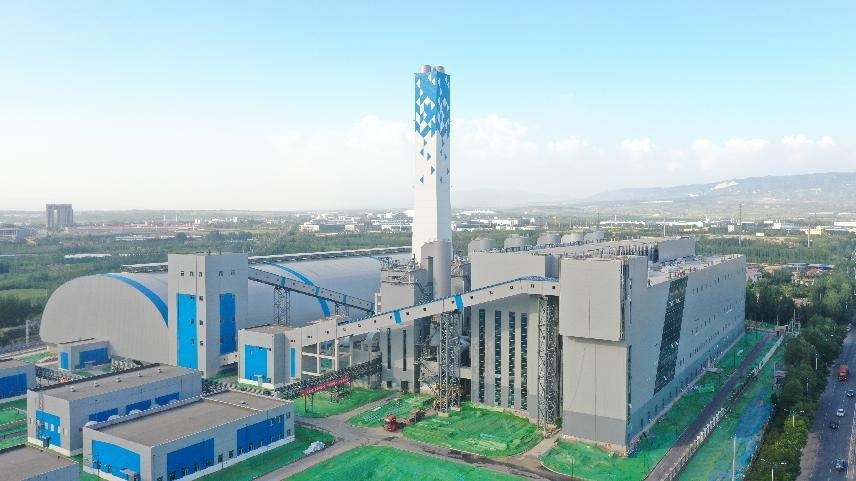
Biomass power generation represents a renewable energy solution that converts organic materials into electrical power, offering a sustainable alternative to fossil fuels. This technology harnesses the energy stored in plant and animal waste, agricultural residues, and forestry byproducts to produce electricity efficiently. Biomass power generation operates through controlled combustion or biochemical processes, where organic materials are burned in specialized facilities to generate heat that drives turbines connected to generators.
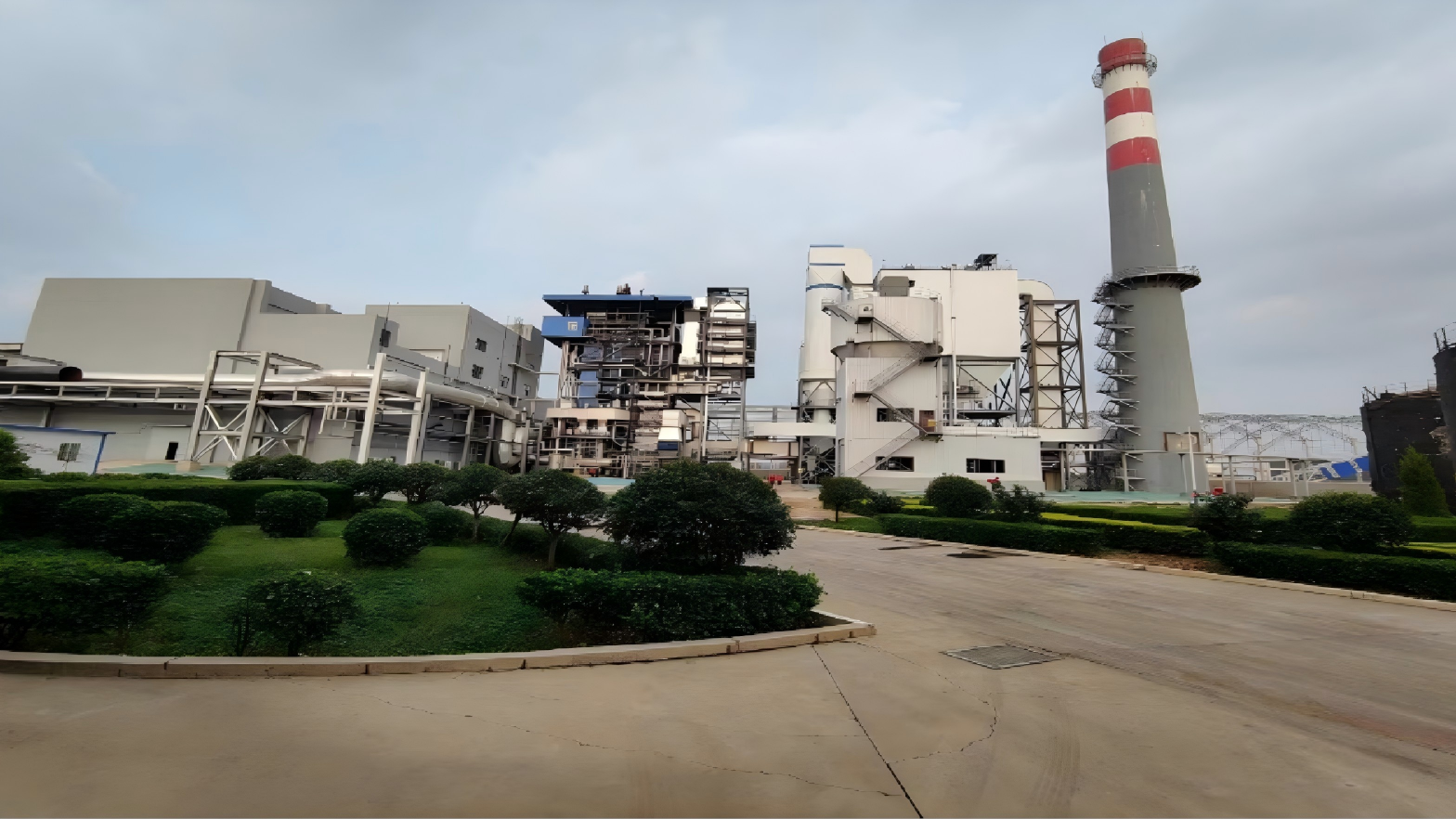
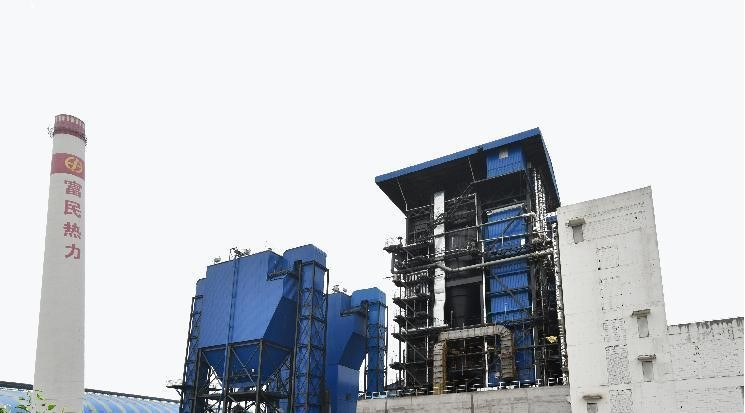
The technological features of biomass power generation include advanced combustion systems, emission control equipment, and integration with existing power distribution networks. Modern biomass power generation installations utilize state-of-the-art equipment to maximize energy extraction while minimizing environmental impact. The process involves sorting and preparing biomass materials, combusting them in dedicated boilers, and converting the resulting thermal energy into electrical output.
Applications of biomass power generation span across industrial facilities, municipal waste management systems, and agricultural operations. Many facilities leverage biomass power generation to reduce waste while simultaneously generating renewable electricity. The technology proves particularly valuable in regions with abundant agricultural or forestry resources, where biomass power generation transforms potential waste into valuable energy resources. Industrial plants increasingly adopt biomass power generation systems to meet sustainability goals while reducing operational energy costs and environmental footprints effectively.

 EN