Biomass Co-Firing CFB Boiler Technology

Get a Free Quote

Our representative will contact you soon.
Email
Name
Company Name
Message
0/1000

biomass co-firing cfb boiler

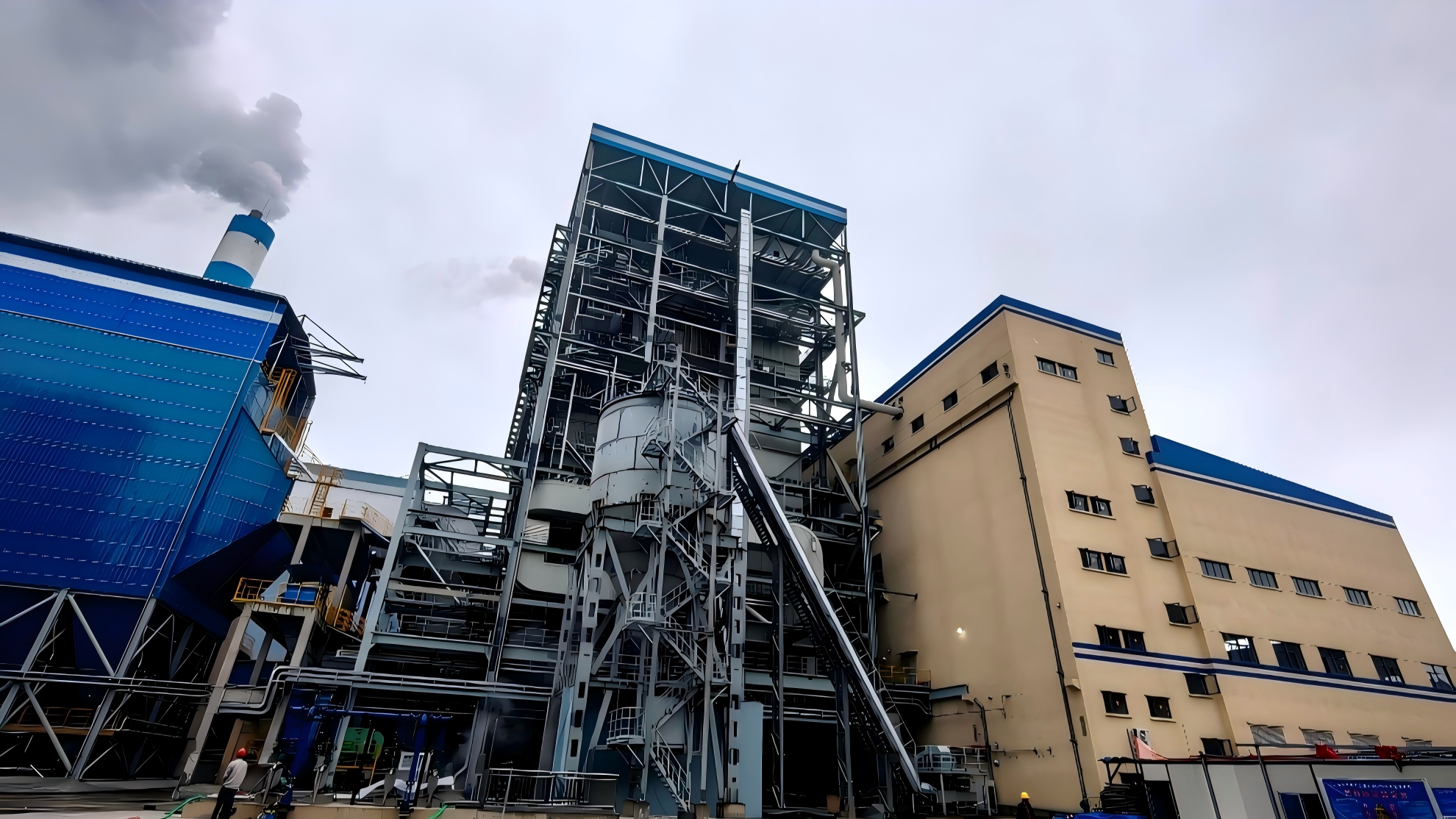
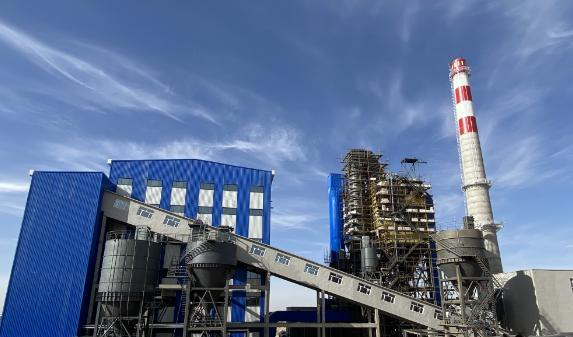
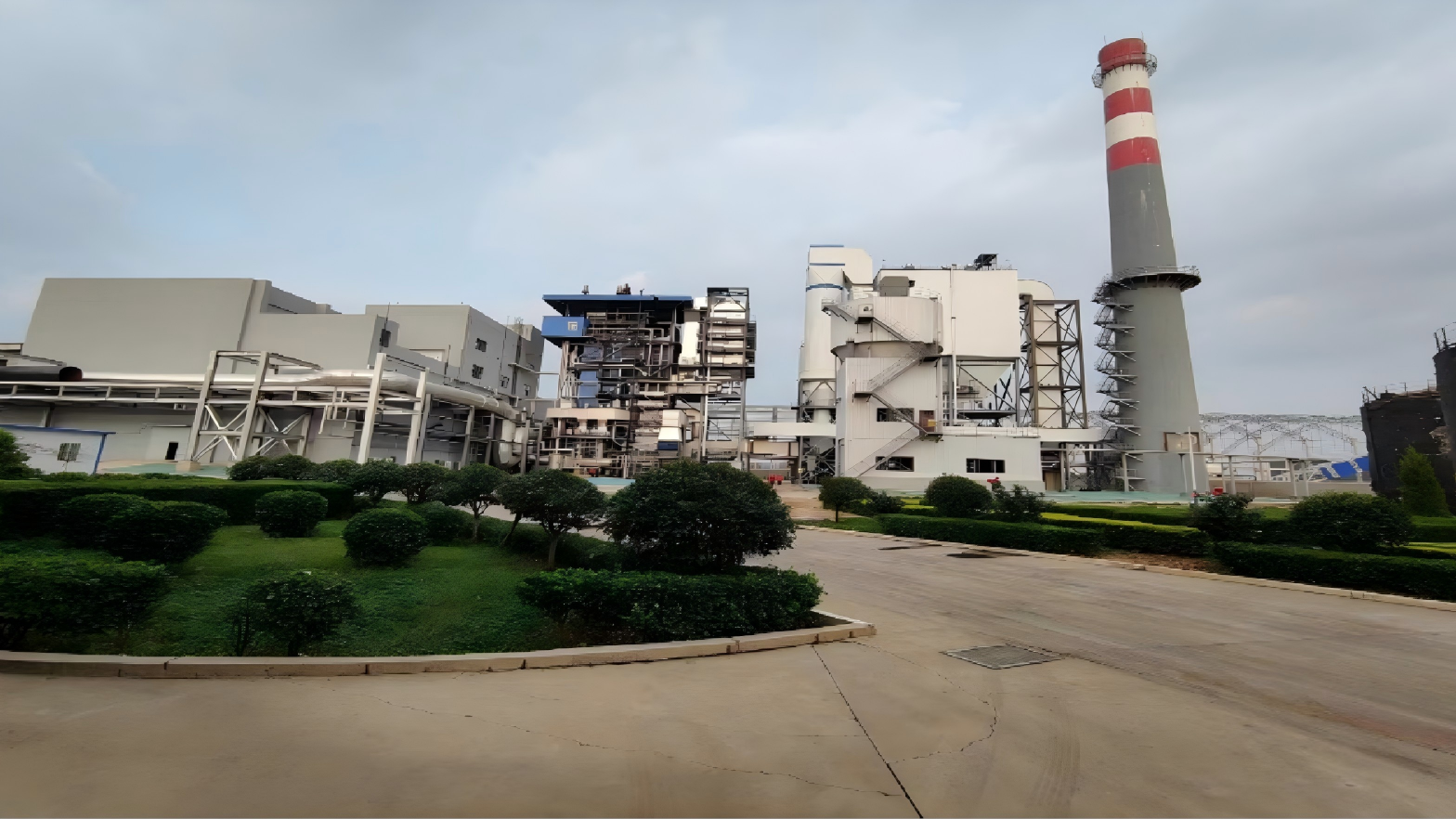
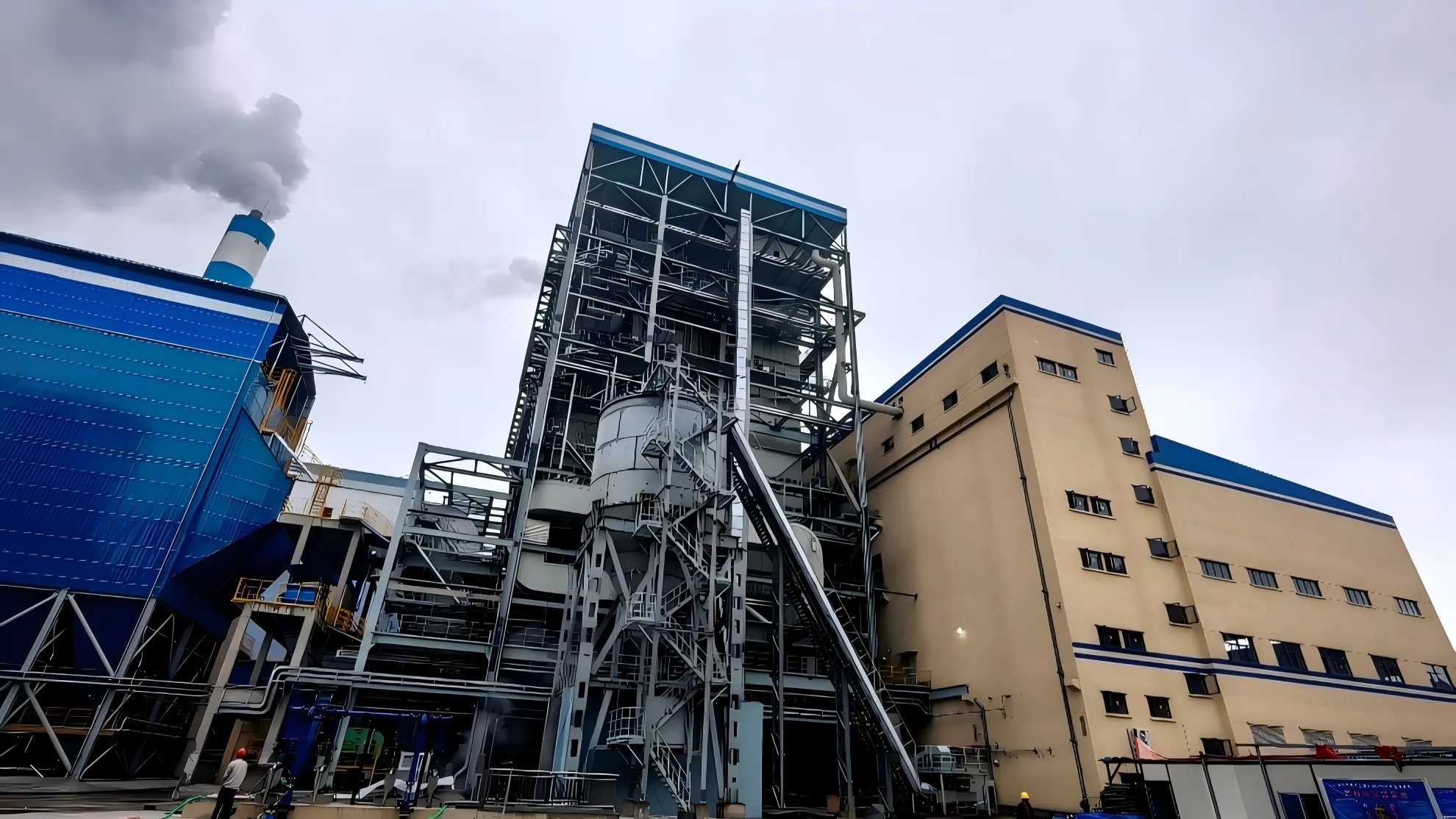
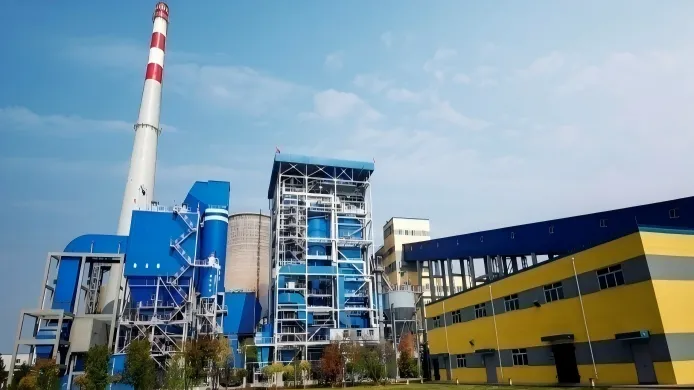
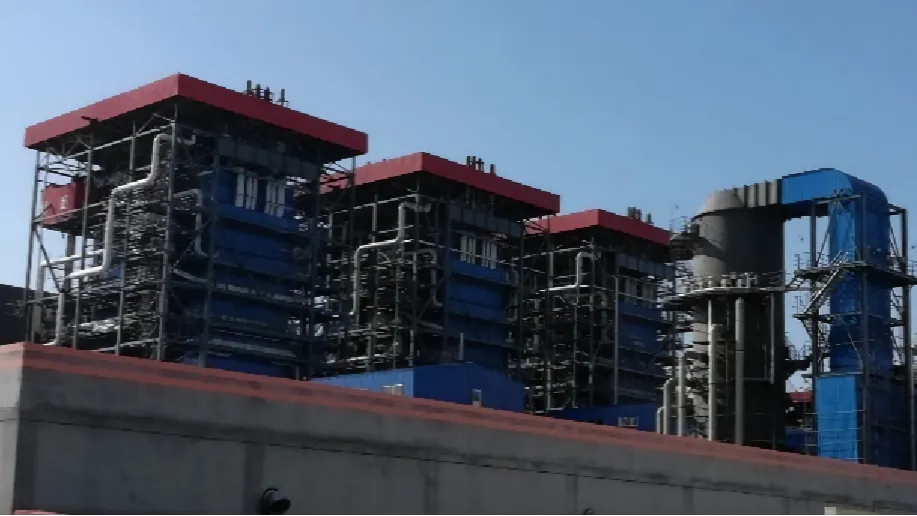
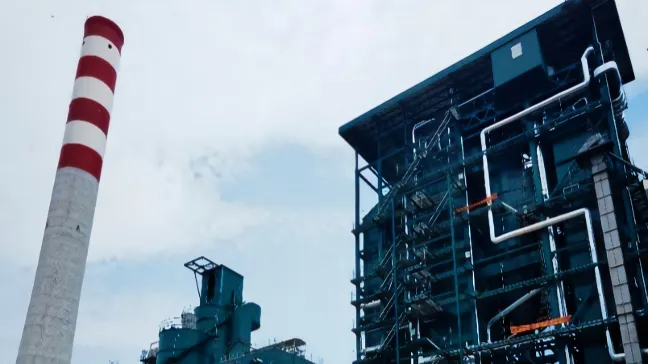
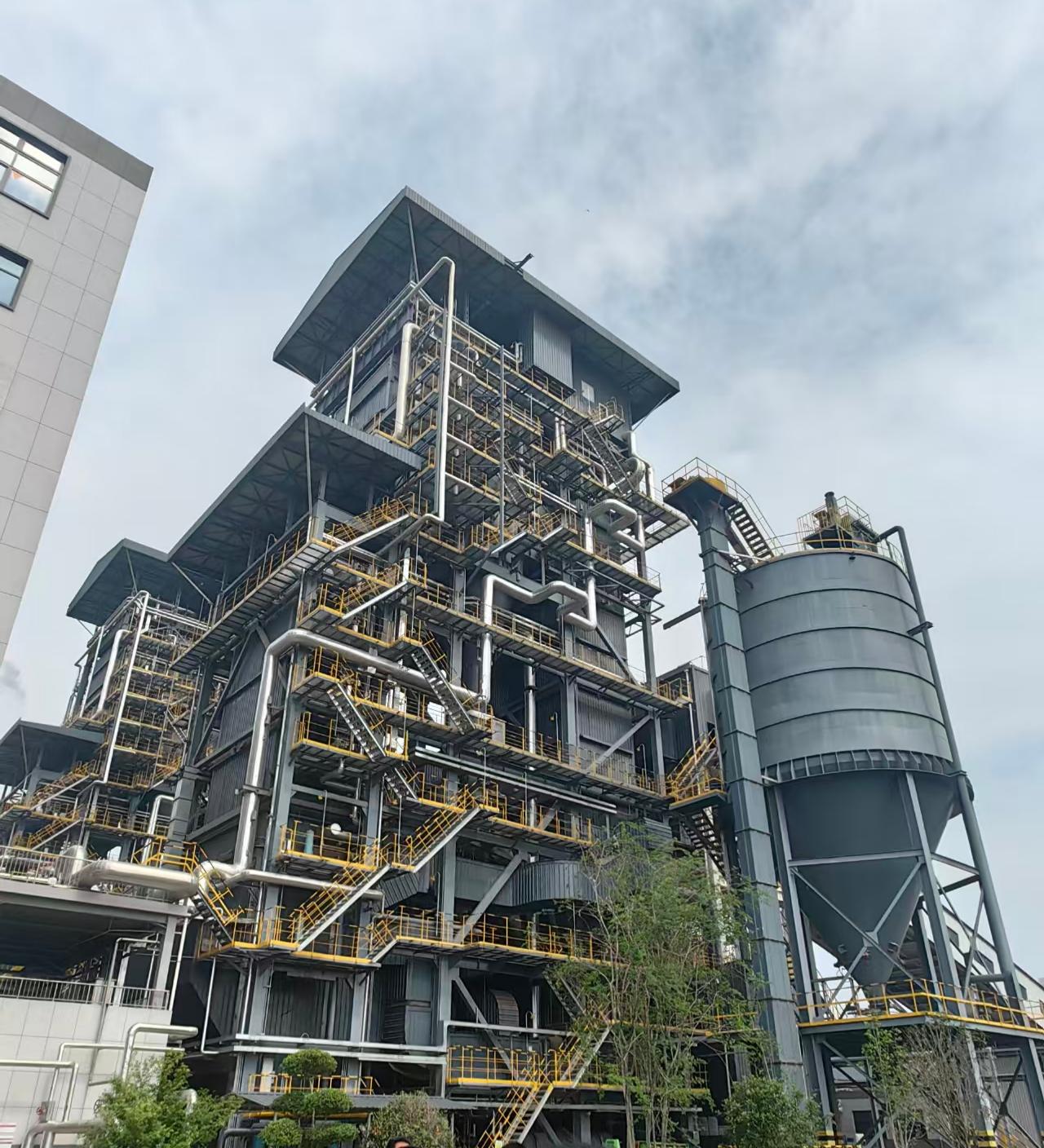
A biomass co-firing CFB boiler represents an innovative solution for sustainable energy generation by combining biomass fuel with conventional coal in a circulating fluidized bed design. This advanced biomass co-firing CFB boiler technology enables power plants and industrial facilities to reduce their carbon footprint while maintaining efficient energy production. The primary function of a biomass co-firing CFB boiler involves burning renewable biomass materials alongside traditional fuel sources, creating a hybrid combustion process that delivers reliable heat and steam generation. The biomass co-firing CFB boiler operates through a circulating fluidized bed mechanism where fuel particles remain suspended in an upward-flowing air stream, ensuring complete combustion and optimal energy extraction. Technological features of the biomass co-firing CFB boiler include advanced emission control systems, precise fuel feed mechanisms, and enhanced heat transfer surfaces that maximize efficiency. This system accommodates various biomass materials including wood chips, agricultural residues, and industrial waste, making it exceptionally versatile. Applications for the biomass co-firing CFB boiler span across power generation facilities, district heating systems, manufacturing plants, and paper mills. The technology's flexibility allows operators to adjust the biomass-to-coal ratio based on fuel availability and environmental regulations, providing operational adaptability that traditional boilers cannot match. Modern biomass co-firing CFB boiler designs integrate state-of-the-art pollution control equipment, ensuring compliance with stringent environmental standards while delivering superior performance and reliability for long-term industrial operations.

New Products

The biomass co-firing CFB boiler delivers substantial advantages for businesses seeking sustainable energy solutions without complete infrastructure replacement. First, operational cost reduction represents a primary benefit, as biomass co-firing CFB boiler systems utilize renewable materials often available at lower prices than conventional coal, directly decreasing fuel expenses and improving profit margins. Environmental benefits prove equally compelling, since the biomass co-firing CFB boiler significantly reduces net carbon emissions by replacing fossil fuels with renewable resources, helping organizations meet climate commitments and sustainability goals. The flexibility of a biomass co-firing CFB boiler allows seamless integration into existing coal-fired facilities, eliminating expensive complete system overhauls while enabling gradual transitions toward cleaner energy production. Operational efficiency stands out as another critical advantage, as the biomass co-firing CFB boiler maintains high combustion efficiency levels comparable to conventional boilers while processing diverse fuel types simultaneously. Regulatory compliance becomes simpler with a biomass co-firing CFB boiler, as the system's ability to reduce emissions naturally aligns with increasingly stringent environmental regulations across industries. Reliability and longevity characterize the biomass co-firing CFB boiler, featuring durable construction that withstands variable fuel compositions and demanding operational conditions. Financial incentives frequently accompany biomass co-firing CFB boiler installations through government subsidies and renewable energy credits, enhancing return on investment. Supply chain resilience improves significantly, as operators can source biomass materials locally, reducing transportation costs and dependency on volatile international coal markets while supporting regional economic development and creating employment opportunities.

Latest News

What are the vital spare parts to stock for a commercial CFB boiler system?

21

Aug

What are the vital spare parts to stock for a commercial CFB boiler system?

A cfb boiler system represents a significant capital investment for industrial power generation and thermal energy production. Whether operating on coal, biomass, or waste fuel, the reliability of your circulating fluidized bed combustion system dire...
View More
Why is a heavy-duty CFB boiler preferred for large cogeneration projects?

01

Sep

Why is a heavy-duty CFB boiler preferred for large cogeneration projects?

Large cogeneration projects demand equipment that can deliver both reliability and efficiency under demanding operational conditions. The choice of boiler technology fundamentally shapes project success, cost structure, and environmental compliance. ...
View More
How to troubleshoot oxygen distribution issues in an industrial CFB boiler?

08

Sep

How to troubleshoot oxygen distribution issues in an industrial CFB boiler?

Oxygen distribution challenges represent one of the most critical operational issues affecting industrial boiler performance and energy efficiency. In a cfb boiler, proper air supply regulation directly impacts combustion quality, fuel consumption ra...
View More
What makes fluidized bed combustion highly stable during low-load operation?

08

Oct

What makes fluidized bed combustion highly stable during low-load operation?

Fluidized bed combustion represents one of the most dependable thermal conversion technologies for industrial power generation and heat recovery applications. Unlike traditional grate-based combustion systems, fluidized bed combustion achieves except...
View More

Get a Free Quote

Our representative will contact you soon.
Email
Name
Company Name
Message
0/1000

biomass co-firing cfb boiler

Enhanced Fuel Flexibility and Efficiency

Enhanced Fuel Flexibility and Efficiency

The biomass co-firing CFB boiler stands out for its exceptional ability to process multiple fuel types simultaneously without compromising performance. This advanced biomass co-firing CFB boiler system accepts various biomass sources including wood residues, agricultural waste, municipal solid waste, and co-combustion combinations with coal. The circulating fluidized bed design ensures complete combustion regardless of fuel composition, maintaining consistent steam generation and heat output. Operators benefit from the biomass co-firing CFB boiler's capacity to optimize fuel mixing ratios based on market prices and availability, maximizing cost efficiency throughout operational cycles. The technology's fuel flexibility eliminates supply chain constraints, allowing facilities to maintain steady production even when specific fuel sources become temporarily unavailable. Superior combustion efficiency in the biomass co-firing CFB boiler directly translates to higher energy output per unit of fuel consumed, reducing overall operational expenses. This capability makes the biomass co-firing CFB boiler particularly valuable for industries with access to diverse waste materials, turning potential disposal liabilities into valuable energy sources.
Superior Emission Control and Environmental Performance

Superior Emission Control and Environmental Performance

Modern biomass co-firing CFB boiler technology incorporates integrated emission control systems that significantly minimize harmful pollutants while maximizing environmental responsibility. The biomass co-firing CFB boiler achieves substantially lower sulfur dioxide and nitrogen oxide emissions compared to conventional coal-only systems, supporting air quality improvements and regulatory compliance. Advanced combustion conditions within the biomass co-firing CFB boiler chamber prevent incomplete burning, eliminating hazardous byproducts that threaten environmental and human health. The circulating nature of the biomass co-firing CFB boiler design ensures thorough mixing of fuel and combustion air, promoting complete oxidation and minimizing particulate matter emissions. Organizations implementing the biomass co-firing CFB boiler experience measurable reductions in their carbon footprint, directly contributing to corporate sustainability objectives and green energy initiatives. Environmental benefits extend beyond emissions reduction, as the biomass co-firing CFB boiler supports renewable energy adoption and reduces dependence on finite fossil fuel reserves. This technology demonstrates how industrial facilities can achieve meaningful environmental progress while maintaining production targets and profitability.
Cost-Effective Retrofit Solution and Long-Term Value

Cost-Effective Retrofit Solution and Long-Term Value

The biomass co-firing CFB boiler offers an economically attractive upgrade path for existing coal-fired power stations and industrial heating systems. Rather than replacing functional equipment entirely, the biomass co-firing CFB boiler retrofit approach preserves existing infrastructure investments while introducing renewable energy capabilities at fractional replacement costs. Implementation of the biomass co-firing CFB boiler system typically requires eighteen months or less, minimizing production interruption and associated financial losses during transition periods. Long-term operational cost savings through the biomass co-firing CFB boiler stem from reduced fuel expenses, lower maintenance requirements, and improved overall efficiency metrics. The biomass co-firing CFB boiler qualifies for numerous government incentives, renewable energy credits, and tax benefits that substantially improve financial returns on investment. Biomass fuel availability and local sourcing capabilities often reduce transportation costs significantly compared to imported coal supplies. The biomass co-firing CFB boiler investment delivers measurable payback periods typically ranging from five to eight years, providing compelling financial justification for facility upgrades.

Get a Free Quote

Our representative will contact you soon.
Email
Name
Company Name
Message
0/1000
email goToTop