
 EN



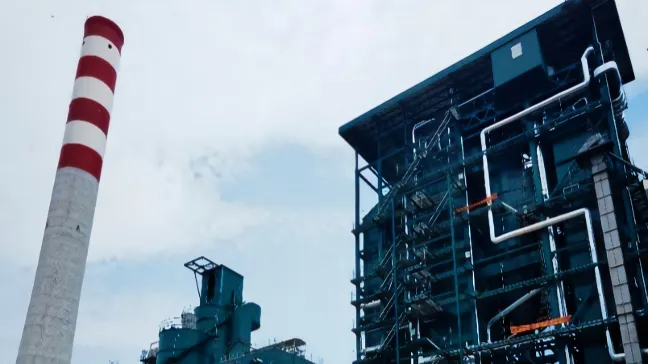
Fluidized bed combustion represents one of the most dependable thermal conversion technologies for industrial power generation and heat recovery applications. Unlike traditional grate-based combustion systems, fluidized bed combustion achieves exceptional stability across a wide operational range, particularly during low-load operation when many conventional boilers struggle with incomplete combustion and efficiency losses. Understanding the mechanisms that enable this stability is critical for operators seeking reliable performance, reduced emissions, and predictable fuel flexibility in demanding industrial environments.
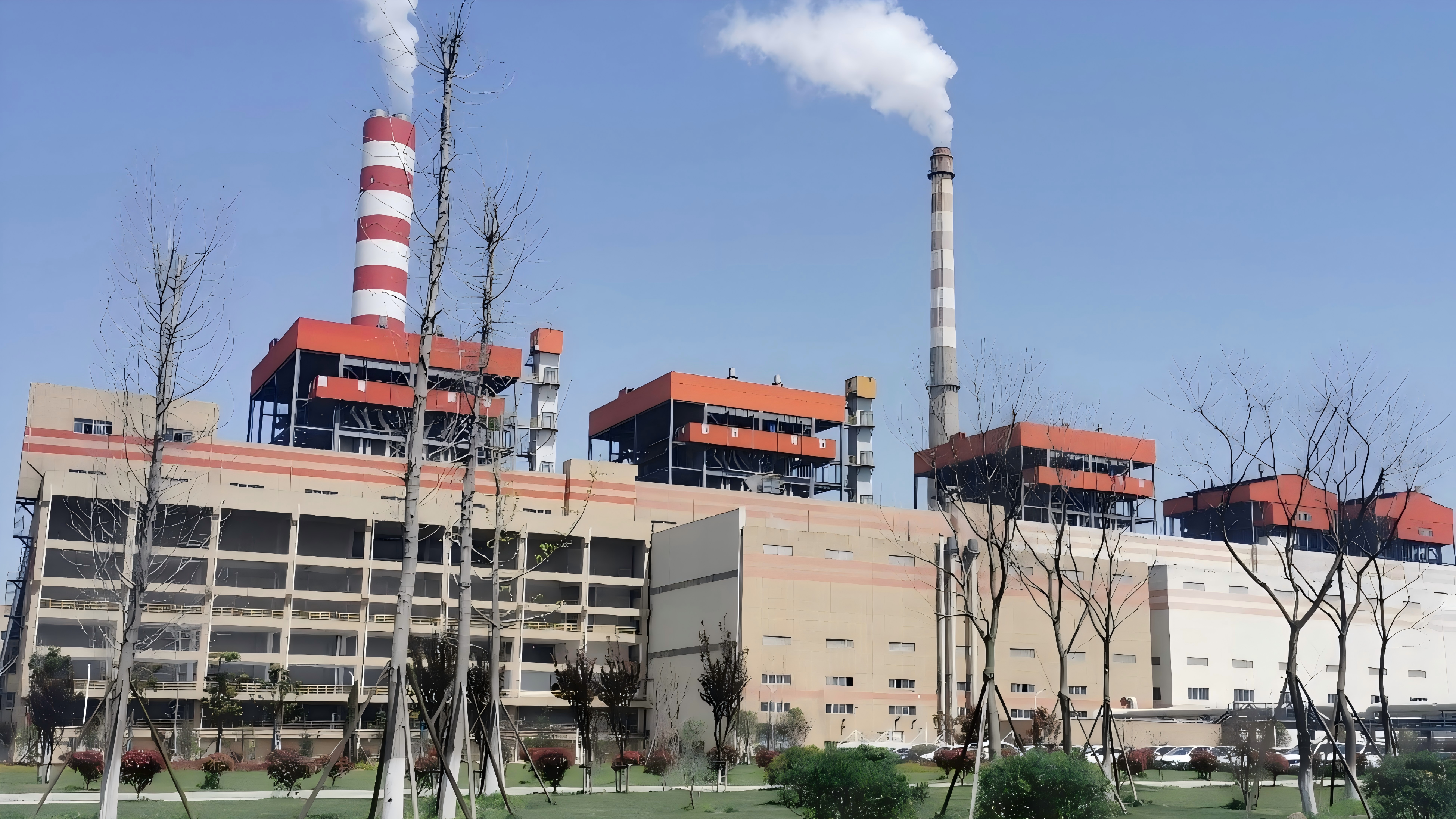
The fundamental advantage of a circulating fluidized bed boiler lies in its ability to maintain combustion intensity and heat transfer uniformity even when fuel input decreases significantly below rated capacity. This stability stems from the inherent mixing characteristics of the fluidized bed itself, where solid fuel particles remain suspended in an upward-moving air stream, creating continuous contact with combustion air and enabling near-complete oxidation regardless of load variations.
The Physics of Bed Stability During Low-Load Operation
Homogeneous Mixing and Thermal Mass
In a circulating fluidized bed boiler, the dense mixture of fuel, ash, limestone, and inert solids creates a substantial thermal mass that buffers temperature fluctuations when combustion rates drop. This thermal reserve prevents the abrupt temperature collapse that typically occurs in fixed-grate systems during load reduction. The continuous recirculation of solids from the cyclone back to the combustor ensures that hot particles continuously mix with incoming cold air, maintaining relatively uniform bed temperatures across 800 to 950 degrees Celsius even as fuel feed rates decrease to 30 or 40 percent of full load.
Excess Air Distribution and Oxygen Availability
Fluidized bed combustion systems operate with excess air percentages between 20 and 35 percent, ensuring that oxygen remains available throughout the combustion zone regardless of instantaneous fuel feed variations. This generous air margin prevents localized fuel-rich pockets that would produce incomplete combustion products and permit rapid heat release when fuel suddenly increases. The circulating fluidized bed boiler design distributes combustion air through multiple ports along the combustor height, creating stratified zones where volatile matter burns rapidly in the lower sections while char oxidation continues at higher elevations, sustaining combustion intensity during low-load transients.
Fluidized Bed Combustion Emissions Control During Partial Load
Limestone Injection and Sulfur Capture
One of the most significant benefits of fluidized bed combustion emissions control is the system's natural capacity to capture sulfur dioxide across the entire load range without requiring complex downstream equipment. Limestone particles injected into the combustor react directly with SO2 at 850 degrees Celsius, and this reaction rate remains relatively constant whether the furnace operates at full capacity or 40 percent load. The extended residence time of solids in the circulating fluidized bed boiler ensures that even small quantities of limestone achieve adequate sulfur capture, maintaining sulfur dioxide emissions below 200 mg/Nm³ without flue-gas desulfurization scrubbers.
Nitrogen Oxides Formation and Suppression
Fluidized bed combustion emissions control addresses NOx formation through three mechanisms: low combustion temperatures that suppress thermal NOx, controlled air staging that minimizes fuel NOx, and rapid mixing that prevents localized high-temperature zones. During low-load operation, the reduced fuel input naturally maintains lower peak temperatures, typically 100 to 150 degrees Celsius below full-load conditions, directly reducing NOx production by 40 to 60 percent compared to conventional pulverized coal boilers. The circulating fluidized bed boiler achieves nitrogen oxide emissions routinely between 150 and 250 mg/Nm³ without selective catalytic reduction, enabling cost-effective compliance with stringent environmental standards.
Fluidized Bed Combustion Efficiency Improvements at Reduced Capacity
Combustion Completeness and Unburned Carbon
Fluidized bed combustion efficiency improvements begin with the fundamental advantage of near-complete fuel oxidation across the entire load spectrum. The continuous mixing of fuel particles with combustion air in a circulating fluidized bed boiler virtually eliminates unburned carbon in bottom ash, a problem that degrades efficiency in grate-fired systems operating below 60 percent load. Test results consistently demonstrate combustion efficiency exceeding 98.5 percent at 50 percent load, compared to 94 to 96 percent for equivalent pulverized coal units, recovering 2 to 4 percentage points of thermal output that would otherwise be lost as sensible heat in unoxidized carbon.
Heat Transfer Enhancement and Bed Density Control
The dense suspension of particles within a circulating fluidized bed boiler creates exceptional heat transfer coefficients—typically 100 to 150 W/m²K on the furnace walls—that remain nearly constant regardless of throughput reductions. During low-load operation, operators maintain stable bed density through careful control of air velocity and solids recirculation rate, preserving the intimate contact between suspended particles and heat exchange surfaces. Fluidized bed combustion efficiency improvements are further enhanced by dense phase operation in the lower combustor section, where localized particle concentrations reach 100 to 150 kg/m³, creating radiative heat transfer that complements convective mechanisms and sustains heat removal rates proportional to combustion intensity rather than to furnace gas velocity.
Practical Implications for Industrial Operation
Load Following Capability and Grid Support
Industrial operators increasingly recognize that fluidized bed combustion stability during low-load transients enables rapid response to grid frequency deviations and demand fluctuations without sacrificing fuel efficiency or environmental performance. A circulating fluidized bed boiler can reduce output from 100 percent to 40 percent load within 15 to 20 minutes while maintaining combustion efficiency above 98 percent and sulfur dioxide emissions below regulatory limits. This load flexibility is impossible in conventional stoker or grate-fired systems, which experience efficiency drops to 85 to 90 percent and variable emissions during similar transients, making fluidized bed combustion the preferred choice for facilities supporting renewable energy integration and dynamic grid services.
Fuel Flexibility and Cost Optimization
The inherent stability of fluidized bed combustion enables cost-effective utilization of challenging fuels—including low-grade coal, petroleum coke, biomass blends, and refuse-derived fuel—without requiring separate equipment modifications for different load conditions. A circulating fluidized bed boiler automatically adjusts to fuel property variations through limestone dosing changes and air distribution adjustments, capabilities that prove invaluable when procurement shifts to lower-cost alternative fuels. During low-load operation, when fuel quality variations typically cause equipment damage or operational instability in conventional systems, fluidized bed combustion maintains stable combustion and emissions control, protecting equipment investment and enabling predictable operating margins regardless of feedstock composition or availability.
FAQ
Why does fluidized bed combustion maintain temperature stability when fuel input decreases?
The thermal mass of circulating solids and the continuous recirculation of hot particles from the cyclone back to the combustor create a substantial heat reserve that buffers temperature changes. Even when fuel feed decreases, the hot solids circulating through the bed sustain combustion intensity and bed temperature, preventing the temperature collapse common in fixed-grate systems. This thermal buffering, combined with excess combustion air availability and homogeneous particle mixing, maintains relatively uniform bed conditions across the entire load range from 100 down to 30 percent capacity.
How does a circulating fluidized bed boiler reduce emissions during low-load operation?
Fluidized bed combustion emissions control operates through multiple integrated mechanisms: limestone injection captures sulfur dioxide directly in the combustor at rates independent of load, the extended residence time of solids ensures complete oxidation of fuel carbon, and the lower peak temperatures characteristic of fluidized bed combustion suppress nitrogen oxide formation by 40 to 60 percent compared to pulverized coal systems. During low-load transients, these mechanisms remain effective because they depend on solid mixing and chemical reactions rather than on gas velocity or furnace residence time, maintaining emissions compliance across the operational range.
What fluidized bed combustion efficiency improvements occur when power plants operate below 50 percent load?
Fluidized bed combustion efficiency improvements at reduced load include combustion completeness exceeding 98.5 percent because suspended particle mixing eliminates unburned carbon, heat transfer coefficients remaining constant at 100 to 150 W/m²K regardless of throughput, and dense phase operation preserving radiative heat transfer independent of gas velocity. These mechanisms allow circulating fluidized bed boilers to maintain thermal efficiency within 1 to 2 percentage points of full-load performance, recovering 2 to 4 percentage points compared to conventional units, and enabling profitable operation during periods when fuel costs favor reduced capacity.

