Circulating Fluidized Bed Technology Solutions

Get a Free Quote

Our representative will contact you soon.
Email
Name
Company Name
Message
0/1000

circulating fluidized bed technology

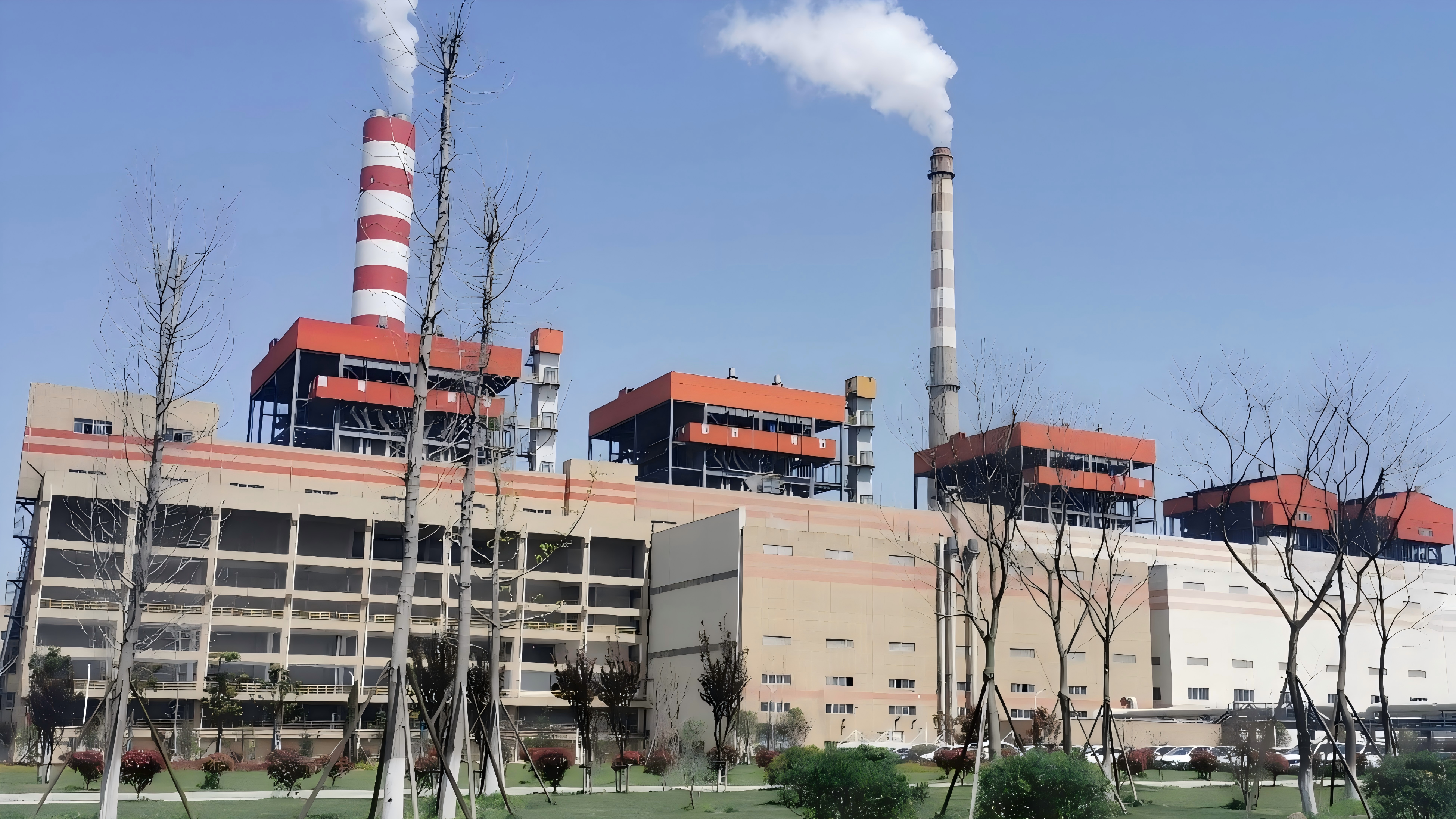
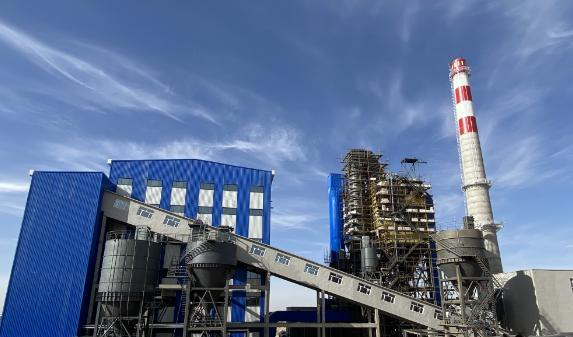
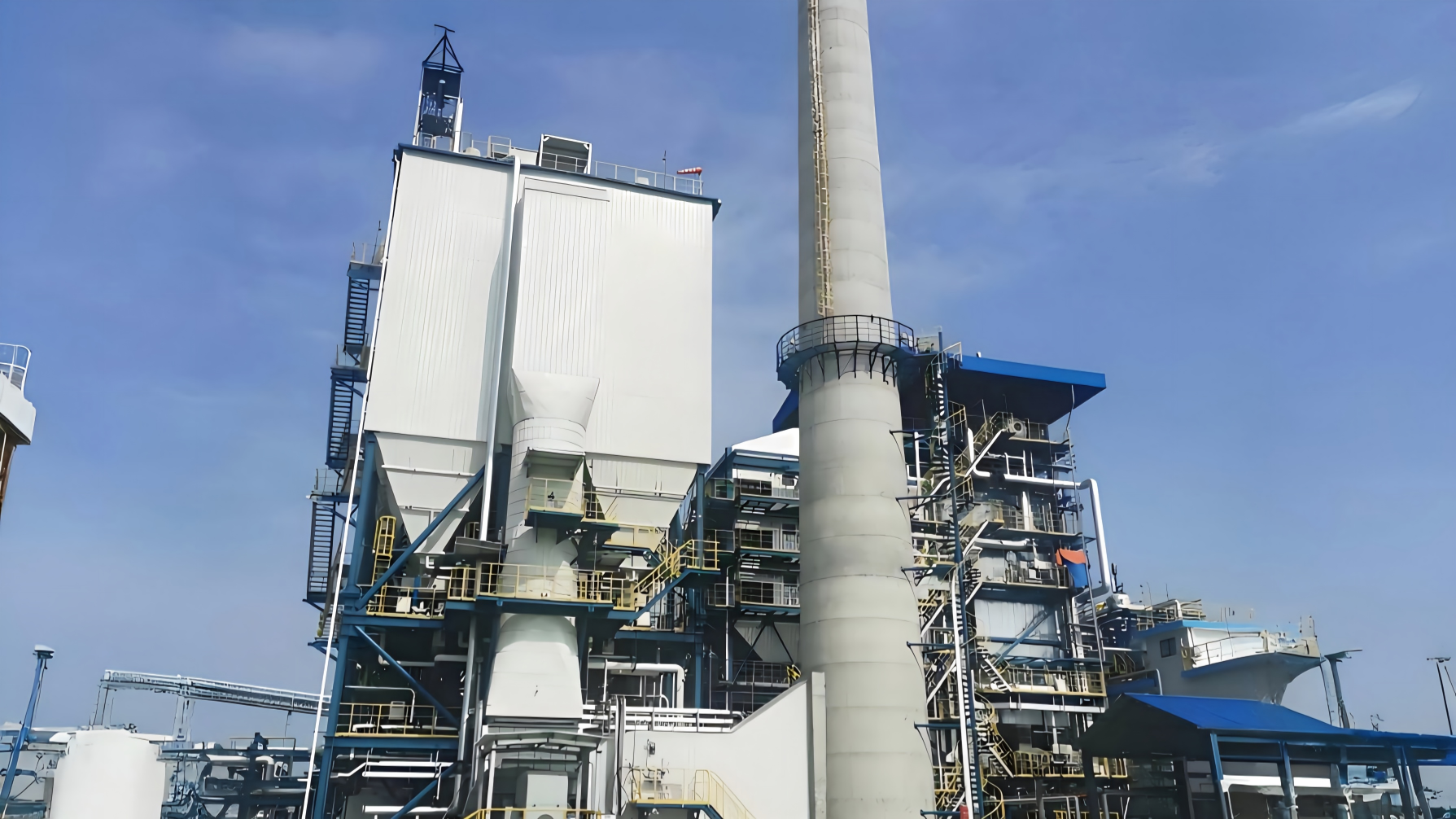
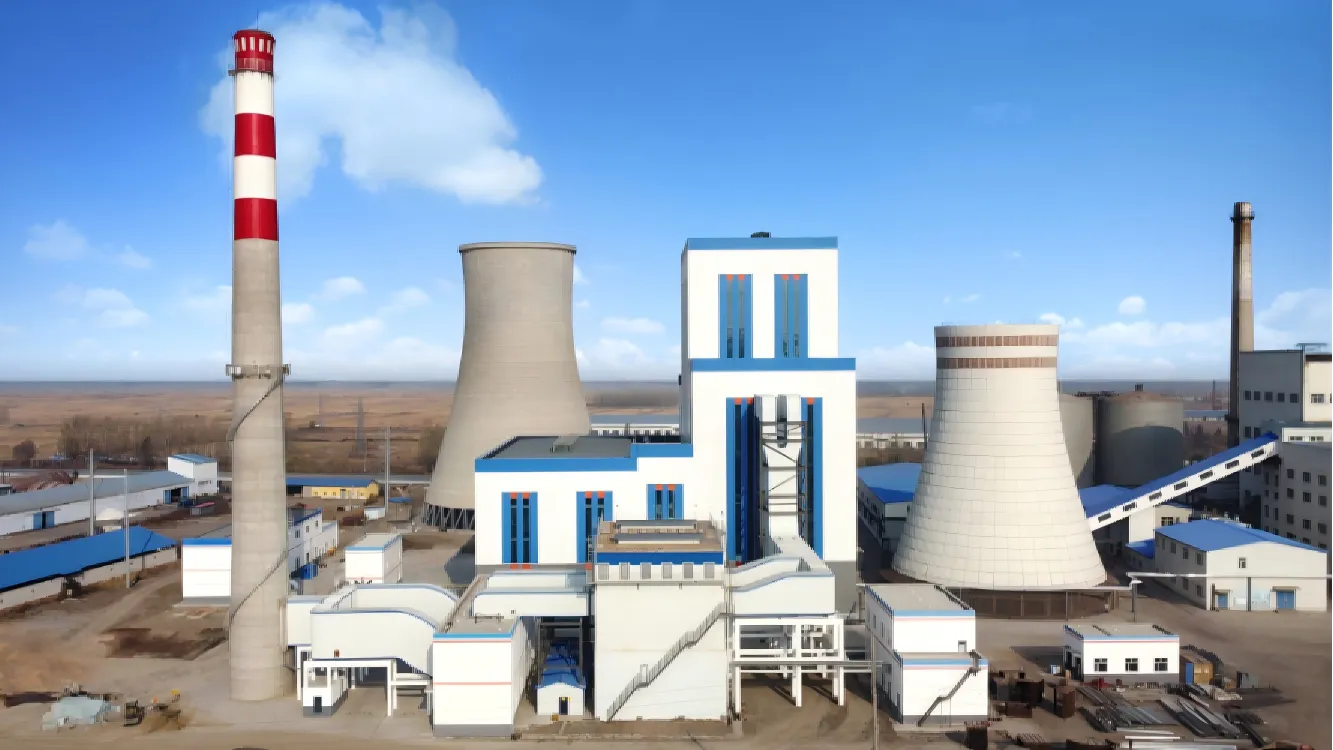
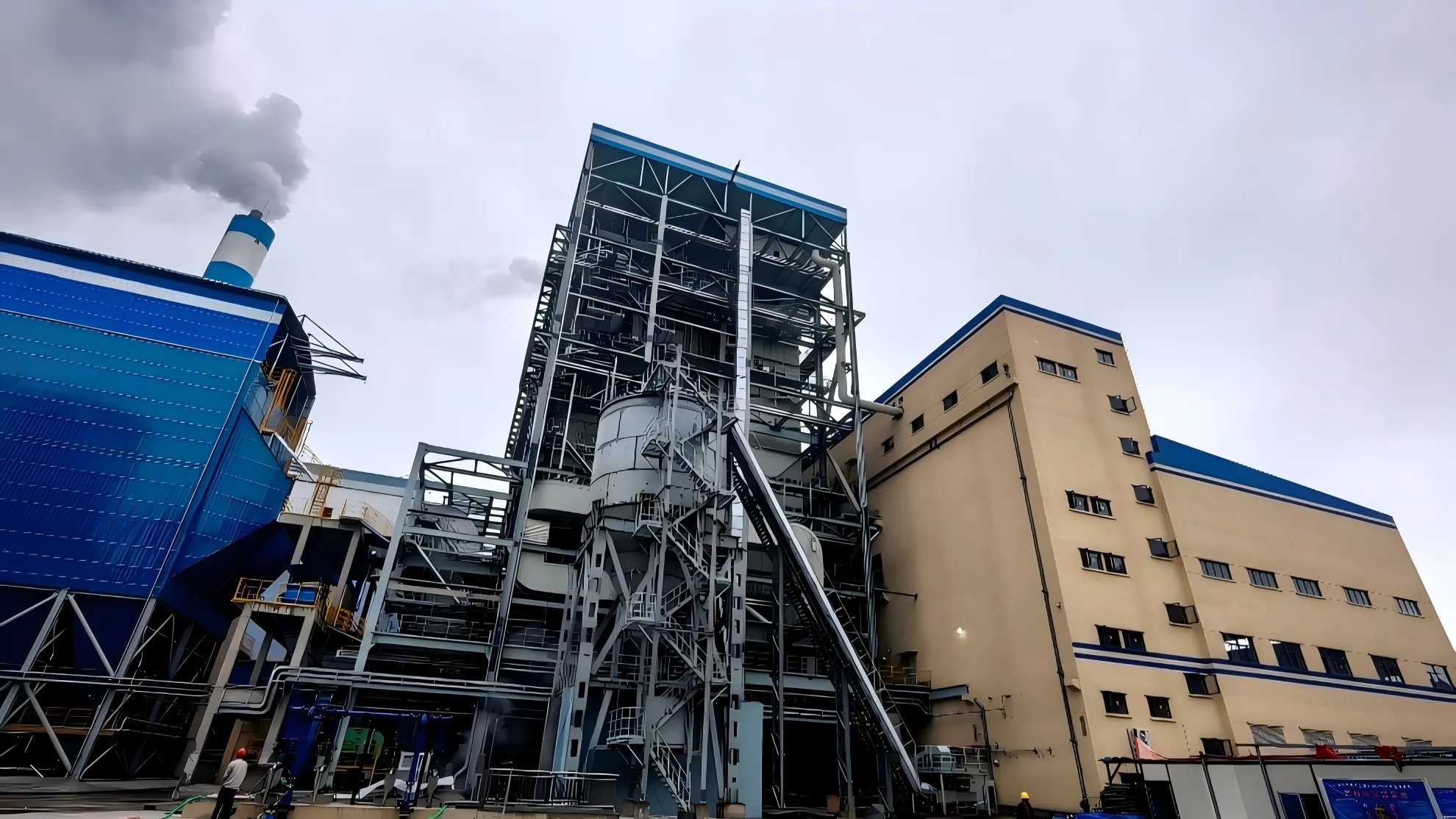
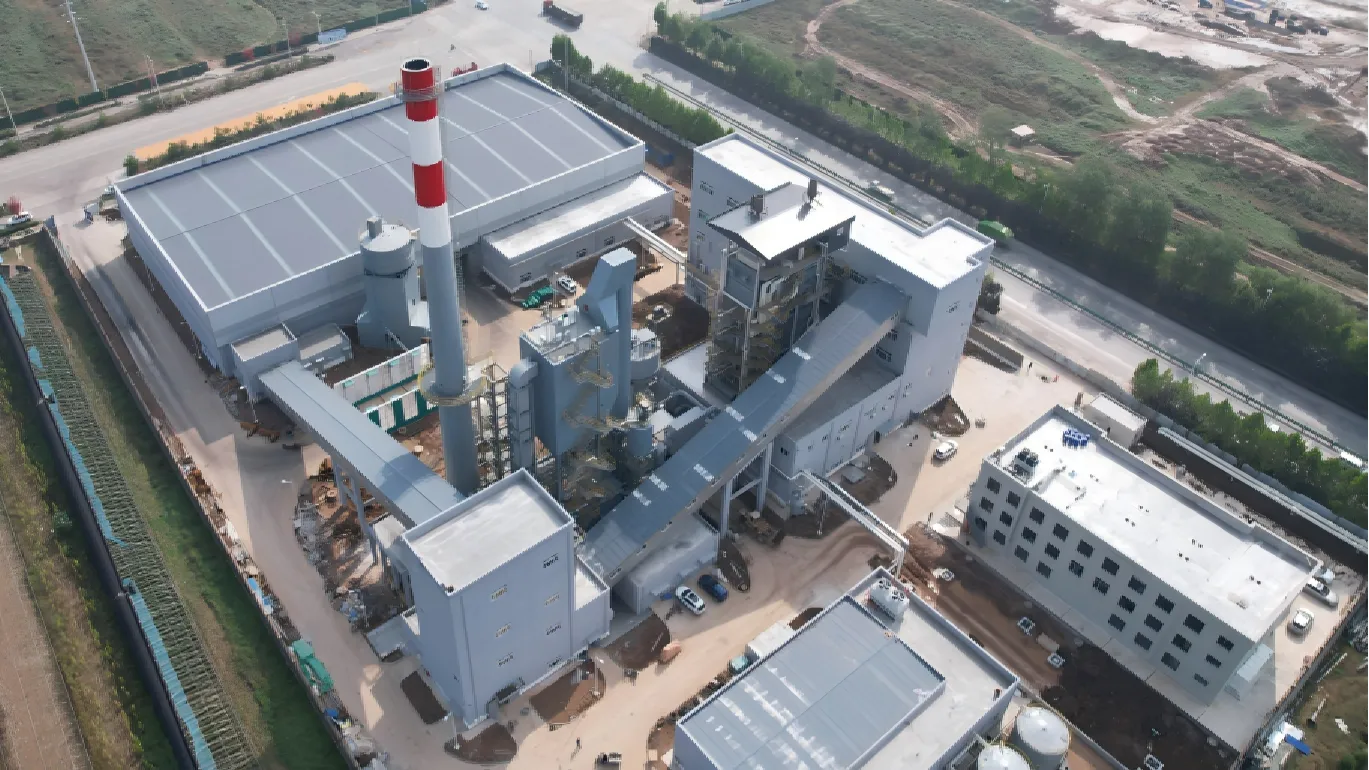
Circulating fluidized bed technology represents a transformative approach to industrial combustion and gasification processes. This advanced system circulates solid particles through a combustor chamber where fuel burns efficiently while maintaining optimal temperature control. The circulating fluidized bed technology operates by suspending particles in an upward-flowing air stream, creating a dynamic mixing environment that enhances fuel contact and combustion efficiency. The main functions of circulating fluidized bed technology include burning various fuel types, including coal, biomass, and waste materials, while minimizing harmful emissions. The system captures ash and unburned particles through cyclone separators, returning them to the combustor for complete combustion. This continuous circulation ensures maximum energy extraction from fuels. Key technological features of circulating fluidized bed technology include its lower operating temperatures compared to traditional combustion methods, typically between 800-900°C, which reduces nitrogen oxide formation. The design provides superior heat transfer characteristics and accommodates fuels with varying moisture and ash content. Advanced controls and monitoring systems optimize performance in real-time. Applications of circulating fluidized bed technology span power generation, industrial heating, biomass conversion, and waste-to-energy facilities. Chemical industries utilize this technology for calcination and roasting processes. The versatility and environmental benefits make circulating fluidized bed technology increasingly popular across multiple industrial sectors seeking cleaner, more efficient energy solutions.

New Product Recommendations

Circulating fluidized bed technology delivers substantial operational and economic benefits for industrial facilities seeking reliable energy solutions. The most compelling advantage is environmental performance. Circulating fluidized bed technology reduces harmful emissions, particularly nitrogen oxides and sulfur dioxide, through lower combustion temperatures and superior mixing. This translates to reduced compliance costs and minimal environmental impact. Operational flexibility represents another critical advantage of circulating fluidized bed technology. The system burns diverse fuel types—coal, biomass, waste, and blended fuels—without requiring major modifications. This flexibility protects investments by adapting to changing fuel availability and costs. Operators enjoy consistent performance regardless of feedstock variations. Efficiency gains directly impact your bottom line. Circulating fluidized bed technology achieves superior heat transfer and combustion efficiency, meaning more energy extracted from every fuel unit burned. Lower operating temperatures reduce maintenance demands and extend equipment lifespan, minimizing unexpected downtime and repair expenses. Scalability makes circulating fluidized bed technology suitable for both small industrial applications and large-scale power generation. Decision-makers appreciate how the technology grows with business needs without fundamental redesign requirements. Maintenance simplicity strengthens long-term value. Circulating fluidized bed technology generates fewer emissions, reducing cleaning requirements and extending component life. The predictable operational profile enables better workforce planning and resource allocation. Finally, economic competitiveness improves through fuel flexibility and efficiency gains. Facilities using circulating fluidized bed technology experience lower energy costs, reduced environmental penalties, and enhanced revenue opportunities from processing diverse waste streams. These practical benefits combine to deliver measurable returns on investment.

Practical Tips

Why does circulating fluidized bed combustion achieve complete fuel burnout?

14

Aug

Why does circulating fluidized bed combustion achieve complete fuel burnout?

Circulating fluidized bed combustion stands as one of the most effective technologies for achieving complete fuel burnout in modern energy generation. Unlike traditional fixed-bed systems, this advanced combustion method creates an environment where ...
View More
What are the vital spare parts to stock for a commercial CFB boiler system?

21

Aug

What are the vital spare parts to stock for a commercial CFB boiler system?

A cfb boiler system represents a significant capital investment for industrial power generation and thermal energy production. Whether operating on coal, biomass, or waste fuel, the reliability of your circulating fluidized bed combustion system dire...
View More
How does fluidized bed combustion adapt to sudden fuel composition shifts?

15

Sep

How does fluidized bed combustion adapt to sudden fuel composition shifts?

Fuel composition variability remains one of the most challenging operational parameters in modern thermal power generation. When feedstock sources shift unexpectedly or intentionally blend different materials, systems must respond quickly to maintain...
View More
What prevents bed agglomeration inside a heavy-duty circulating fluidized bed?

29

Oct

What prevents bed agglomeration inside a heavy-duty circulating fluidized bed?

Bed agglomeration represents one of the most significant operational challenges in heavy-duty circulating fluidized bed systems, where fine particles and ash combine to form large, unfluidizable clusters that compromise combustion efficiency and equi...
View More

Get a Free Quote

Our representative will contact you soon.
Email
Name
Company Name
Message
0/1000

circulating fluidized bed technology

Superior Emission Control Through Advanced Combustion

Superior Emission Control Through Advanced Combustion

Circulating fluidized bed technology achieves exceptional environmental performance by operating at lower temperatures than conventional combustion systems. The continuous mixing and circulation of particles creates optimal conditions for complete fuel combustion, virtually eliminating unburned material. This results in significantly reduced nitrogen oxide emissions, a primary concern for regulatory compliance. The sulfur dioxide formed during combustion reacts with limestone added to the bed, forming solid compounds that are captured with ash. For facilities facing strict environmental regulations, circulating fluidized bed technology represents a cost-effective solution. Operators reduce or eliminate expensive post-combustion emission control systems while maintaining high combustion efficiency. The integrated approach of circulating fluidized bed technology means environmental benefits don't compromise energy output or operational reliability. This dual advantage makes circulating fluidized bed technology particularly valuable for regions with stringent emissions standards.
Fuel Flexibility and Feedstock Adaptability

Fuel Flexibility and Feedstock Adaptability

One distinguishing advantage of circulating fluidized bed technology is its remarkable ability to accept diverse fuel sources without operational complications. Whether burning coal, agricultural residues, wood chips, municipal waste, or industrial by-products, circulating fluidized bed technology maintains consistent performance. This adaptability stems from the technology's inherent design—the vigorous mixing and extended residence time ensure complete combustion regardless of feedstock characteristics. For industrial operators, this fuel flexibility translates directly to cost savings and supply chain resilience. When coal prices spike, facilities can shift to biomass or waste fuels without expensive equipment modifications. Blending multiple fuel sources becomes straightforward, optimizing fuel procurement strategies. Circulating fluidized bed technology enables businesses to capitalize on local fuel availability and market opportunities, significantly reducing long-term energy costs while building operational independence from single fuel suppliers.
Extended Equipment Lifespan and Reduced Maintenance

Extended Equipment Lifespan and Reduced Maintenance

Circulating fluidized bed technology's lower operating temperatures and superior thermal design dramatically extend equipment longevity compared to conventional combustion systems. Components experience less thermal stress, corrosion, and mechanical wear, resulting in fewer failures and emergency replacements. The predictable operational conditions allow maintenance planning, reducing unscheduled downtime that impacts productivity. Facility managers appreciate how circulating fluidized bed technology reduces maintenance costs substantially. Lower temperatures mean less aggressive corrosion patterns, while the integrated solids handling minimizes erosion problems. Routine maintenance becomes more manageable, with longer intervals between major overhauls. Over a facility's operational lifetime, these maintenance advantages compound significantly. Choosing circulating fluidized bed technology means protecting capital investments through reliable, long-lasting performance that delivers consistent returns across decades of operation.

Get a Free Quote

Our representative will contact you soon.
Email
Name
Company Name
Message
0/1000
email goToTop