
 EN
EN



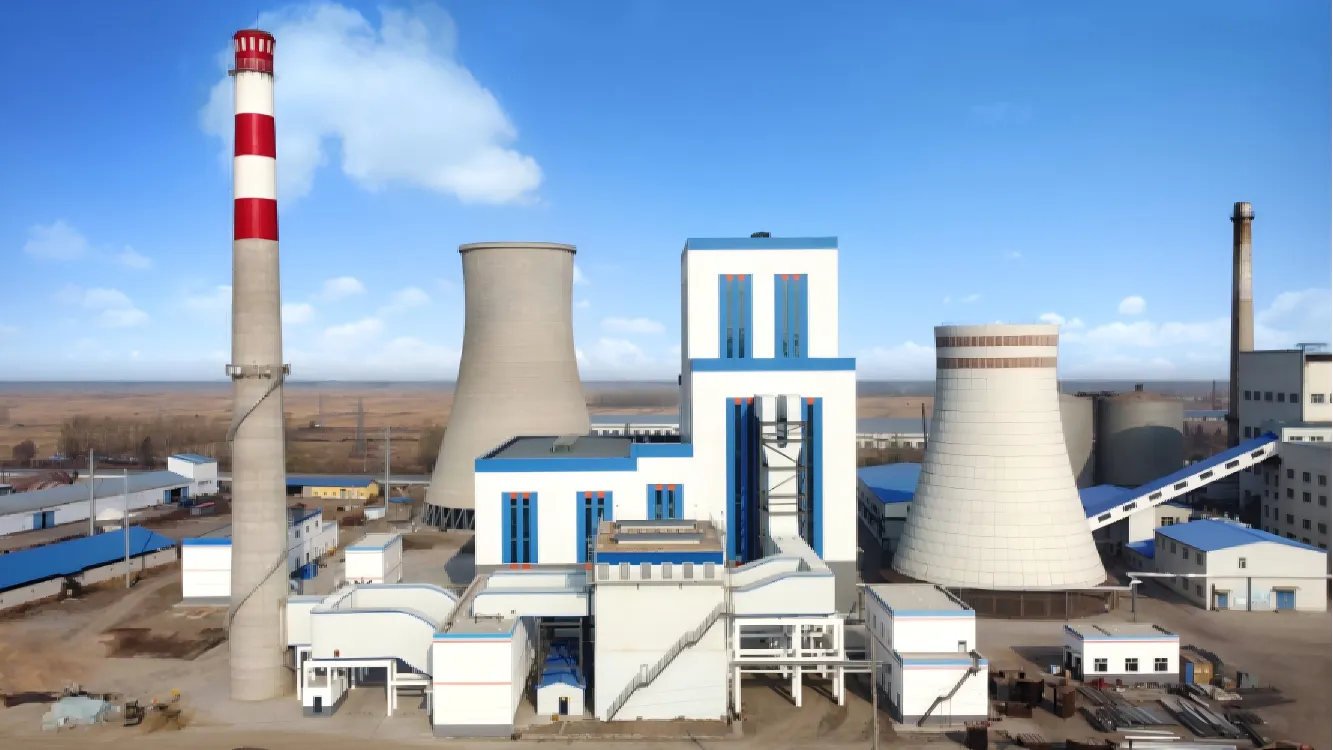
Circulating fluidized bed combustion stands as one of the most effective technologies for achieving complete fuel burnout in modern energy generation. Unlike traditional fixed-bed systems, this advanced combustion method creates an environment where fuel particles experience extended contact with combustion air, resulting in near-complete consumption of solid fuel. Understanding why this technology excels requires examining the fundamental mechanisms that enable superior efficiency and minimal unburned carbon losses in both coal and biomass applications.
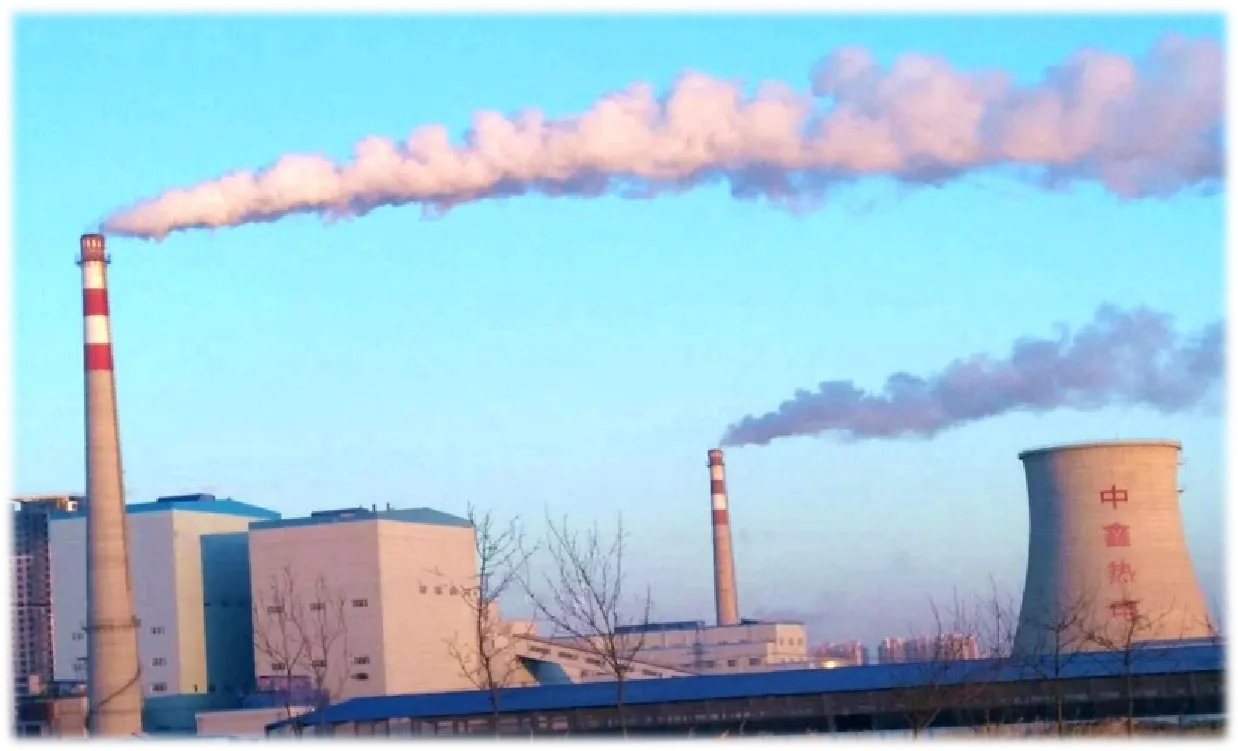
The superior combustion performance of fluidized bed boiler efficiency has revolutionized thermal power generation, particularly for difficult-to-burn fuels like coal, biomass, and waste materials. Complete fuel burnout represents a critical operational goal because it directly impacts plant profitability, environmental compliance, and system reliability. When combustion is incomplete, unburned carbon escapes as fly ash or settles as bottom ash, reducing energy recovery and increasing disposal costs. This article explores the scientific principles that enable complete fuel burnout and the operational advantages that make this technology the preferred choice for large-scale power generation.
Turbulent Mixing and Extended Residence Time
How Circulation Creates Optimal Combustion Conditions
The fundamental advantage of circulating fluidized bed combustion lies in its ability to maintain intense mixing between fuel particles and combustion air. In a circulating system, the high velocity of fluidizing air (typically 4 to 8 meters per second) suspends fuel particles throughout the combustion chamber rather than allowing them to settle. This suspended state means fuel particles circulate continuously, encountering fresh oxygen throughout their residence time. Coal combustion technology in traditional furnaces often suffers from incomplete burnout because fuel settles in dead zones with limited air contact. The circulating design eliminates these dead zones by maintaining vigorous particle suspension and recirculation patterns.
Particle Recirculation Mechanisms
Cyclone separators play a vital role in the circulating fluidized bed boiler efficiency equation. These devices capture fuel particles exiting the combustion chamber and return them to the furnace, creating a recirculation loop that extends effective residence time far beyond what gravity alone would allow. A single fuel particle may circulate through the combustion zone multiple times before it is fully consumed. This recirculation guarantees that even slightly volatile coal constituents and biomass particles have repeated opportunities to burn. Biomass energy conversion systems particularly benefit from this mechanism because wood, agricultural residues, and other organic materials require adequate drying and gasification before reaching their burn-out point. The extended circulation path ensures these materials receive sufficient thermal exposure.
Temperature Uniformity and Thermal Environment
Stable Combustion Bed Temperature Control
Complete fuel burnout depends critically on maintaining a consistent, optimal combustion temperature. Circulating fluidized bed combustion systems achieve this through the large thermal mass of the bed material (typically sand or limestone) that circulates with fuel particles. This massive heat capacity creates a thermally stable environment where temperature gradients are minimized. Coal combustion technology in conventional boilers often experiences localized hot spots and cold regions, leading to incomplete combustion in cooler zones. The uniform temperature field in a circulating fluidized bed ensures that all fuel particles experience equally favorable combustion conditions regardless of their vertical or horizontal position within the furnace.
Oxygen Availability Throughout the Combustion Zone
Oxygen concentration remains consistently available across the entire combustion chamber because air is injected through multiple points and the vigorous circulation prevents stratification. Fluidized bed boiler efficiency depends on this oxygen uniformity because localized oxygen depletion would leave partially burned carbon unoxidized. The solid bed material acts as a heat transfer medium that distributes combustion energy evenly, while the circulating motion ensures fresh air continuously encounters fuel surfaces. Biomass energy conversion systems require this consistent oxygen supply because heterogeneous fuel particles (wood chips, bark, straw) have variable burn characteristics. Uniform oxygen availability overcomes these variations by providing sufficient oxidant for each particle type.
Chemical Kinetics and Burnout Acceleration
Reaction Rate Enhancement Through Optimal Conditions
The chemical kinetics of fuel oxidation accelerate under the specific conditions created by circulating fluidized bed combustion. Higher temperatures (typically 800 to 900 degrees Celsius) combined with vigorous oxygen supply dramatically increase reaction rates compared to cooler, less-turbulent conventional combustion. Coal combustion technology benefits from these elevated temperatures because higher molecular motion accelerates carbon oxidation. The residence time at these elevated temperatures averages 5 to 10 seconds, sufficient for virtually all volatile matter and fixed carbon to oxidize completely. Biomass energy conversion systems achieve similarly high completion rates because the combination of mechanical turbulence and thermal energy breaks down woody structure and promotes full consumption of cellulose and lignin components.
Catalytic and Additive Effects
Limestone or sand particles that circulate in the bed act as both heat carriers and reaction catalysts. These inert materials provide abundant surface area for fuel particles to contact, increasing overall reaction interface. When limestone is used as bed material, its alkaline properties can enhance certain oxidation reactions, improving fluidized bed boiler efficiency. Coal combustion technology also benefits because mineral content in coal (ash) contacts the bed material, promoting more complete burnout of carbon through surface reactions. For biomass energy conversion systems, the abundance of mineral contact sites ensures that even recalcitrant carbon compounds undergo complete oxidation before exiting the furnace as fly ash.
FAQ
Why does coal combustion technology require circulating systems for high burnout rates?
Fixed-bed coal combustion systems allow fuel to settle and form zones with limited oxygen access, leaving unburned carbon trapped in ash. Circulating fluidized bed combustion continuously suspends and recirculates particles, ensuring every fragment encounters adequate air and temperature conditions for complete oxidation. The recirculation loops particles through the combustion zone multiple times, virtually eliminating incomplete burnout while improving fluidized bed boiler efficiency by 3 to 5 percentage points compared to conventional systems.
How does biomass energy conversion differ in circulating systems?
Biomass fuels have highly variable density, shape, and burn characteristics that make complete combustion challenging in static beds. Circulating fluidized bed combustion accommodates this variability by providing uniform thermal and chemical conditions that overcome fuel heterogeneity. The extended residence time and continuous recirculation ensure that slow-burning biomass components (thick bark, high-moisture chips) receive sufficient heating and oxygen exposure to reach complete burnout. This adaptive quality makes circulating systems superior for waste wood, agricultural residues, and mixed biomass streams.
What practical operational benefits result from complete fuel burnout?
Achieving complete fuel burnout through circulating fluidized bed combustion directly increases thermal efficiency, reduces ash disposal volume, minimizes unburned carbon losses, and improves regulatory compliance. Lower unburned carbon content means more energy is extracted per unit fuel, reducing operating costs. Complete burnout also reduces carbon monoxide and smoke emissions, supporting environmental performance. For operators managing coal combustion technology or biomass energy conversion systems, complete burnout translates to measurable improvements in heat rate, fuel cost per megawatt-hour, and environmental compliance margins.

