circulating fluidized bed technology
Circulating fluidized bed technology represents a transformative approach to industrial combustion and gasification processes. This advanced system circulates solid particles through a combustor chamber where fuel burns efficiently while maintaining optimal temperature control. The circulating fluidized bed technology operates by suspending particles in an upward-flowing air stream, creating a dynamic mixing environment that enhances fuel contact and combustion efficiency.
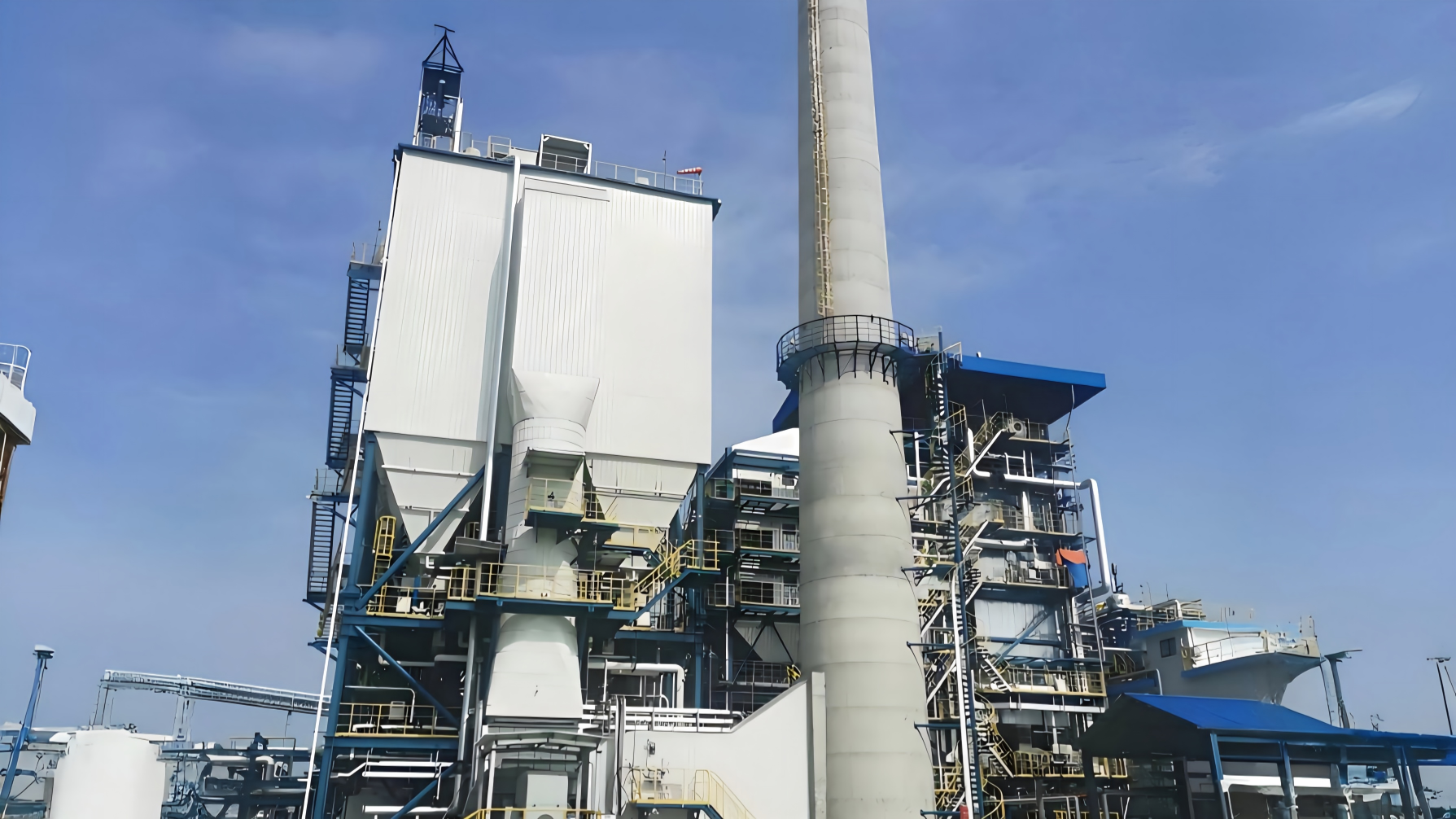
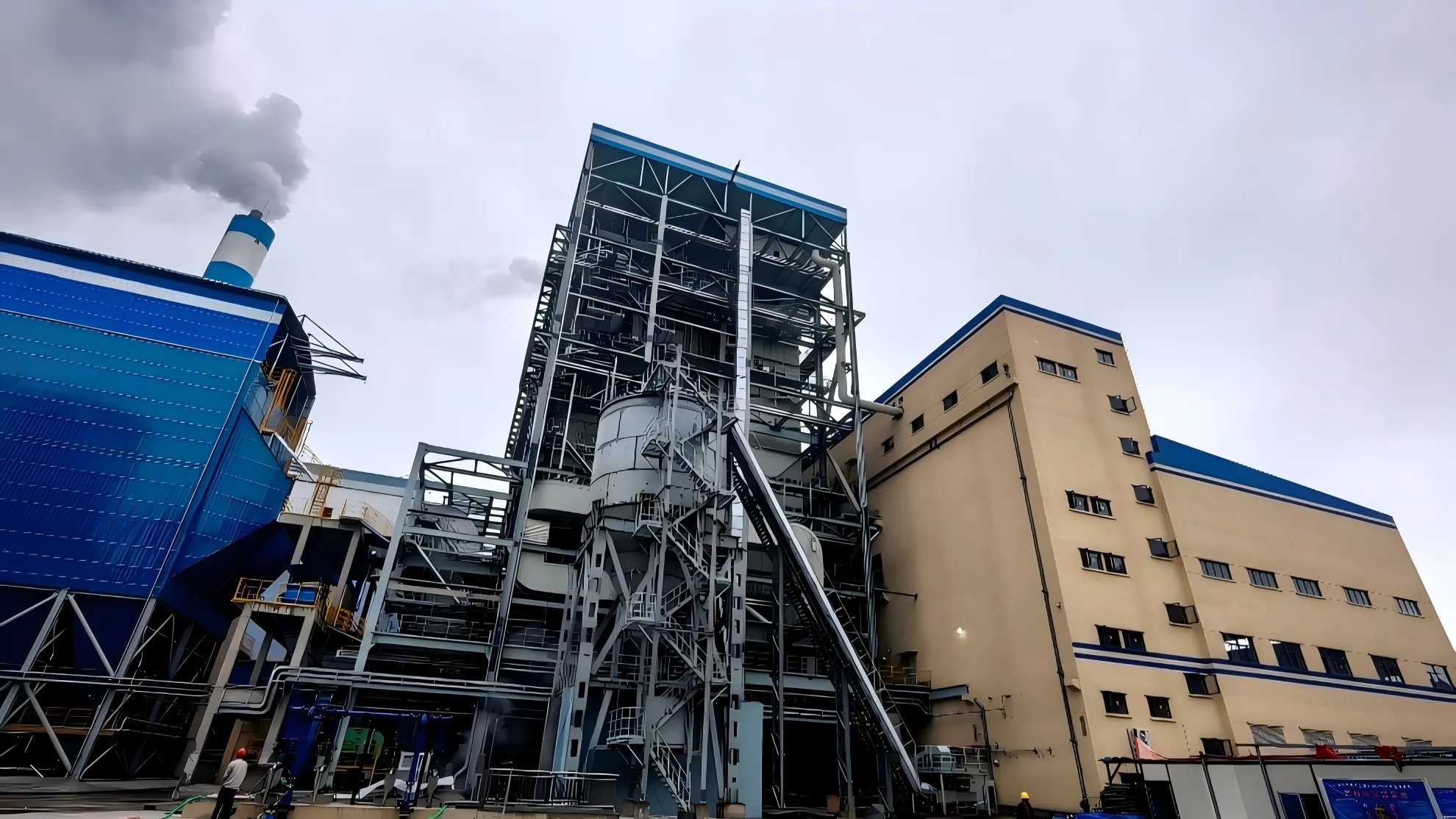
The main functions of circulating fluidized bed technology include burning various fuel types, including coal, biomass, and waste materials, while minimizing harmful emissions. The system captures ash and unburned particles through cyclone separators, returning them to the combustor for complete combustion. This continuous circulation ensures maximum energy extraction from fuels.
Key technological features of circulating fluidized bed technology include its lower operating temperatures compared to traditional combustion methods, typically between 800-900°C, which reduces nitrogen oxide formation. The design provides superior heat transfer characteristics and accommodates fuels with varying moisture and ash content. Advanced controls and monitoring systems optimize performance in real-time.
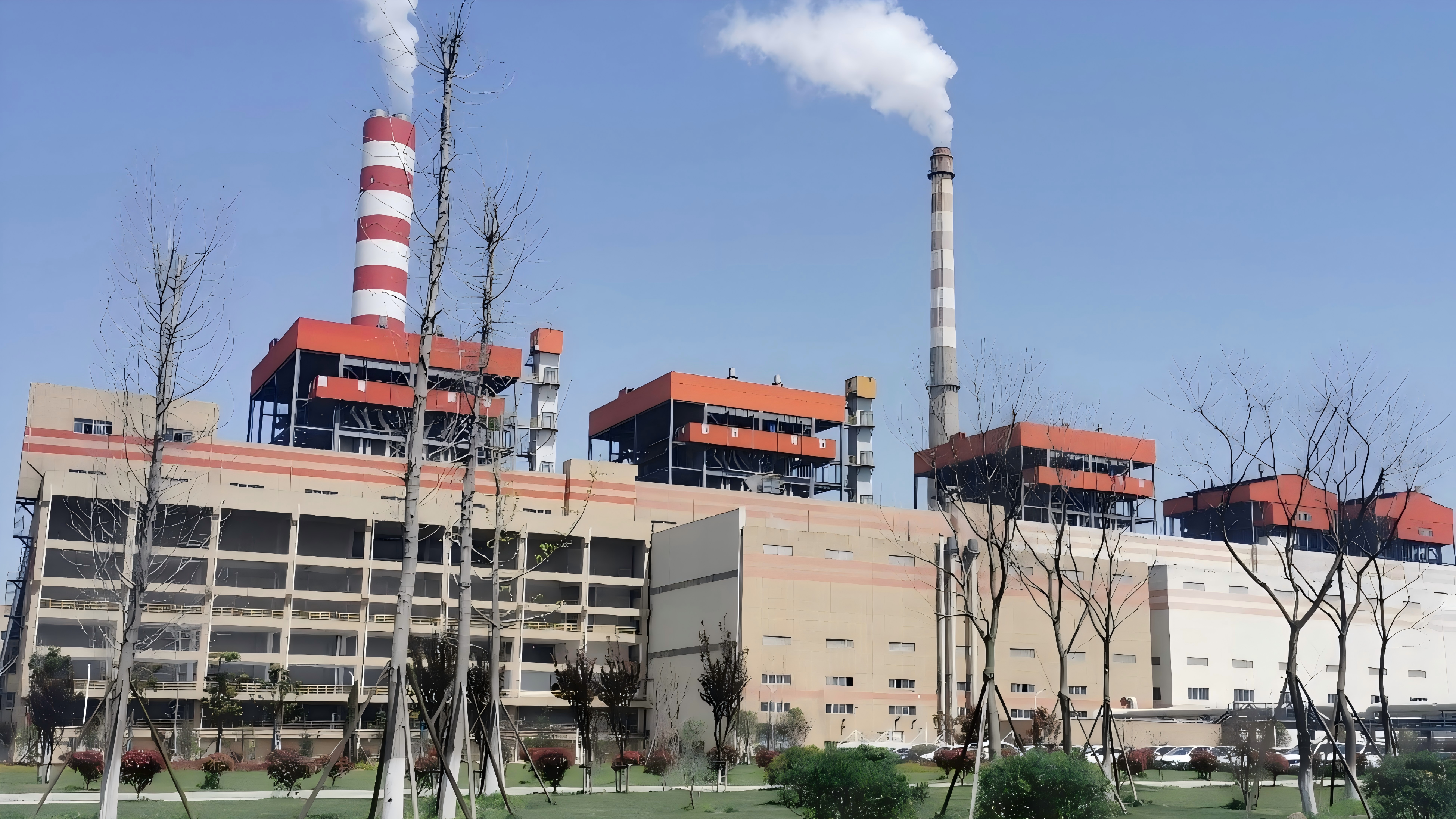
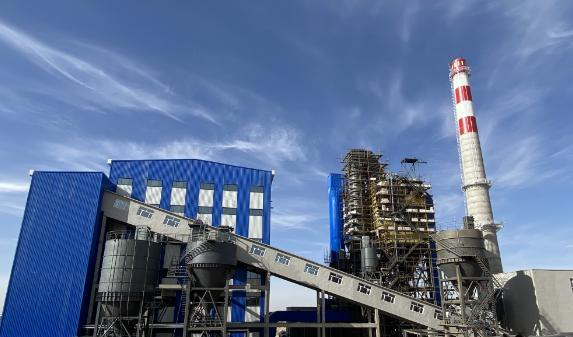
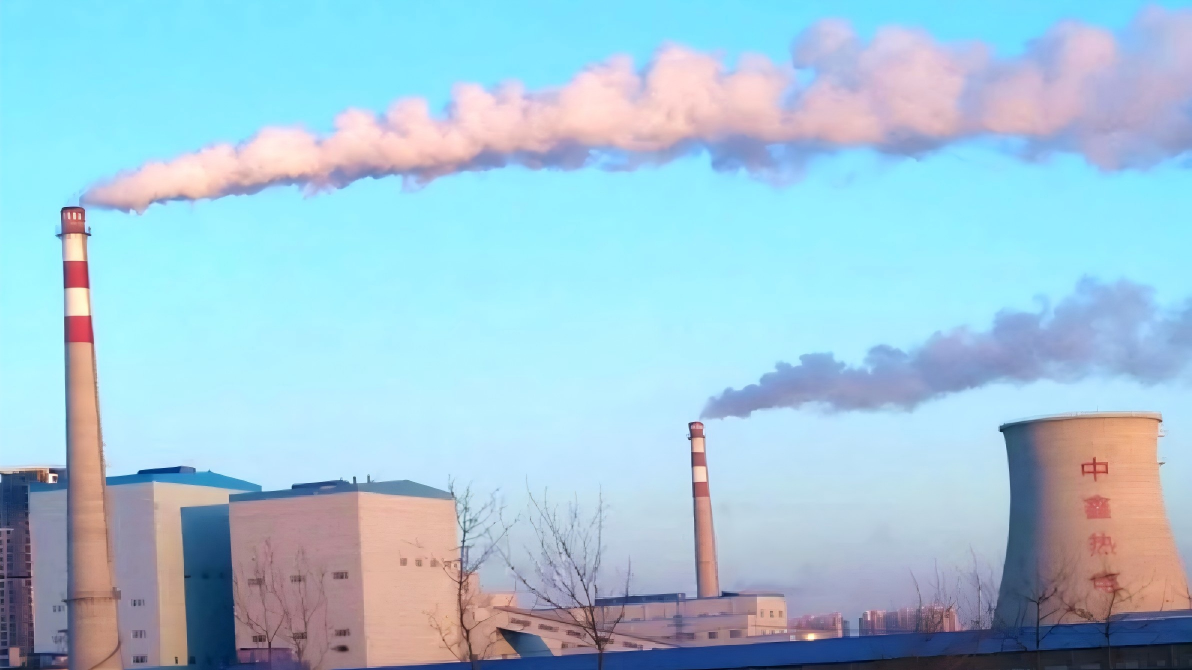
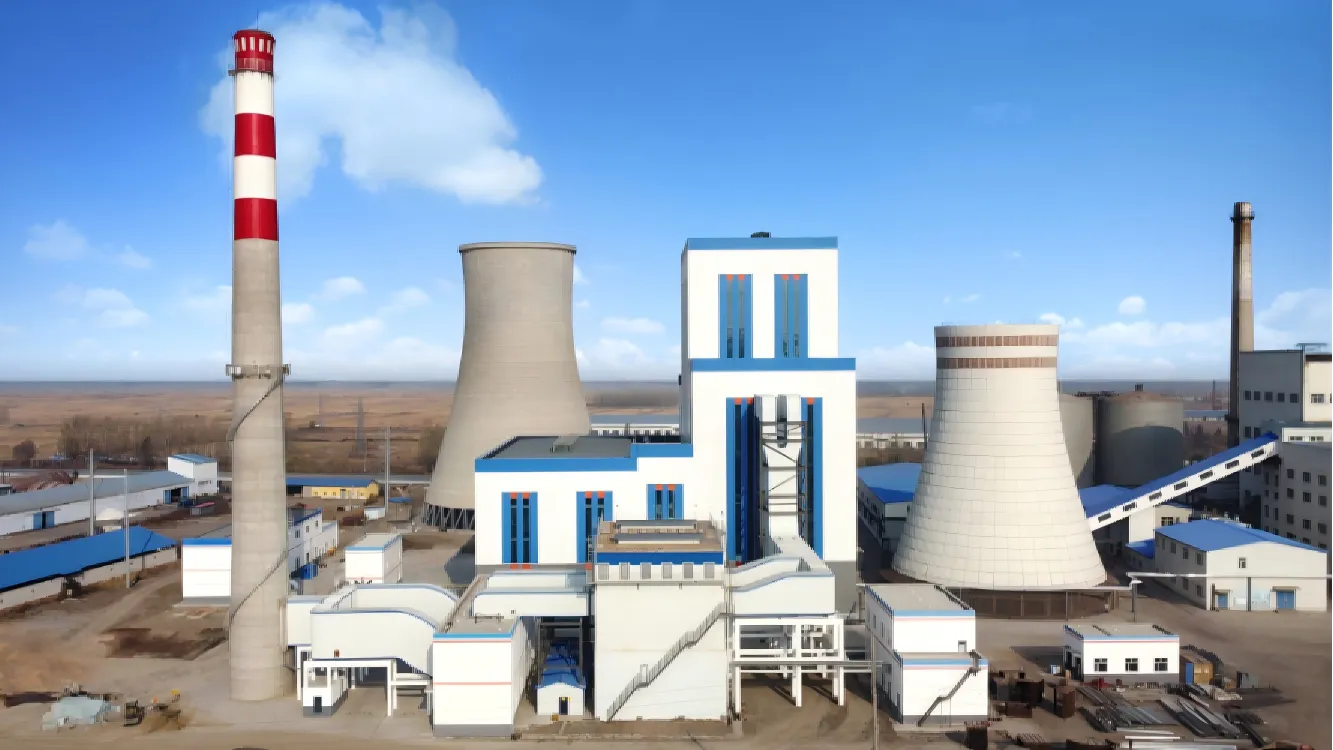
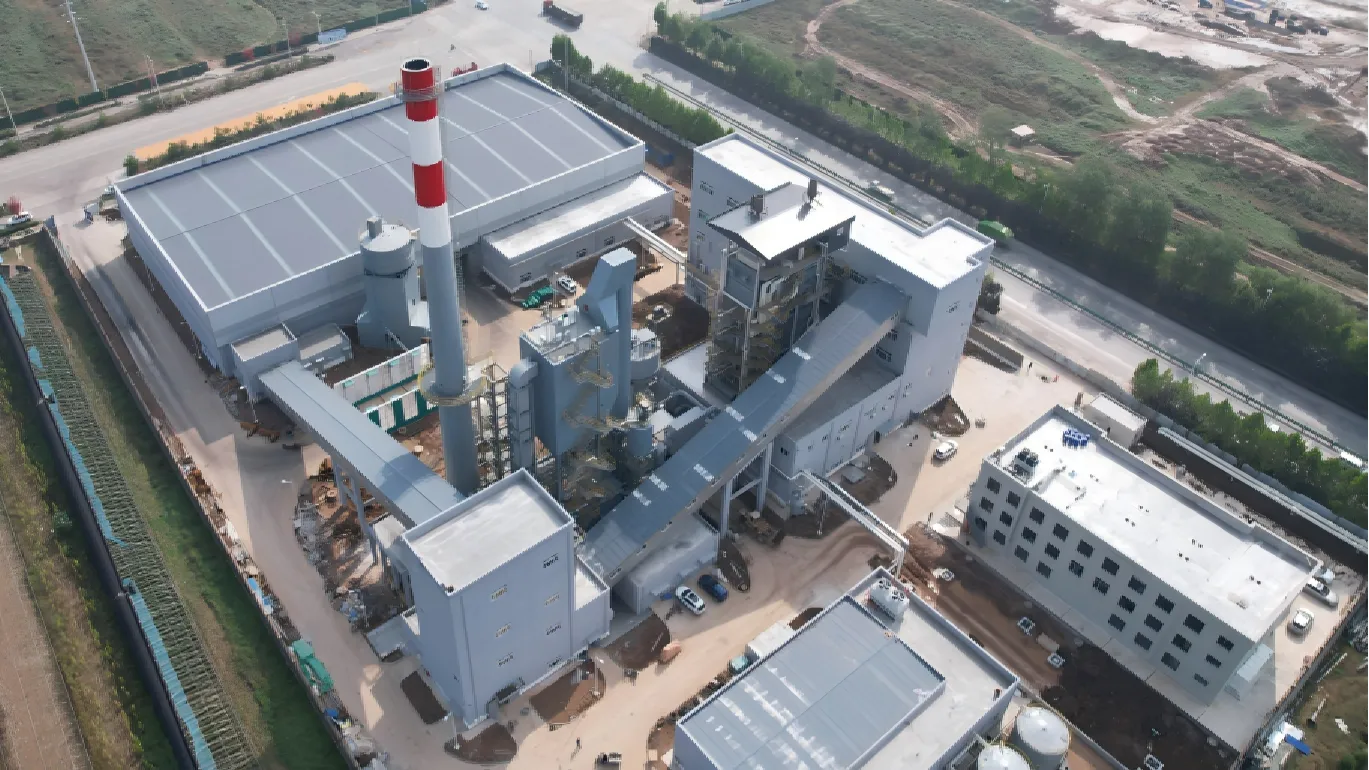
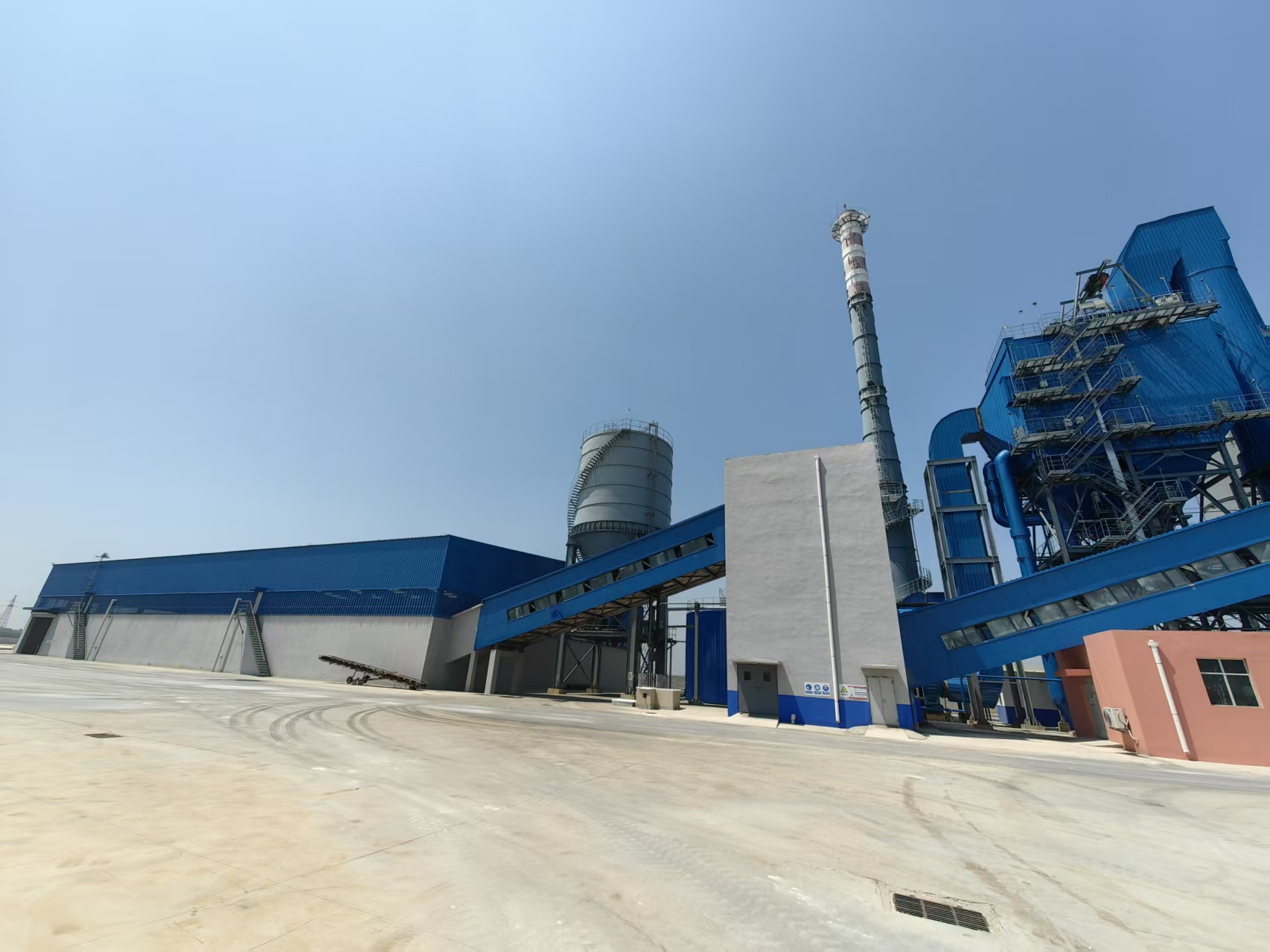
Applications of circulating fluidized bed technology span power generation, industrial heating, biomass conversion, and waste-to-energy facilities. Chemical industries utilize this technology for calcination and roasting processes. The versatility and environmental benefits make circulating fluidized bed technology increasingly popular across multiple industrial sectors seeking cleaner, more efficient energy solutions.

 EN