circulating fluidized bed combustion
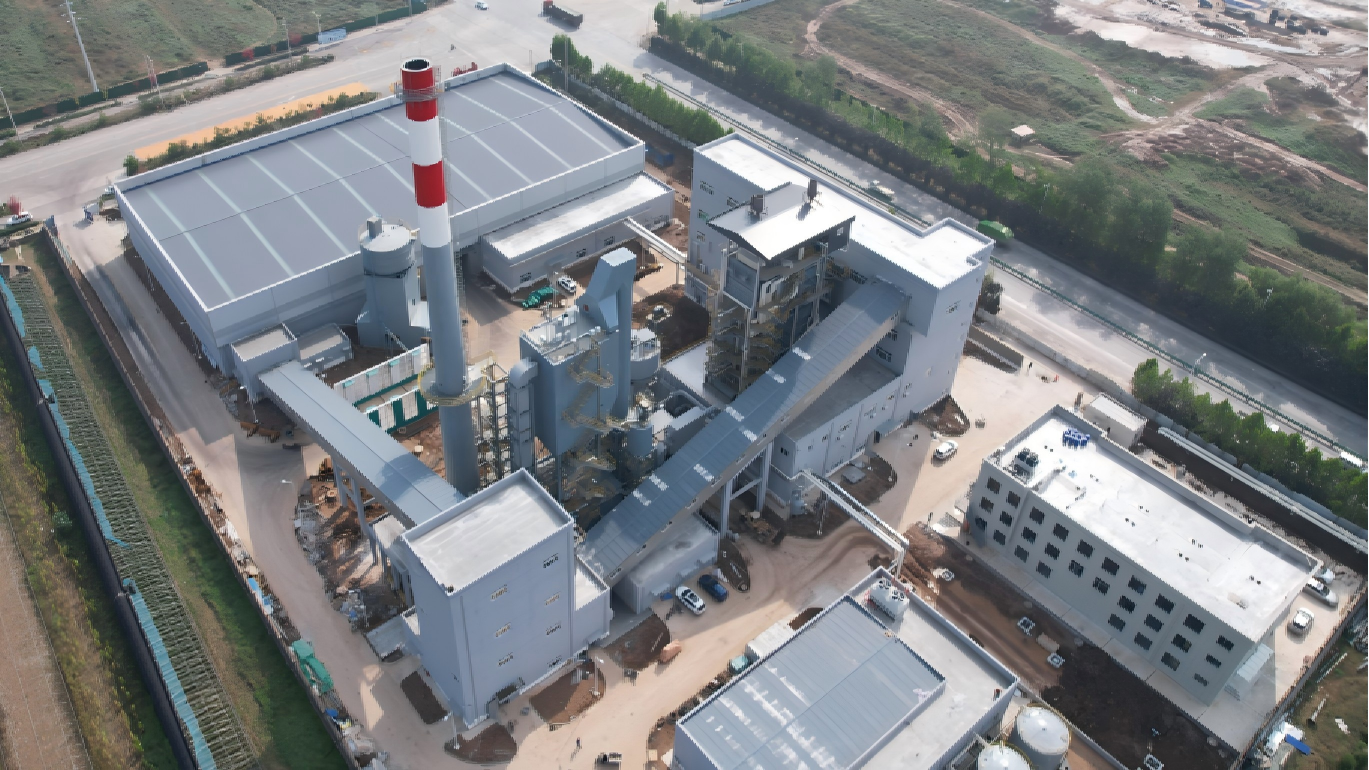
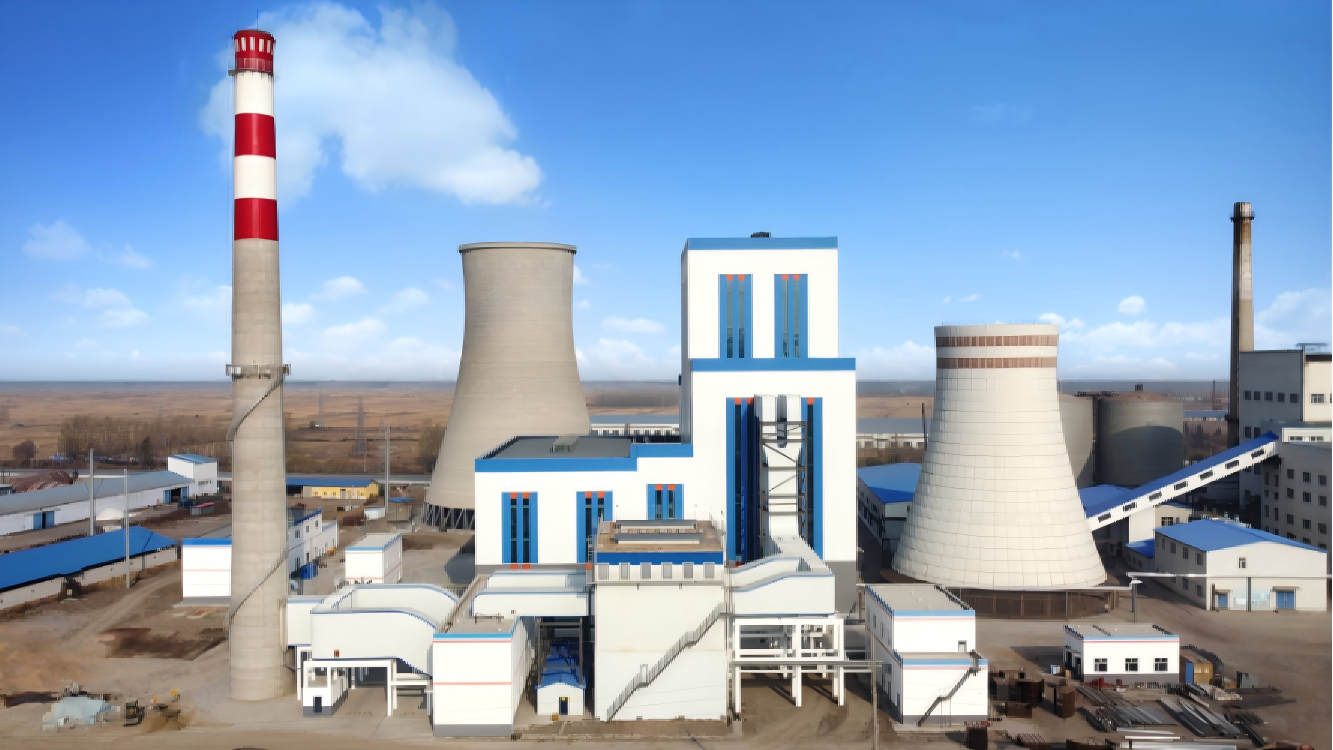
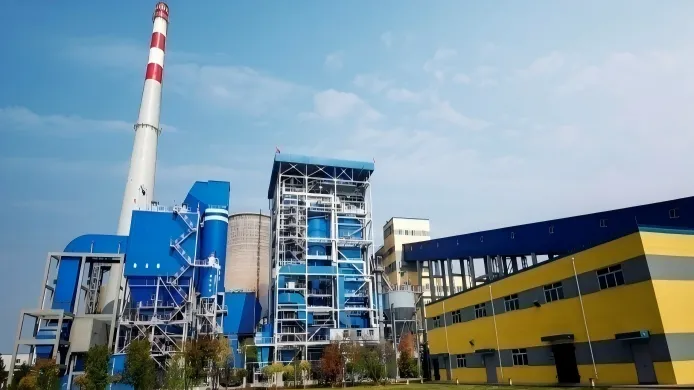
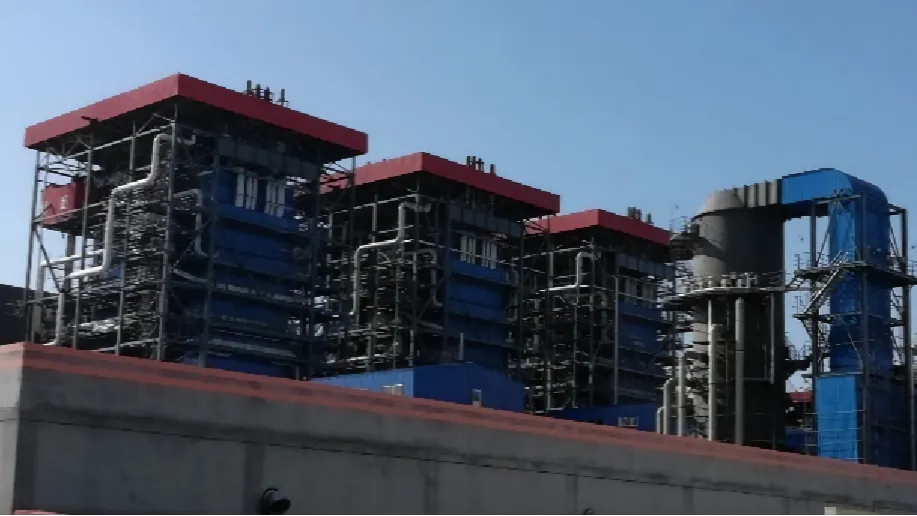
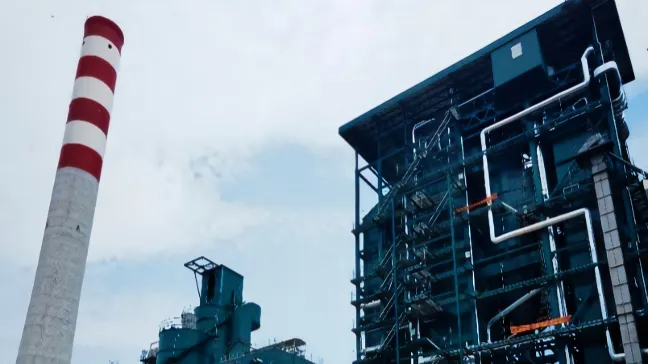
Circulating fluidized bed combustion represents a modern thermal energy generation technology that efficiently burns various fuel types while maintaining strict environmental standards. This advanced combustion system operates by suspending solid fuel particles in an upward-flowing air stream, creating a dynamic mixing environment that promotes complete fuel oxidation. The circulating fluidized bed combustion process continuously recirculates unburned particles back into the combustion chamber, maximizing fuel efficiency and heat extraction.
The main functions of circulating fluidized bed combustion include converting chemical energy from fuel into thermal energy for electricity generation or direct heating applications. This technology excels at handling diverse fuel sources, including coal, biomass, waste materials, and alternative fuels with varying moisture and ash content. The circulating fluidized bed combustion system maintains precise temperature control, typically between 800-900 degrees Celsius, which optimizes combustion efficiency while reducing harmful emissions.
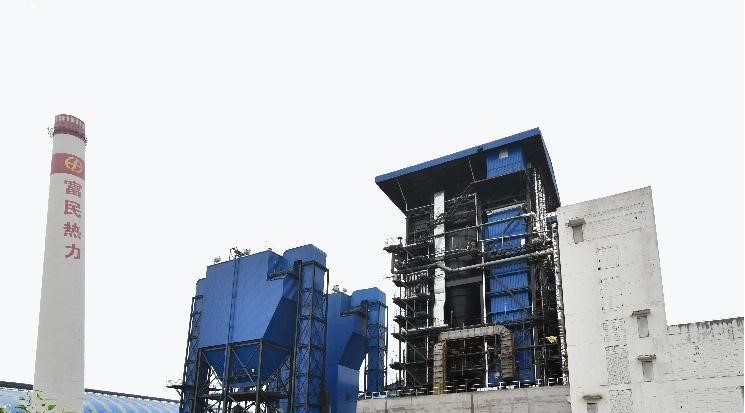
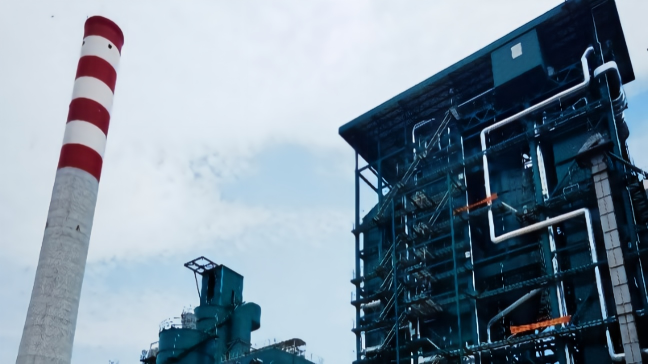
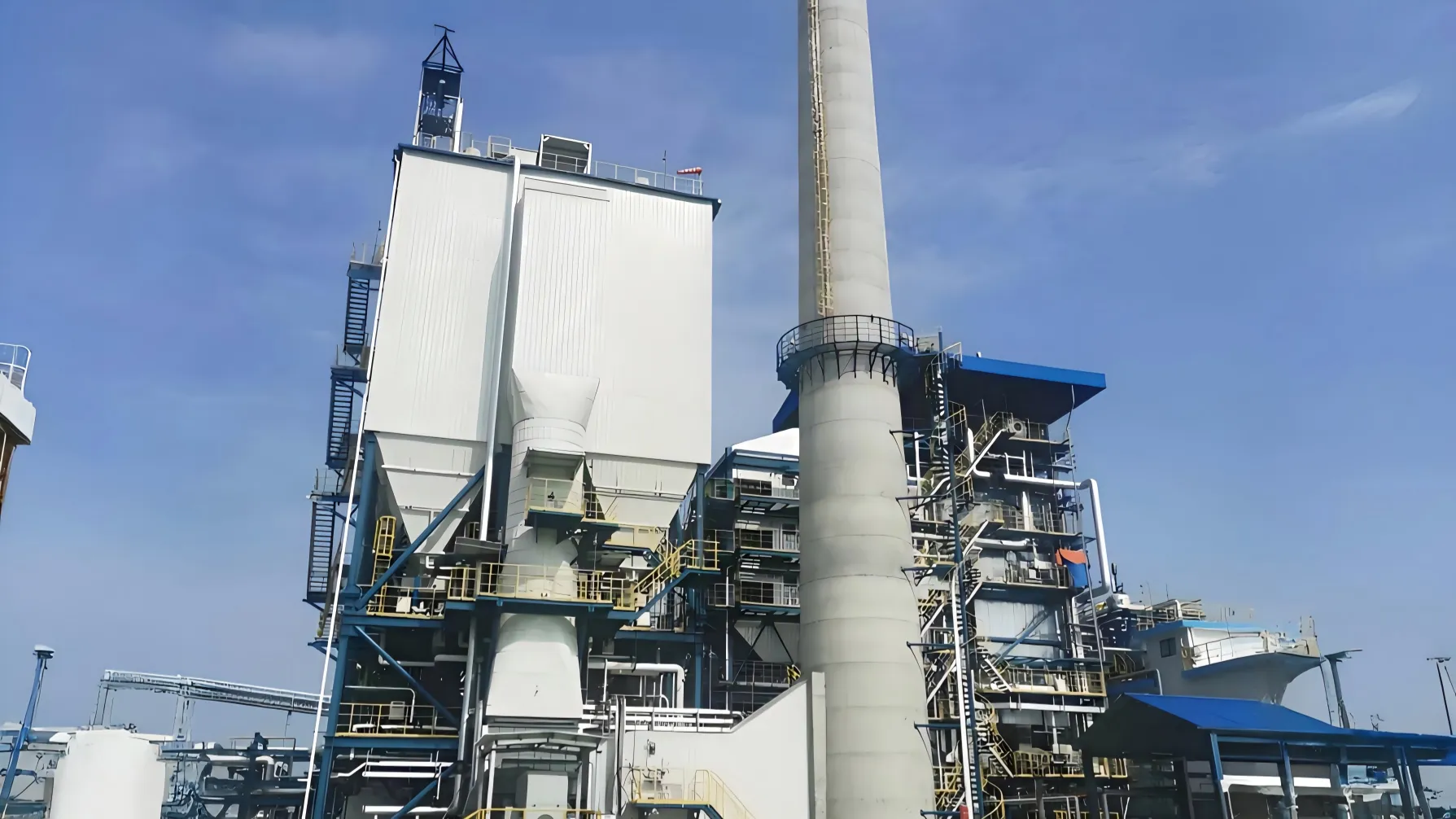
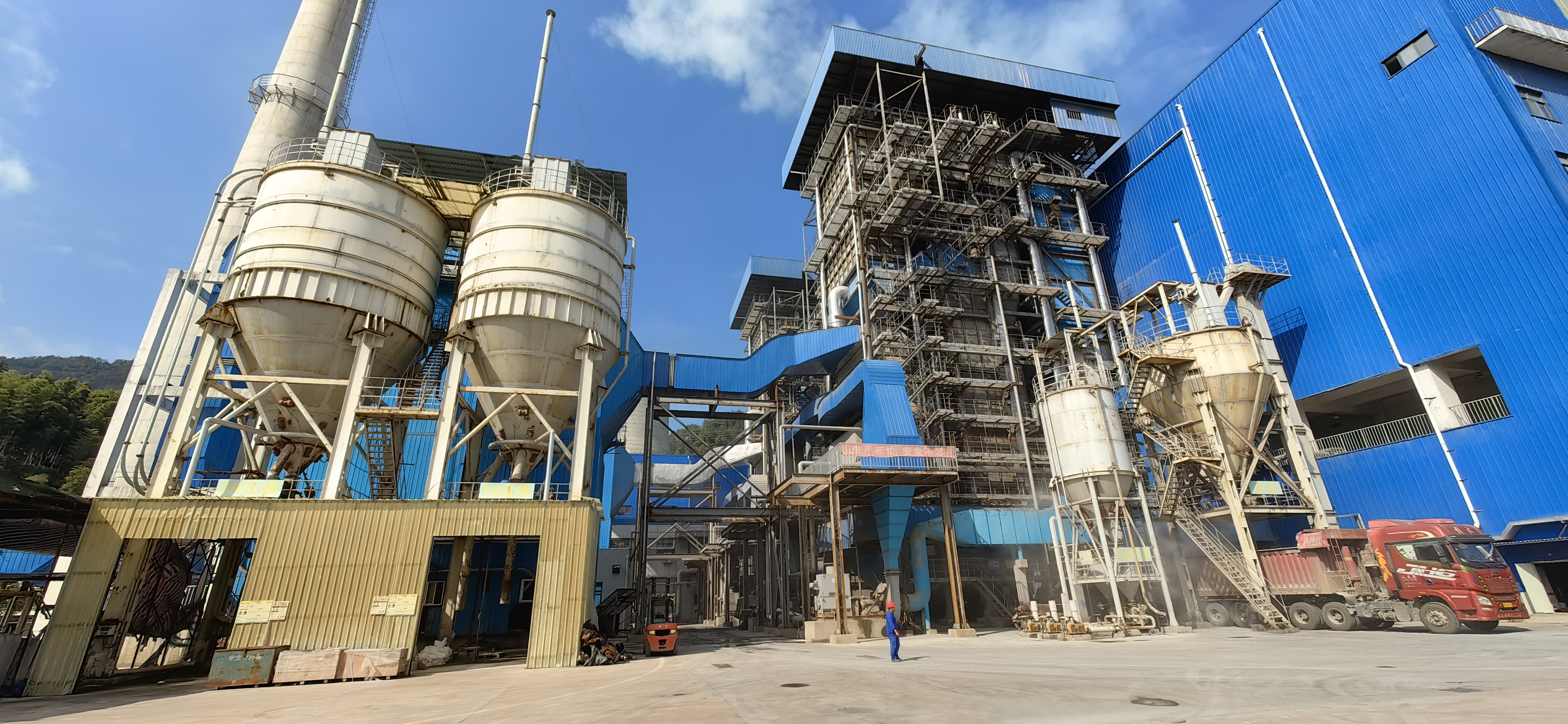
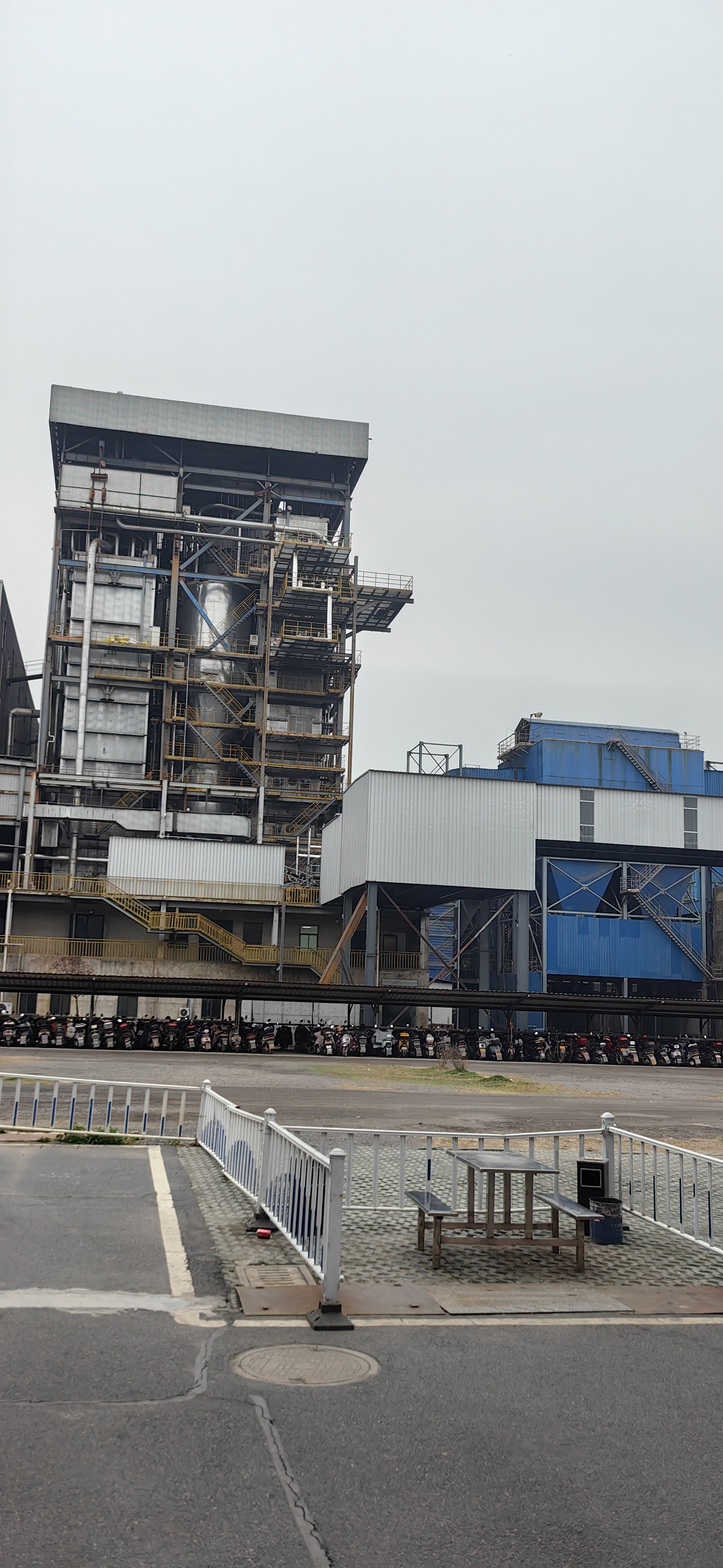
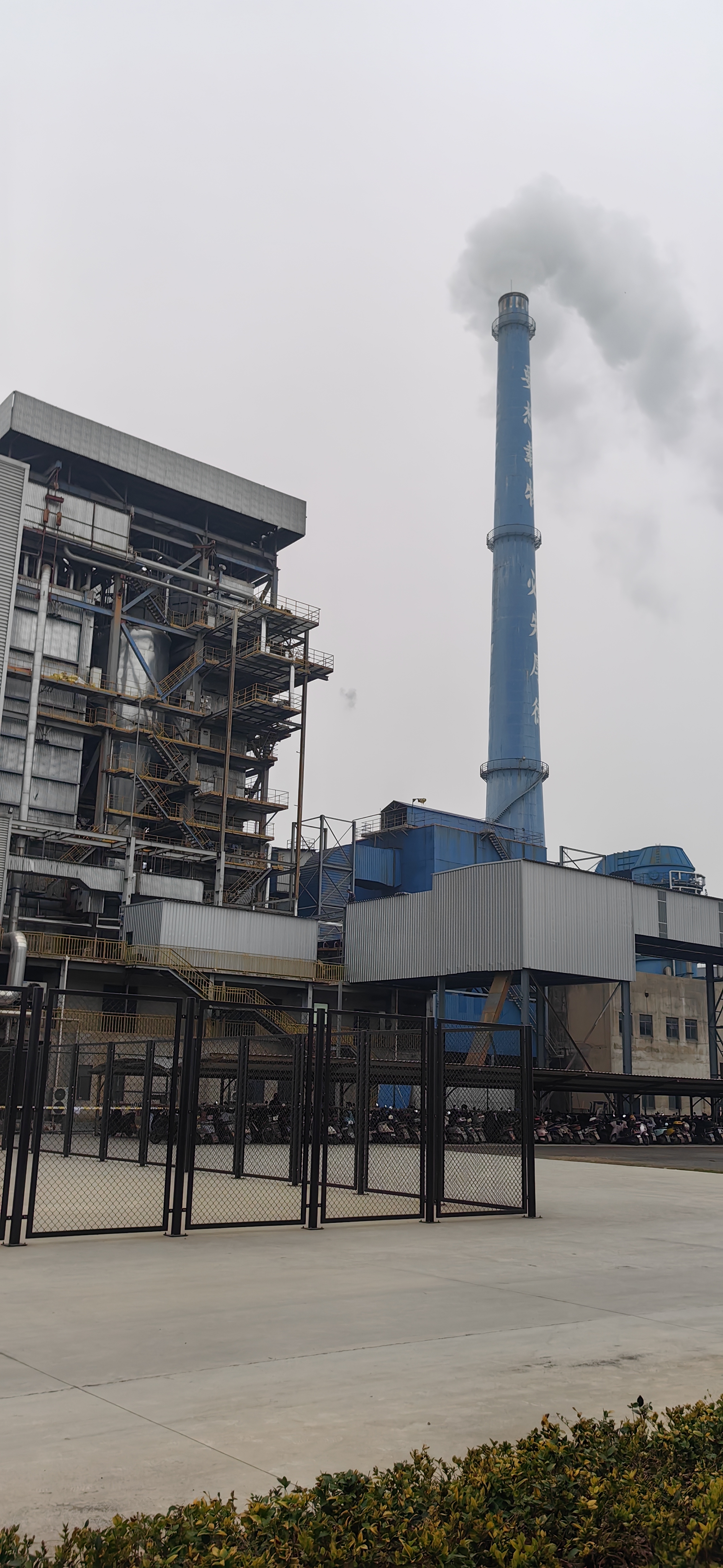
Key technological features distinguish circulating fluidized bed combustion from conventional combustion methods. The system incorporates a cyclone separator that captures fine particles for recirculation, a dense phase riser for efficient combustion, and advanced instrumentation for real-time monitoring. These components work together seamlessly within the circulating fluidized bed combustion framework, ensuring reliable and consistent performance. The technology delivers superior fuel flexibility, outstanding environmental compliance through low NOx and SO2 emissions, and excellent operational reliability across demanding industrial applications and utility-scale power generation facilities.

 EN