Circulating Fluidized Bed Combustion Technology

Get a Free Quote

Our representative will contact you soon.
Email
Name
Company Name
Message
0/1000

circulating fluidized bed combustion

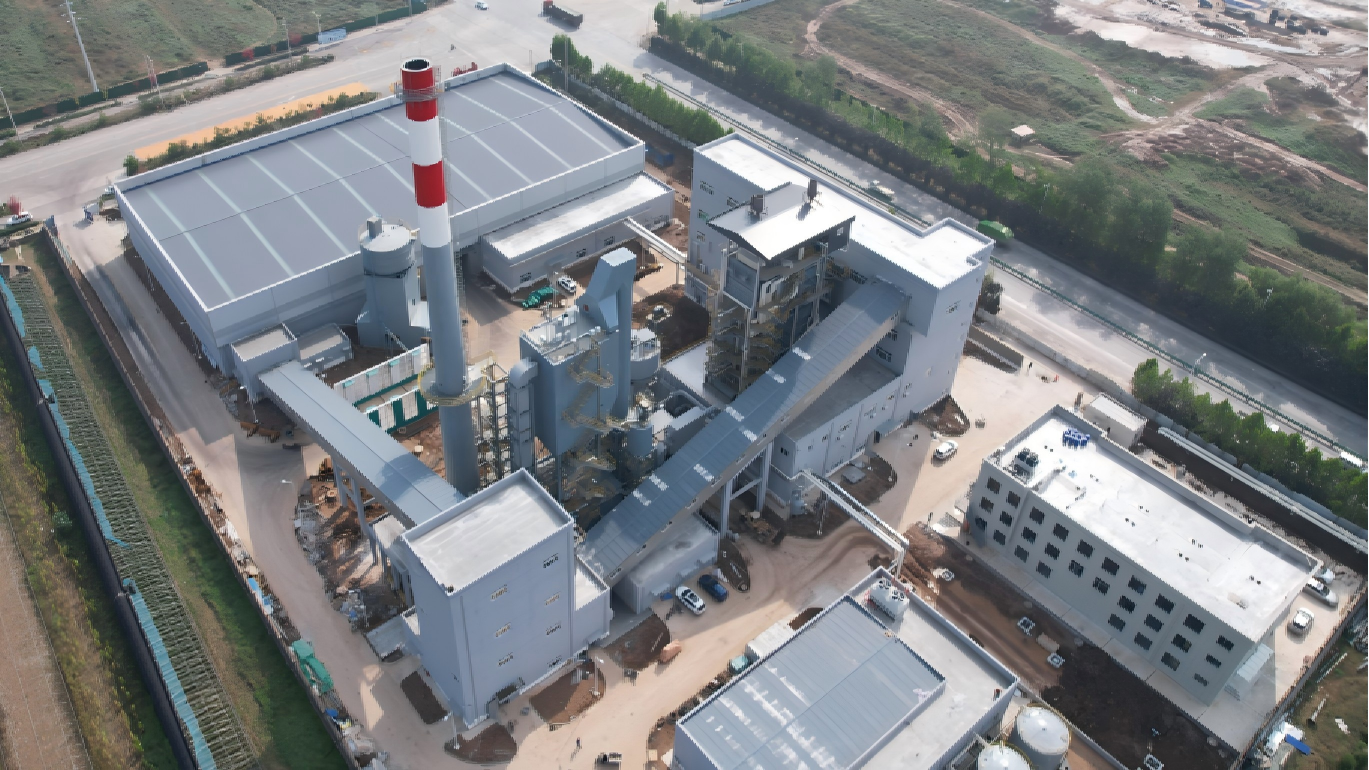
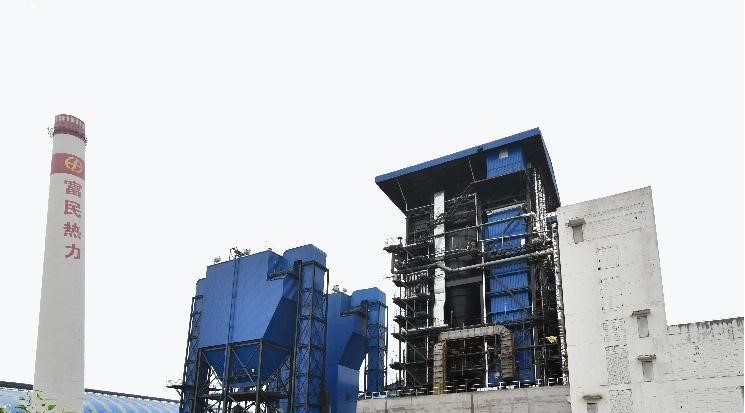
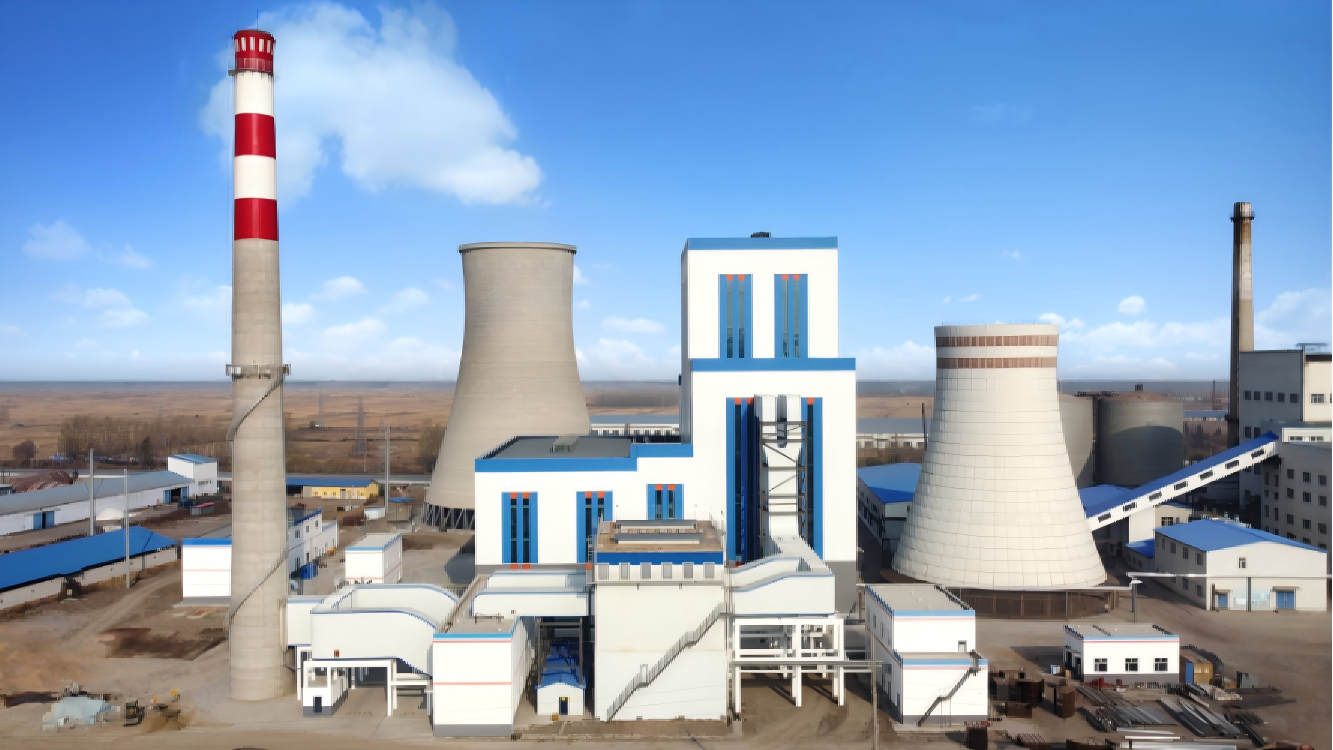
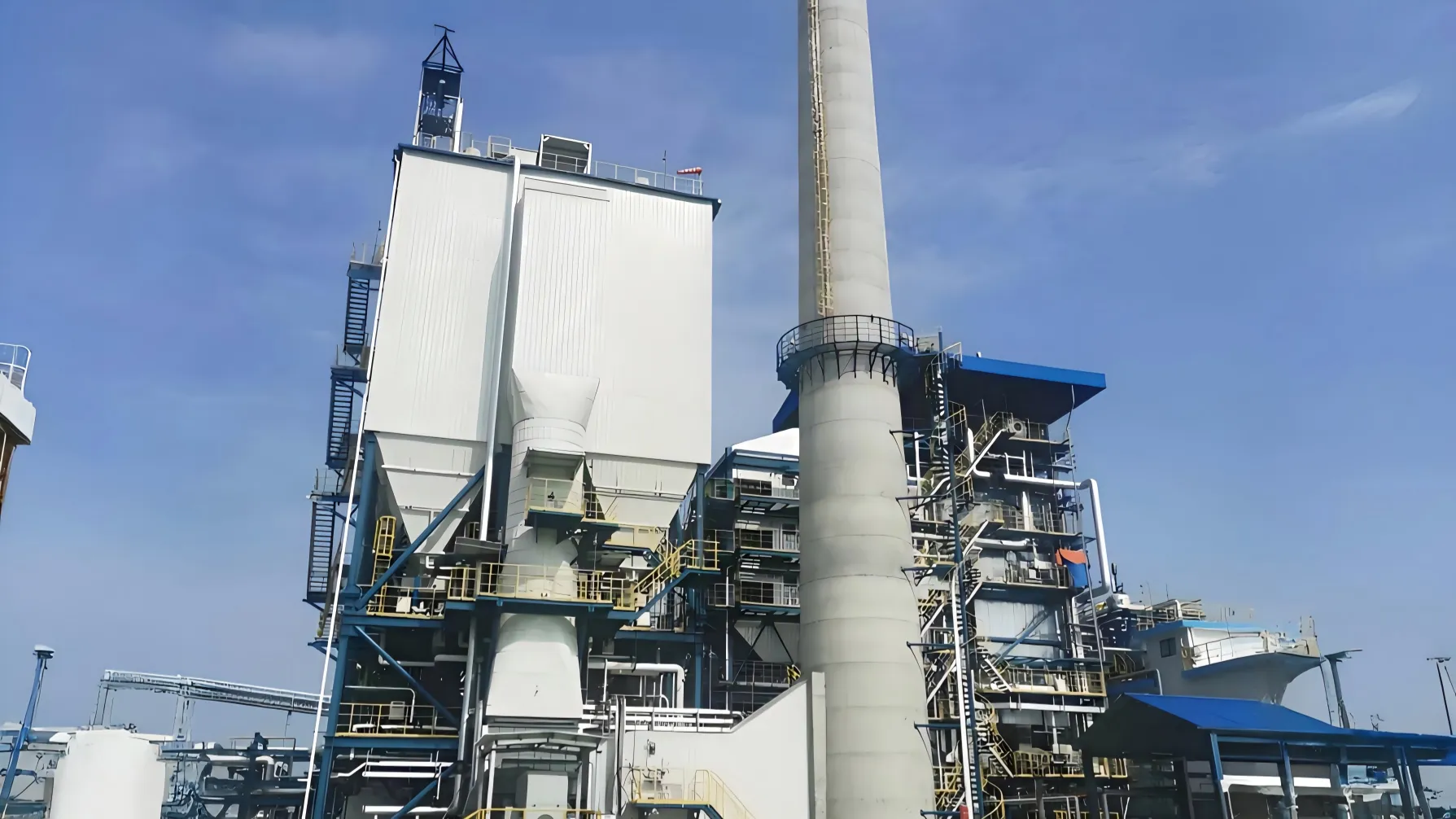
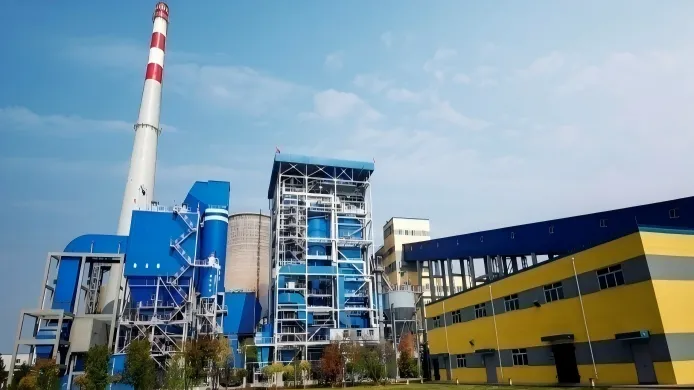
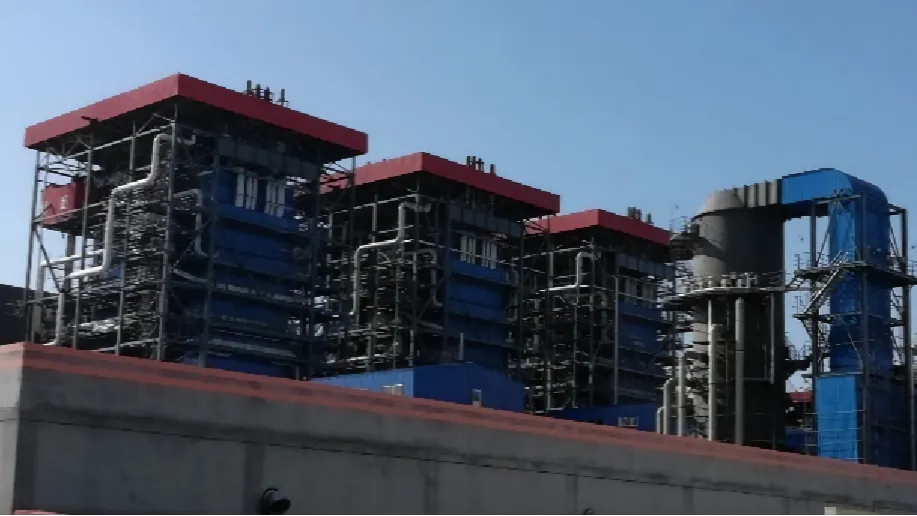
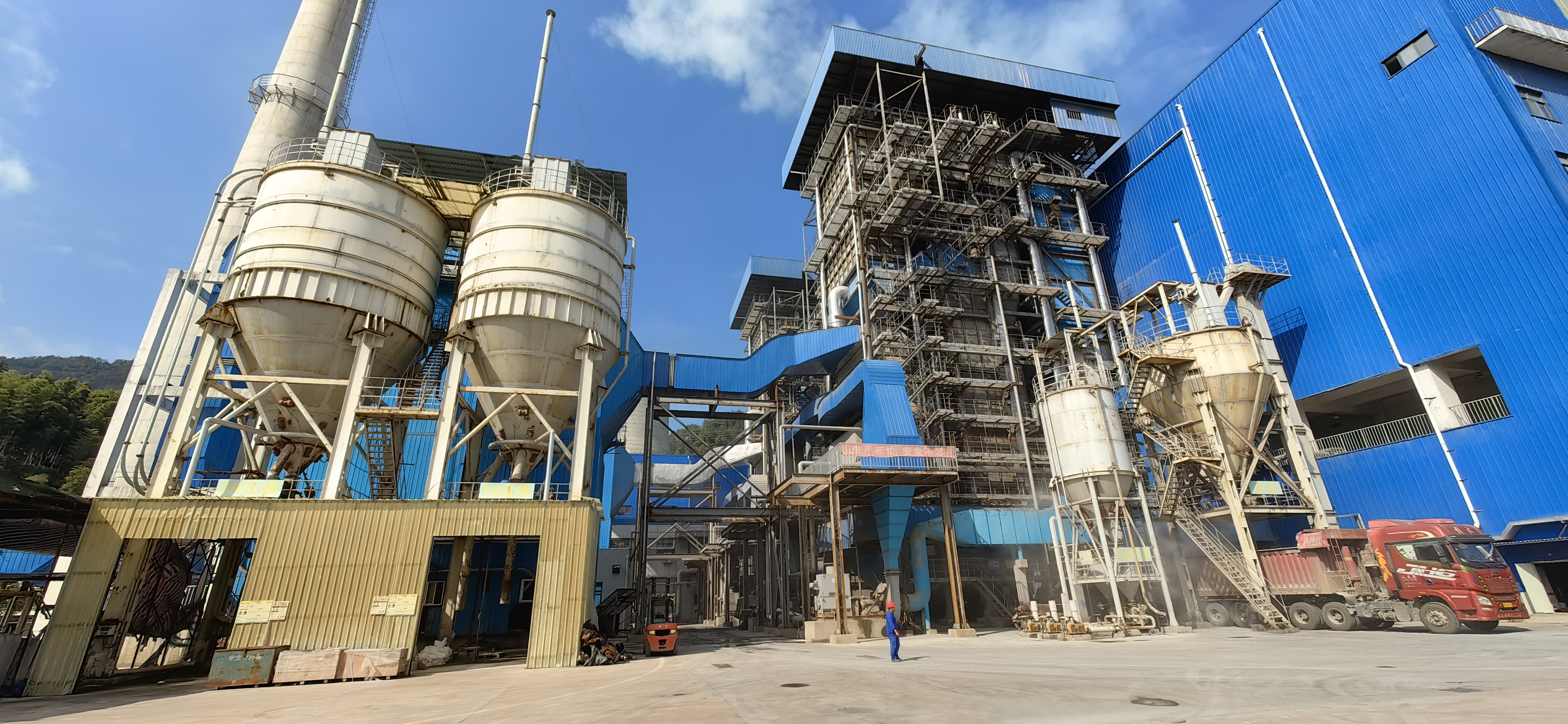
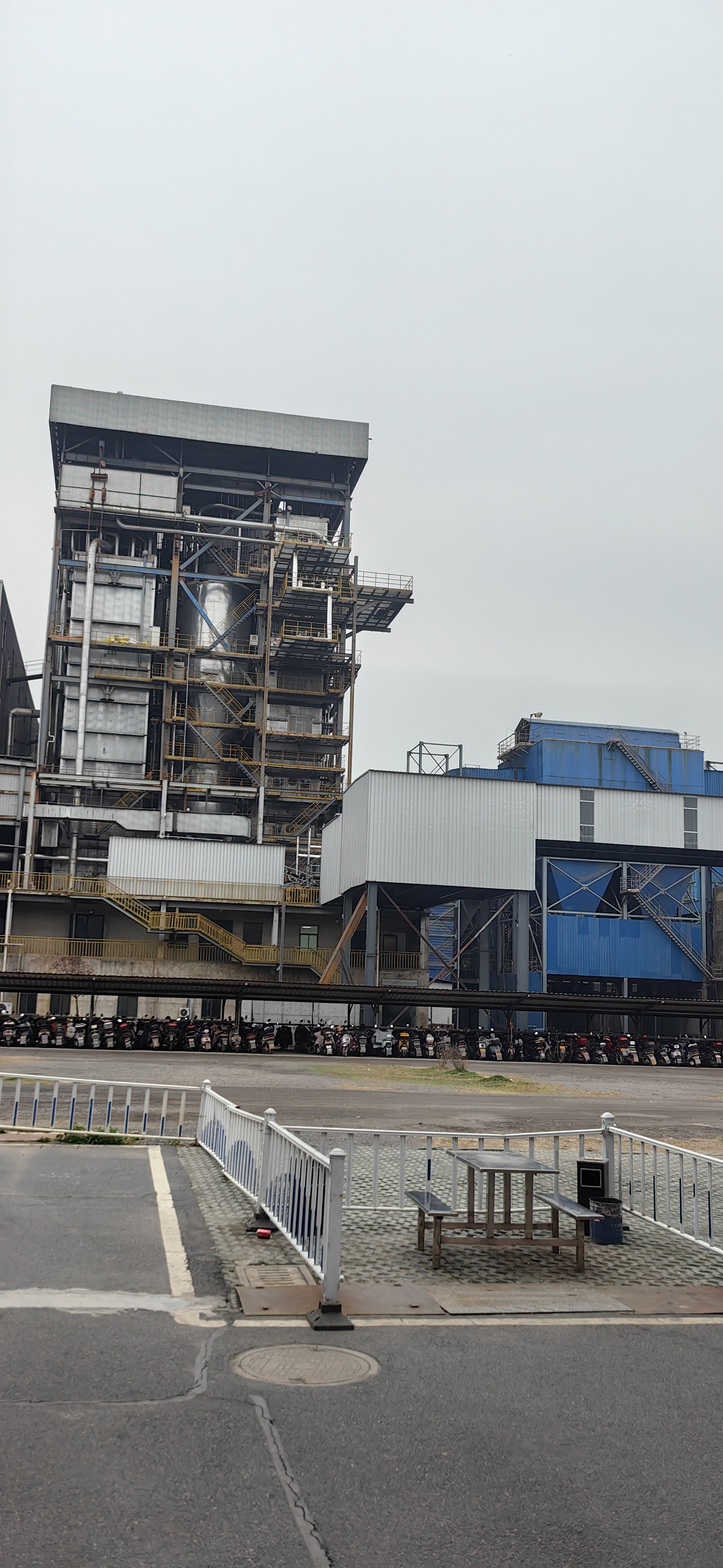
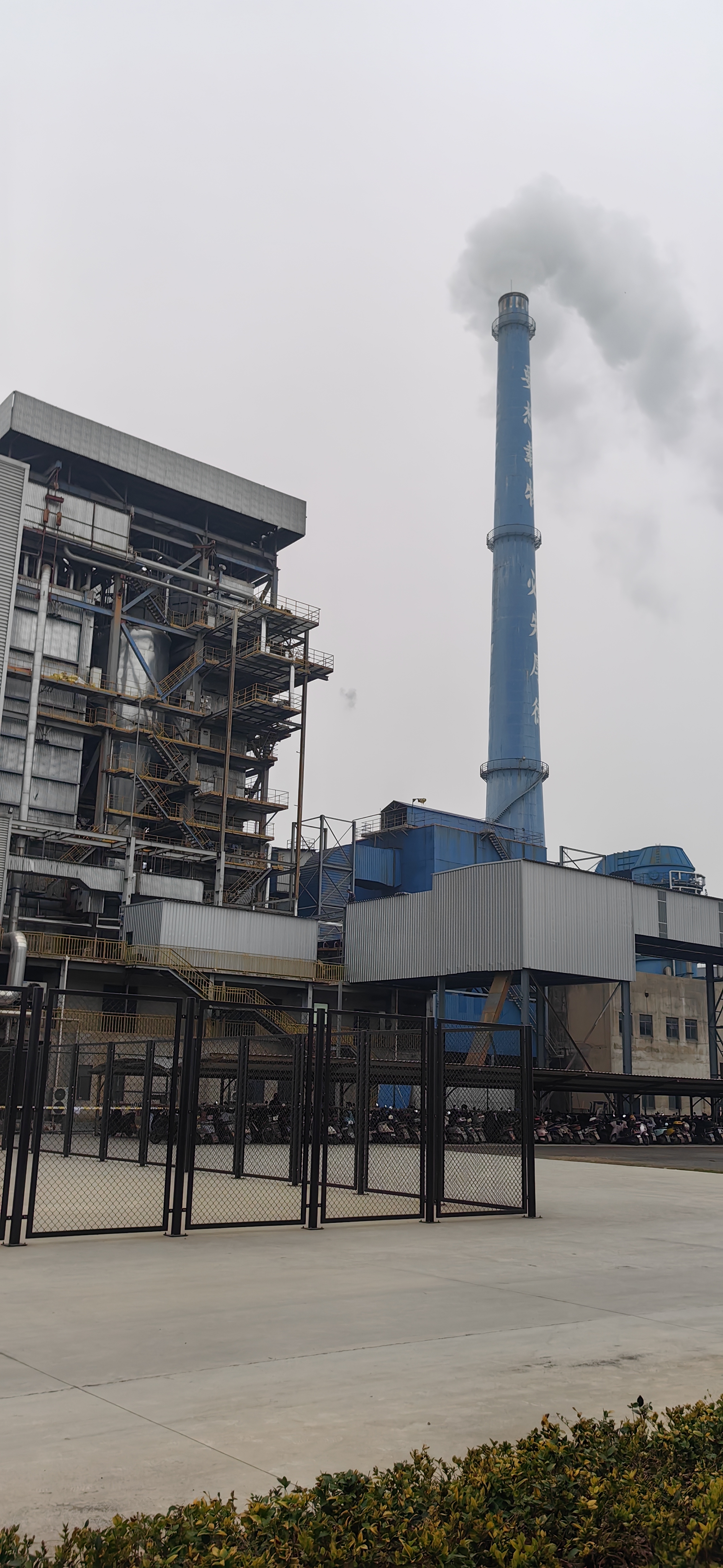
Circulating fluidized bed combustion represents a modern thermal energy generation technology that efficiently burns various fuel types while maintaining strict environmental standards. This advanced combustion system operates by suspending solid fuel particles in an upward-flowing air stream, creating a dynamic mixing environment that promotes complete fuel oxidation. The circulating fluidized bed combustion process continuously recirculates unburned particles back into the combustion chamber, maximizing fuel efficiency and heat extraction. The main functions of circulating fluidized bed combustion include converting chemical energy from fuel into thermal energy for electricity generation or direct heating applications. This technology excels at handling diverse fuel sources, including coal, biomass, waste materials, and alternative fuels with varying moisture and ash content. The circulating fluidized bed combustion system maintains precise temperature control, typically between 800-900 degrees Celsius, which optimizes combustion efficiency while reducing harmful emissions. Key technological features distinguish circulating fluidized bed combustion from conventional combustion methods. The system incorporates a cyclone separator that captures fine particles for recirculation, a dense phase riser for efficient combustion, and advanced instrumentation for real-time monitoring. These components work together seamlessly within the circulating fluidized bed combustion framework, ensuring reliable and consistent performance. The technology delivers superior fuel flexibility, outstanding environmental compliance through low NOx and SO2 emissions, and excellent operational reliability across demanding industrial applications and utility-scale power generation facilities.

New Product Recommendations

Circulating fluidized bed combustion offers numerous practical advantages that make it an excellent choice for power generation and industrial heating applications. One of the primary benefits is fuel flexibility—the circulating fluidized bed combustion system efficiently processes coal, biomass, waste-derived fuels, and alternative energy sources without requiring extensive preprocessing or fuel modifications. This versatility reduces operational constraints and enables businesses to adapt quickly to changing fuel availability and market conditions. Environmental performance represents another significant advantage of circulating fluidized bed combustion technology. The system achieves remarkable emission reductions through its lower operating temperatures and efficient combustion mechanisms. The circulating fluidized bed combustion process naturally produces 50-80% lower nitrogen oxide emissions compared to conventional pulverized coal systems, while limestone injection effectively captures sulfur dioxide, eliminating expensive post-combustion scrubbing requirements. Operational efficiency defines modern circulating fluidized bed combustion systems, delivering thermal efficiencies exceeding 40% in power generation applications. The circulating fluidized bed combustion technology provides rapid load-following capability, allowing power plants to respond quickly to grid demands without thermal stress or efficiency penalties. Superior heat transfer characteristics mean complete fuel combustion occurs more readily, while reduced unburned carbon losses maximize energy extraction from every ton of fuel processed. Maintenance advantages further demonstrate the value of circulating fluidized bed combustion investments. Lower combustion temperatures reduce erosion and corrosion compared to conventional systems, extending equipment lifespan and decreasing maintenance costs. The circulating fluidized bed combustion design enables continuous operation with minimal downtime, while simplified ash handling systems reduce disposal complexity and associated expenses, directly improving your bottom-line operational economics.

Tips And Tricks

How do you evaluate the structural durability of a new CFB boiler unit?

18

Aug

How do you evaluate the structural durability of a new CFB boiler unit?

Evaluating the structural durability of a new cfb boiler is critical for ensuring long-term operational reliability and minimizing costly downtime. When you invest in advanced combustion equipment, understanding how to assess its build quality, mater...
View More
Why is a heavy-duty CFB boiler preferred for large cogeneration projects?

01

Sep

Why is a heavy-duty CFB boiler preferred for large cogeneration projects?

Large cogeneration projects demand equipment that can deliver both reliability and efficiency under demanding operational conditions. The choice of boiler technology fundamentally shapes project success, cost structure, and environmental compliance. ...
View More
How to troubleshoot oxygen distribution issues in an industrial CFB boiler?

08

Sep

How to troubleshoot oxygen distribution issues in an industrial CFB boiler?

Oxygen distribution challenges represent one of the most critical operational issues affecting industrial boiler performance and energy efficiency. In a cfb boiler, proper air supply regulation directly impacts combustion quality, fuel consumption ra...
View More
What makes fluidized bed combustion highly stable during low-load operation?

08

Oct

What makes fluidized bed combustion highly stable during low-load operation?

Fluidized bed combustion represents one of the most dependable thermal conversion technologies for industrial power generation and heat recovery applications. Unlike traditional grate-based combustion systems, fluidized bed combustion achieves except...
View More

Get a Free Quote

Our representative will contact you soon.
Email
Name
Company Name
Message
0/1000

circulating fluidized bed combustion

Superior Environmental Compliance

Superior Environmental Compliance

The circulating fluidized bed combustion technology meets the most stringent environmental regulations through innovative emission control mechanisms. The low-temperature combustion environment characteristic of circulating fluidized bed combustion naturally suppresses nitrogen oxide formation, achieving NOx levels 60-70% lower than traditional coal combustors. By injecting limestone directly into the combustion chamber, the circulating fluidized bed combustion system captures sulfur dioxide in-situ, preventing atmospheric release without requiring separate flue gas treatment installations. This integrated environmental approach eliminates expensive post-combustion scrubbing systems while achieving superior overall performance. For facilities facing increasingly strict emission standards, circulating fluidized bed combustion represents a future-proof investment that maintains compliance as regulations become more demanding. The technology enables simultaneous control of multiple pollutants—NOx, SO2, and particulates—within a single unified combustion process.
Exceptional Fuel Flexibility and Cost Savings

Exceptional Fuel Flexibility and Cost Savings

Circulating fluidized bed combustion systems revolutionize fuel utilization by accepting diverse fuel types including low-quality coal, agricultural waste, industrial biomass, and refuse-derived fuels. This exceptional flexibility directly reduces fuel procurement costs by enabling facilities to utilize locally-available resources and capitalize on market opportunities for alternative fuels. The circulating fluidized bed combustion process efficiently handles fuels with high moisture content, variable ash composition, and lower energy density—materials conventional systems reject. Facilities operating circulating fluidized bed combustion installations can optimize fuel sourcing strategies based on real-time market prices rather than remaining locked into premium fuel specifications. This operational freedom translates into substantial annual savings, typically ranging from 15-30% compared to conventional combustion systems. The circulating fluidized bed combustion technology adapts seamlessly to sudden fuel supply disruptions, ensuring continuous reliable operation regardless of fuel market volatility or supply chain challenges affecting alternative energy sources.
Extended Equipment Life and Reduced Maintenance

Extended Equipment Life and Reduced Maintenance

The circulating fluidized bed combustion system's lower operating temperatures and superior combustion uniformity significantly reduce equipment wear and thermal stress. Components within a circulating fluidized bed combustion installation experience substantially less corrosion and erosion compared to conventional high-temperature systems, extending service intervals and equipment replacement cycles. The moderate combustion temperatures characteristic of circulating fluidized bed combustion preserve tube integrity and refractory materials, reducing unexpected failures and costly emergency maintenance events. Simplified ash handling systems within circulating fluidized bed combustion facilities eliminate complex bottom-ash cooling and disposal requirements, lowering operational complexity and personnel demands. Predictable maintenance schedules for circulating fluidized bed combustion equipment improve workforce planning while reducing emergency repair expenses. The robust design of modern circulating fluidized bed combustion installations supports continuous operation with minimal unscheduled downtime, maximizing capacity factors and revenue generation over extended operating periods spanning 20-30 years.

Get a Free Quote

Our representative will contact you soon.
Email
Name
Company Name
Message
0/1000
email goToTop