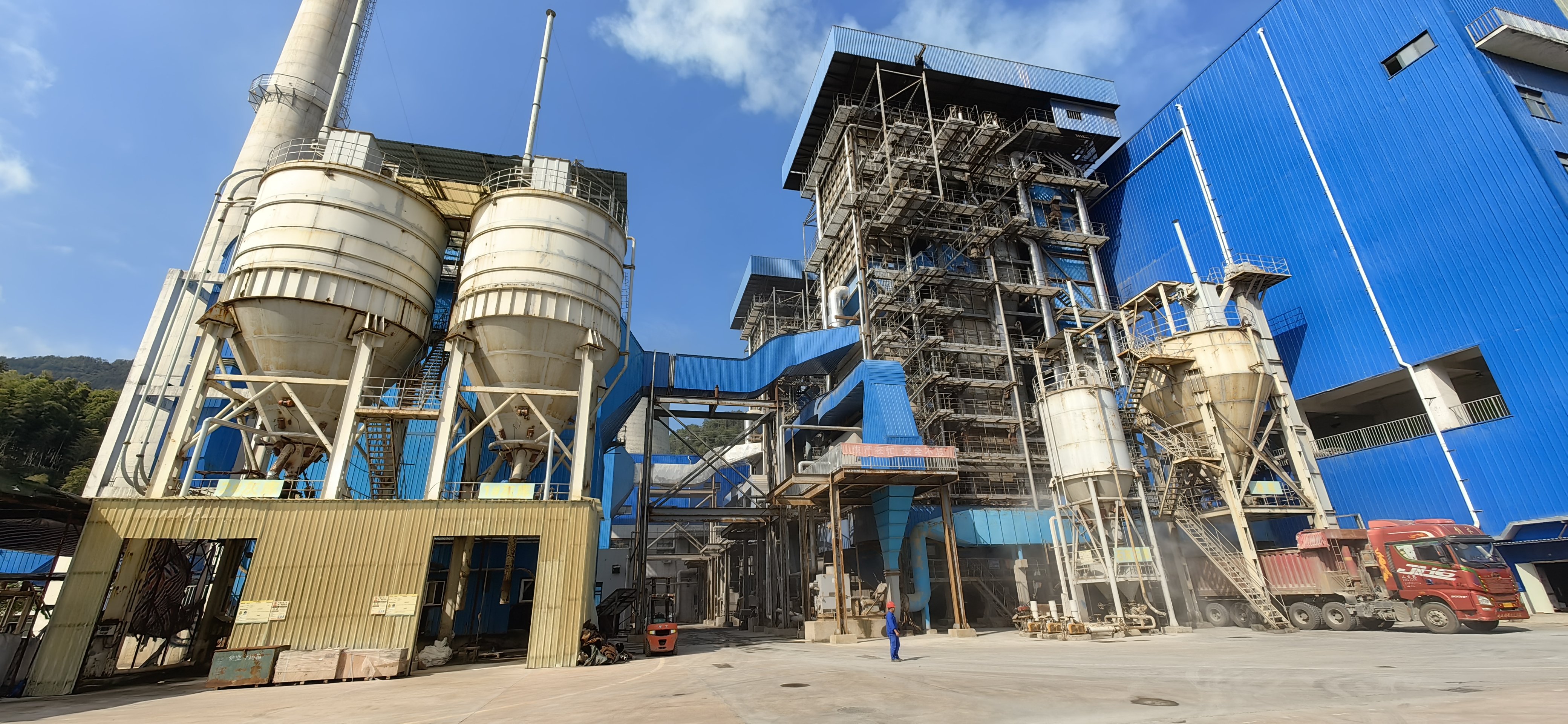
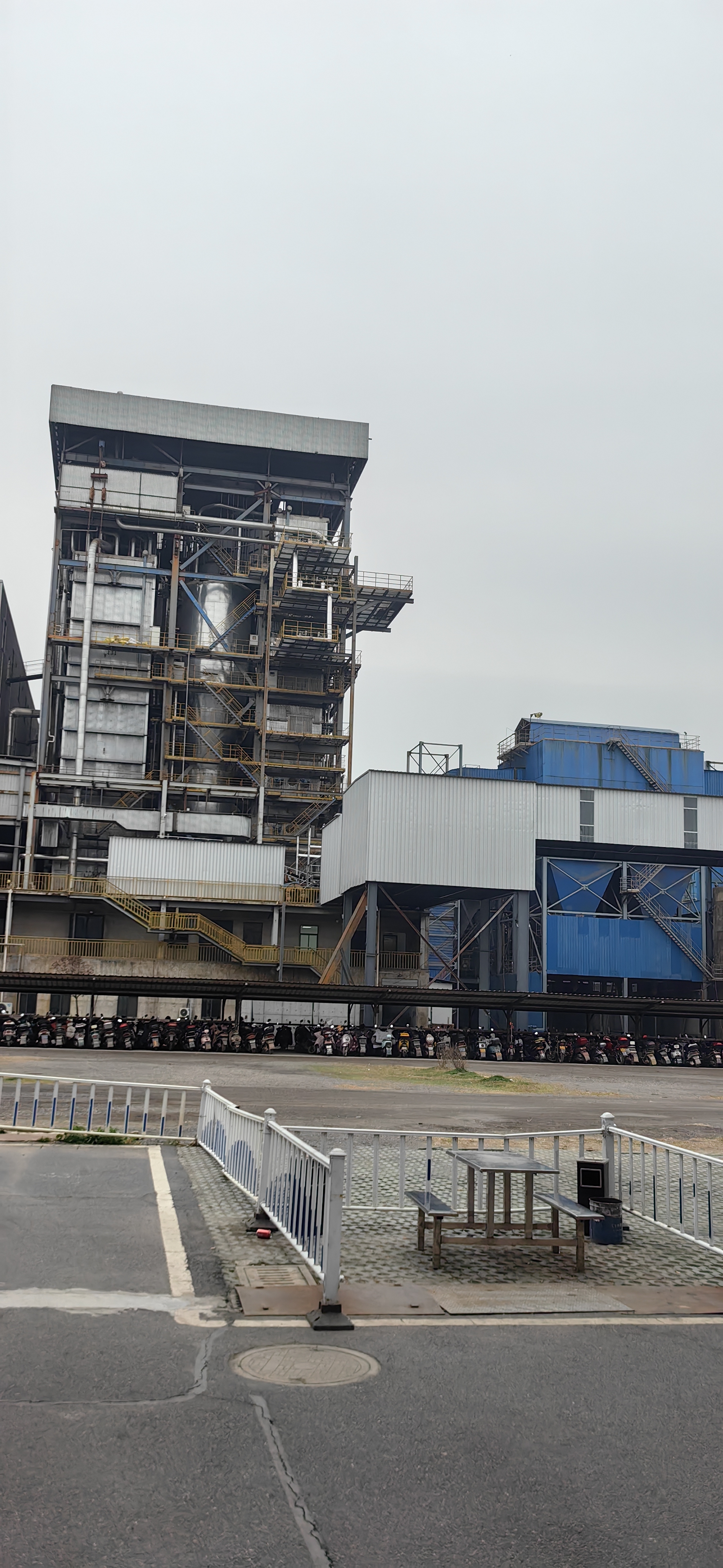
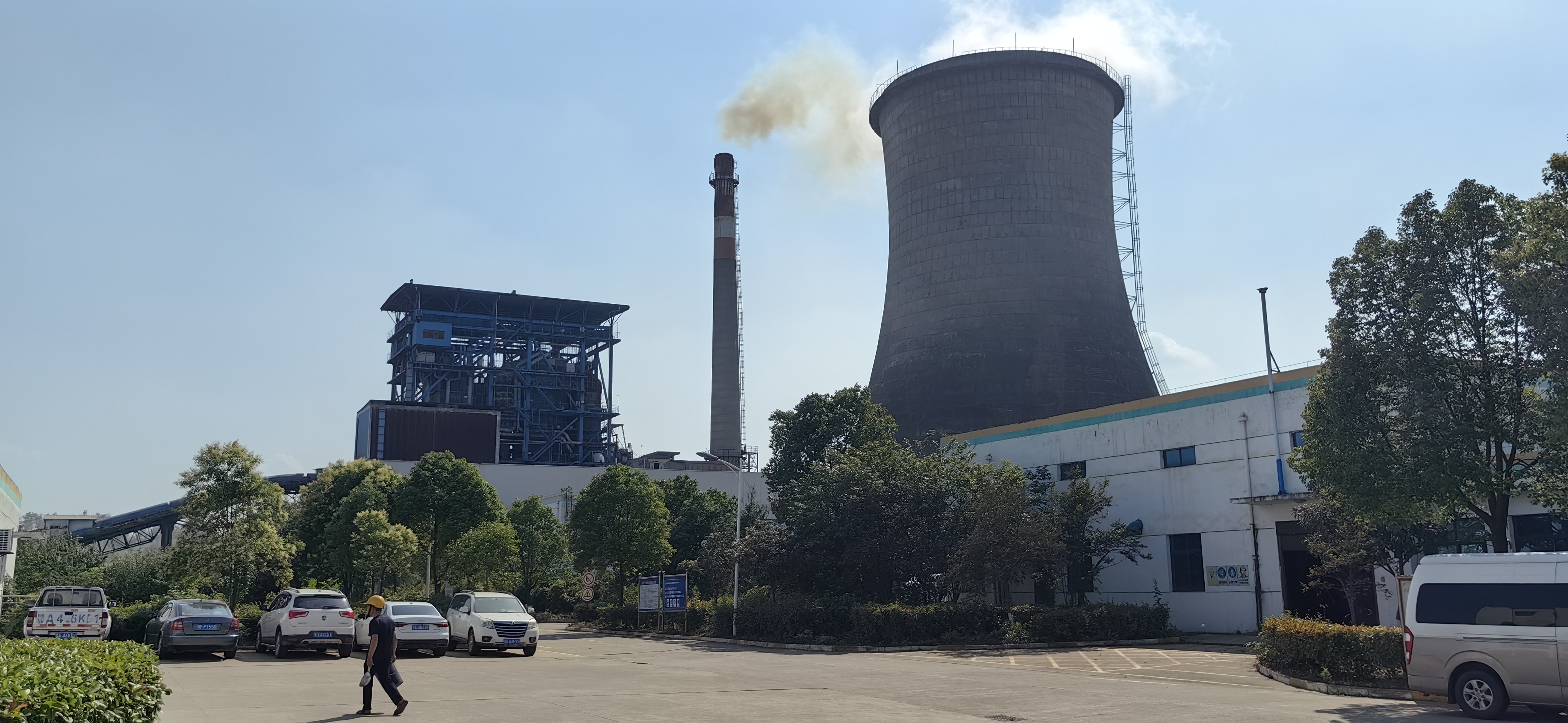
circulating fluidized bed
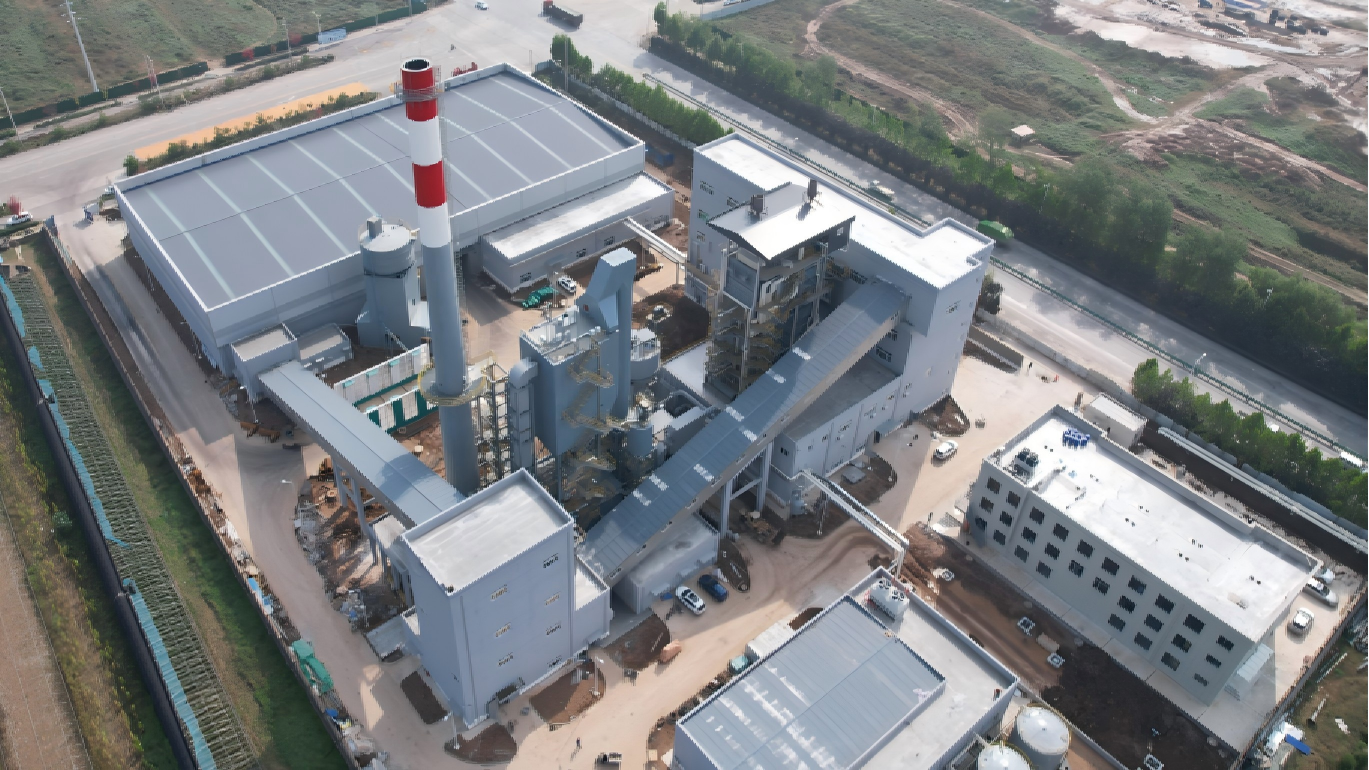
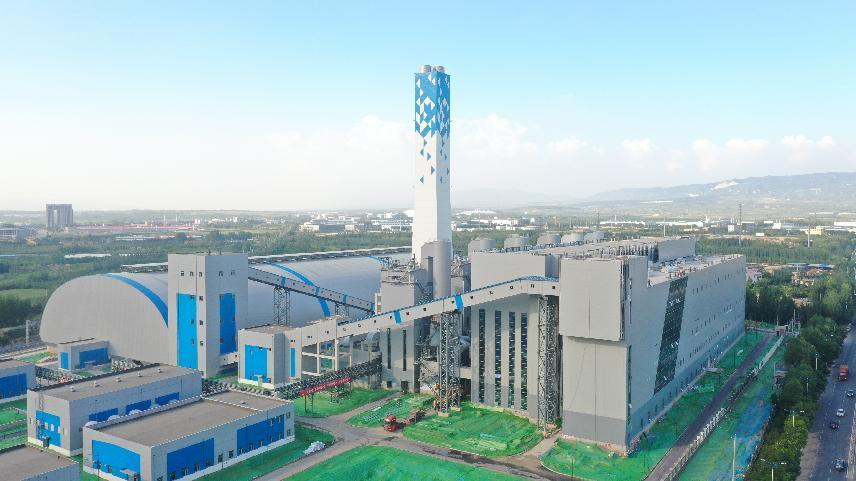
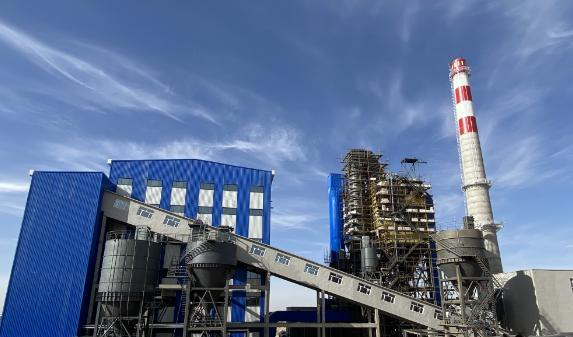
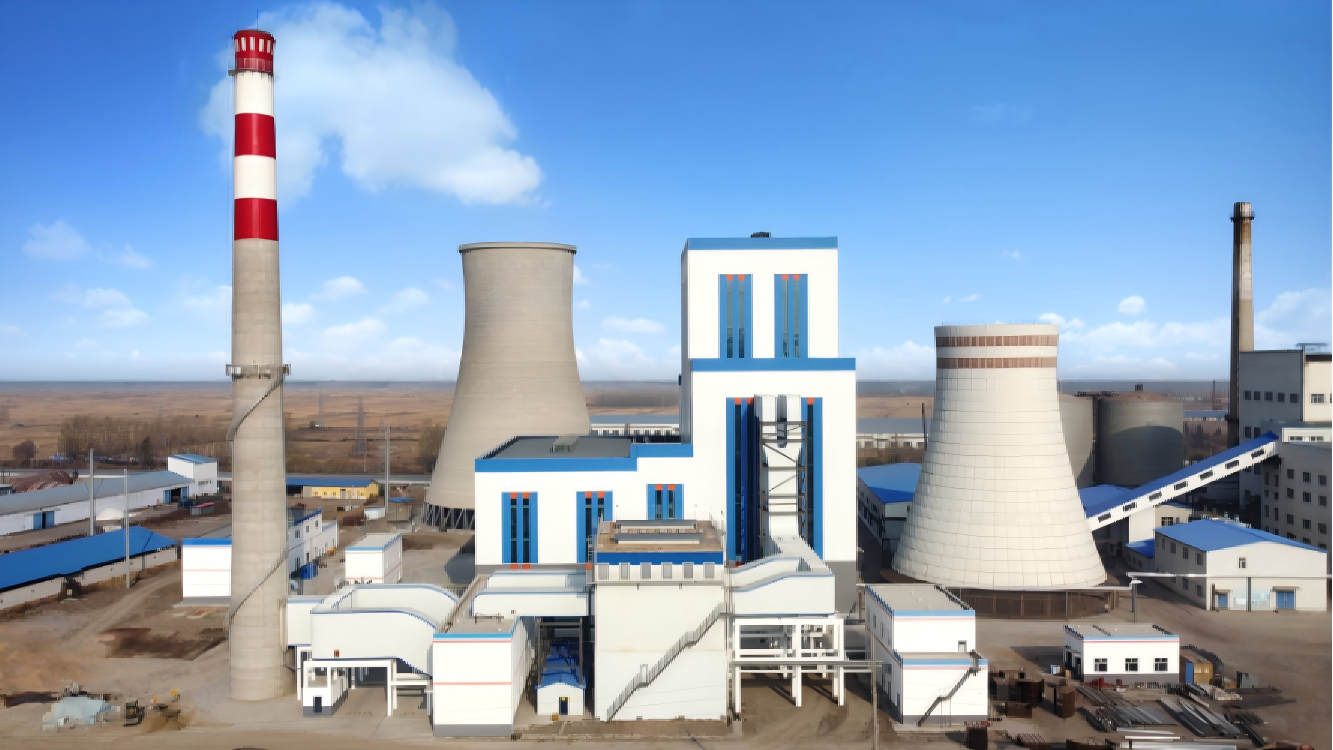
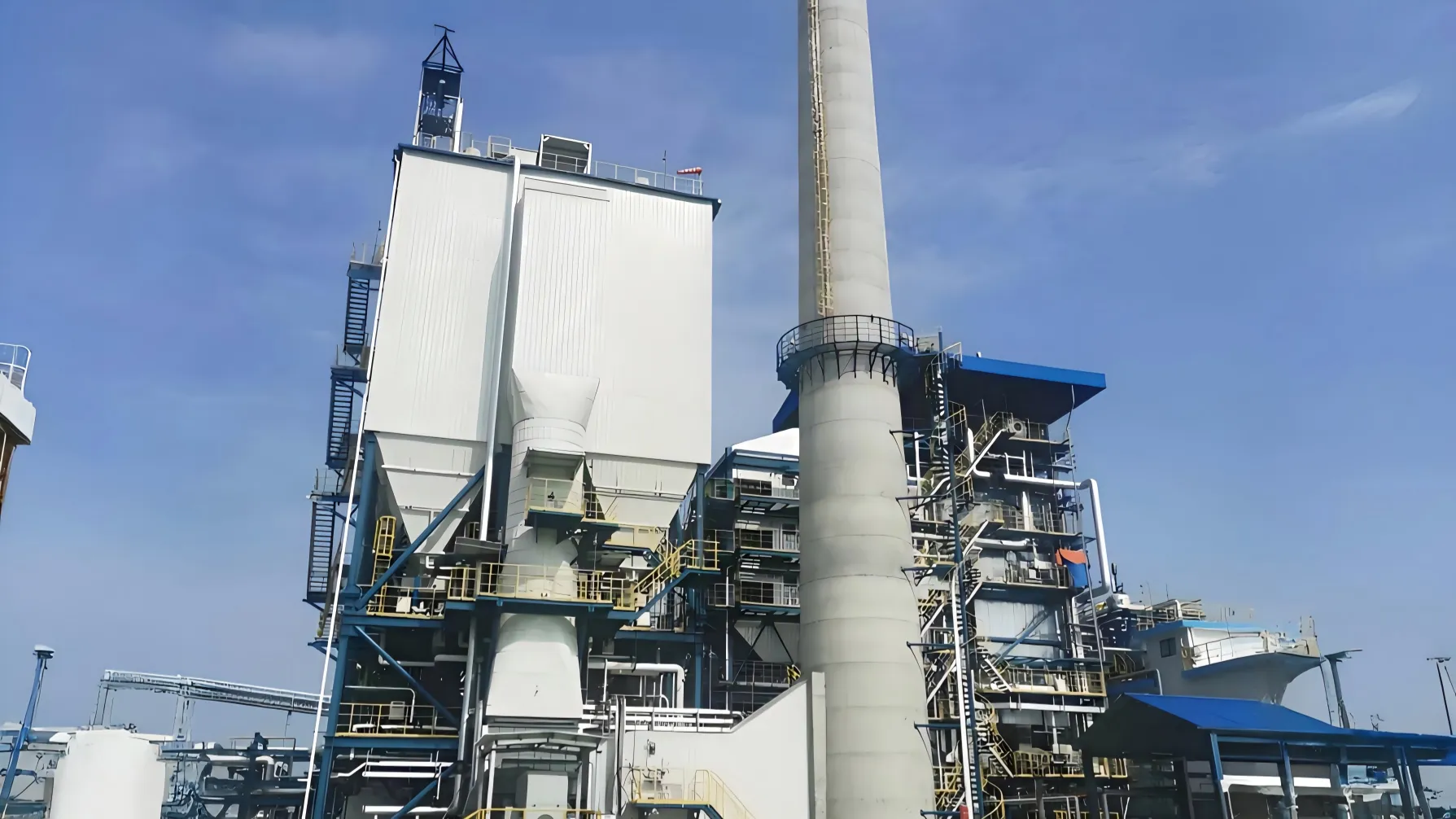
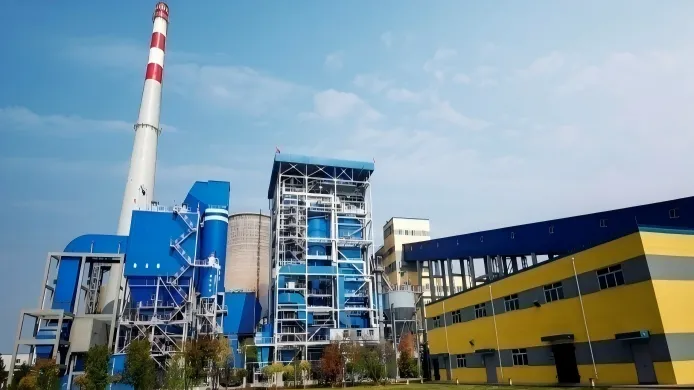
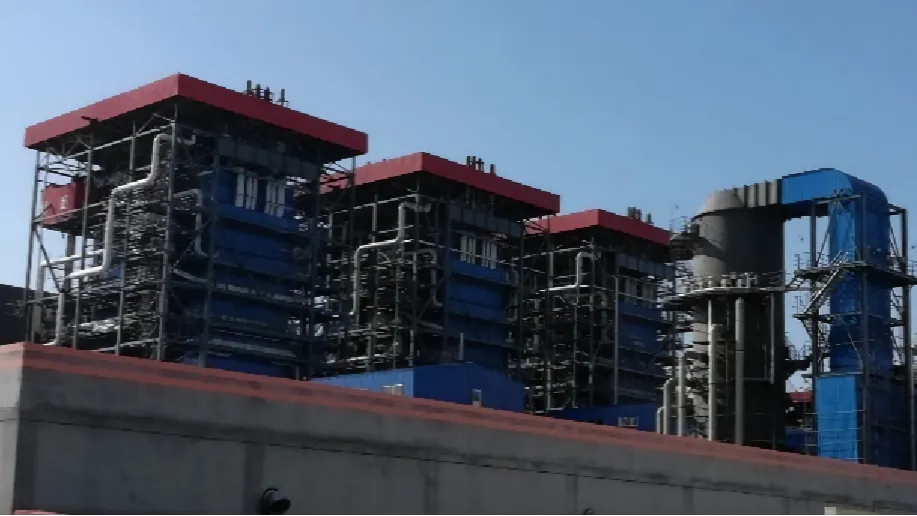
A circulating fluidized bed is an advanced thermal conversion technology that combines combustion, gasification, and heat transfer processes in a single integrated system. This innovative equipment circulates solid particles through a combustion chamber and cyclone separator, creating continuous movement that enhances mixing and heat distribution. The circulating fluidized bed operates by suspending particles in an upward-flowing gas stream, allowing them to reach the top of the reactor before being separated and recirculated back down through the system.
The main functions of a circulating fluidized bed include efficient fuel combustion, waste heat recovery, and chemical conversion processes. The technology excels at handling various fuel types, including coal, biomass, and waste materials, making it versatile for multiple industrial applications. Key technological features include superior heat transfer rates, reduced emissions, and flexible fuel adaptability. The circulating fluidized bed system maintains lower operating temperatures compared to traditional fixed-bed reactors, which extends equipment lifespan and reduces thermal stress on components.
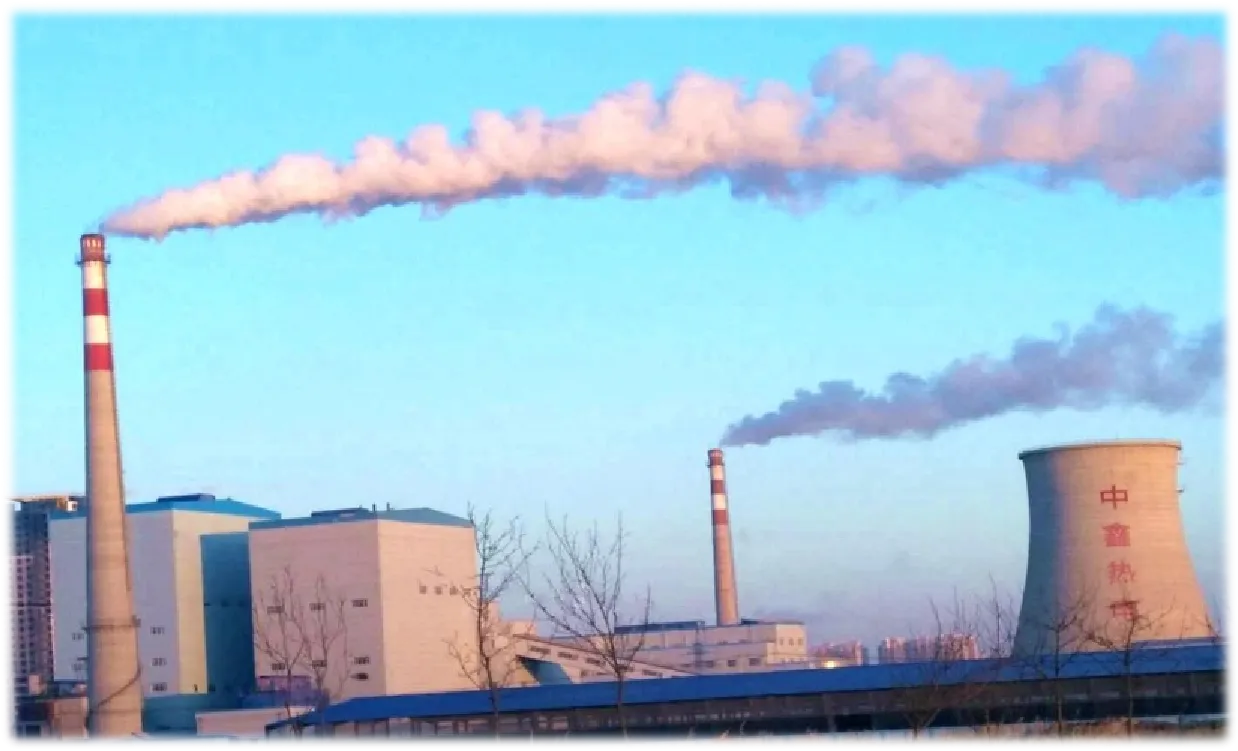
Applications of the circulating fluidized bed span power generation, industrial heating, waste management, and chemical processing. In power plants, this technology generates electricity while minimizing environmental impact. Industrial facilities use circulating fluidized bed systems for steam production and process heating. The technology also excels in waste-to-energy applications and biomass conversion. Environmental benefits include significant reductions in nitrogen oxide emissions and improved fuel efficiency, making the circulating fluidized bed an environmentally responsible choice for modern industrial operations.

 EN