
 EN
EN



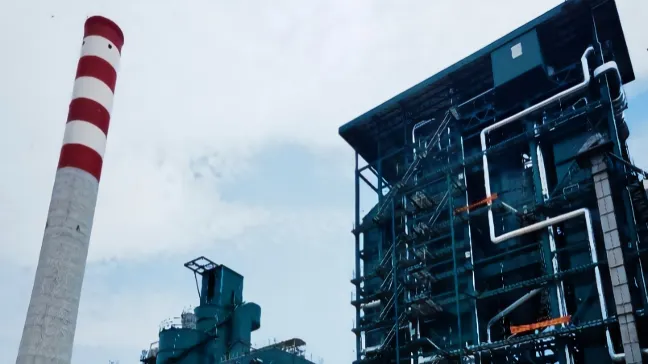
A well-maintained cfb power plant typically operates for 30 to 40 years, with some facilities extending beyond 40 years through rigorous maintenance and technological upgrades. The operational lifespan depends heavily on design quality, maintenance protocols, fuel characteristics, and operational discipline. Understanding the factors that influence longevity helps plant operators make informed decisions about capital investments and lifetime value optimization. This guide explores the expected lifespan of a cfb power plant and the critical maintenance practices that sustain peak performance over decades.
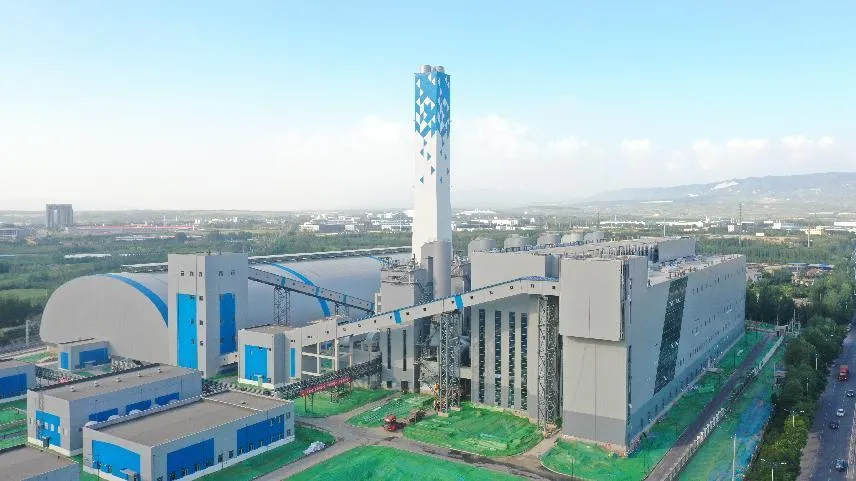
Circulating fluidized bed technology has proven to be a durable and efficient combustion method for power generation. The circulating fluidized bed technology operates by suspending fuel particles in an upward-flowing air stream, enabling efficient coal combustion efficiency while minimizing emissions. This design promotes uniform heat distribution and reduced erosion compared to older combustion approaches. When properly constructed and maintained, a cfb power plant achieves reliable long-term service life with predictable maintenance cycles and cost-effective operation throughout its lifespan.
Design Quality and Component Durability
Material Selection and Erosion Resistance
The operational lifespan of a cfb power plant begins with material selection during design and construction. Erosion-resistant alloys and refractory materials in the combustion chamber and heat exchanger tubes directly influence how long the plant remains operational without major replacements. Circulating fluidized bed technology demands high-performance materials because suspended particles constantly strike internal surfaces at high velocities. Modern cfb power plants use advanced ceramic linings, stainless steel tubing, and specialized coatings that extend equipment life significantly compared to earlier generations. Higher-grade materials increase upfront capital costs but reduce unplanned downtime and major repair expenses over 30 to 40 years of operation.
System Redundancy and Component Design
Robust cfb power plant design incorporates redundant systems for air supply, fuel feeding, and heat recovery to minimize forced outages. The circulating fluidized bed technology relies on consistent gas velocities and pressure balances, making backup blowers and fans essential components. Strategic placement of dampers, expansion joints, and thermal stress-relieving features extends the structural integrity of the entire plant. Equipment designed with adequate safety margins and modular construction allows for component replacement without dismantling the entire facility. This design approach enables a cfb power plant to maintain operational availability exceeding 85 percent throughout its lifespan, supporting profitable long-term power generation.
Maintenance Protocols and Preventive Care
Scheduled Maintenance and Performance Monitoring
The lifespan of a cfb power plant expands dramatically when operators implement comprehensive preventive maintenance schedules aligned with manufacturer recommendations. Daily inspections of fuel quality, bed temperature, and combustion efficiency reveal developing issues before they become critical failures. Weekly monitoring of erosion patterns, pressure differentials, and tube wall thickness provides early warning signals for component replacement. Seasonal maintenance during scheduled shutdowns includes boiler tube cleaning, refractory inspection, and wear part replacement to sustain coal combustion efficiency. Advanced power generation emissions control requires regular calibration and cleaning of electrostatic precipitators and flue gas treatment systems. Documented maintenance records and trending analysis enable plant operators to extend the operational lifespan of a cfb power plant by identifying and replacing worn components proactively rather than reactively.
Refractory and Heat Exchanger Maintenance
Internal refractory materials in the combustion chamber gradually degrade under thermal cycling and chemical attack from ash and combustion byproducts. Circulating fluidized bed technology generates continuous mechanical stress on refractory linings through particle impact and thermal expansion. Regular refractory inspections during turnarounds identify thin spots and spalling before catastrophic failure occurs. Heat exchanger tubes experience corrosion from sulfur compounds and erosion from suspended particles, requiring periodic ultrasonic thickness testing and replacement programs. Timely refractory repairs and strategic tube replacement during planned outages maintain the coal combustion efficiency of the entire cfb power plant and support uninterrupted power generation. These maintenance investments directly extend the operational lifespan by 5 to 10 years compared to deferred maintenance practices.
Operating Practices and Environmental Factors
Fuel Quality and Combustion Optimization
The fuel characteristics and combustion conditions significantly affect how long a cfb power plant remains economically viable. Coal combustion efficiency depends on proper fuel preparation, bed temperature management, and oxygen control within the circulating fluidized bed technology system. Low-quality coal with high ash content accelerates erosion and increases maintenance frequency, shortening the effective operational lifespan. Operators who invest in fuel preprocessing, moisture control, and consistent bed temperature management achieve superior coal combustion efficiency and extend component life. Power generation emissions control systems require less intensive cleaning and replacement when combustion conditions remain optimized. Fuel supply contracts specifying ash content, sulfur levels, and particle size consistency help maintain consistent performance throughout a cfb power plant lifespan of 30 to 40 years.
Reliability Through Environmental Management
External environmental conditions influence the longevity of a cfb power plant infrastructure and ancillary systems. Cooling water quality, ambient temperature extremes, and humidity affect corrosion rates in condensers and steam systems. Circulating fluidized bed technology facilities near coastal regions face accelerated corrosion from salt spray, requiring enhanced protective coatings and material upgrades. Dust storms and high-altitude locations introduce particulates that compromise cooling system efficiency and increase maintenance labor. Well-designed drainage, weatherproofing, and environmental controls protect the entire cfb power plant from premature degradation. Plants operating in controlled environments with proper dust suppression and water treatment systems consistently achieve the full 30 to 40-year operational lifespan with minimal unplanned repairs. Strategic location selection and environmental management systems represent long-term investments that reduce total lifecycle costs significantly.
Technological Upgrades and Lifespan Extension
Modernization and Performance Enhancement
An aging cfb power plant can extend its operational lifespan substantially through strategic equipment upgrades and technology integration. Retrofitting improved power generation emissions control systems allows older facilities to meet current environmental regulations while maintaining revenue. Upgrading to advanced combustion control systems and coal combustion efficiency optimization software improves plant performance and reduces fuel consumption. Control system modernization, digital monitoring, and predictive maintenance algorithms enable operators to maximize production while minimizing mechanical stress. These technology investments extend the effective lifespan of a cfb power plant by 10 to 15 years beyond the original design life, making major capital reconstruction unnecessary.
End-of-Life Decisions and Economic Viability
The ultimate operational lifespan of a cfb power plant reflects the balance between maintenance costs, regulatory compliance expenses, and electricity market values. At 40 years and beyond, accumulated maintenance costs and circulating fluidized bed technology component replacements become substantial budget items. Decisions to continue operating, invest in major upgrades, or decommission depend on regulatory requirements, power market conditions, and available capital. Many operators successfully operate cfb power plants beyond 40 years in stable markets with consistent fuel supply and demand for baseload power generation. The coal combustion efficiency and power generation emissions control capabilities of mature plants often justify continued investment when properly maintained, particularly in regions with long-term coal availability and supportive market conditions.
FAQ
What factors most significantly affect the lifespan of a cfb power plant?
The operational lifespan of a cfb power plant depends primarily on initial design quality, material specifications, consistency of preventive maintenance, fuel quality management, and environmental operating conditions. Plants receiving rigorous scheduled maintenance, quality fuel, and timely component replacement typically achieve full 30 to 40-year lifespans. Deferred maintenance, poor fuel quality, and harsh environmental conditions reduce lifespan significantly. Modern circulating fluidized bed technology designs with advanced erosion-resistant materials and redundant systems consistently deliver longer operational service compared to older facilities.
How does circulating fluidized bed technology affect maintenance requirements and lifespan?
Circulating fluidized bed technology requires specialized maintenance due to continuous particle suspension and erosion of internal surfaces. This technology demands more frequent refractory inspections and tube replacement compared to traditional coal combustion efficiency approaches. However, the superior coal combustion efficiency and cleaner combustion of circulating fluidized bed technology extends overall plant lifespan by reducing thermal cycling stress and emissions control burdens. Regular maintenance tailored to circulating fluidized bed technology characteristics allows plants to achieve the full design lifespan of 30 to 40 years.
Can power generation emissions control upgrades extend a cfb power plant operational lifespan?
Yes, modern power generation emissions control systems including advanced scrubbers, selective catalytic reduction, and electrostatic precipitators enable aging cfb power plants to meet current environmental regulations and remain competitive economically. These upgrades attract continued investment and operational focus from owners, effectively extending the commercial operational lifespan by 10 to 15 years. Facilities with upgraded power generation emissions control systems comply with stricter regulations while maintaining revenue potential, making continued investment in maintenance and operation economically justified.

