Biomass Hot Water Boiler: Efficient Renewable Heating

Get a Free Quote

Our representative will contact you soon.
Email
Name
Company Name
Message
0/1000

biomass hot water boiler

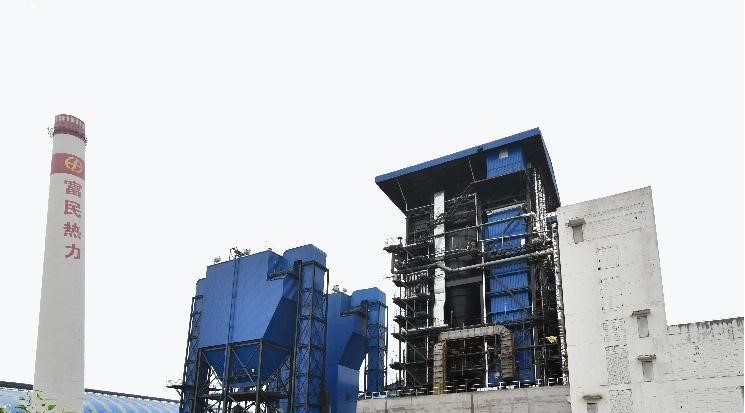
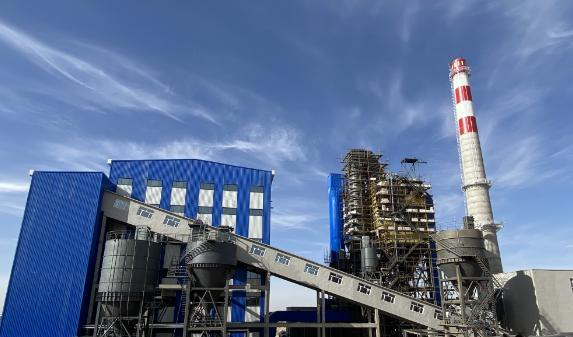
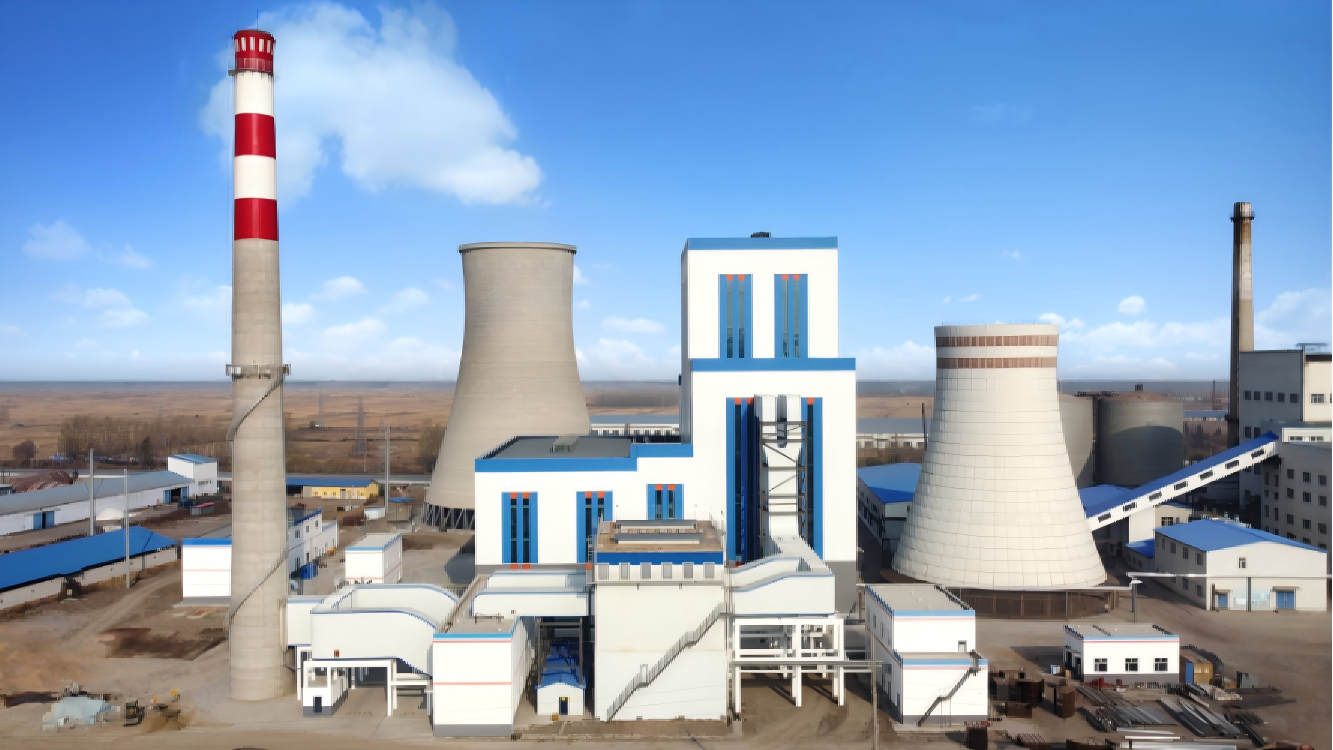
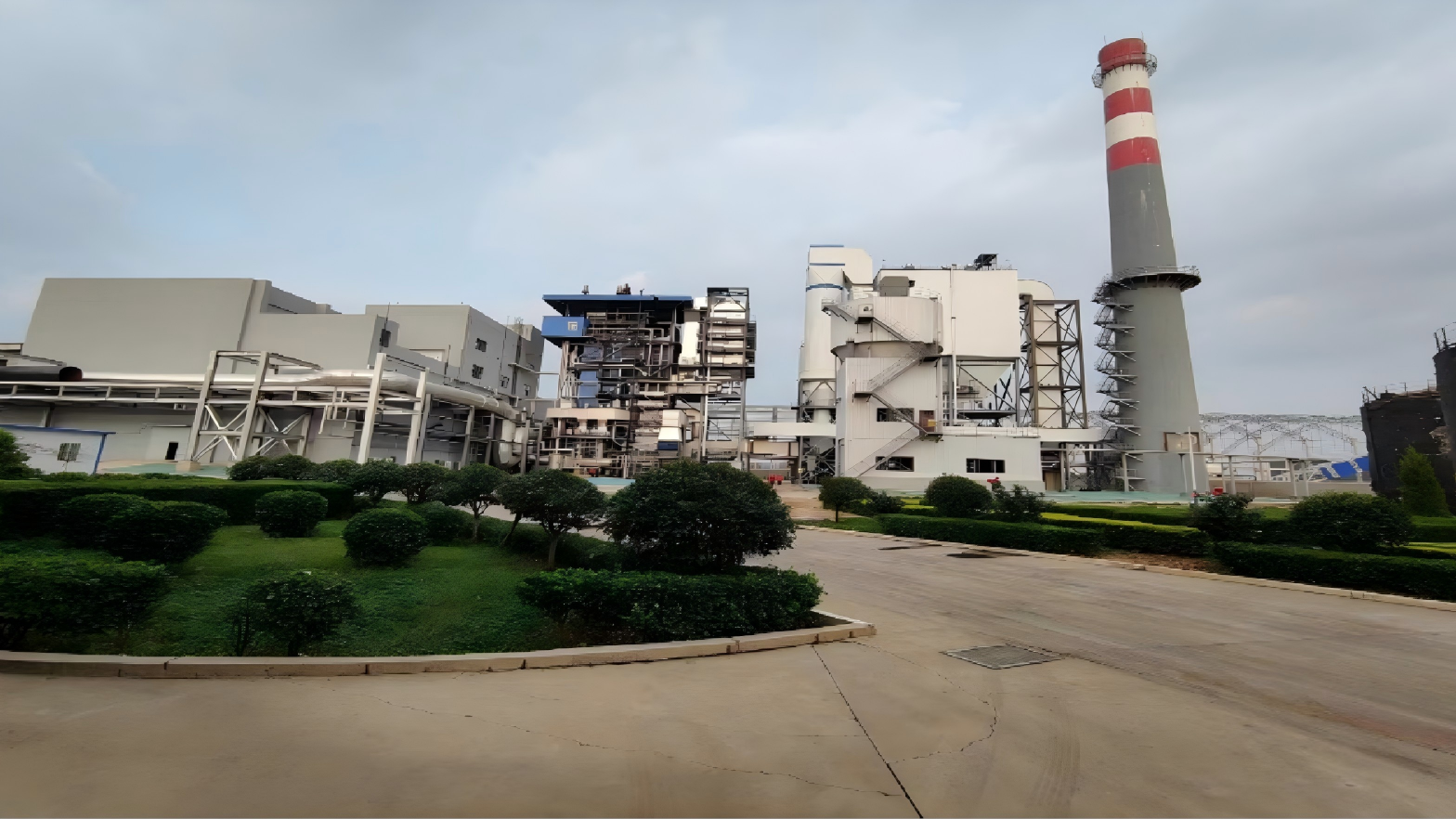
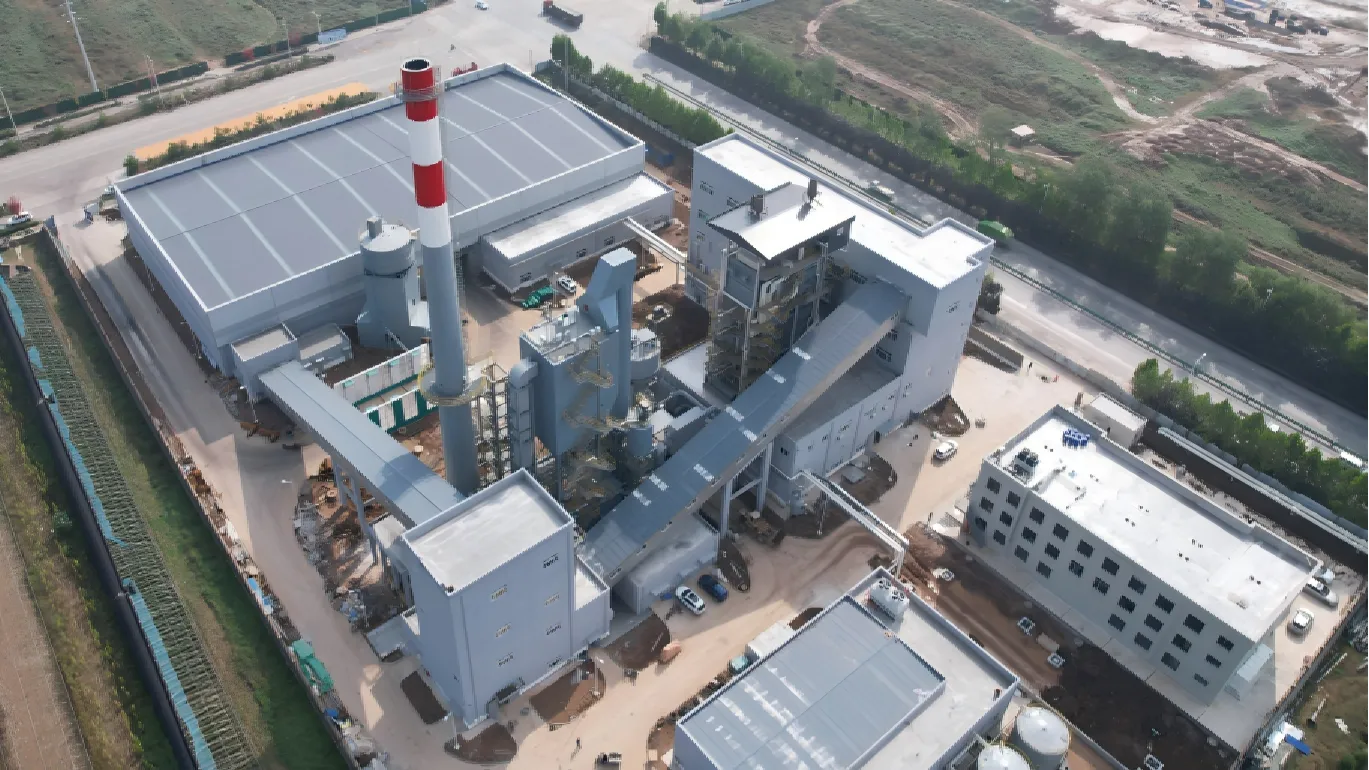
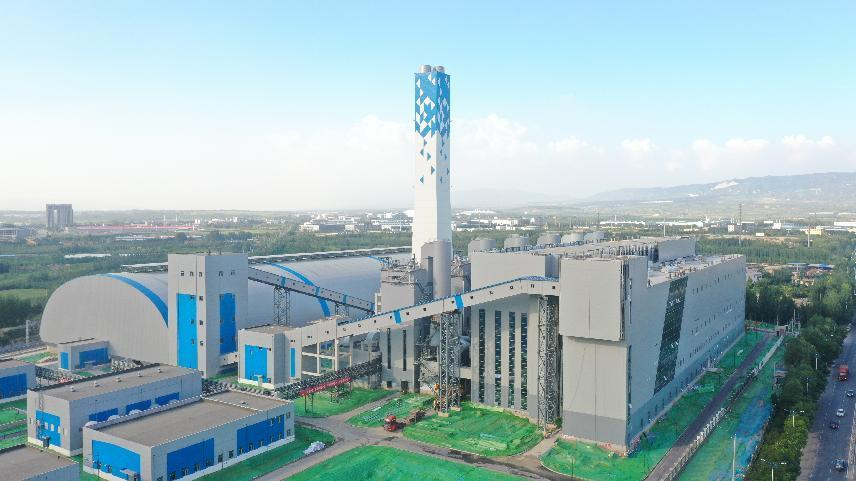
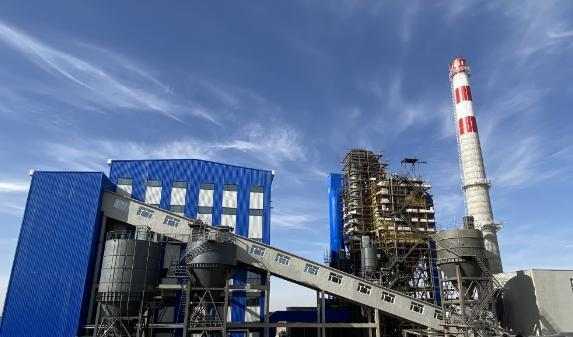
A biomass hot water boiler represents an innovative heating solution that harnesses renewable energy from organic materials to provide efficient hot water generation. This biomass hot water boiler system converts wood pellets, agricultural residues, and other organic biomass into thermal energy, delivering consistent heat for residential, commercial, and industrial applications. The biomass hot water boiler operates through a combustion process where biomass fuel burns in a specialized chamber, transferring heat to water circulating through an integrated heat exchanger. This heated water then distributes throughout your property via existing piping systems, providing domestic hot water and space heating capabilities. Key technological features of a biomass hot water boiler include advanced combustion controls, automated fuel feeding mechanisms, and sophisticated emission reduction systems. These components work together to maximize energy efficiency while minimizing environmental impact. The biomass hot water boiler typically achieves efficiency rates between 85-90%, significantly outperforming traditional fossil fuel systems. Applications for a biomass hot water boiler extend across diverse sectors. Homeowners utilize these systems for complete heating solutions, while agricultural facilities benefit from processing their own waste materials. Commercial properties, hotels, and institutional buildings find cost-effective operation through biomass hot water boiler installations. Industrial facilities often employ these systems for process heating and steam generation, creating substantial operational savings over extended periods.

New Product Recommendations

The biomass hot water boiler delivers compelling practical benefits that make it an attractive investment for property owners seeking sustainable heating alternatives. First, operational cost savings represent a significant advantage. Biomass fuel generally costs considerably less than heating oil, natural gas, or electricity. By switching to a biomass hot water boiler, customers typically reduce their annual heating expenses by 30-50%, depending on fuel availability and current energy prices in their region. Environmental responsibility stands as another major benefit of choosing a biomass hot water boiler system. Since biomass represents a renewable resource, burning it produces minimal net carbon emissions. Trees and plants used for fuel absorb carbon dioxide during growth, offsetting combustion emissions. This carbon-neutral characteristic makes a biomass hot water boiler an eco-conscious choice for environmentally aware businesses and homeowners. Operational independence provides additional value through a biomass hot water boiler installation. Users reduce reliance on volatile energy markets and potential supply disruptions by utilizing locally sourced biomass fuel. This autonomy proves especially valuable in rural areas where alternative fuel options remain limited or expensive. Application flexibility enhances the biomass hot water boiler's appeal across different property types. Retrofit compatibility allows installation in existing heating infrastructure without complete system overhauls. The biomass hot water boiler provides reliable performance in various climates and building configurations, from small residential properties to large commercial complexes requiring substantial heating capacity. Additionally, government incentives and renewable energy subsidies often reduce initial investment costs for biomass hot water boiler systems, improving overall financial viability and return on investment timelines.

Tips And Tricks

How can a CFB power plant achieve near-zero particulate emissions effectively?

10

Aug

How can a CFB power plant achieve near-zero particulate emissions effectively?

Achieving near-zero particulate emissions in coal-fired facilities represents one of the most significant environmental and operational challenges facing modern energy generation. A cfb power plant equipped with advanced circulating fluidized bed com...
View More
How does fluidized bed combustion adapt to sudden fuel composition shifts?

15

Sep

How does fluidized bed combustion adapt to sudden fuel composition shifts?

Fuel composition variability remains one of the most challenging operational parameters in modern thermal power generation. When feedstock sources shift unexpectedly or intentionally blend different materials, systems must respond quickly to maintain...
View More
What temperature range ensures optimal efficiency in fluidized bed combustion?

25

Sep

What temperature range ensures optimal efficiency in fluidized bed combustion?

Understanding the optimal temperature range for fluidized bed combustion is essential for operators seeking to maximize boiler performance and reduce operational costs. Temperature control directly influences combustion efficiency, fuel consumption r...
View More
What are the key indicators of a healthy circulating fluidized bed loop?

01

Oct

What are the key indicators of a healthy circulating fluidized bed loop?

A circulating fluidized bed loop represents one of the most sophisticated thermal conversion systems in modern industrial applications. Understanding the key indicators of a healthy circulating fluidized bed operation is critical for operators, engin...
View More

Get a Free Quote

Our representative will contact you soon.
Email
Name
Company Name
Message
0/1000

biomass hot water boiler

Superior Energy Efficiency and Cost Performance

Superior Energy Efficiency and Cost Performance

The biomass hot water boiler delivers exceptional energy efficiency that translates directly into substantial cost savings for users. Modern biomass hot water boiler technology achieves efficiency ratings of 85-90%, meaning most fuel energy converts to usable heat rather than escaping through exhaust systems. This superior performance dramatically reduces fuel consumption compared to conventional heating methods. Property owners benefit from lower annual heating bills, with many customers reporting 40-50% reductions in energy expenditures after switching to a biomass hot water boiler system. The financial advantage compounds over years of operation, creating impressive long-term returns on investment. Beyond immediate cost reduction, the biomass hot water boiler qualifies for various government grants and renewable energy incentives, further improving financial outcomes and making the initial purchase more affordable for homeowners and businesses alike.
Environmental Sustainability and Carbon Neutrality

Environmental Sustainability and Carbon Neutrality

Choosing a biomass hot water boiler represents a meaningful commitment to environmental responsibility and climate action. Unlike fossil fuels, biomass represents a renewable resource that regenerates naturally through agricultural and forestry practices. When operating a biomass hot water boiler, the carbon dioxide released during combustion equals the carbon absorbed by growing plants destined for fuel production, creating a carbon-neutral heating cycle. This environmental advantage appeals strongly to businesses pursuing sustainability certifications and homeowners reducing their ecological footprint. The biomass hot water boiler minimizes greenhouse gas emissions while utilizing waste materials that would otherwise require disposal. By installing a biomass hot water boiler, property owners actively participate in reducing atmospheric carbon accumulation while heating their spaces efficiently. This dual benefit of environmental protection and performance makes the biomass hot water boiler an increasingly popular choice among environmentally conscious consumers and organizations committed to sustainable operations.
Reliable Performance and Fuel Independence

Reliable Performance and Fuel Independence

The biomass hot water boiler provides dependable heating performance while offering significant autonomy from volatile energy markets. Users reduce vulnerability to natural gas price fluctuations and supply chain disruptions through biomass hot water boiler systems utilizing locally sourced fuel. This independence proves particularly valuable in rural communities where conventional fuel options remain limited or expensive. The biomass hot water boiler operates consistently regardless of external market conditions, providing predictable heating costs and reliable warmth throughout winter months. Fuel availability from local forestry operations, agricultural facilities, and recycling programs ensures steady supply chains supporting long-term biomass hot water boiler operation. Advanced automation features integrated into modern biomass hot water boiler systems minimize user intervention while maintaining optimal performance. Temperature controls, automated fuel feeding, and intelligent combustion management ensure consistent hot water delivery. This reliability makes the biomass hot water boiler an excellent choice for properties requiring dependable heating solutions regardless of geographic location or market conditions.

Get a Free Quote

Our representative will contact you soon.
Email
Name
Company Name
Message
0/1000
email goToTop