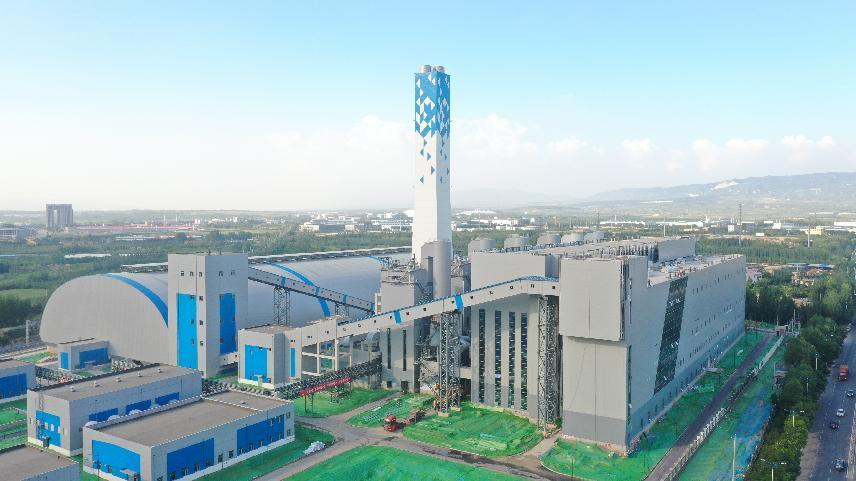
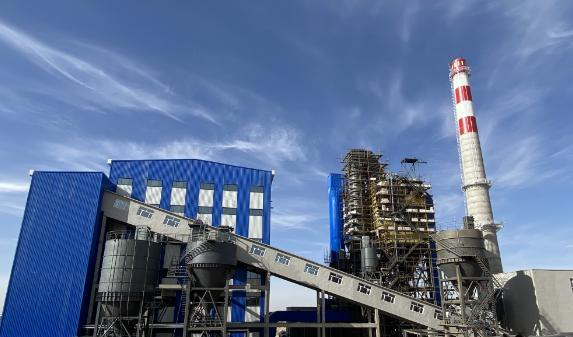
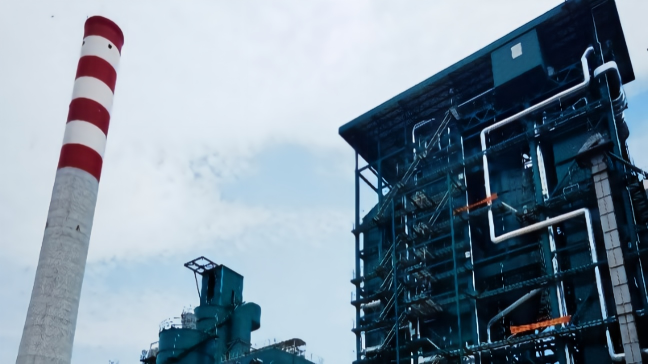
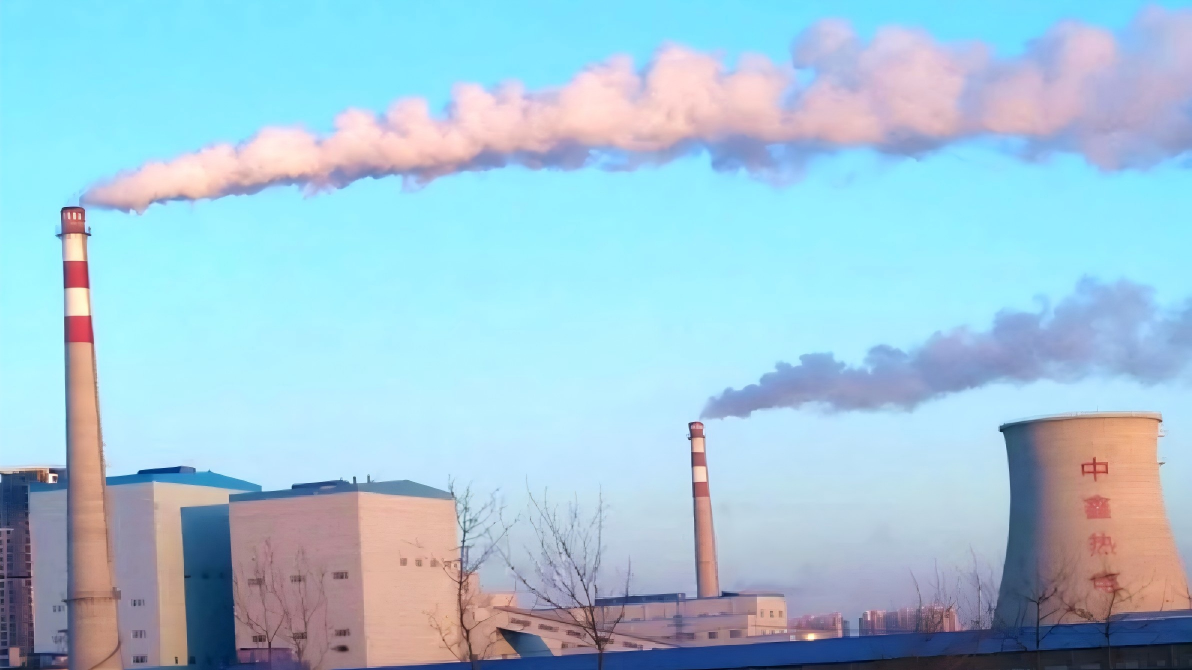
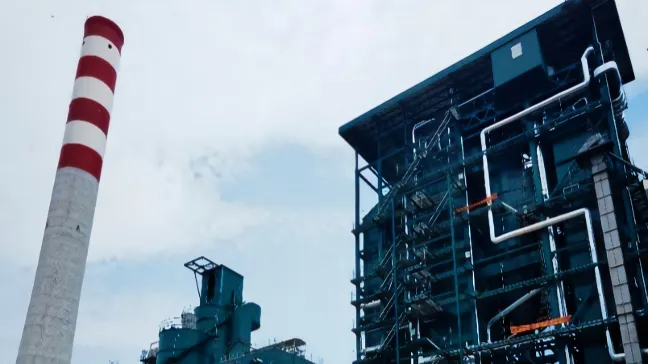
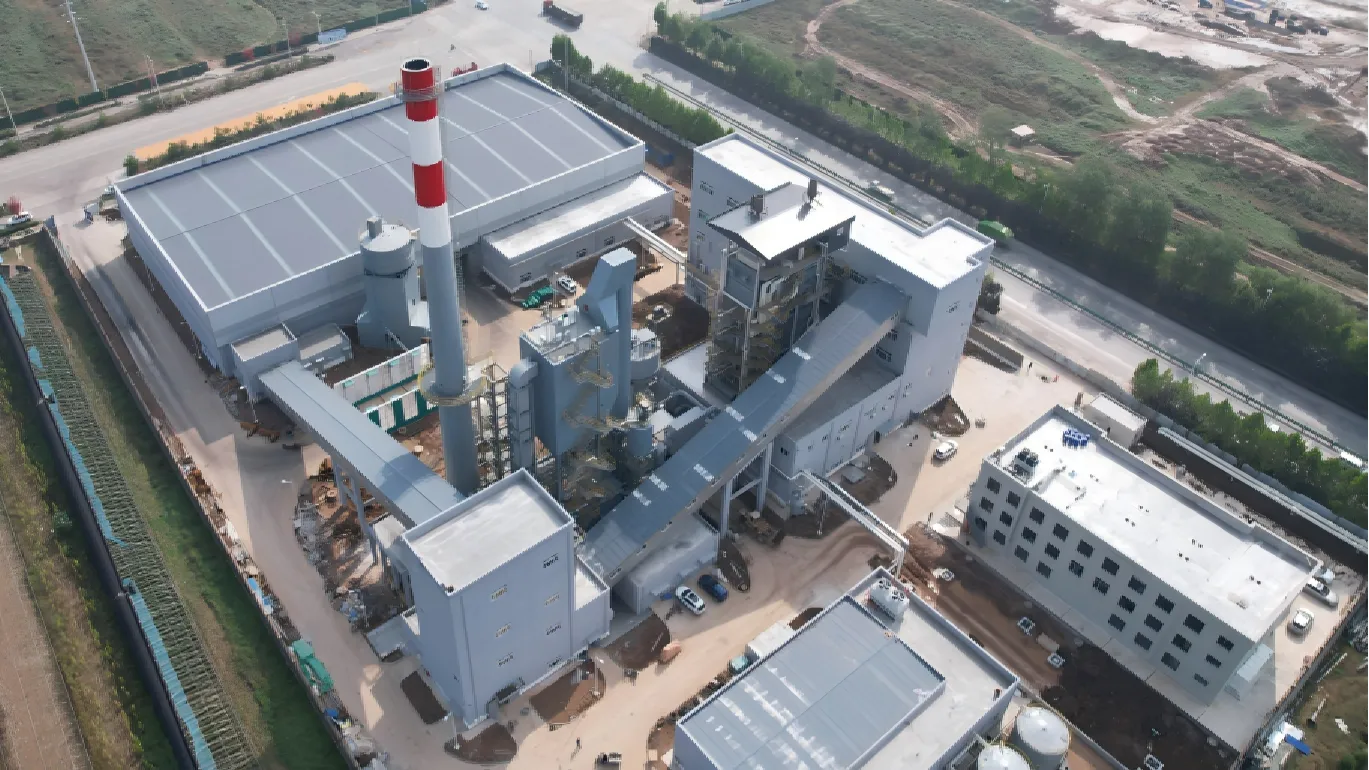
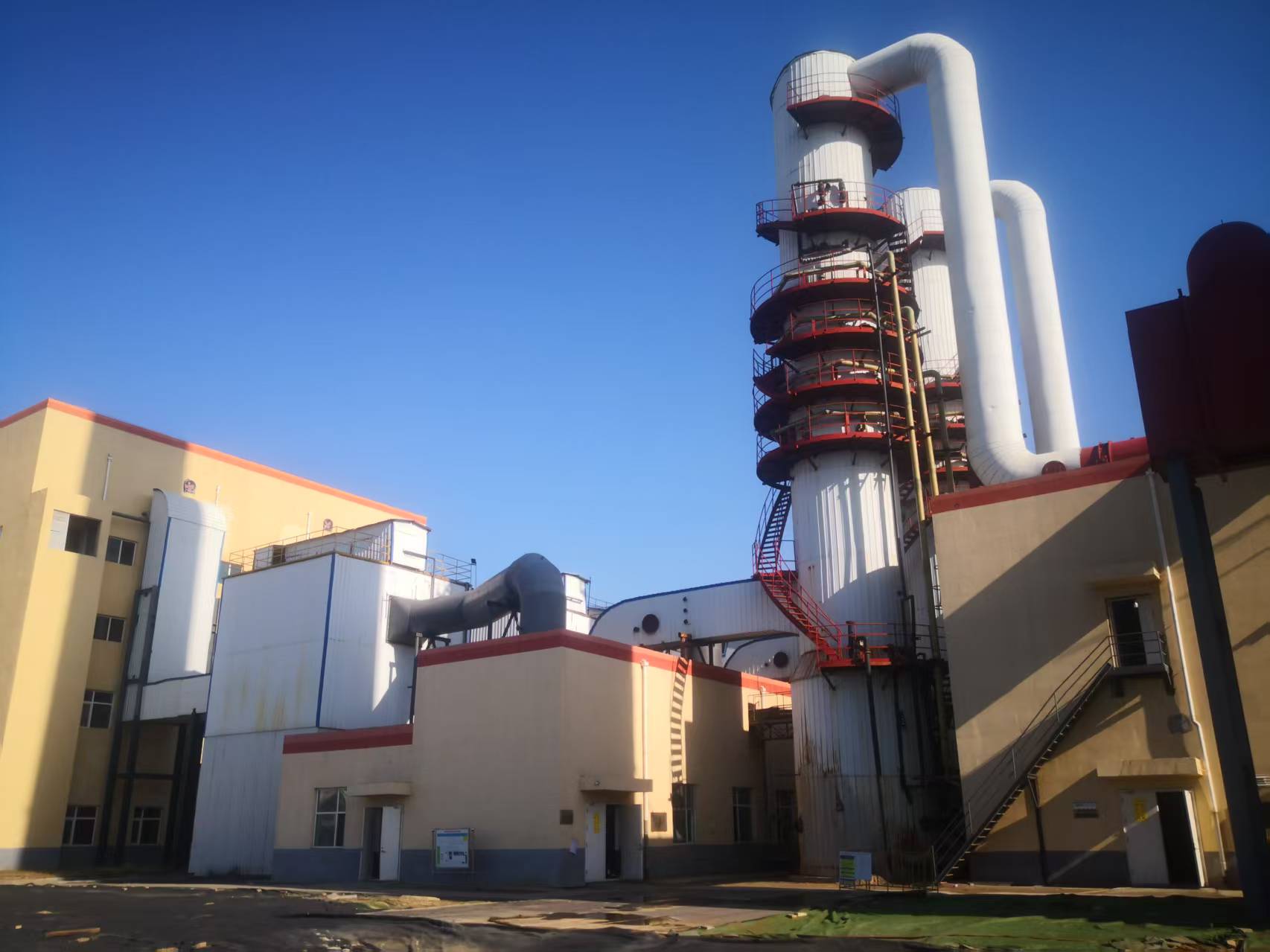
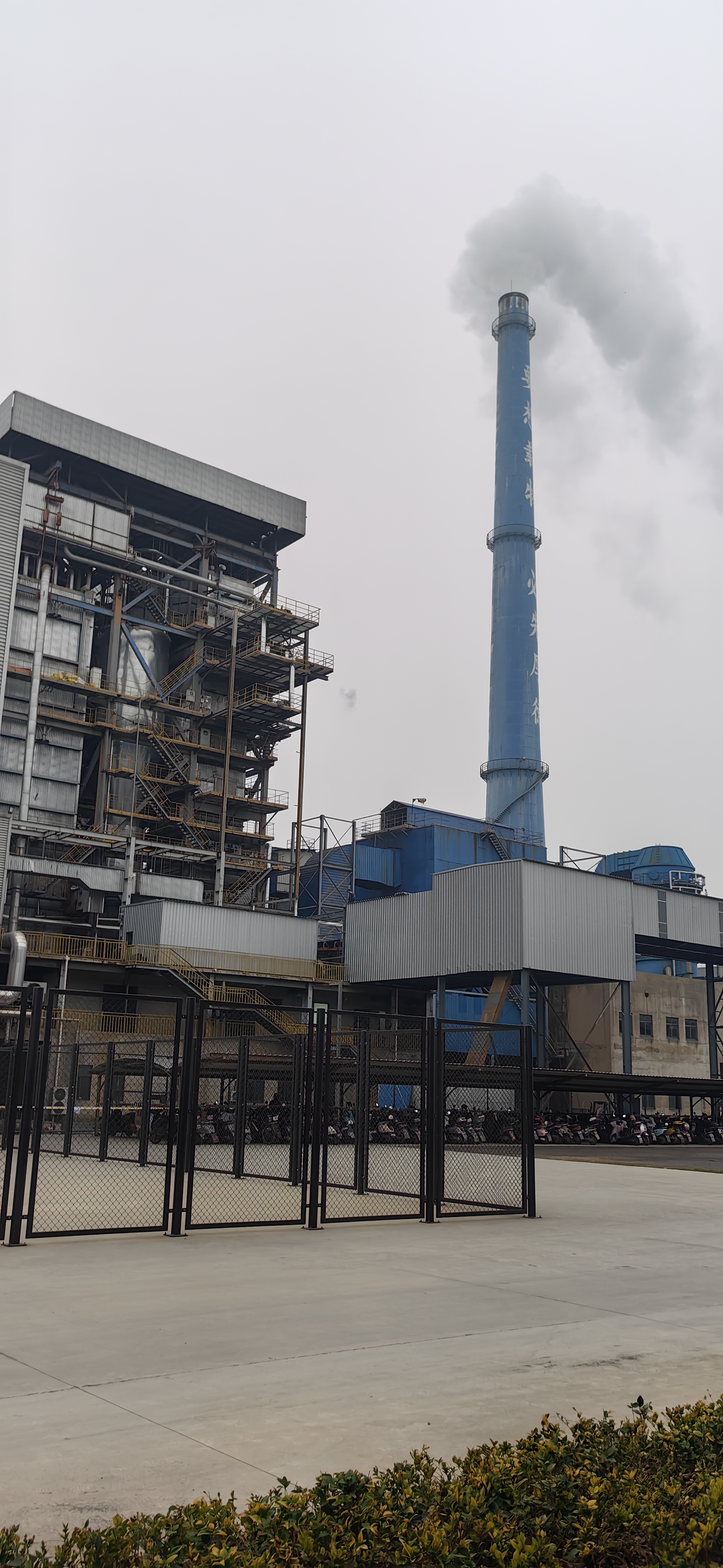
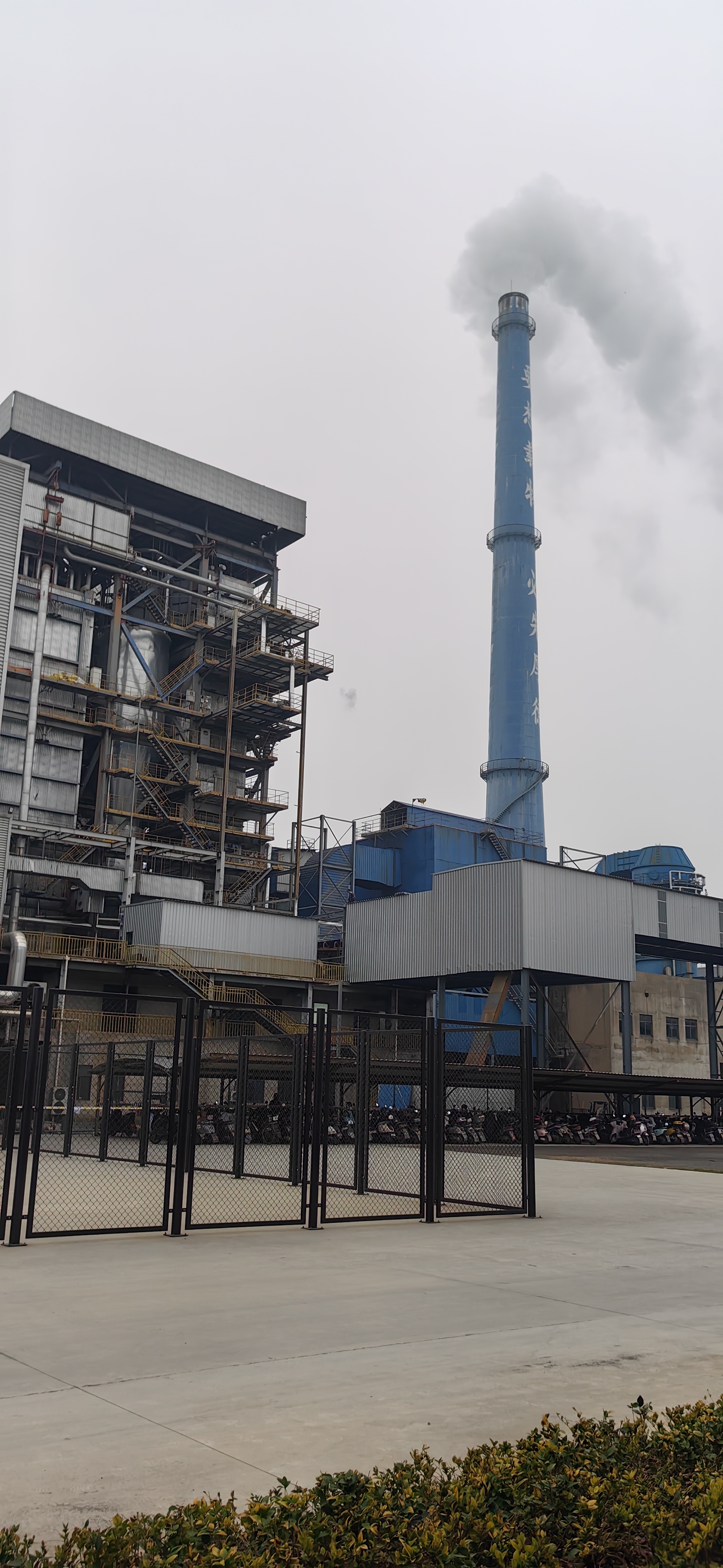
circulating fluidized boiler
A circulating fluidized boiler represents a revolutionary approach to steam generation and energy production in industrial applications. This advanced combustion technology maintains a continuous circulation of solid fuel particles within a combustion chamber, creating an efficient and controlled burning environment. The circulating fluidized boiler operates by suspending fuel particles in an upward-flowing air stream, allowing complete combustion while maintaining precise temperature control throughout the process.
The primary function of a circulating fluidized boiler is to convert fuel energy into steam or hot water for heating, power generation, and industrial processes. This technology excels at burning various fuel types, including coal, biomass, waste materials, and alternative fuels, making it remarkably versatile. The circulating fluidized boiler design features a cyclone separator that captures and recycles unburned particles back into the combustion chamber, maximizing fuel efficiency and reducing waste.
Technologically, the circulating fluidized boiler incorporates sophisticated air distribution systems, advanced erosion-resistant materials, and precise control mechanisms. These features enable the system to maintain optimal combustion conditions while minimizing environmental emissions. The circulating fluidized boiler technology has become increasingly popular in power plants, industrial facilities, and district heating systems worldwide.
Applications for a circulating fluidized boiler span multiple industries, from utilities generating electricity to manufacturers requiring process heat. Industrial facilities benefit from the fuel flexibility that circulating fluidized boiler systems provide, allowing operations to switch between fuel sources based on availability and cost considerations. This adaptability, combined with superior environmental performance, positions the circulating fluidized boiler as a premier choice for modern energy solutions.

 EN