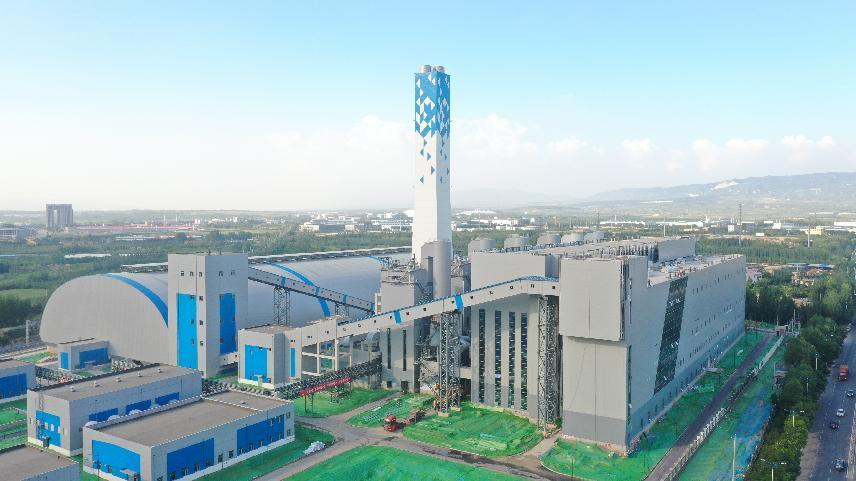
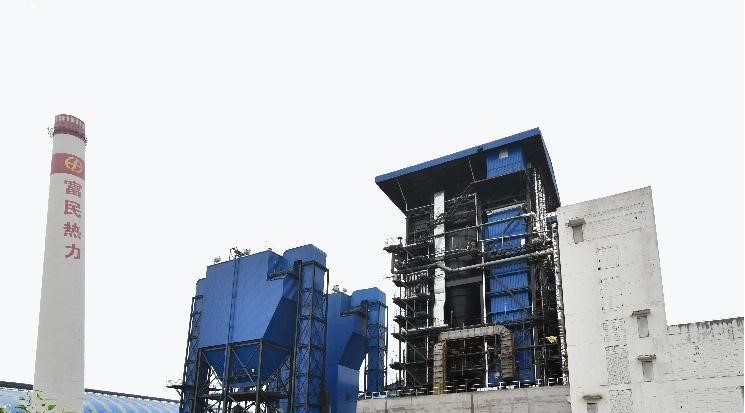
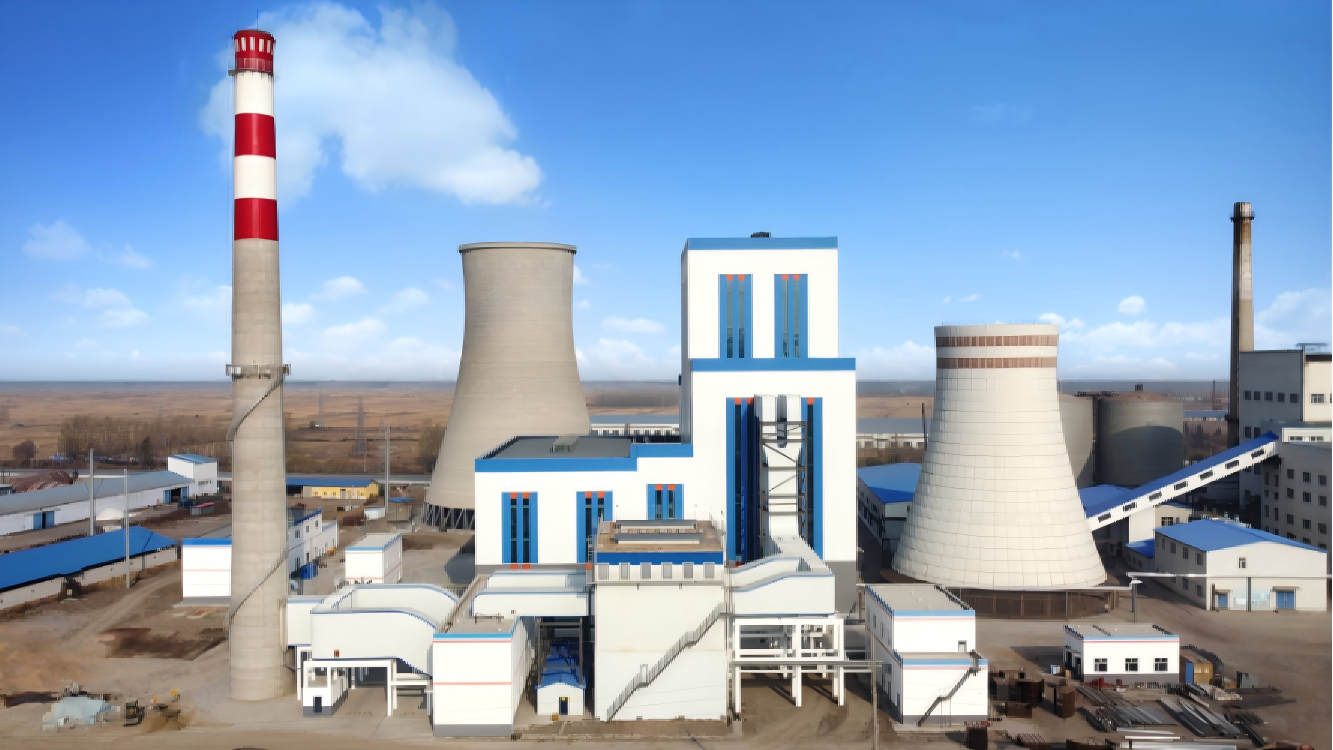
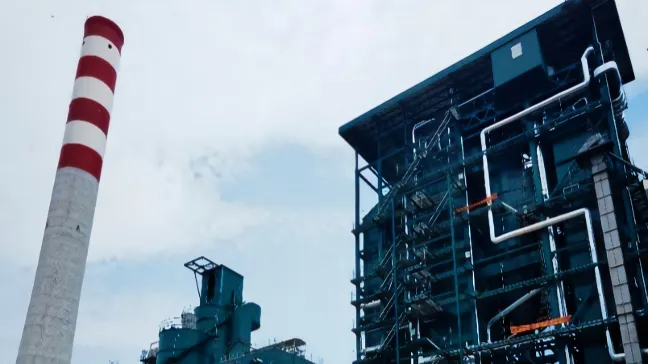
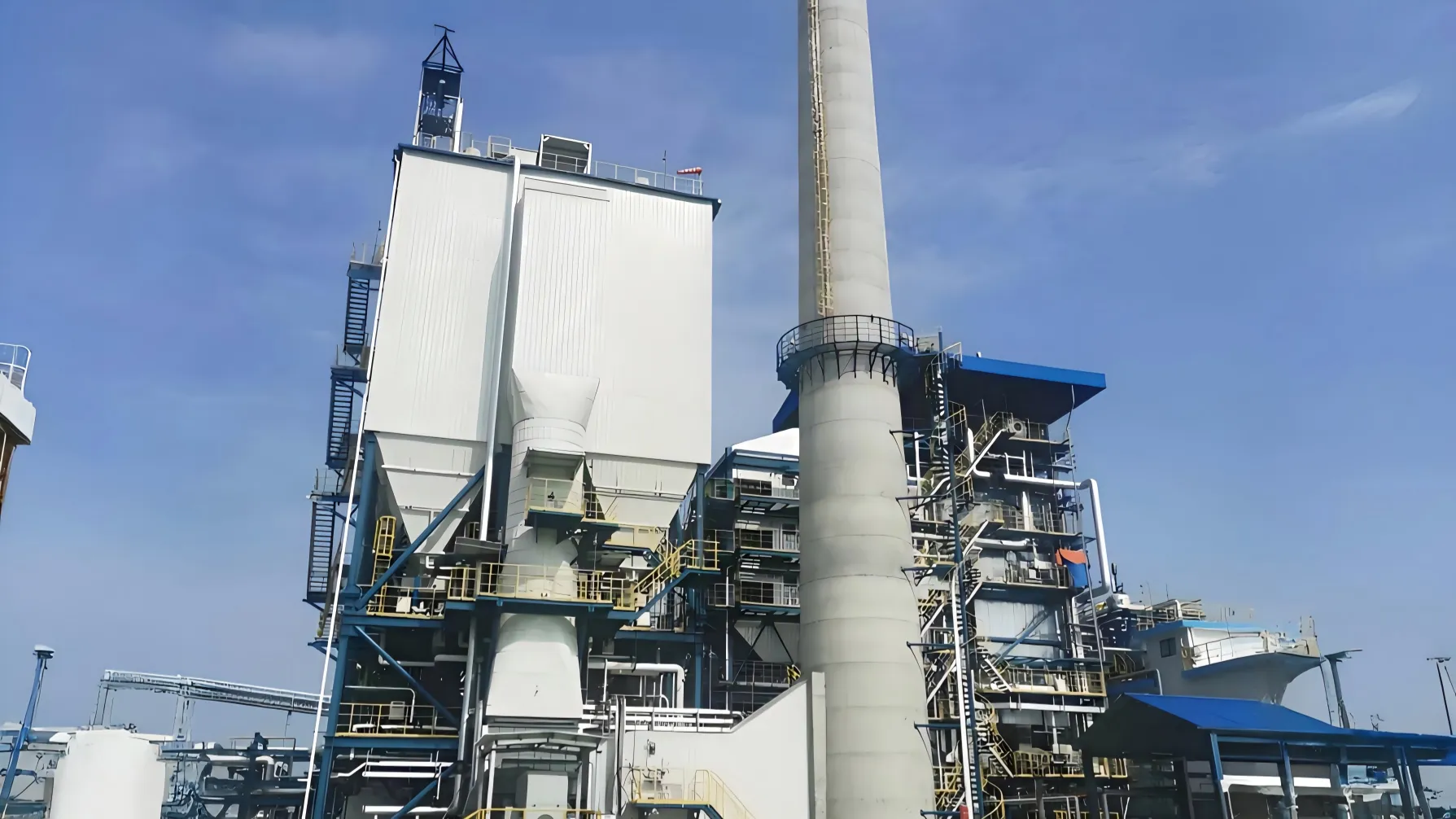
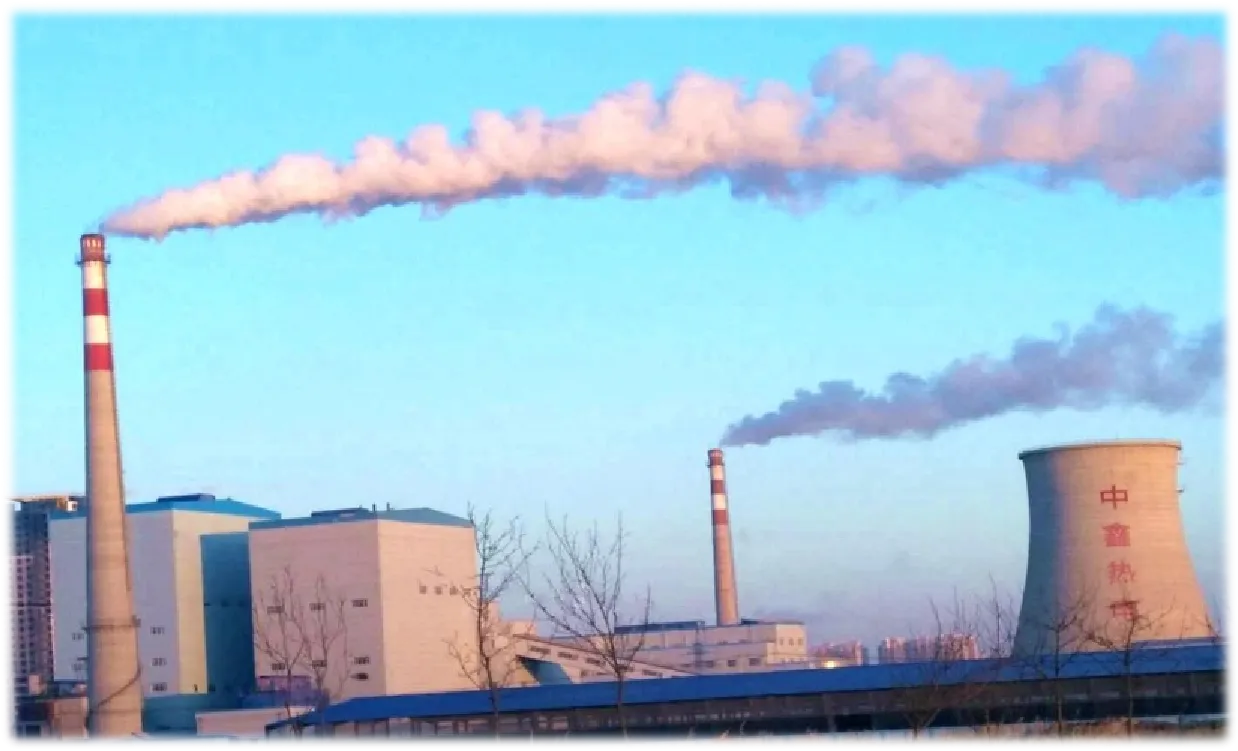
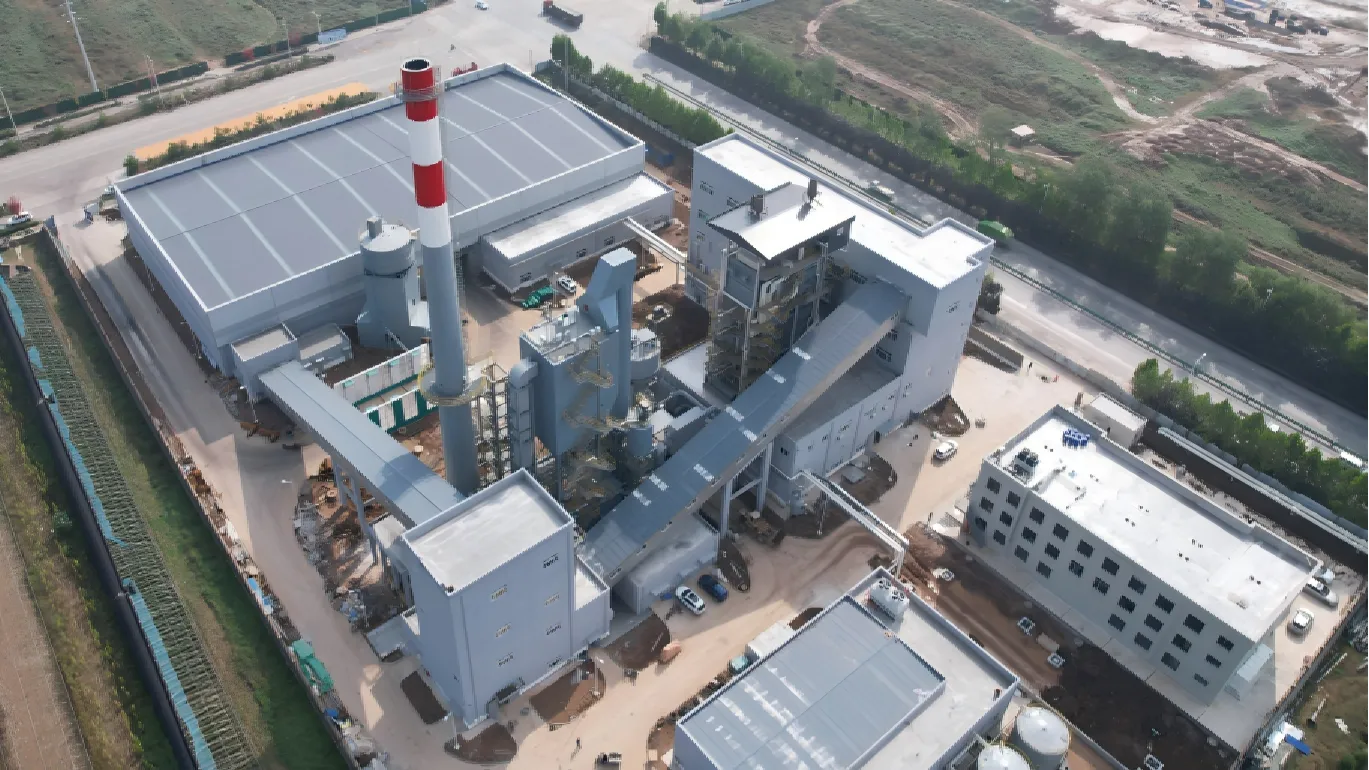
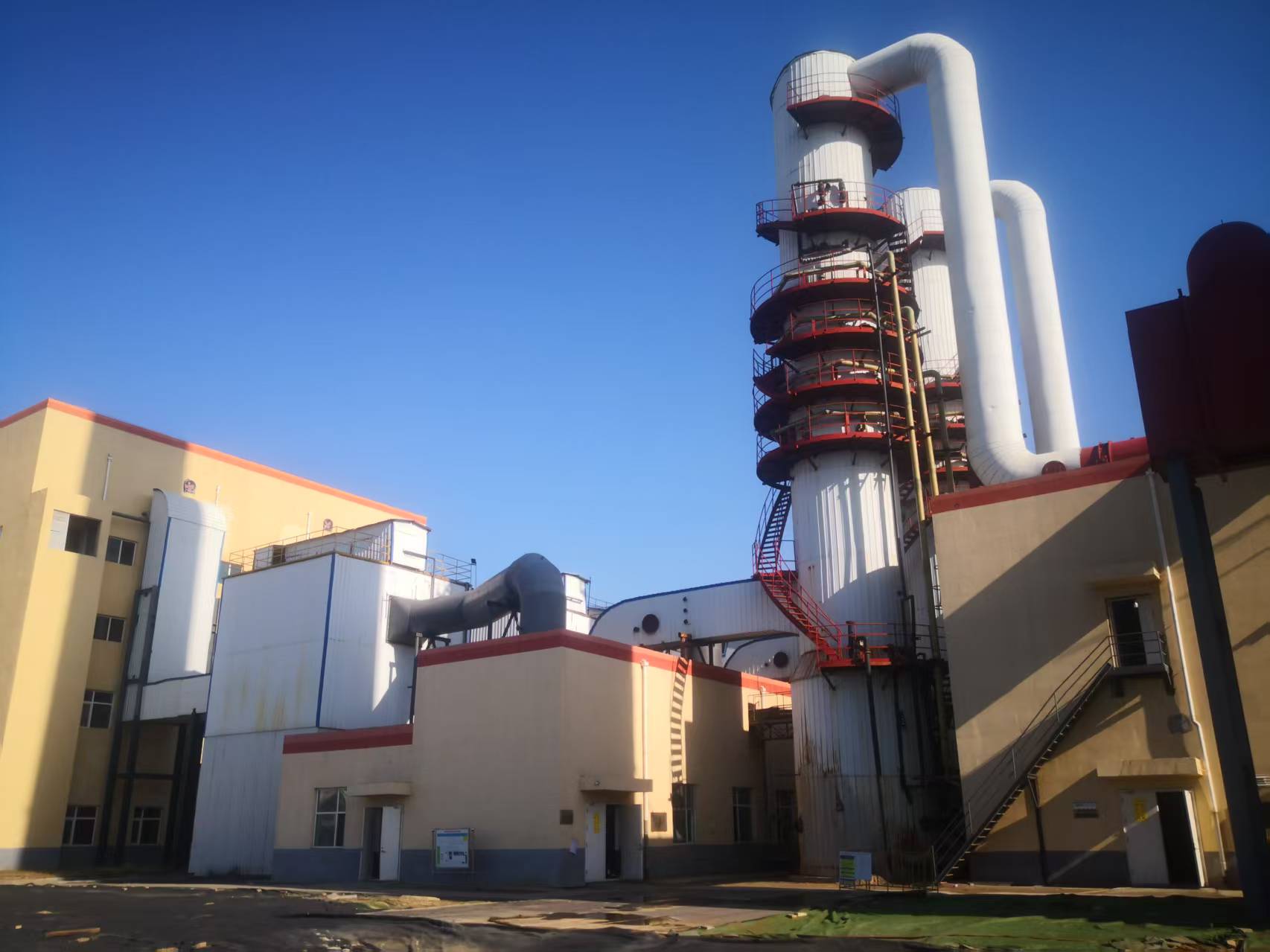
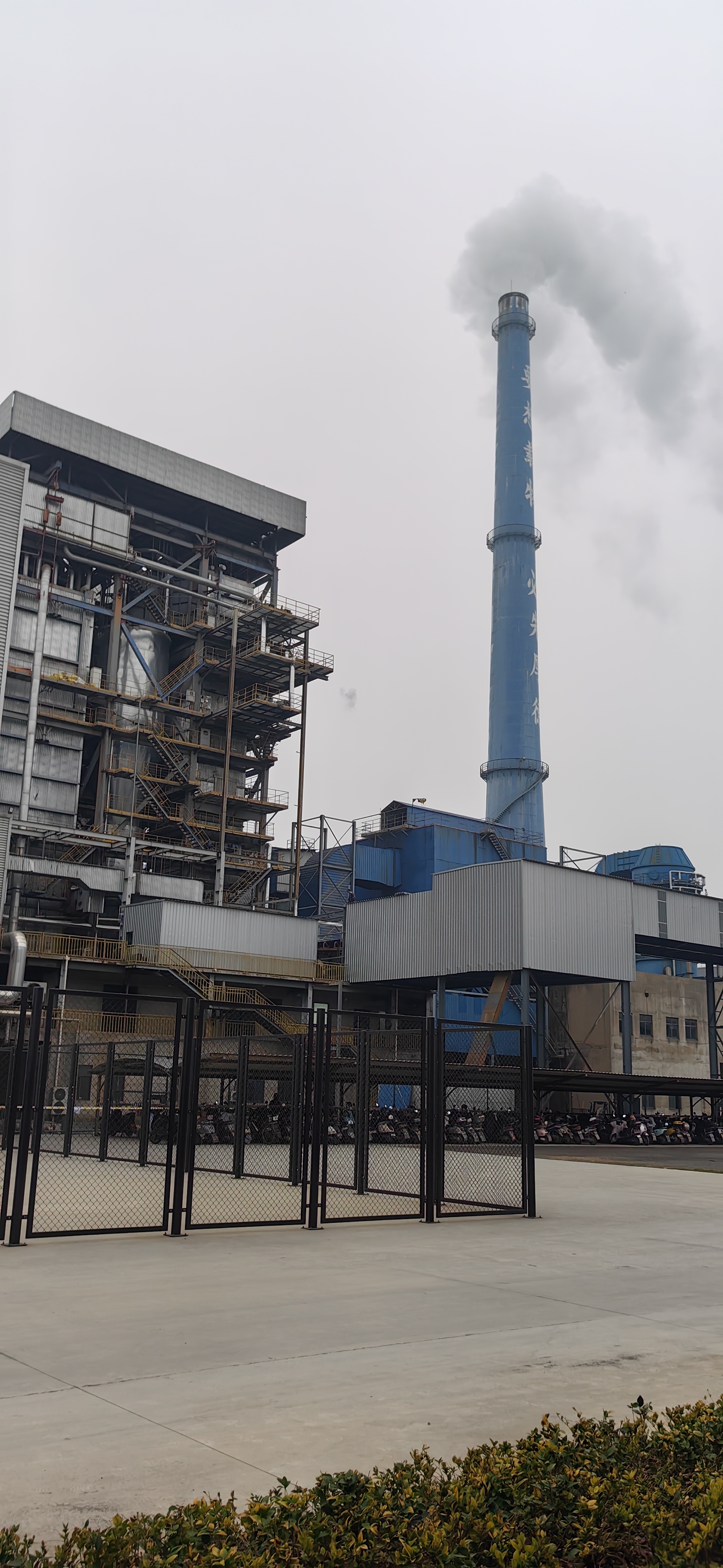
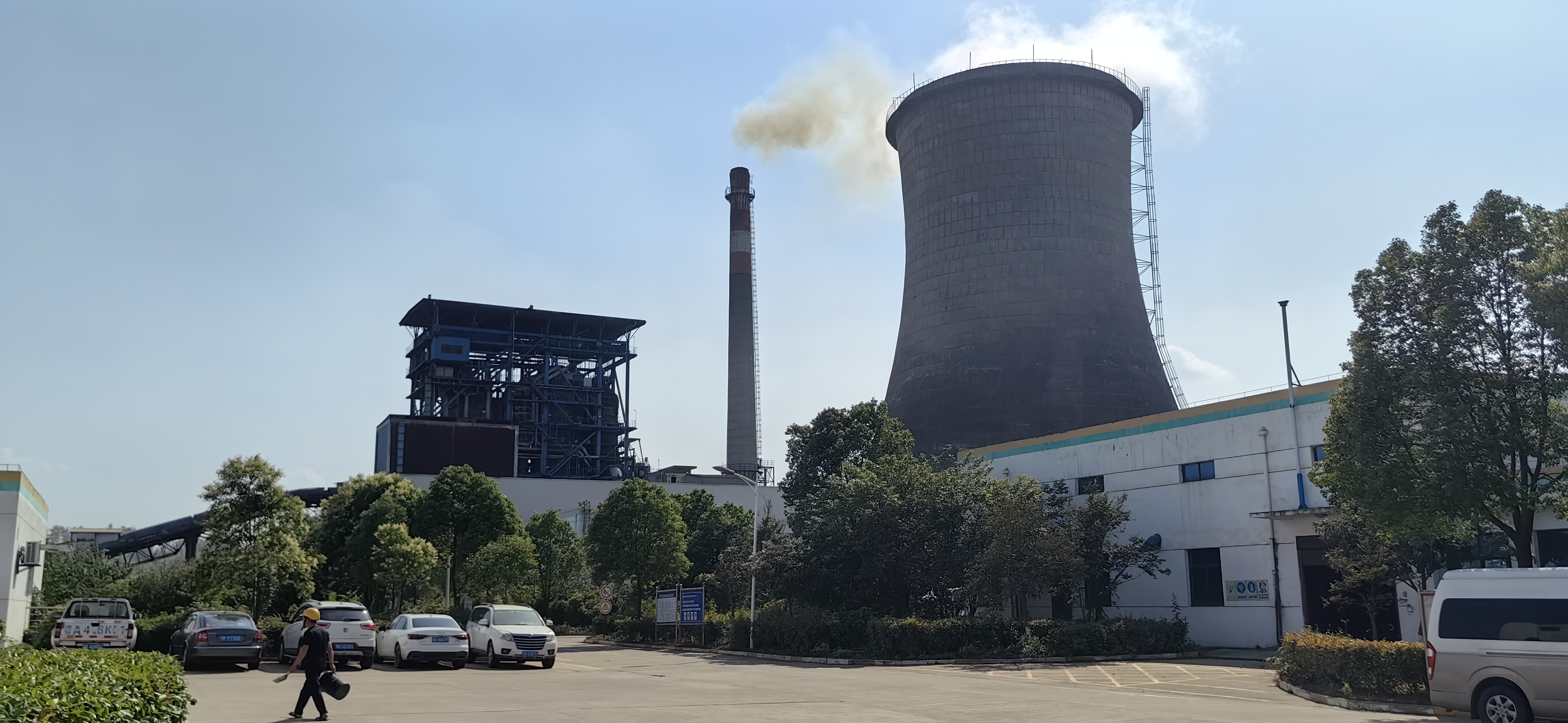
fluidized bed boiler
A fluidized bed boiler represents an innovative combustion technology that revolutionizes energy generation across multiple industries. This specialized boiler system operates by suspending solid fuel particles in a stream of hot air or combustion gases, creating a fluidized state that enhances heat transfer efficiency. The fluidized bed boiler maintains precise temperature control while burning various fuel types, including coal, biomass, waste materials, and other combustible substances that traditional boilers struggle to process effectively.
The primary function of a fluidized bed boiler involves converting fuel energy into steam or hot water through superior combustion dynamics. Unlike conventional boilers, the fluidized bed boiler achieves more complete fuel oxidation by maintaining particles in constant motion, ensuring maximum contact with oxygen. This technological advancement significantly reduces emissions while improving overall energy output.
Key technological features of the fluidized bed boiler include its atmospheric or pressurized chamber design, which allows for flexible fuel selection and operational adaptability. The system incorporates advanced control mechanisms that monitor and adjust bed temperature, air flow rates, and fuel feed automatically. These innovations make the fluidized bed boiler ideal for power plants, district heating systems, industrial facilities, and waste-to-energy applications.
Applications span diverse sectors where the fluidized bed boiler performs exceptionally well. Industrial manufacturers utilize this technology for simultaneous power and steam generation, while municipalities employ fluidized bed boilers for waste management combined with energy recovery. The environmental compatibility of fluidized bed boiler systems makes them attractive for sustainable operations and regulatory compliance across multiple markets.

 EN