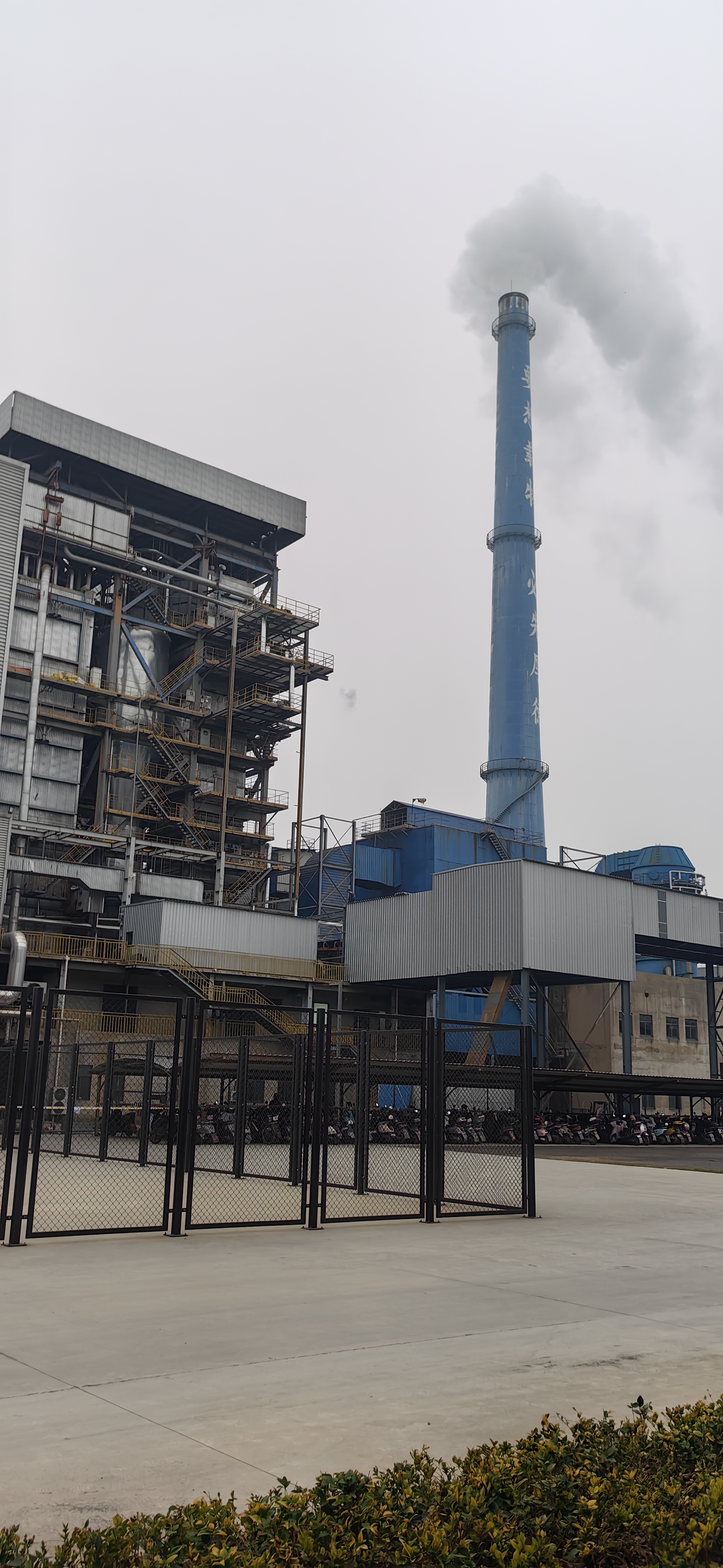
circulating fluidised bed combustion
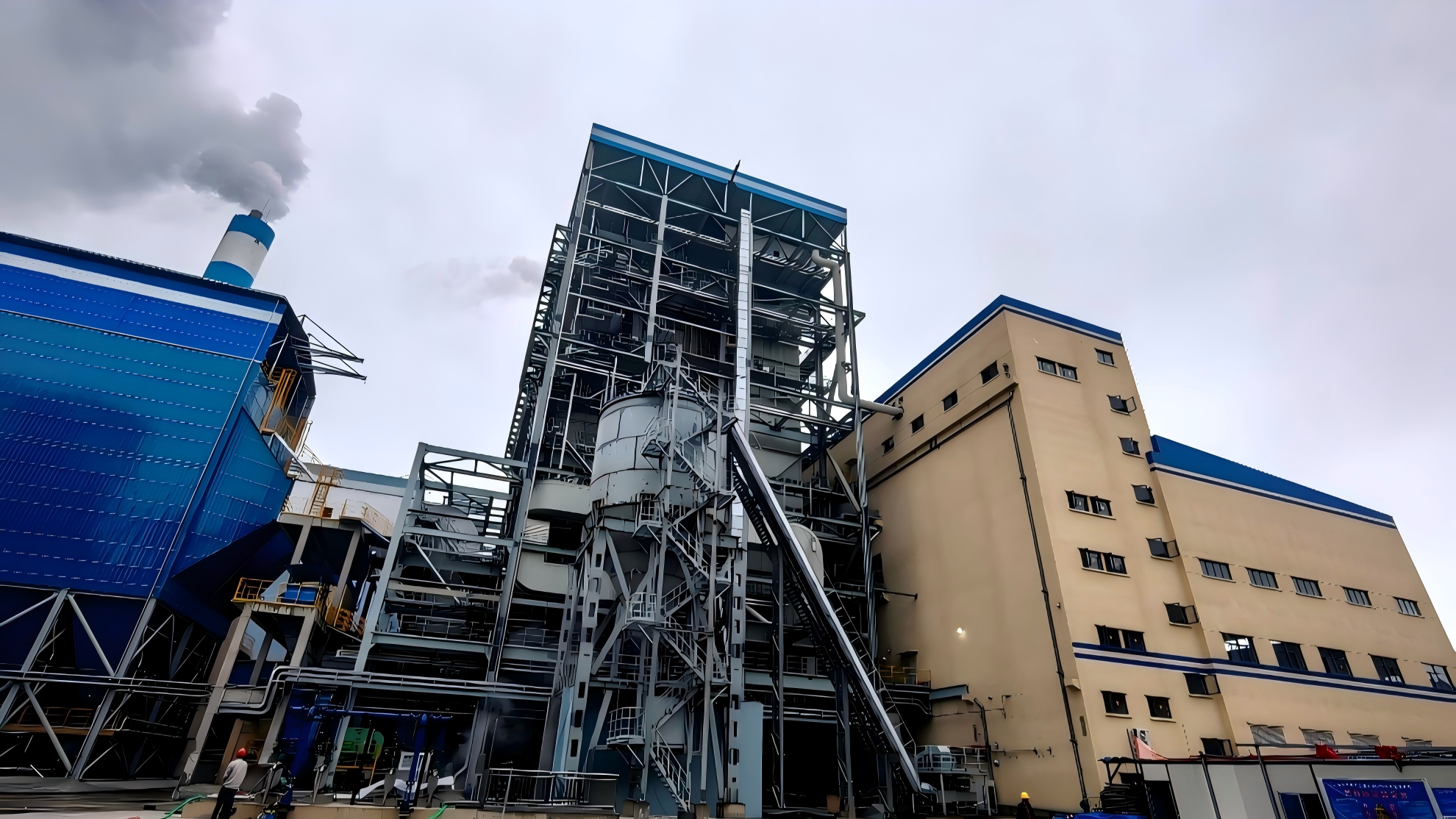
Circulating fluidised bed combustion represents a revolutionary approach to energy generation and waste management. This advanced combustion technology operates by suspending solid fuel particles in an upward-flowing air stream, creating a dynamic environment where fuel and oxidant mix thoroughly. The circulating fluidised bed combustion process involves particles circulating between the combustor and a cyclone separator, ensuring efficient fuel utilization and complete combustion.
The main functions of circulating fluidised bed combustion include burning various fuel types, from coal and biomass to waste materials, while maintaining precise temperature control. The technology features exceptional flexibility, allowing operators to adjust combustion parameters to optimize performance across different feedstocks. Key technological characteristics include a lower combustion temperature compared to conventional methods, reduced emissions of harmful pollutants, and improved heat transfer efficiency.
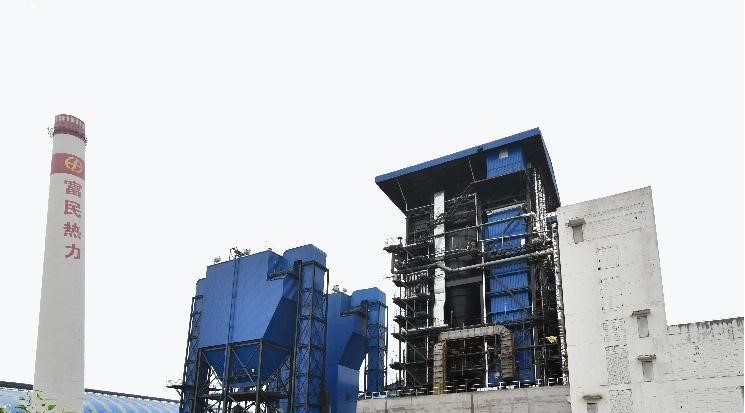
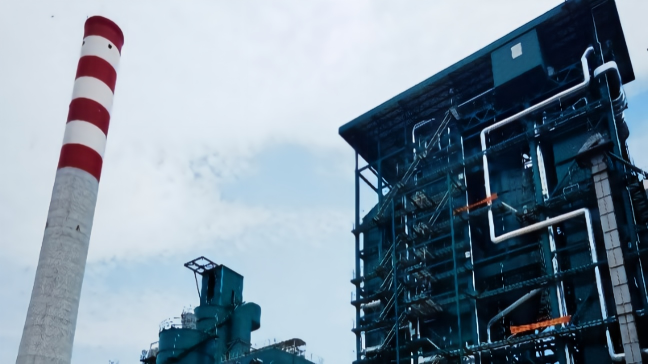
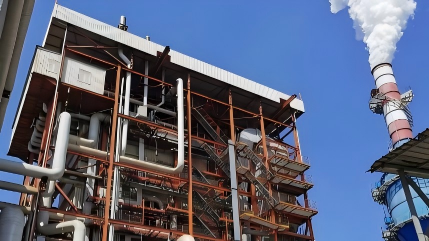
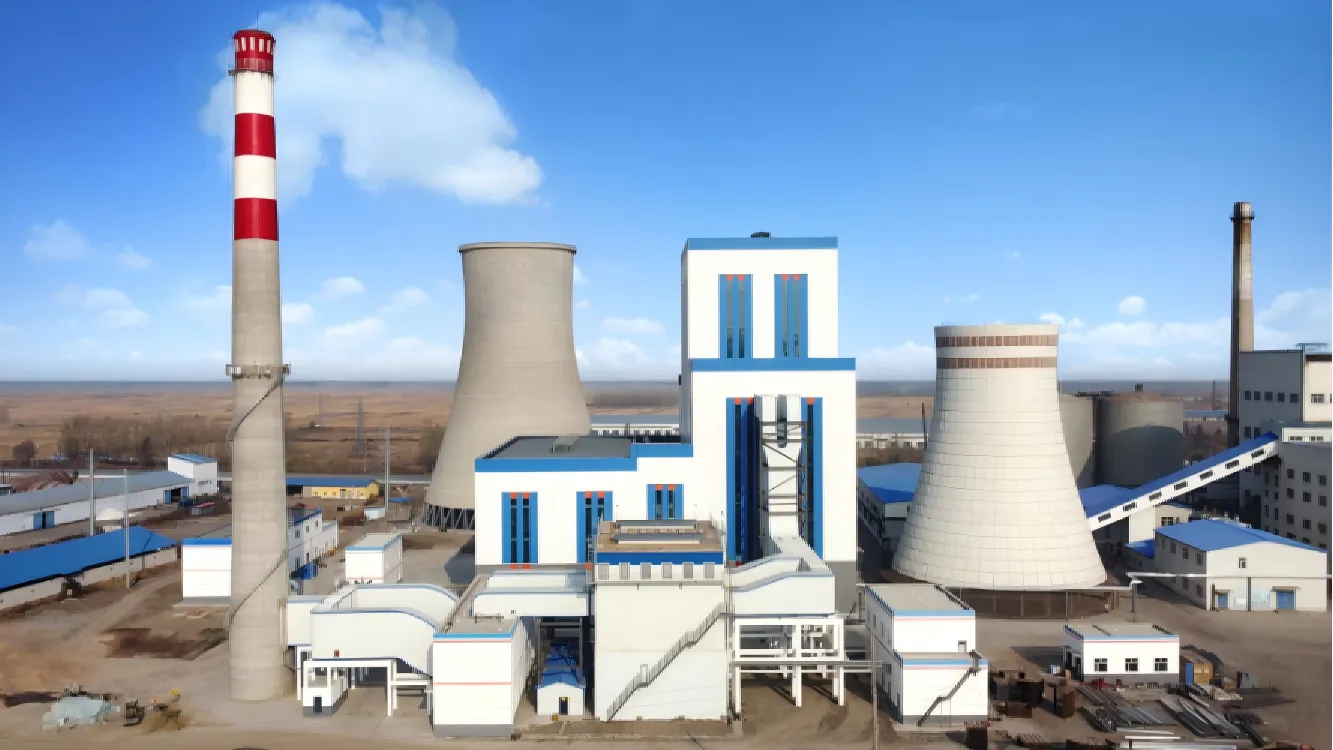
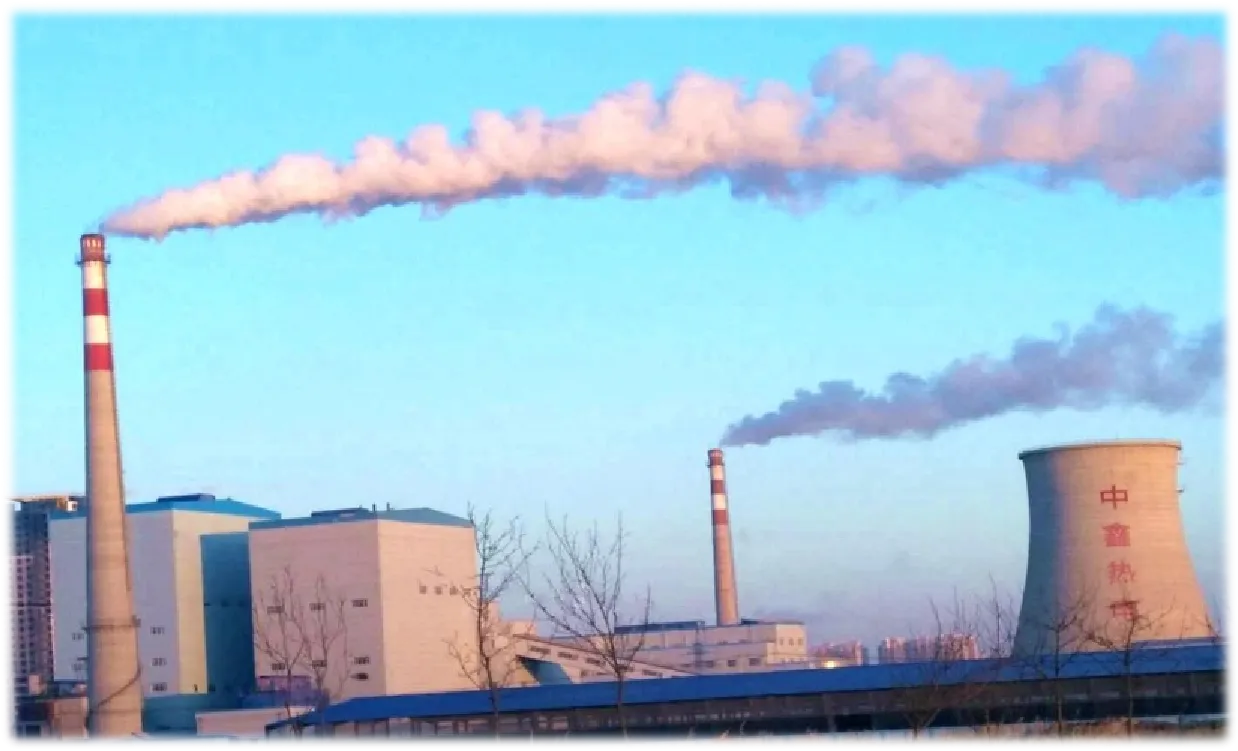
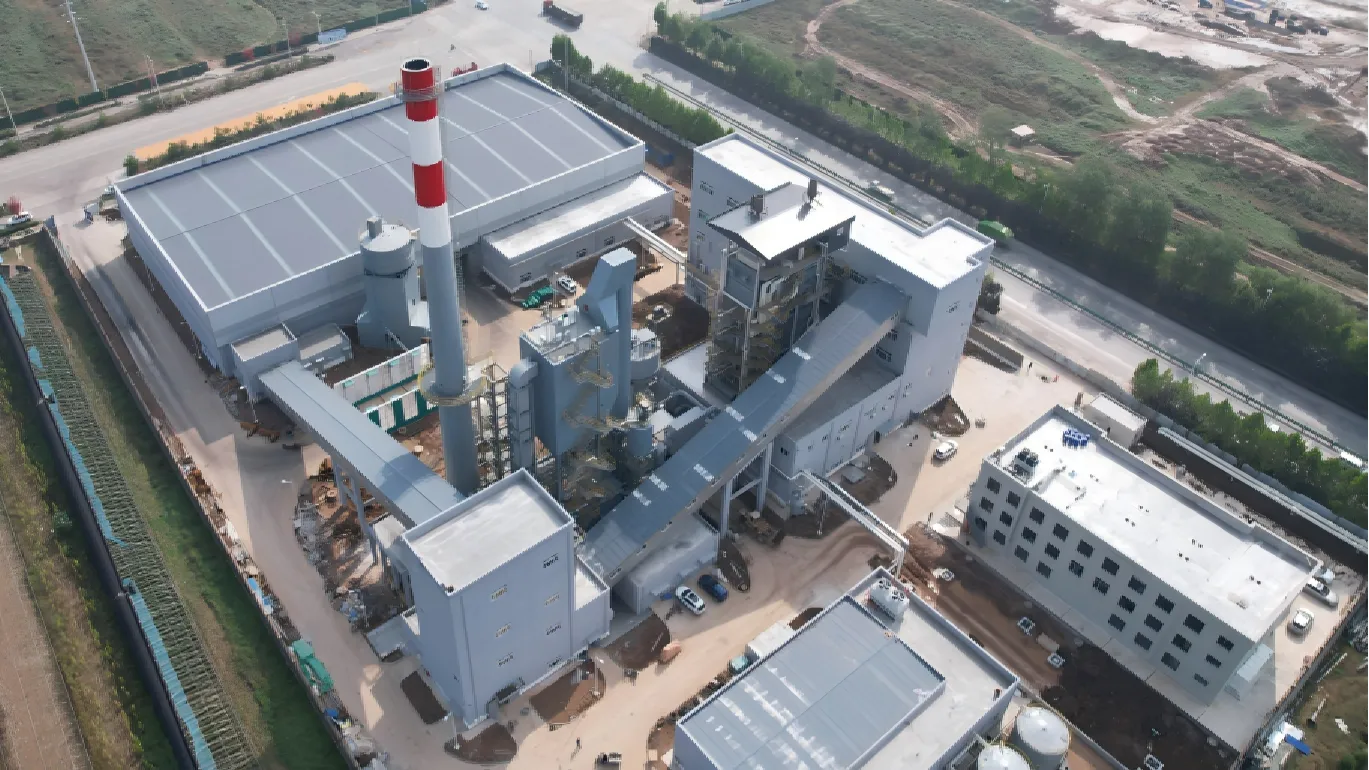
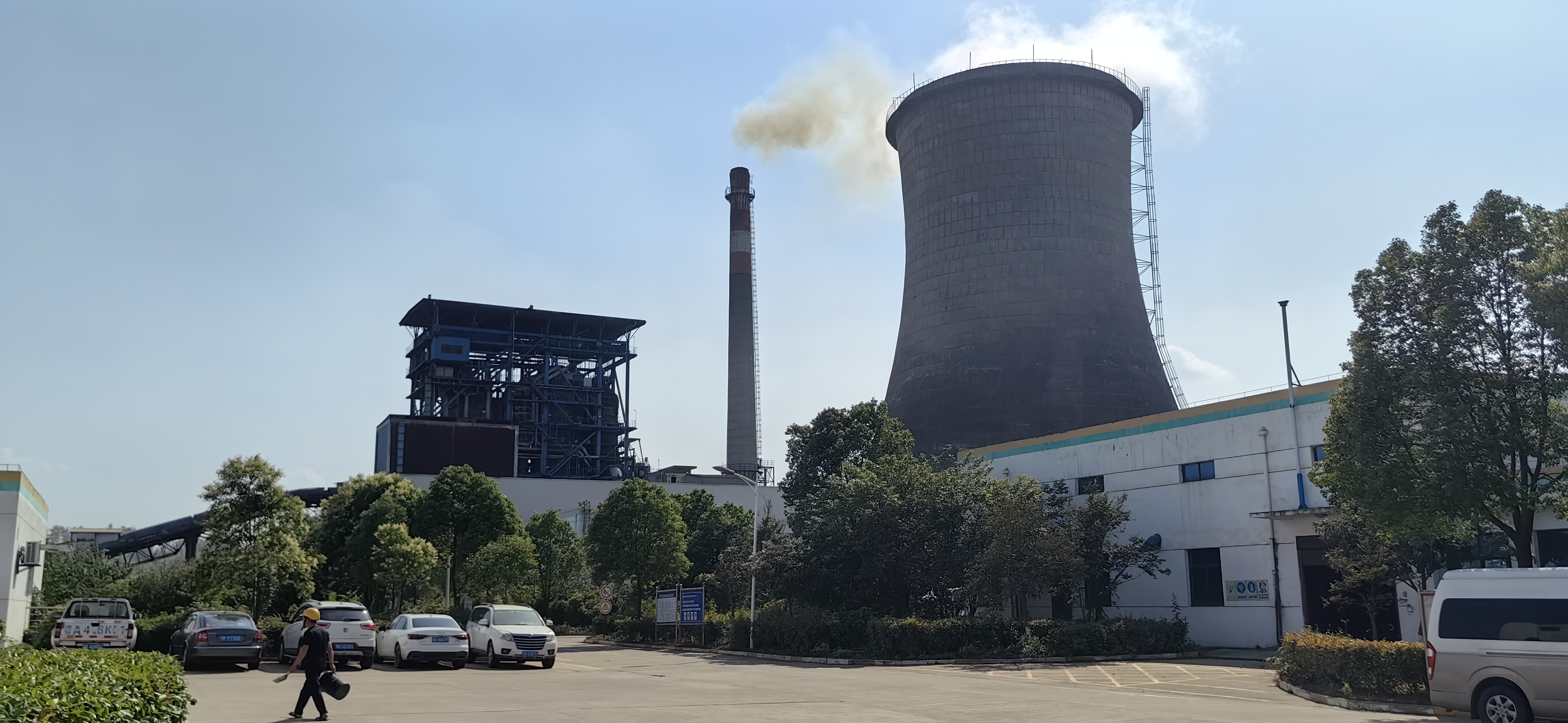
Circulating fluidised bed combustion applications span across power generation, heating systems, and industrial processes. The technology excels in facilities requiring fuel flexibility, particularly where multiple fuel sources must be accommodated. Industrial plants benefit from the circulating fluidised bed combustion system's ability to handle challenging materials while maintaining environmental compliance. This combustion method has become increasingly popular in combined heat and power facilities, waste-to-energy plants, and large-scale thermal systems seeking operational reliability and environmental responsibility.

 EN