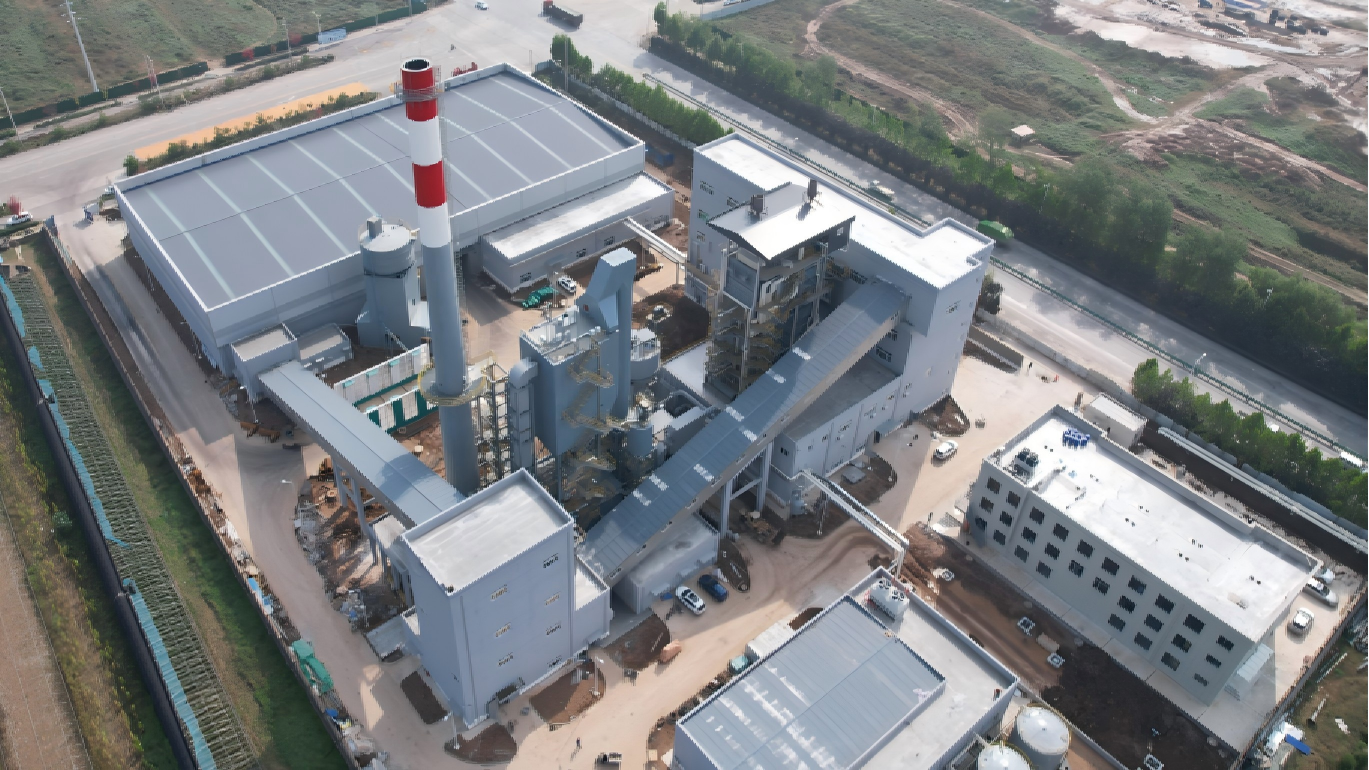
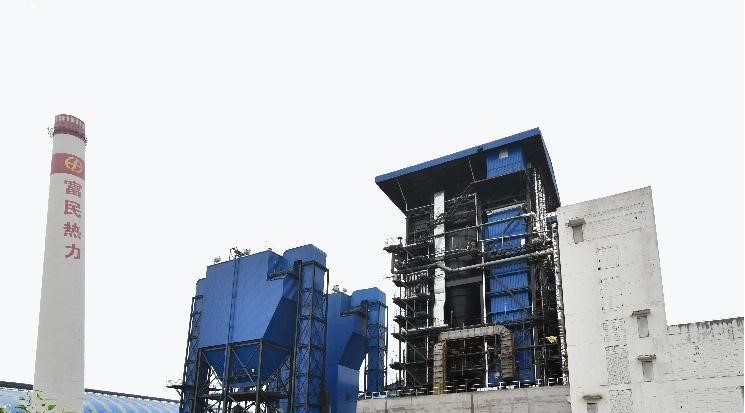
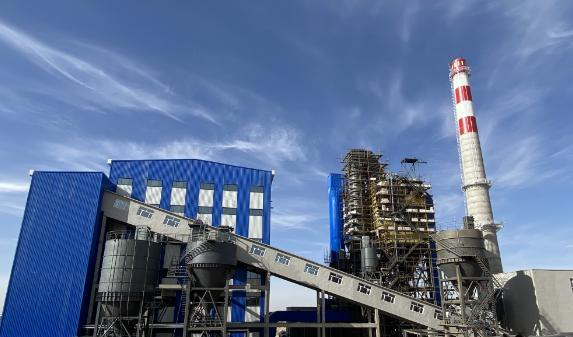
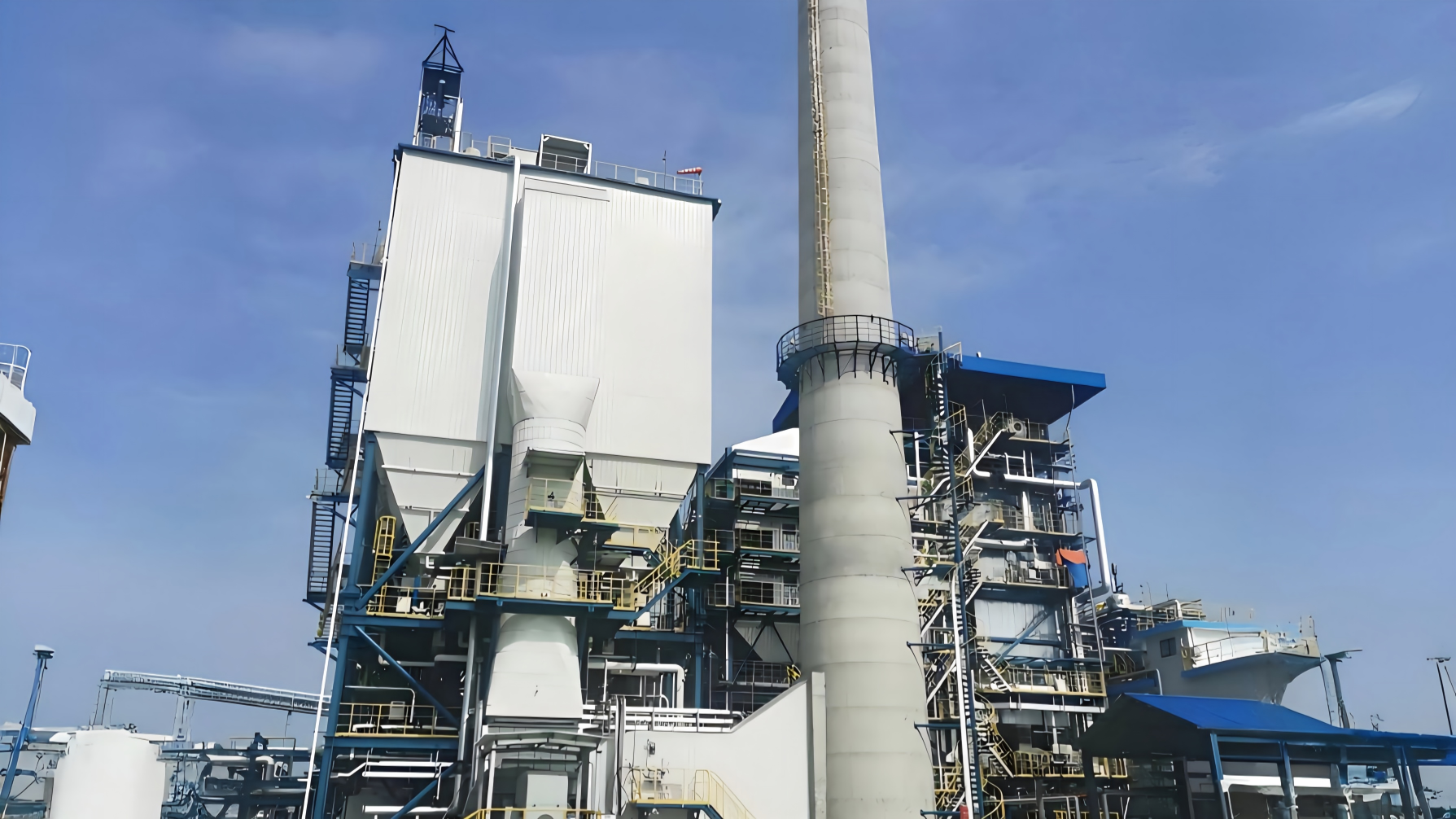
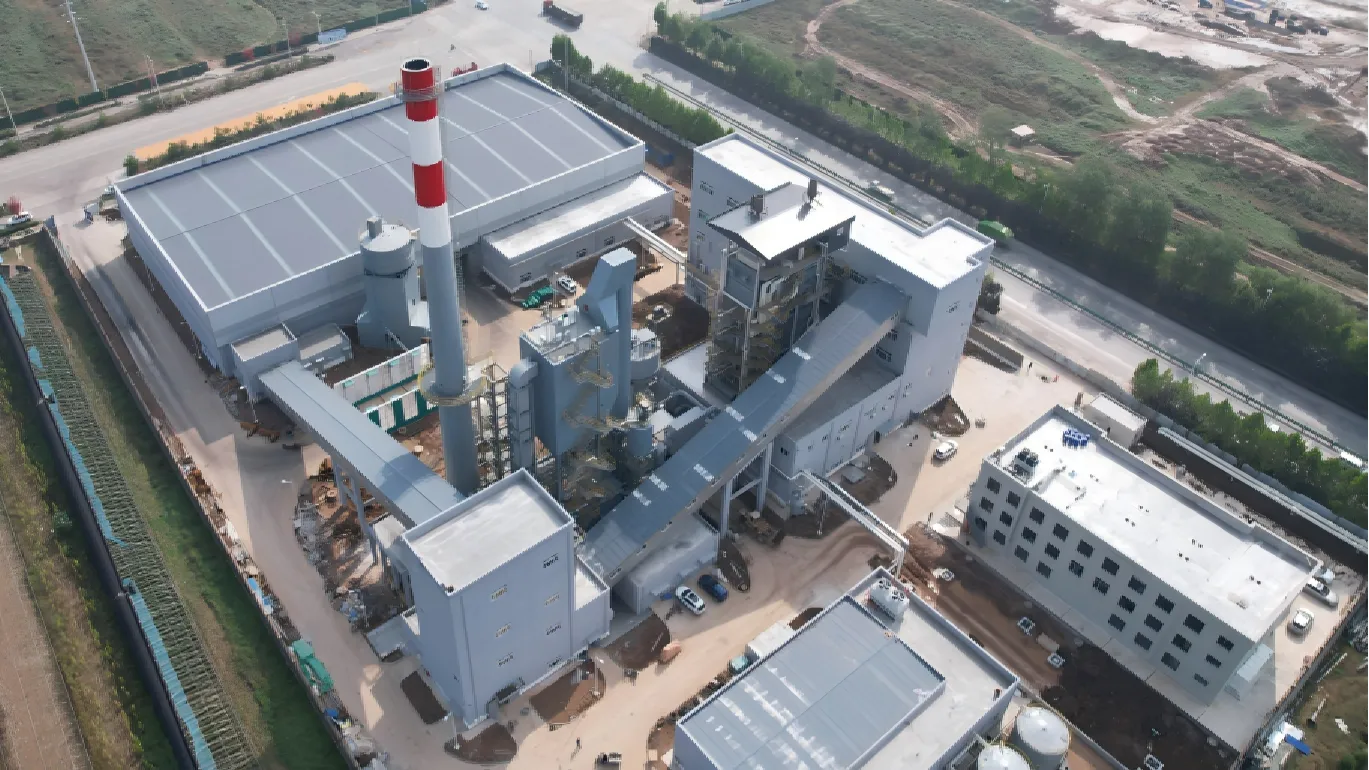
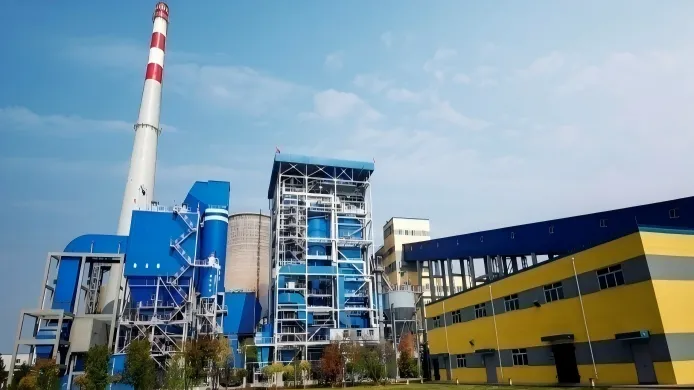
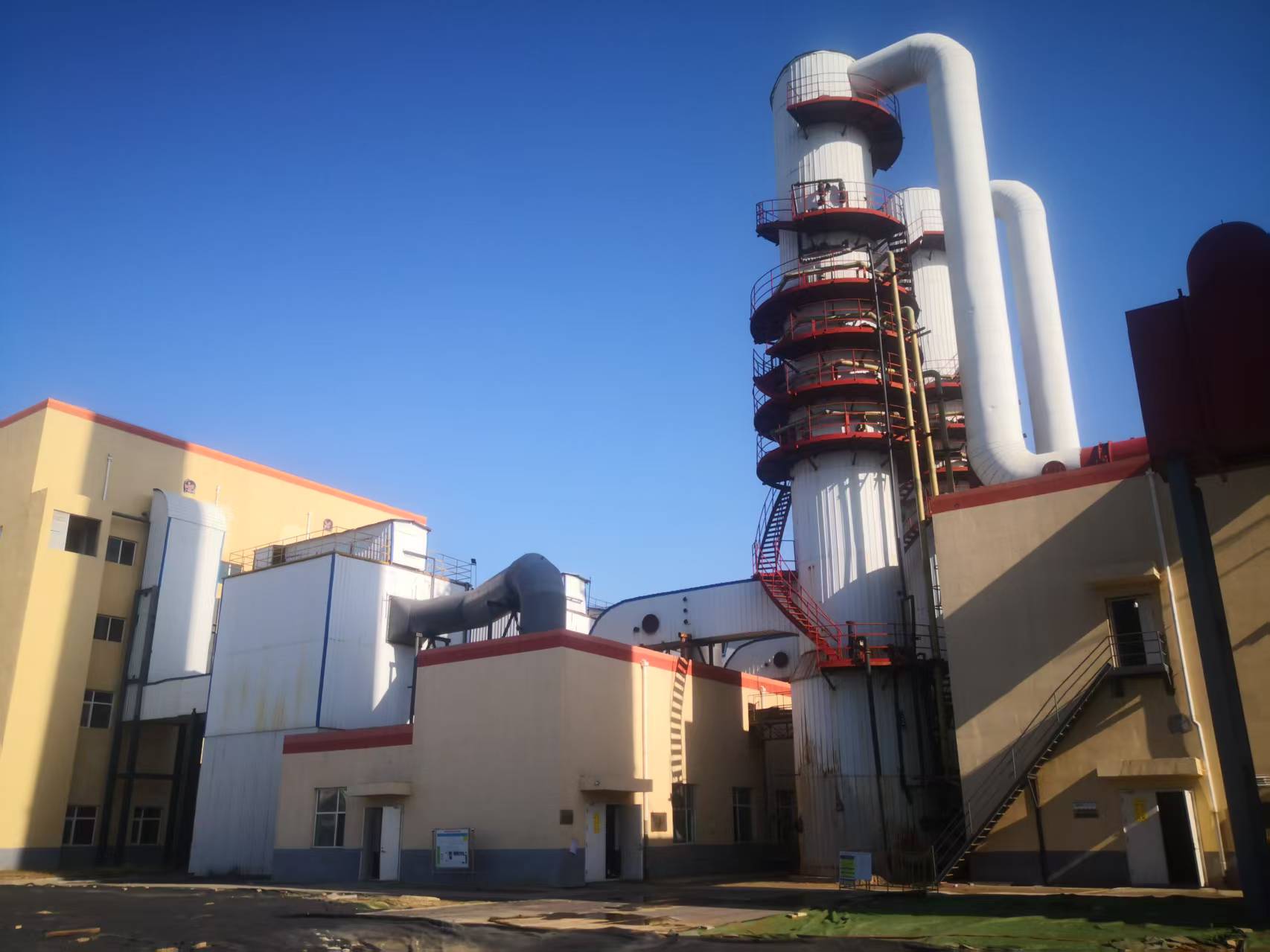
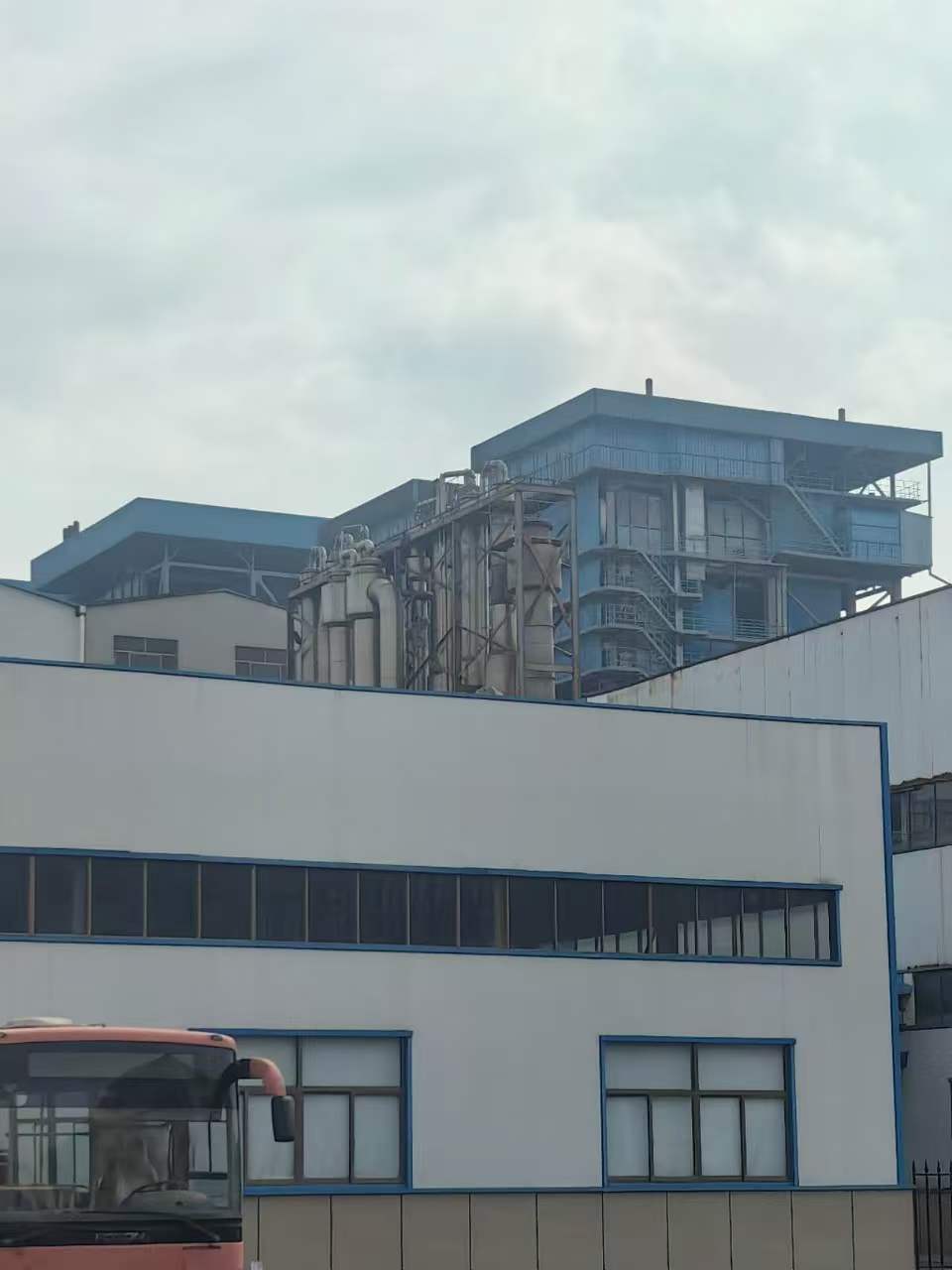
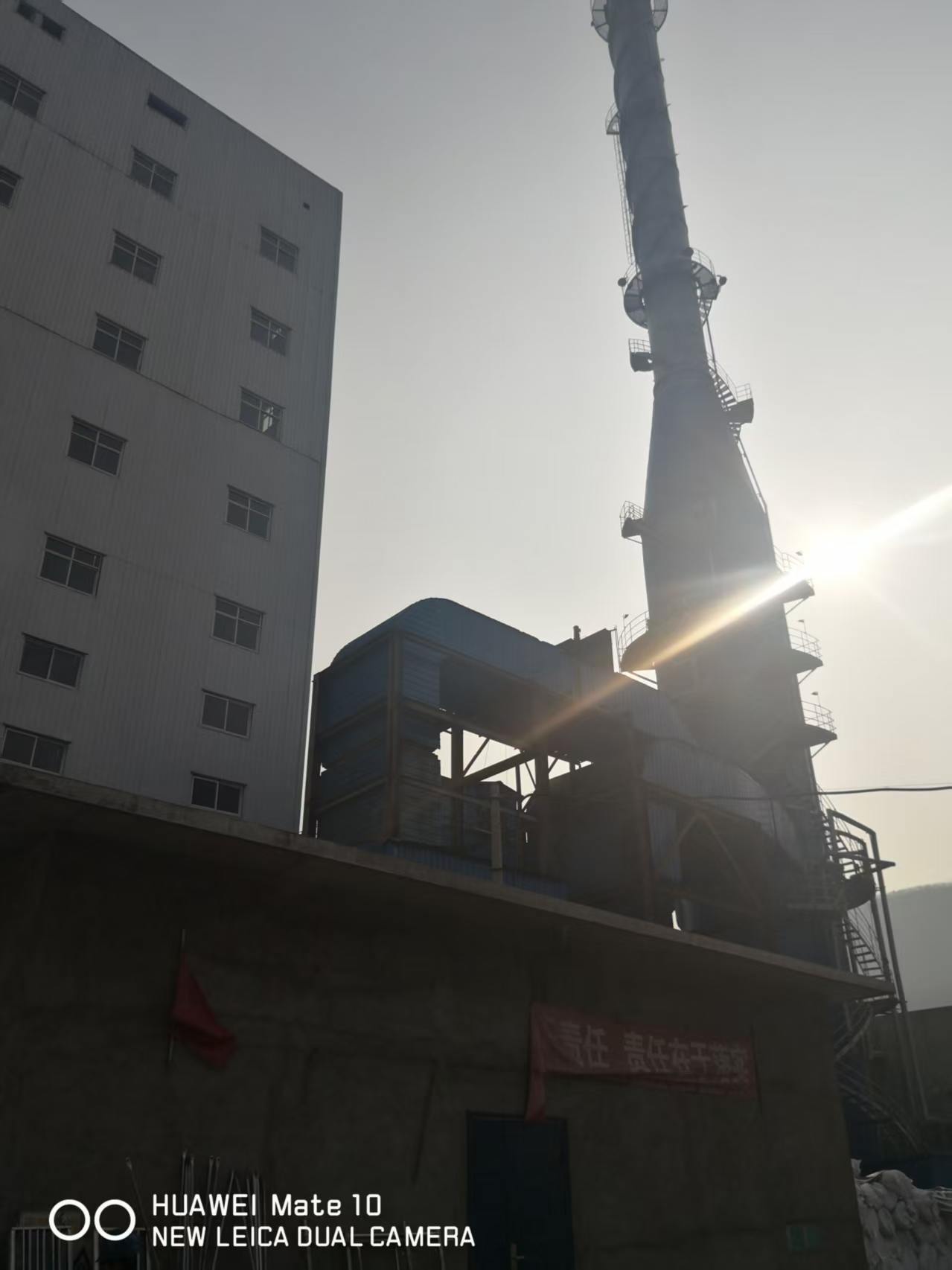
steam boiler
A steam boiler is a crucial piece of industrial equipment designed to convert water into steam by applying heat energy. This steam boiler serves as the backbone of numerous industrial operations, generating pressurized steam that powers machinery, facilitates production processes, and provides heating solutions. The steam boiler operates by heating water in a closed vessel, which creates steam at high pressure and temperature.
The primary function of any steam boiler is to produce steam efficiently and reliably. Modern steam boiler systems incorporate advanced technological features including automated combustion controls, pressure regulation mechanisms, and safety valve systems. These innovations ensure that the steam boiler maintains consistent performance while protecting equipment from dangerous pressure fluctuations.
Steam boilers find applications across diverse industries including manufacturing, power generation, food processing, and chemical production. The steam boiler technology has evolved significantly, with contemporary models featuring improved insulation, enhanced heat recovery systems, and reduced emissions. Understanding steam boiler operation helps facilities optimize energy consumption and maintain continuous production schedules.
Key technological components of the steam boiler include the furnace, where fuel combustion occurs, the water tubes where steam generation happens, and the steam drum for steam collection. The steam boiler's efficiency depends on proper maintenance, correct water chemistry, and regular inspections. Industries rely on steam boiler systems to deliver consistent, high-quality steam necessary for their operational demands and competitive advantage.

 EN