Circulating Fluidized Bed Boiler Working

Get a Free Quote

Our representative will contact you soon.
Email
Name
Company Name
Message
0/1000

circulating fluidized bed boiler working

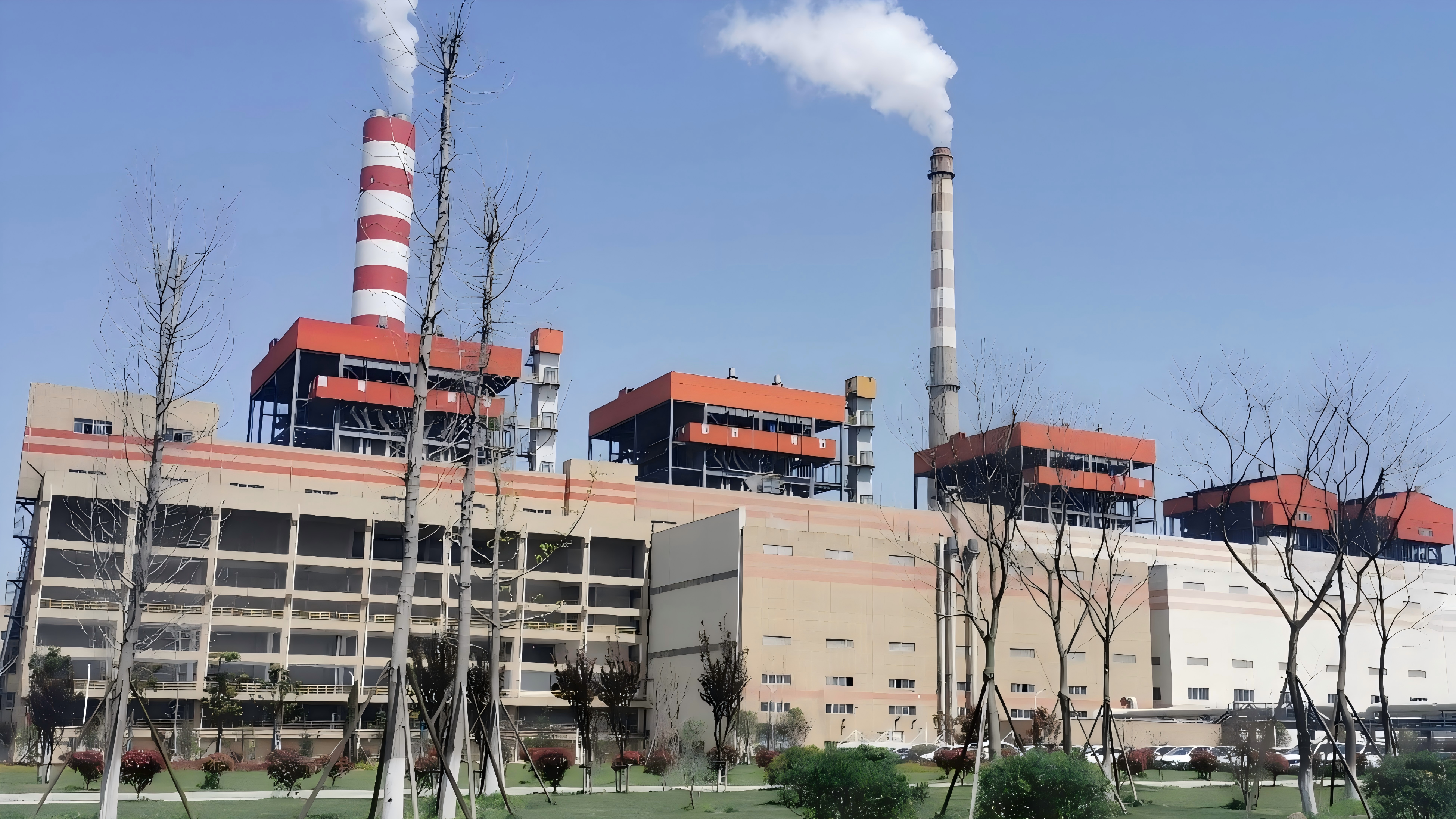
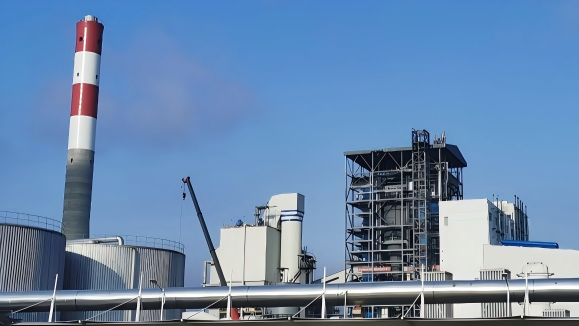
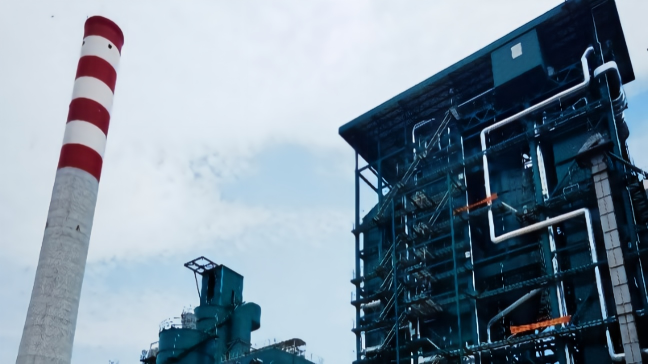
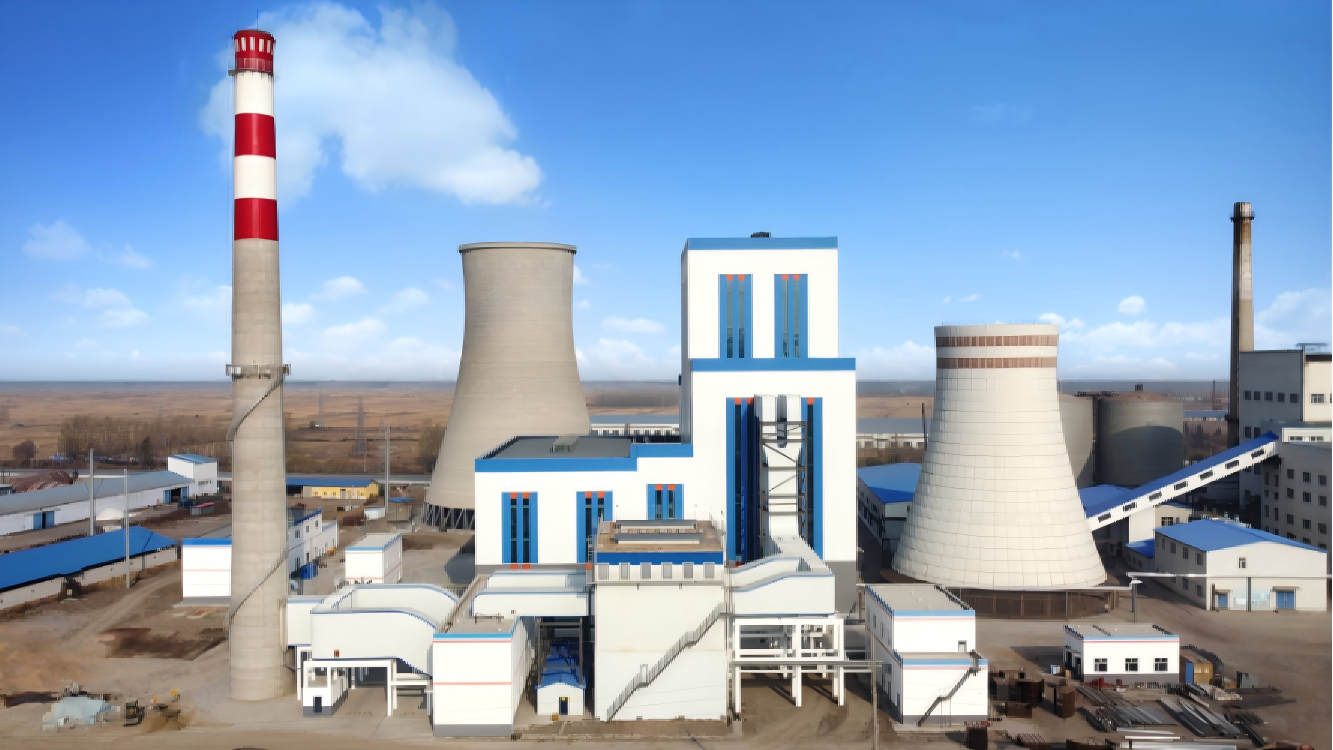
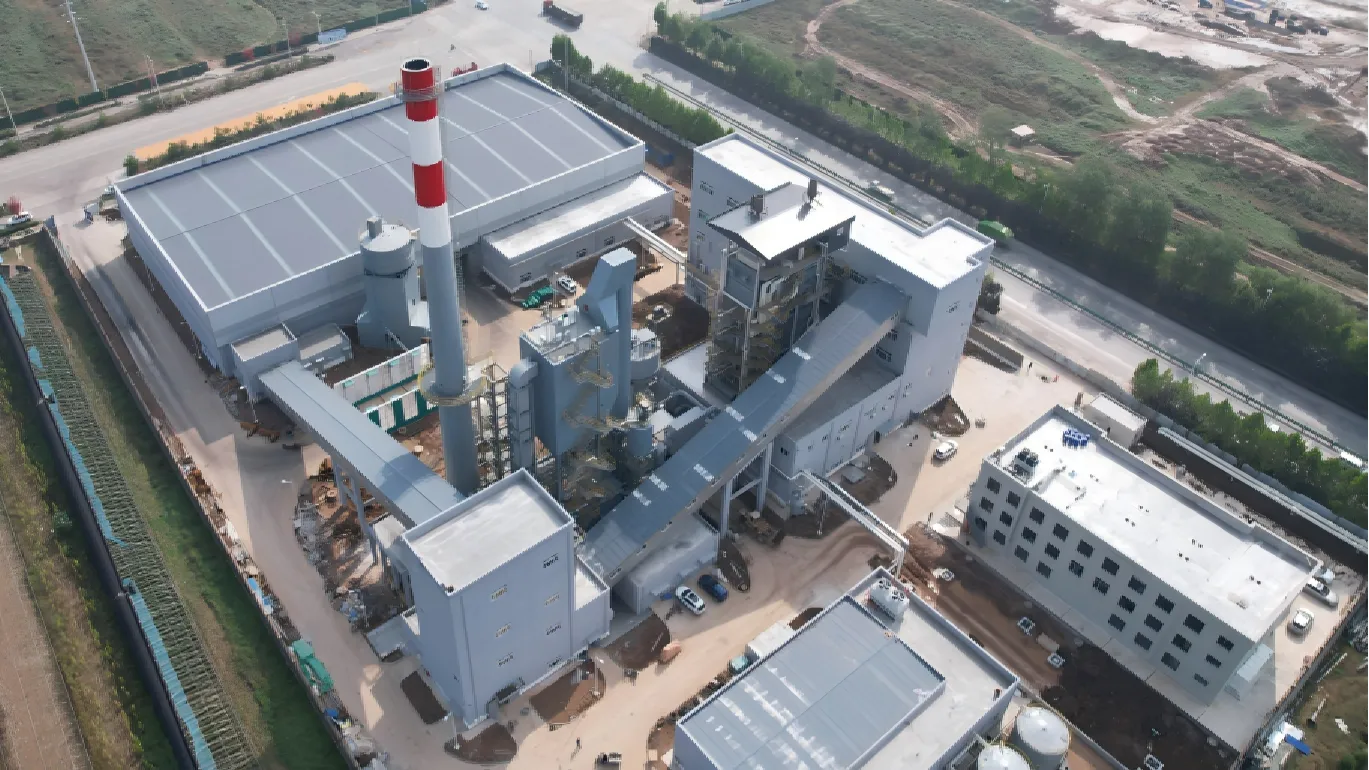
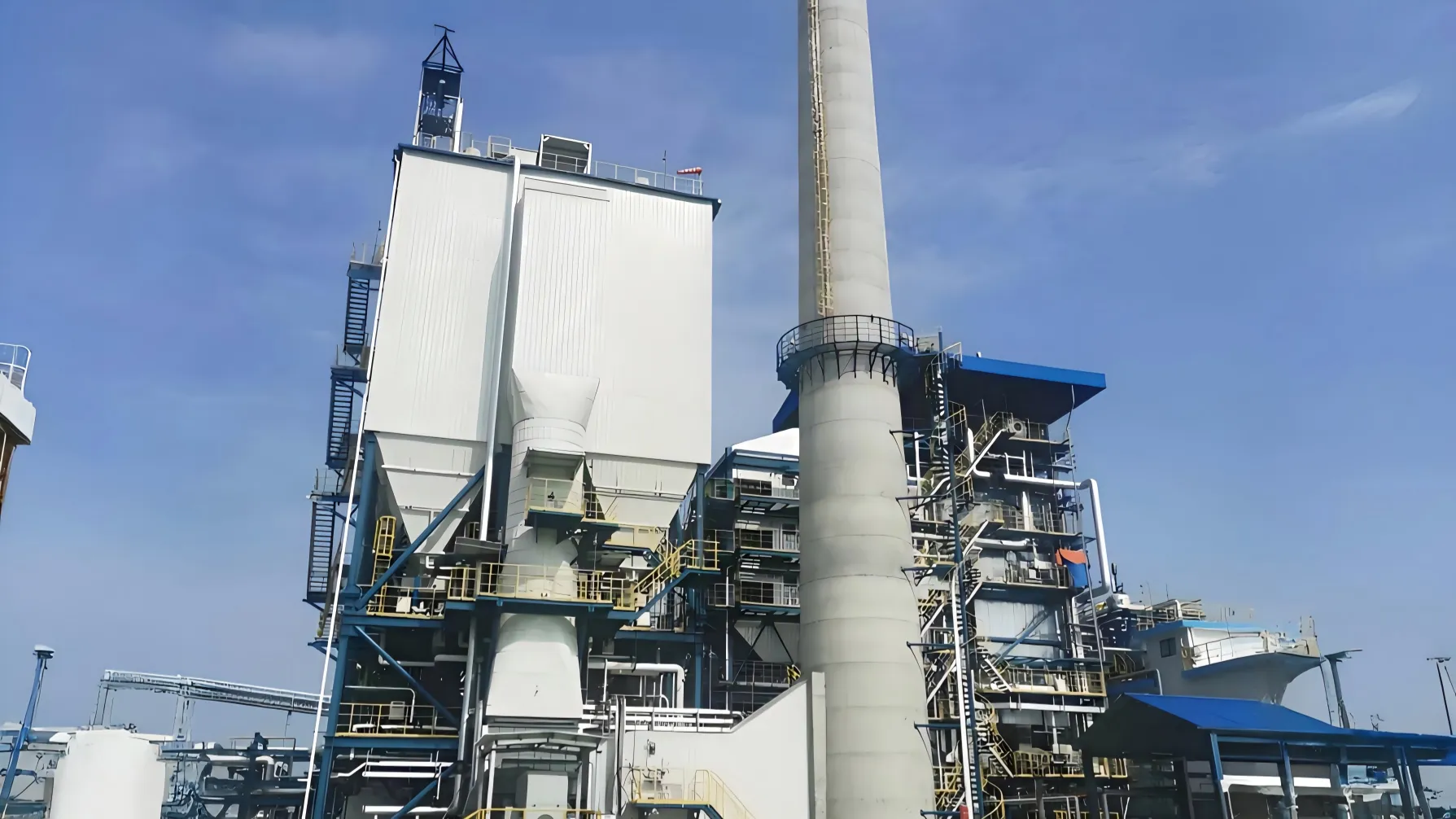
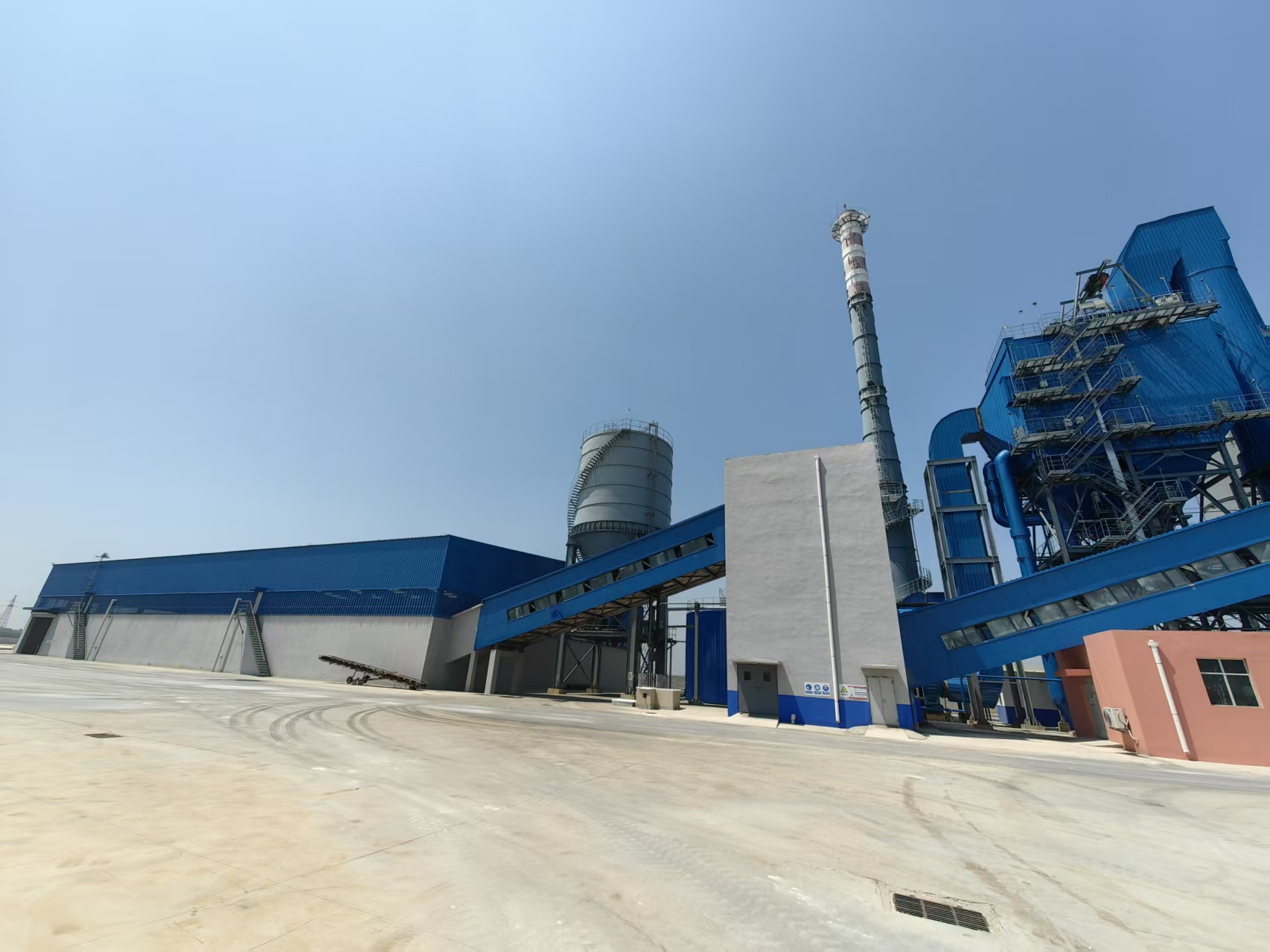
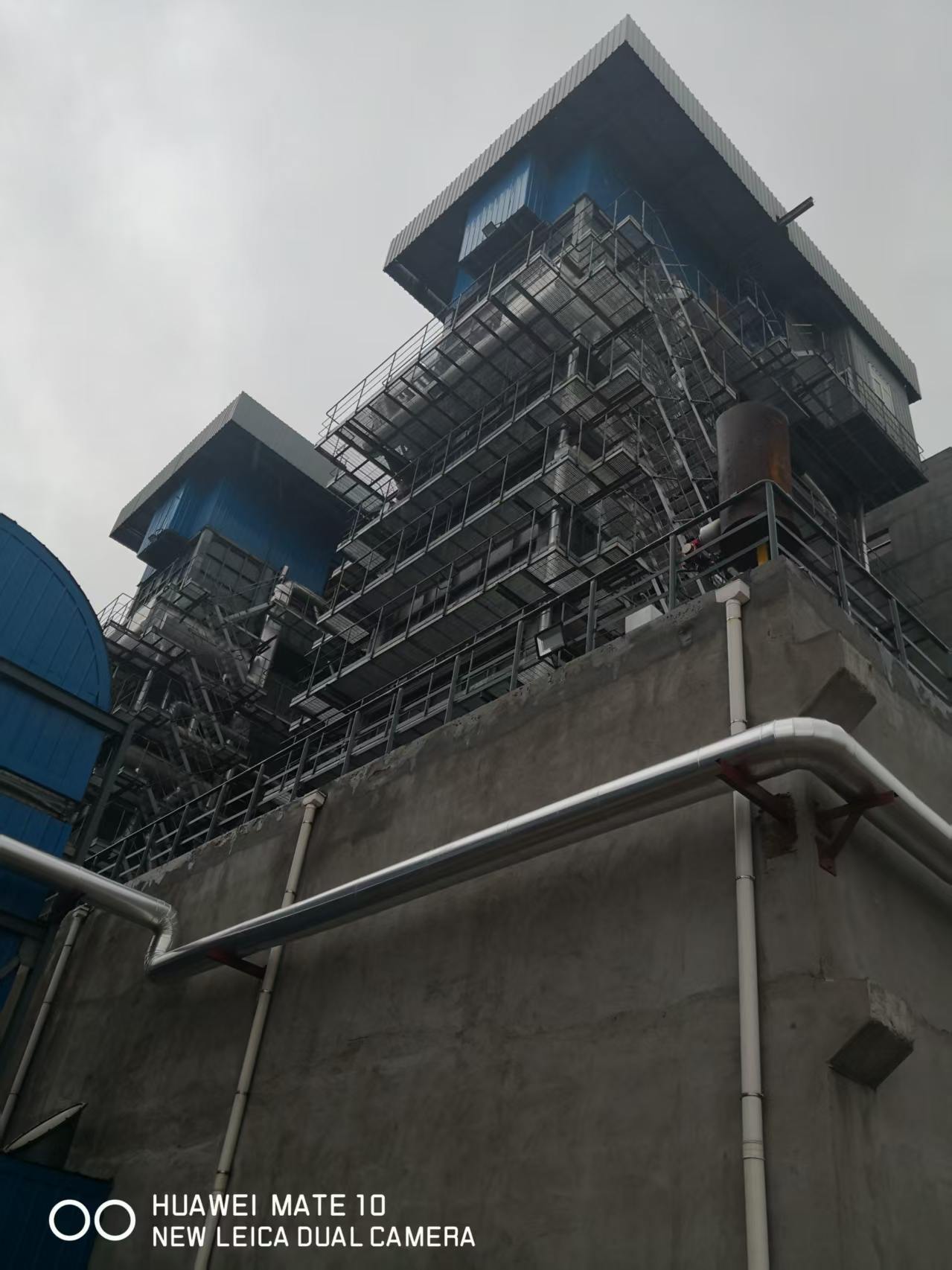
Understanding circulating fluidized bed boiler working is essential for industrial professionals seeking efficient combustion solutions. A circulating fluidized bed boiler operates by suspending fuel particles in a stream of air, creating a dynamic combustion environment where heat transfer occurs rapidly and uniformly. The circulating fluidized bed boiler working principle involves fuel entering the furnace where it mixes with hot sand or limestone particles. These particles circulate continuously, suspended by upward-flowing air, creating intense mixing that ensures complete combustion. The circulating fluidized bed boiler working process achieves exceptional fuel flexibility, accepting various fuel types including coal, biomass, and waste materials without requiring preprocessing. Hot gases and particles exit the combustor, passing through cyclones that separate solids from exhaust gases. The separated particles return to the combustor, establishing the circulation loop that defines circulating fluidized bed boiler working efficiency. This design eliminates stratification problems common in traditional boilers, promoting uniform temperature distribution throughout the combustion zone. The circulating fluidized bed boiler working technology operates at lower temperatures than conventional combustion, typically between 800-900 degrees Celsius, reducing nitrogen oxide emissions naturally. Advanced circulating fluidized bed boiler working systems incorporate limestone injection for sulfur dioxide capture, addressing environmental requirements effectively. The continuous circulation ensures maximum contact between fuel and oxidant, optimizing combustion efficiency while maintaining operational flexibility. Modern circulating fluidized bed boiler working installations feature sophisticated control systems managing fuel feed rates, air supply, and particle circulation seamlessly. Industrial applications spanning power generation, district heating, and manufacturing facilities benefit significantly from understanding circulating fluidized bed boiler working mechanics and operational advantages.

New Products

Circulating fluidized bed boiler working delivers substantial operational and economic benefits that distinguish it from conventional combustion technologies. The primary advantage involves exceptional fuel flexibility; circulating fluidized bed boiler working systems accept diverse fuel sources including coal, biomass, agricultural waste, and industrial byproducts without extensive preparation. This adaptability reduces fuel procurement costs and enables operators to capitalize on locally available resources, directly improving bottom-line profitability. Environmental performance represents another crucial benefit of circulating fluidized bed boiler working technology. Operating at lower combustion temperatures inherently reduces nitrogen oxide formation, while limestone injection during circulating fluidized bed boiler working captures sulfur dioxide efficiently. These mechanisms help facilities meet stringent environmental regulations without requiring expensive external pollution control equipment. Superior combustion efficiency is fundamental to circulating fluidized bed boiler working advantages. The continuous circulation ensures complete fuel oxidation, achieving combustion efficiencies exceeding 98 percent. This efficiency translates to reduced fuel consumption, lower operational costs, and improved return on investment over the system's lifetime. Operational stability strengthens circulating fluidized bed boiler working attractiveness for facility managers. The uniform temperature distribution throughout the combustor prevents hot spots and localized stress, extending equipment lifespan and reducing maintenance requirements. Rapid response to load changes makes circulating fluidized bed boiler working systems ideal for applications requiring operational flexibility. Thermal efficiency improvements are substantial when implementing circulating fluidized bed boiler working technology. Advanced heat recovery systems extract maximum energy from exhaust gases, achieving overall system efficiencies approaching 90 percent. Reduced greenhouse gas emissions during circulating fluidized bed boiler working operation support corporate sustainability initiatives and potential carbon credit acquisition. Minimal ash handling requirements and improved ash quality further enhance circulating fluidized bed boiler working operational economics. These compelling advantages make circulating fluidized bed boiler working an increasingly popular choice for energy-conscious industrial operators seeking reliable, efficient, environmentally responsible combustion solutions.

Latest News

How can a CFB power plant achieve near-zero particulate emissions effectively?

10

Aug

How can a CFB power plant achieve near-zero particulate emissions effectively?

Achieving near-zero particulate emissions in coal-fired facilities represents one of the most significant environmental and operational challenges facing modern energy generation. A cfb power plant equipped with advanced circulating fluidized bed com...
View More
How do you evaluate the structural durability of a new CFB boiler unit?

18

Aug

How do you evaluate the structural durability of a new CFB boiler unit?

Evaluating the structural durability of a new cfb boiler is critical for ensuring long-term operational reliability and minimizing costly downtime. When you invest in advanced combustion equipment, understanding how to assess its build quality, mater...
View More
What temperature range ensures optimal efficiency in fluidized bed combustion?

25

Sep

What temperature range ensures optimal efficiency in fluidized bed combustion?

Understanding the optimal temperature range for fluidized bed combustion is essential for operators seeking to maximize boiler performance and reduce operational costs. Temperature control directly influences combustion efficiency, fuel consumption r...
View More
What prevents bed agglomeration inside a heavy-duty circulating fluidized bed?

29

Oct

What prevents bed agglomeration inside a heavy-duty circulating fluidized bed?

Bed agglomeration represents one of the most significant operational challenges in heavy-duty circulating fluidized bed systems, where fine particles and ash combine to form large, unfluidizable clusters that compromise combustion efficiency and equi...
View More

Get a Free Quote

Our representative will contact you soon.
Email
Name
Company Name
Message
0/1000

circulating fluidized bed boiler working

Fuel Flexibility and Adaptability in Circulating Fluidized Bed Boiler Working

Fuel Flexibility and Adaptability in Circulating Fluidized Bed Boiler Working

Circulating fluidized bed boiler working stands apart through remarkable fuel versatility that conventional boilers cannot match. Unlike traditional combustion systems requiring consistent fuel specifications, circulating fluidized bed boiler working technology accommodates coal, biomass, waste materials, and industrial residues simultaneously. This exceptional flexibility means facility operators can optimize fuel selection based on market availability and pricing, reducing procurement expenses substantially. The ability to switch between fuel sources without equipment modifications makes circulating fluidized bed boiler working particularly valuable for facilities operating in regions with variable fuel availability. Operators implementing circulating fluidized bed boiler working can capitalize on renewable biomass opportunities, low-cost waste materials, or premium coal depending on economic conditions. This adaptability protects long-term operational profitability against fuel market volatility. The circulating fluidized bed boiler working design inherently handles fuel variation through its turbulent mixing environment, where diverse particle sizes and characteristics blend uniformly. No specialized preprocessing is required, eliminating additional capital investments and operational complexity. For waste-to-energy applications, circulating fluidized bed boiler working efficiency unlocks significant value from materials traditionally requiring disposal, transforming liabilities into profit-generating fuel sources. Facilities leveraging circulating fluidized bed boiler working capabilities substantially reduce lifecycle fuel costs.
Environmental Performance and Emission Reduction Through Circulating Fluidized Bed Boiler Working

Environmental Performance and Emission Reduction Through Circulating Fluidized Bed Boiler Working

Environmental sustainability becomes achievable through circulating fluidized bed boiler working technology, which inherently generates lower emissions than traditional combustion methods. Operating at 800-900 degrees Celsius, circulating fluidized bed boiler working naturally suppresses nitrogen oxide formation, a major contributor to air pollution and climate concerns. This temperature advantage eliminates the need for expensive post-combustion nitrogen oxide control systems, reducing capital and operational expenses while improving environmental outcomes. The circulating fluidized bed boiler working process incorporates limestone injection directly into the combustor, enabling in-situ sulfur dioxide capture exceeding 90 percent efficiency. This integrated approach eliminates separate scrubbing equipment, simplifying system design and reducing maintenance burdens. Facilities utilizing circulating fluidized bed boiler working technology demonstrate measurable air quality improvements and enhanced compliance with increasingly stringent emission regulations. Greenhouse gas reduction is substantial when implementing circulating fluidized bed boiler working with biomass fuels, as renewable combustion effectively offsets carbon emissions. The efficiency advantages of circulating fluidized bed boiler working further reduce per-unit emissions by maximizing energy extraction from each fuel unit. Advanced ash handling during circulating fluidized bed boiler working operation produces high-quality byproducts suitable for construction materials and soil amendments, supporting circular economy principles. Corporate sustainability initiatives strongly favor circulating fluidized bed boiler working adoption as an environmentally responsible, economically sensible investment.
Operational Efficiency and System Reliability in Circulating Fluidized Bed Boiler Working

Operational Efficiency and System Reliability in Circulating Fluidized Bed Boiler Working

Superior operational efficiency characterizes circulating fluidized bed boiler working systems, delivering tangible economic benefits through optimized energy production. Combustion efficiency exceeding 98 percent ensures minimal unburned fuel reaches exhaust streams, maximizing thermal energy capture. The continuous circulation within circulating fluidized bed boiler working creates ideal mixing conditions where fuel particles remain suspended in combustion temperatures sufficiently long for complete oxidation. This comprehensive combustion prevents energy waste and reduces operational costs significantly. System reliability strengthens when facilities adopt circulating fluidized bed boiler working technology, as uniform temperature distribution throughout the combustor eliminates damaging thermal stresses. Traditional hot spots and localized overheating, common in conventional boilers, are eliminated through circulating fluidized bed boiler working design principles. This uniformity substantially extends equipment lifespan, reducing replacement frequency and capital expenditure requirements. Maintenance demands decrease substantially with circulating fluidized bed boiler working implementation, as the stable thermal environment minimizes material degradation and mechanical stress. Rapid response capabilities inherent to circulating fluidized bed boiler working systems enable efficient load management and operational flexibility essential for variable demand scenarios. Advanced heat recovery systems integrated with circulating fluidized bed boiler working achieve overall system efficiencies approaching 90 percent, delivering superior performance metrics. These reliability and efficiency characteristics make circulating fluidized bed boiler working an optimal choice for facility managers prioritizing long-term operational excellence and cost minimization.

Get a Free Quote

Our representative will contact you soon.
Email
Name
Company Name
Message
0/1000
email goToTop