fluidized bed combustion
Fluidized bed combustion represents an advanced thermal conversion technology that transforms fuel into energy through a unique suspension process. In this system, finely divided solid fuel particles are suspended within an upward-flowing air stream, creating a fluid-like behavior that resembles a boiling liquid. This innovative approach to fluidized bed combustion offers superior mixing characteristics compared to traditional combustion methods.
The main function of fluidized bed combustion is to efficiently burn various fuel types while maintaining precise temperature control and minimizing harmful emissions. The technology achieves this through rapid mixing between fuel particles and air, ensuring complete combustion. A bed of inert material, typically sand or limestone, sits at the combustor base and becomes fluidized when air passes through it at sufficient velocity.
Key technological features of fluidized bed combustion include enhanced heat transfer rates, reduced formation of nitrogen oxides, and the ability to process low-grade fuels and waste materials. The limestone within fluidized bed combustion naturally captures sulfur dioxide, eliminating the need for additional pollution control equipment. This self-contained approach makes the technology particularly attractive for industrial applications.
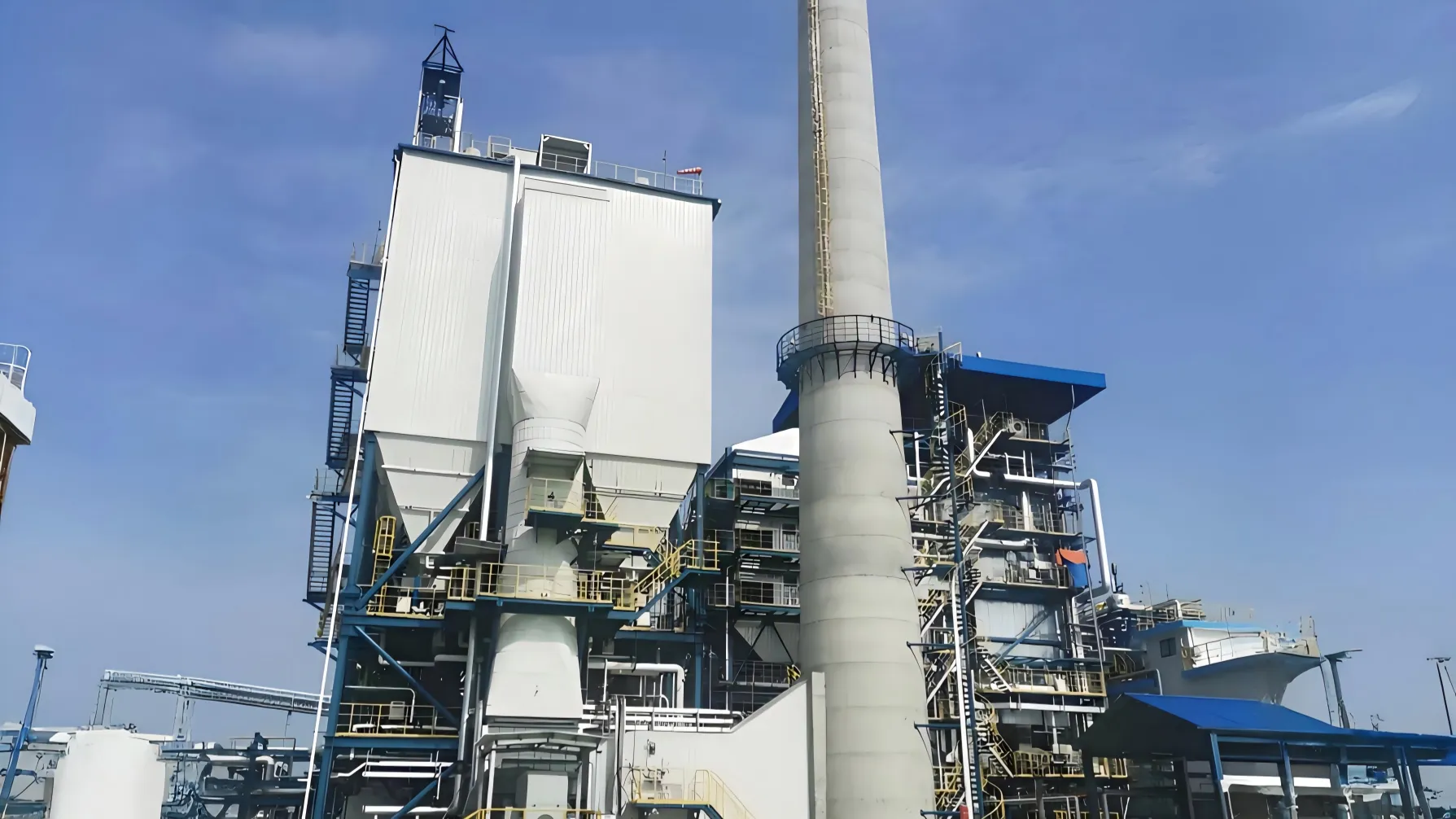
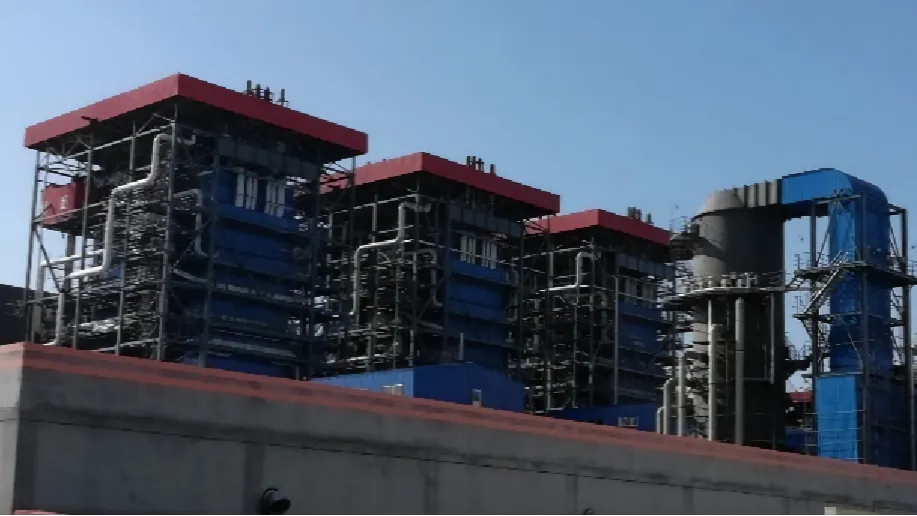
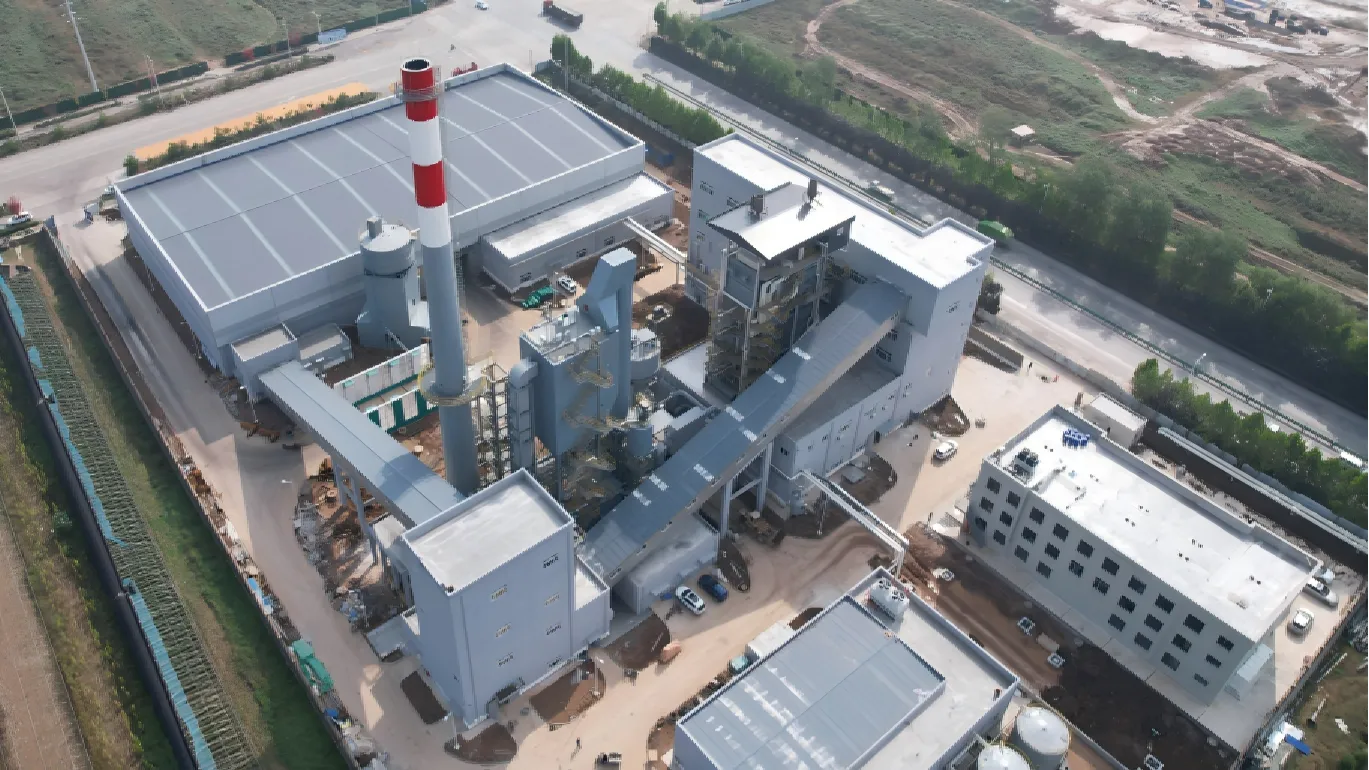
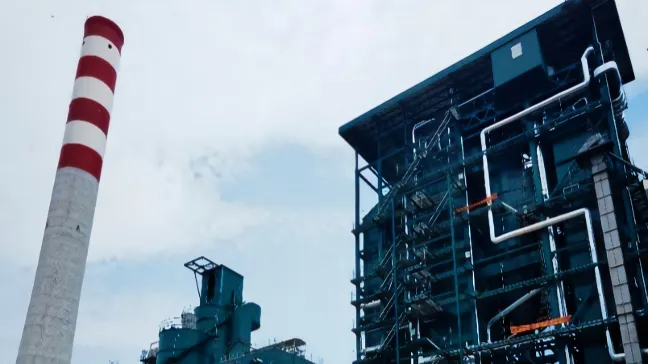
Applications for fluidized bed combustion span power generation, district heating, industrial steam production, and waste-to-energy facilities. The versatility of fluidized bed combustion extends to biomass burning, coal combustion, and refuse-derived fuel processing. Industries benefit from reduced operational costs and environmental compliance, making fluidized bed combustion an increasingly popular choice for sustainable energy production worldwide.

 EN