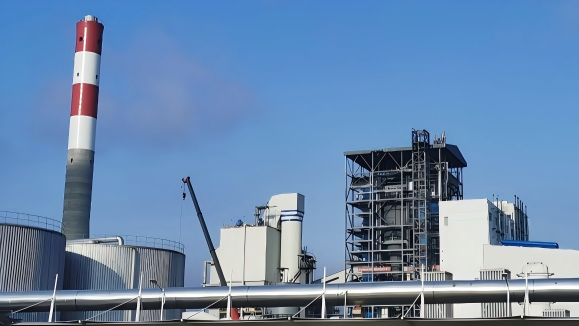
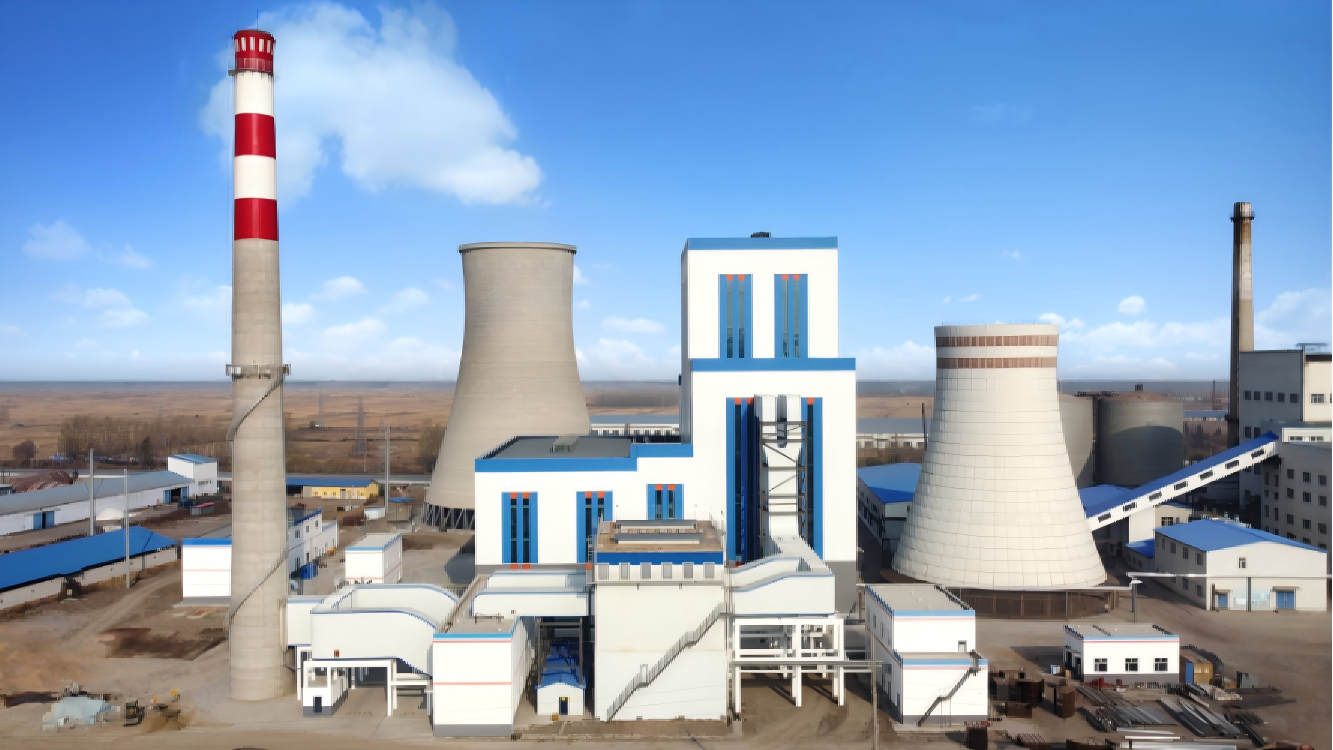
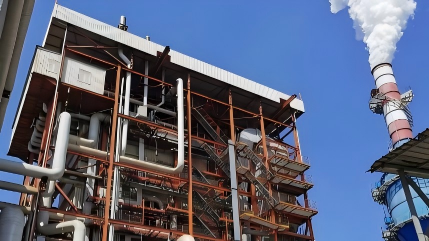
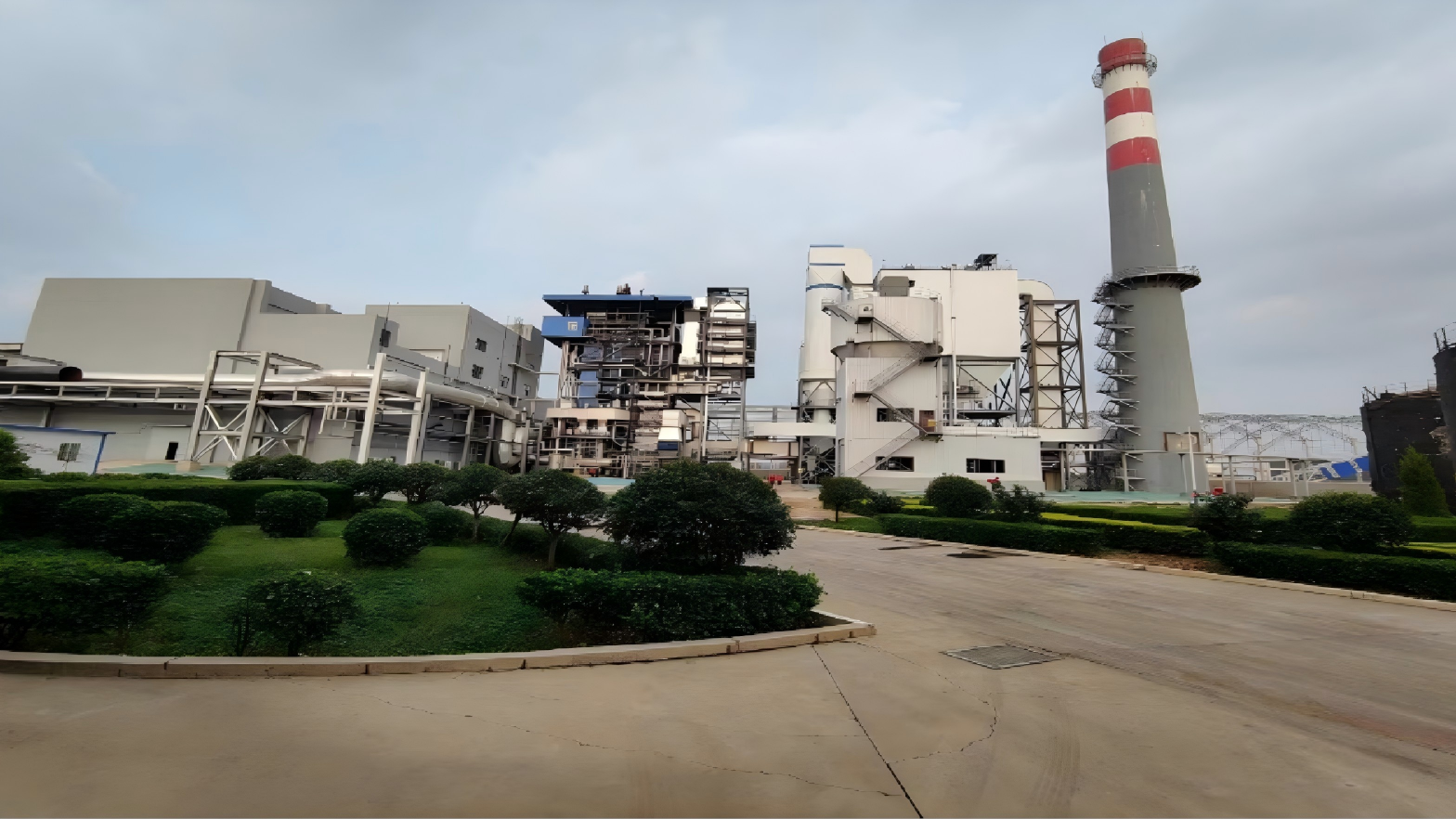
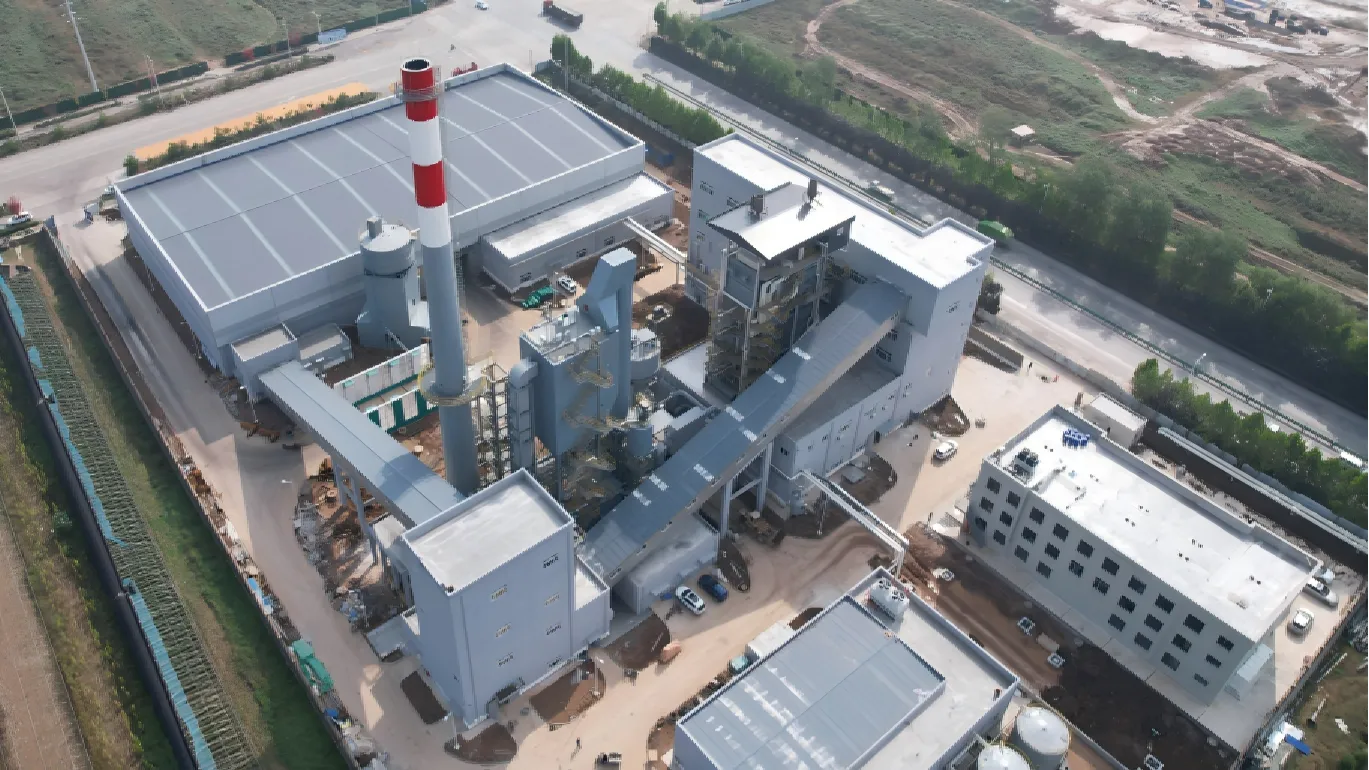
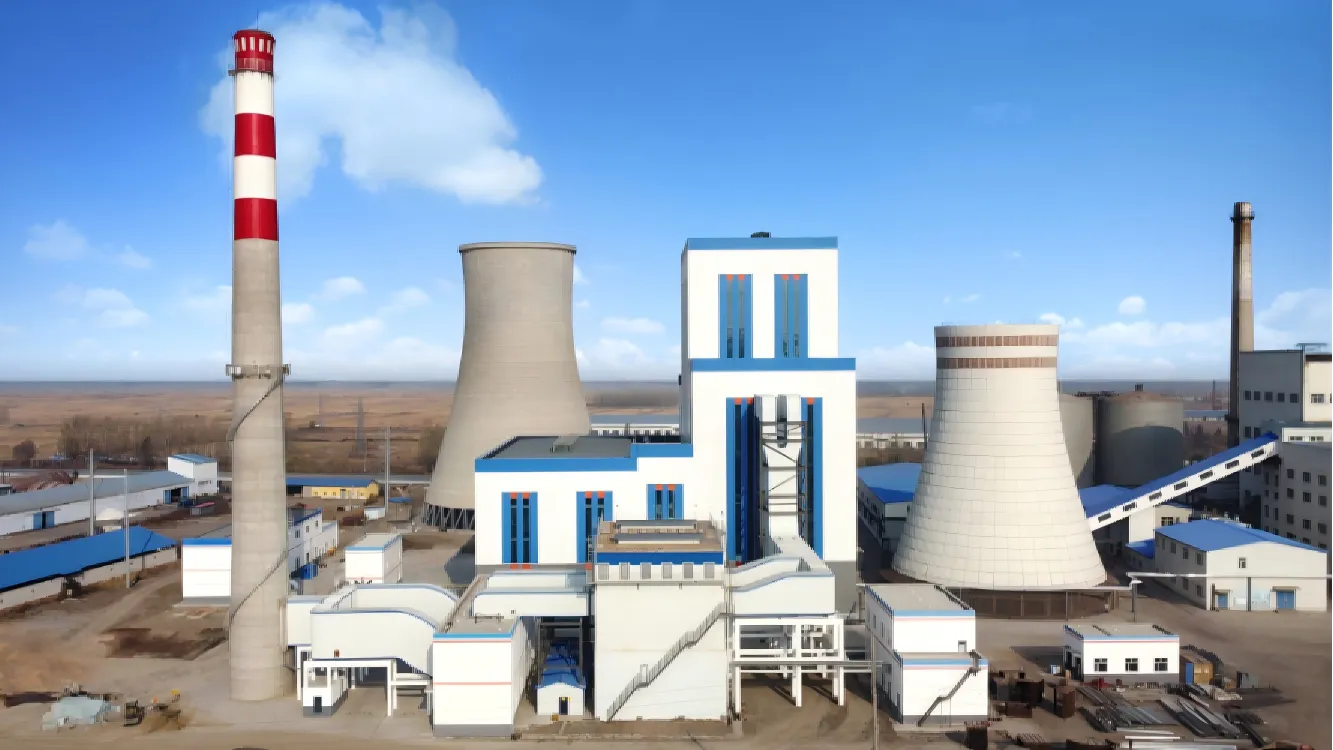
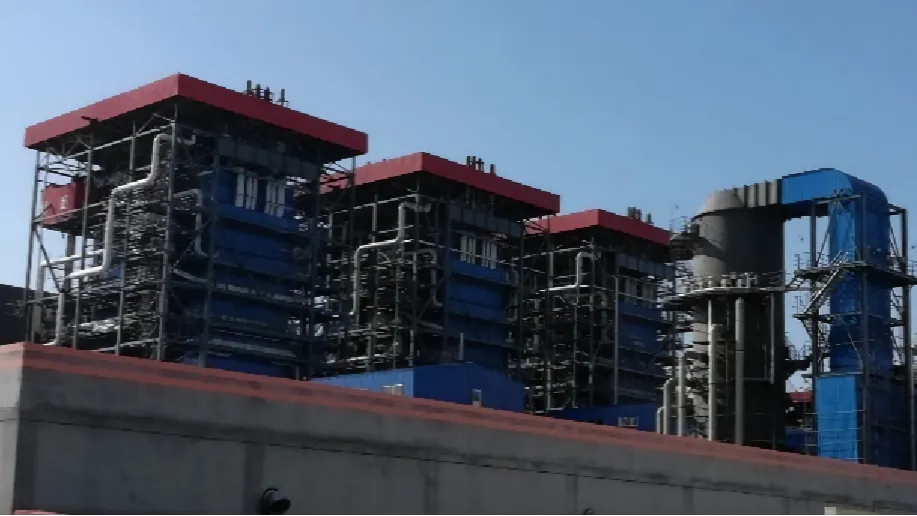
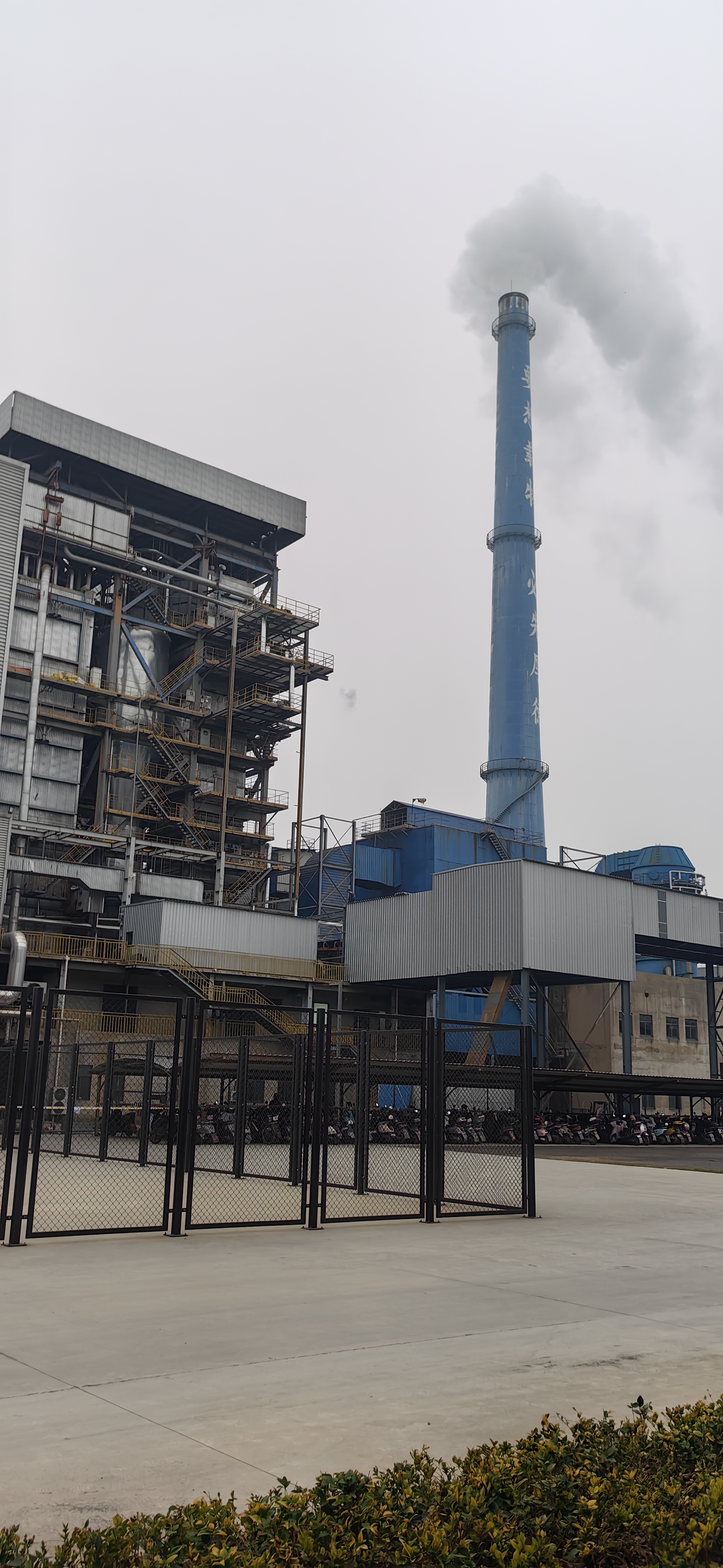
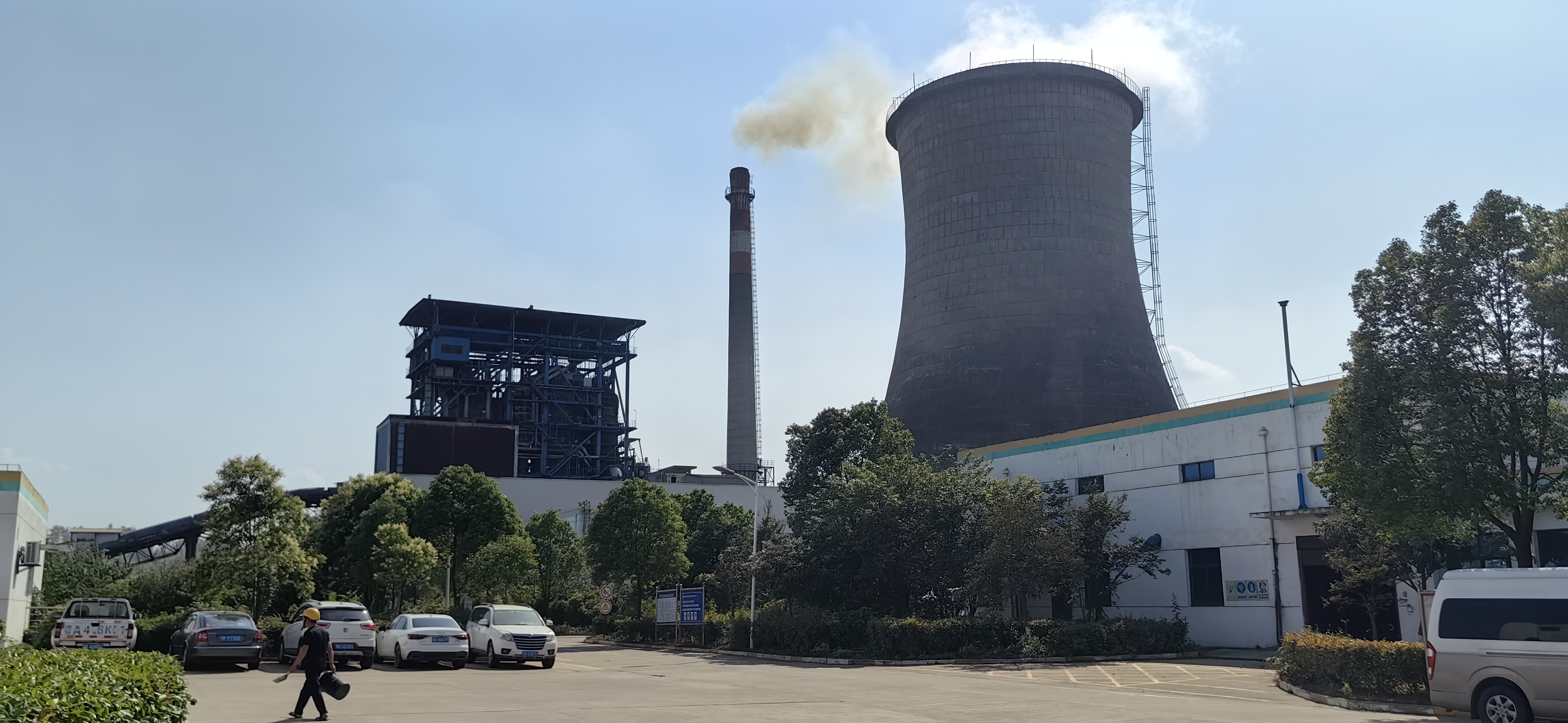
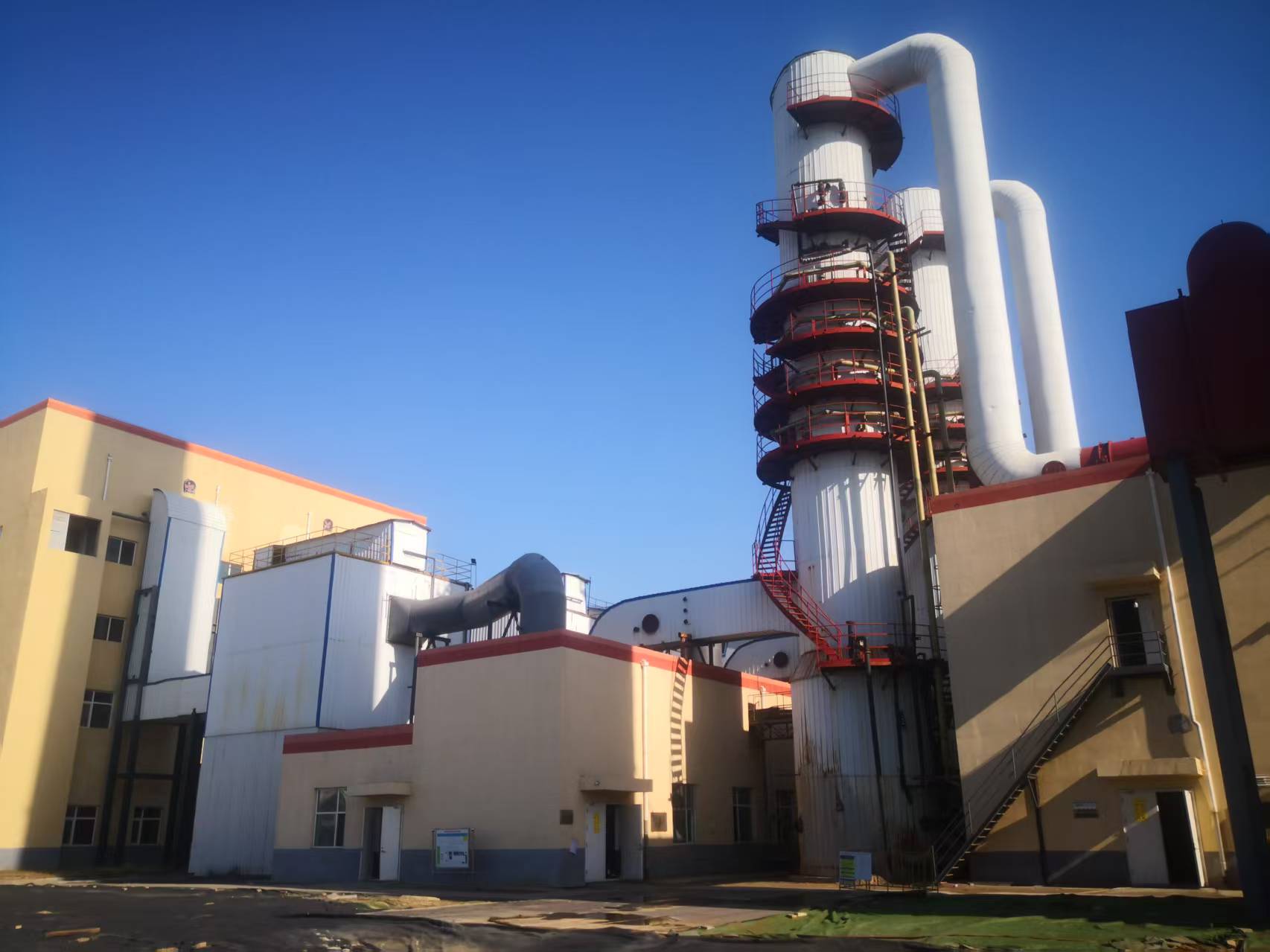
circulating fluidized bed power plant
A circulating fluidized bed power plant represents an advanced combustion technology designed to generate electricity efficiently while maintaining environmental compliance. This innovative system operates by suspending fuel particles in an upward-flowing air stream, creating a dynamic bed that circulates continuously through the combustion chamber and cyclone separator. The circulating fluidized bed power plant achieves optimal fuel mixing and heat transfer, resulting in superior combustion efficiency compared to traditional boiler systems.
The primary function of a circulating fluidized bed power plant is to convert various fuel sources into electrical power through controlled thermal processes. The technology utilizes limestone or other sorbents to capture sulfur dioxide emissions directly within the combustion zone, significantly reducing air pollutants. A circulating fluidized bed power plant can process diverse fuels including coal, biomass, and waste materials, offering operational flexibility for diverse energy needs.
Key technological features include low-temperature combustion that minimizes nitrogen oxide formation, exceptional fuel flexibility, and integrated emission control systems. The circulating fluidized bed power plant maintains precise temperature regulation through advanced control mechanisms, ensuring consistent power generation. The cyclone separator efficiently returns unburned particles to the combustion chamber, maximizing energy extraction from fuel materials.
Applications span industrial power generation, district heating systems, and combined heat and power facilities. The circulating fluidized bed power plant serves municipalities and industrial complexes requiring reliable baseload power generation with minimal environmental impact. Its scalability makes it suitable for various facility sizes, from medium-capacity plants to large utility-scale installations.

 EN