
 EN



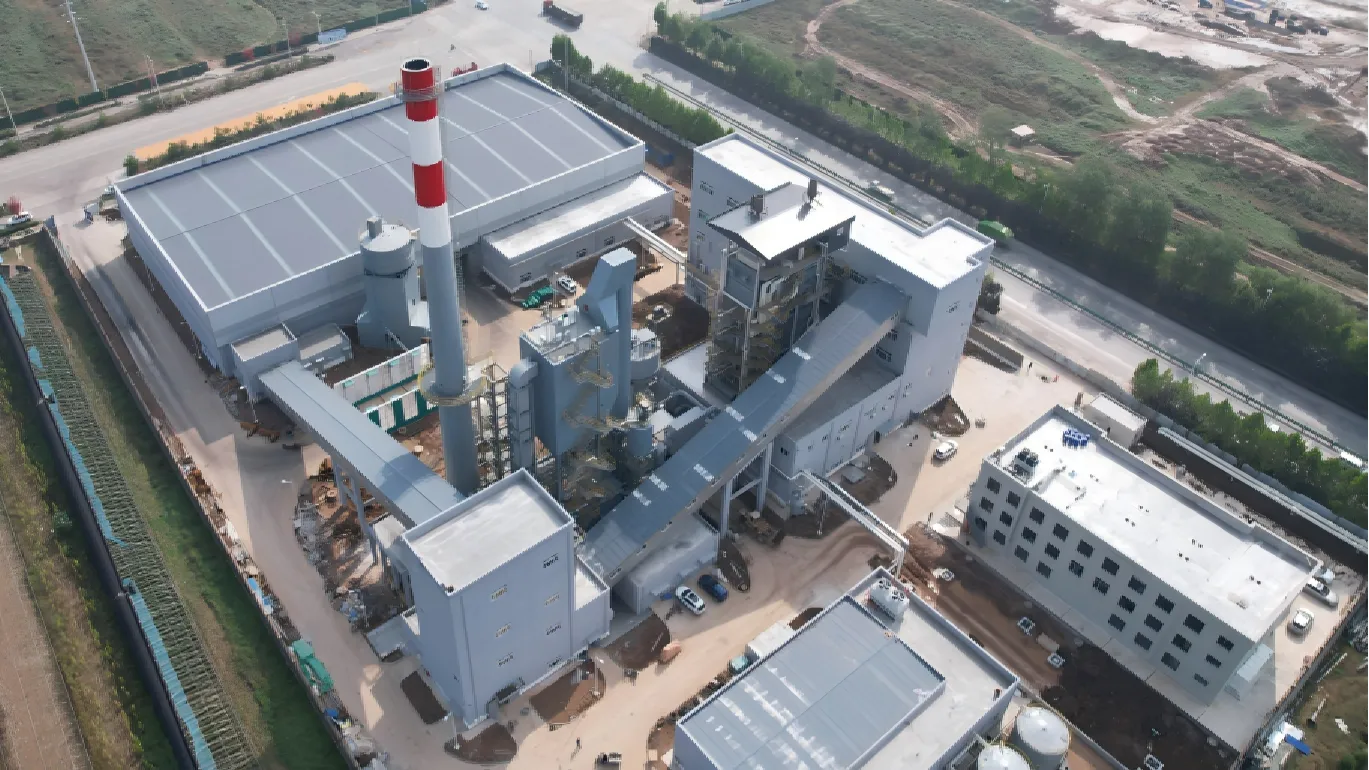
Large-scale co-firing setups demand reliable, efficient combustion systems that can handle multiple fuel types simultaneously without compromising performance or environmental compliance. The circulating fluidized bed has become the preferred technology for these demanding applications, offering superior fuel flexibility, operational stability, and emissions control that competing systems struggle to match. Understanding why this technology excels requires examining its fundamental advantages in handling fuel variability, maintaining combustion efficiency, and scaling to industrial capacity.
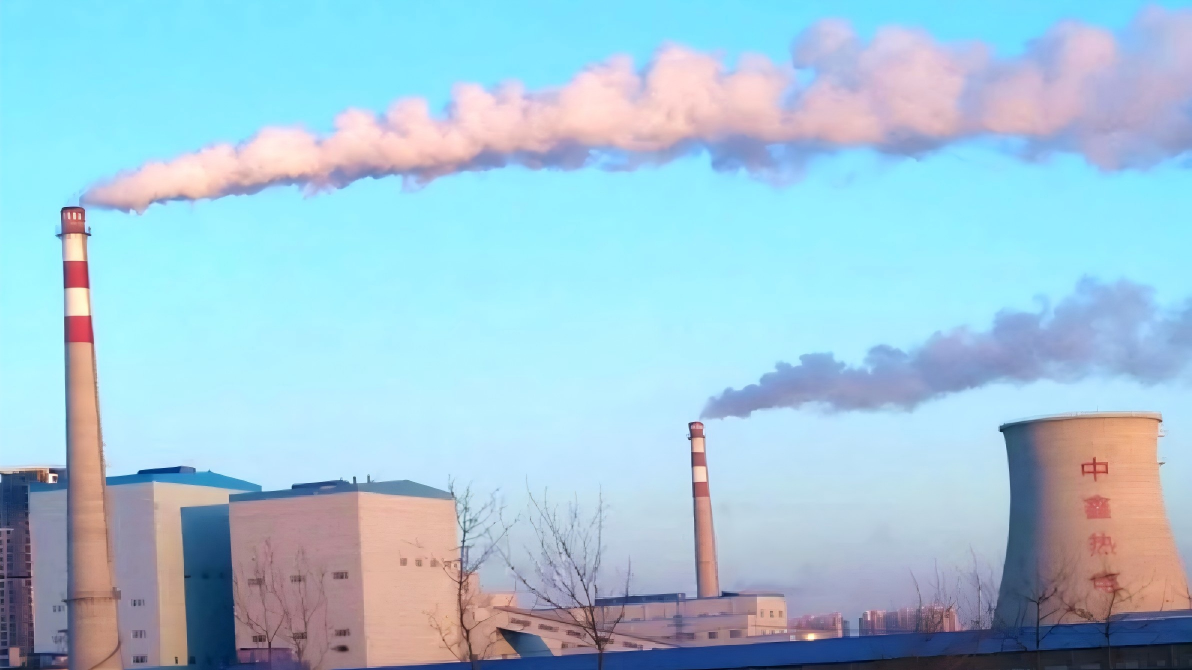
Co-firing operations blend coal with biomass, waste-derived fuels, or other renewable materials to reduce carbon emissions while maintaining thermal power output. This complexity demands a combustion platform with exceptional adaptability. Fluidized bed reactor design excels where traditional grate systems falter, providing the thermal mass, mixing intensity, and burn-out kinetics needed for heterogeneous fuel streams. The physics of fluidized bed combustion creates an environment where fuel particles remain suspended in an energized medium, ensuring complete combustion regardless of size or density variations.
Superior Fuel Flexibility Through Advanced Mixing Dynamics
Handling Fuel Variability at Scale
Co-firing introduces inherent unpredictability. Biomass moisture content fluctuates seasonally. Waste fuel properties shift based on collection and preprocessing batches. Traditional combustion systems struggle with these variations because they rely on fixed grate designs and limited mixing zones. Fluidized bed combustion overcomes this challenge through continuous particle circulation and intense turbulence that continuously exposes fresh fuel surfaces to high-temperature oxidation zones. CFB boiler technology maintains consistent combustion temperatures across the reactor, distributing heat uniformly regardless of incoming fuel heterogeneity.
Optimizing Particle Residence Time
A critical advantage of fluidized bed reactor design is precise residence time control. Fuel particles circulate multiple times before exiting as ash, ensuring nearly complete combustion of diverse fuel streams. When blending coal with biomass, burn-out rates differ significantly. Coal requires sustained high temperatures for complete carbon conversion, while biomass burns more readily but risks incomplete oxidation if residence time shortens. The circulating fluidized bed maintains each particle in the combustion zone long enough for complete oxidation, maximizing energy extraction from every fuel type in the blend. This superior mixing eliminates cold zones where unburned carbon accumulates, a persistent problem in fixed-bed systems.
Operational Stability and Emissions Mastery
Temperature Stability Across Fuel Transitions
Large-scale operations shift fuel blends based on feedstock availability and market conditions. These transitions can destabilize traditional boilers, creating energy output dips and emissions spikes. CFB boiler technology resists these disruptions because the large thermal mass of recirculated bed material buffers temperature swings. When fuel composition changes, the heat capacity of the flowing solids absorbs excess energy or releases stored heat to maintain stable combustion temperatures. This thermal stability translates directly into consistent steam generation, reduced load-following stress on downstream equipment, and simplified control strategies that improve plant reliability.
Multi-Pollutant Control Integration
Fluidized bed reactor design inherently suppresses multiple pollutants simultaneously. The moderate combustion temperatures in CFB systems limit NOx formation compared to pulverized coal boilers. Intimate mixing of fuel and limestone sorbent enables in-situ SO2 capture within the reactor, reducing downstream scrubber load. Particulate removal leverages the high density and low exit velocity of circulating streams, enabling efficient cyclone separation. When co-firing introduces unknown chemical constituents from waste-derived fuels, the fluidized bed combustion environment provides robust multi-contaminant removal without requiring expensive post-combustion systems. This integrated approach reduces capital investment and operational complexity while meeting stringent environmental regulations.
Scalability and Industrial Economics
Proven Performance at Industrial Capacity
Circulating fluidized bed technology has operated reliably at scales exceeding 300 megawatts thermal capacity across power generation and industrial heat applications. This proven track record demonstrates that CFB boiler technology scales without losing the operational advantages that make it superior for co-firing. The distributed combustion zone within a fluidized bed reactor design eliminates localized hot spots and combustion instabilities that plague large pulverized fuel systems. Industrial operators have confirmed that transition to larger capacities maintains consistent efficiency, emissions performance, and fuel flexibility that smaller systems achieved, making capital investment in large-scale CFB systems a lower-risk decision.
Long-Term Economic Performance
Economic analysis favors fluidized bed combustion in co-firing applications when accounting for operational longevity. The moderate combustion temperatures and intense mixing reduce refractory erosion and corrosion compared to pulverized systems, extending maintenance intervals. Simplified fuel handling equipment accommodates varied particle sizes without elaborate pulverization, reducing capital costs and mechanical complexity. When co-firing operations face feedstock uncertainty or frequent fuel switching, CFB boiler technology adapts without requiring expensive retrofits or control system upgrades. These factors combine to establish lower total cost of ownership over the facility lifetime, even when initial equipment pricing appears comparable to alternative systems.
FAQ
Can a circulating fluidized bed efficiently burn ultra-low-grade biomass fuels in large-scale operations?
Yes. The circulating fluidized bed excels at processing ultra-low-grade biomass because fluidized bed combustion environments provide complete burnout regardless of fuel quality. The extended residence time and intense mixing ensure even difficult-to-combust materials achieve high conversion efficiency. CFB boiler technology specifically addresses the challenge of biomass variability by maintaining consistent thermal conditions that complete oxidation of partially decomposed or contaminated biomass without achieving temperatures that create excessive slag fusion problems.
How does fluidized bed reactor design reduce capital costs compared to pulverized coal systems in co-firing retrofits?
Fluidized bed reactor design minimizes equipment complexity and space requirements. Unlike pulverized systems requiring elaborate mills, classifiers, and burner arrangements, CFB boiler technology uses simpler fuel feed systems that accept varied particle sizes directly. Installation footprint remains compact even at large scales, reducing civil construction. The integrated emissions control within fluidized bed combustion eliminates separate scrubber trains for SO2 removal, reducing capital expenditure substantially. These design efficiencies make large-scale CFB installations cost-competitive with pulverized alternatives while delivering superior operational flexibility.
What monitoring systems ensure optimal circulating fluidized bed performance during fuel transitions?
Modern CFB boiler technology employs continuous measurement of bed temperature, differential pressure across cyclones, and combustion gas composition to optimize performance during fuel transitions. Fluidized bed combustion systems respond quickly to sensor feedback because the distributed combustion zone permits real-time adjustment of air distribution and fuel feed rates. Advanced control algorithms automatically compensate for fuel property changes, maintaining stable operating conditions. This instrumentation, combined with the inherent stability of circulating fluidized bed design, enables fully automated operation that maintains efficiency and emissions performance even during rapid fuel blend changes.
Table of Contents
- Superior Fuel Flexibility Through Advanced Mixing Dynamics
- Operational Stability and Emissions Mastery
- Scalability and Industrial Economics
-
FAQ
- Can a circulating fluidized bed efficiently burn ultra-low-grade biomass fuels in large-scale operations?
- How does fluidized bed reactor design reduce capital costs compared to pulverized coal systems in co-firing retrofits?
- What monitoring systems ensure optimal circulating fluidized bed performance during fuel transitions?

