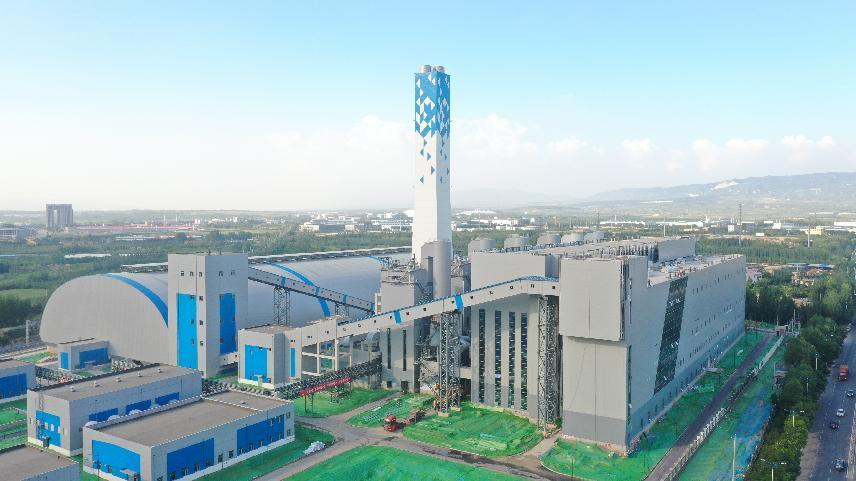
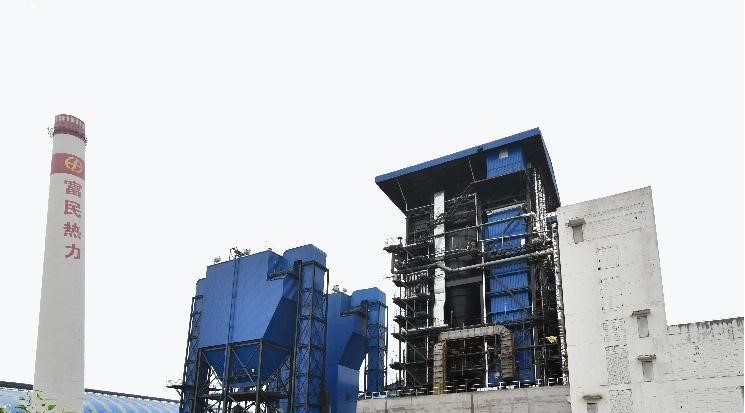
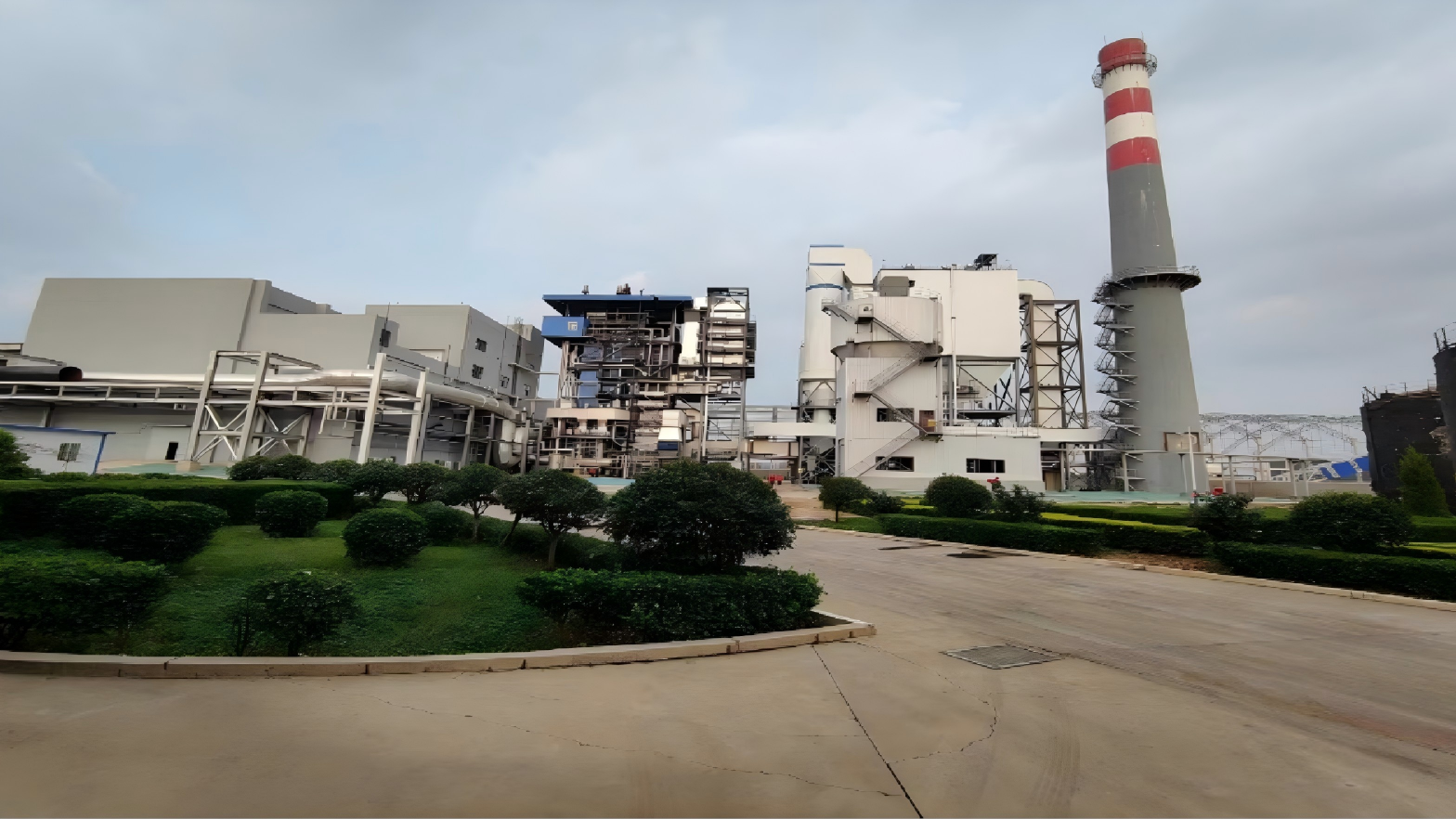
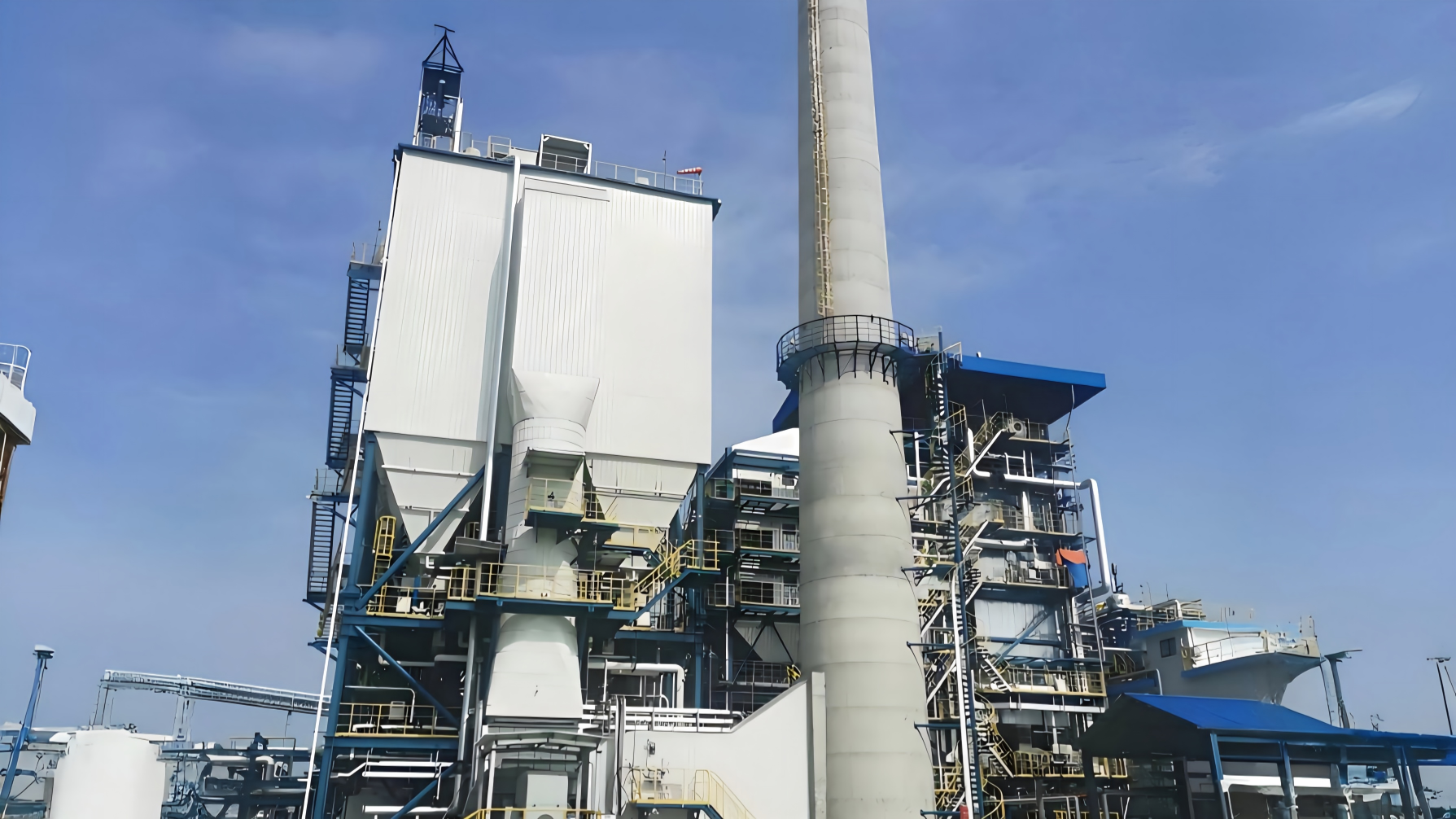
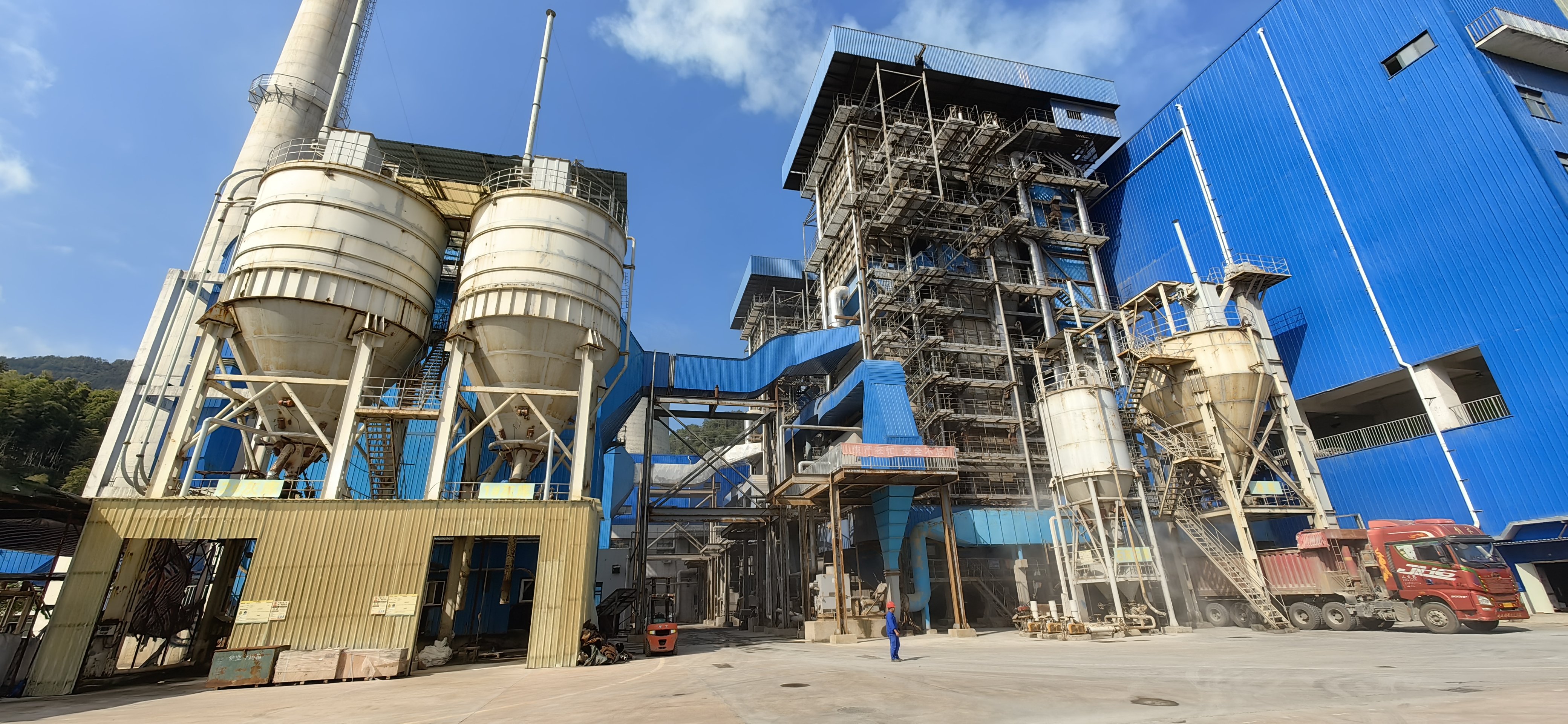
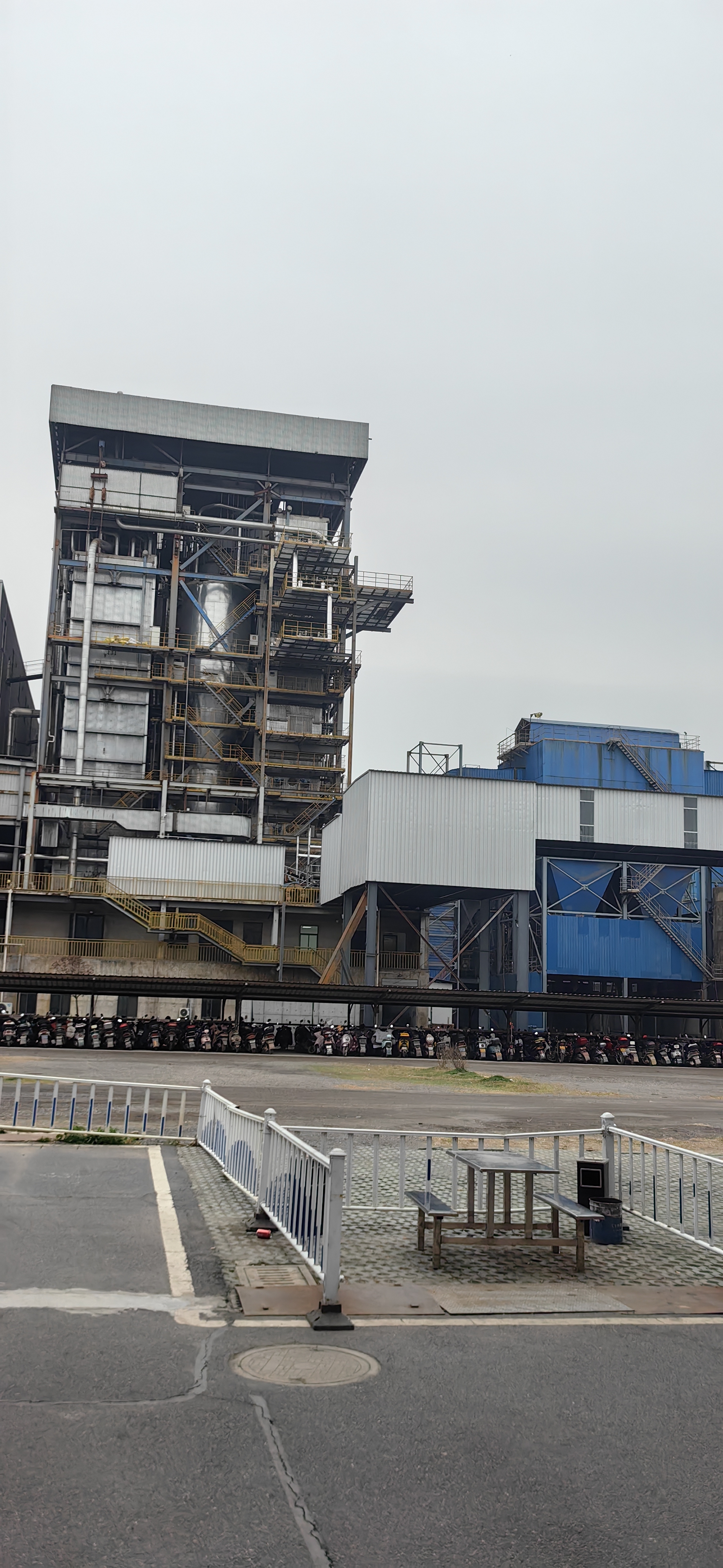
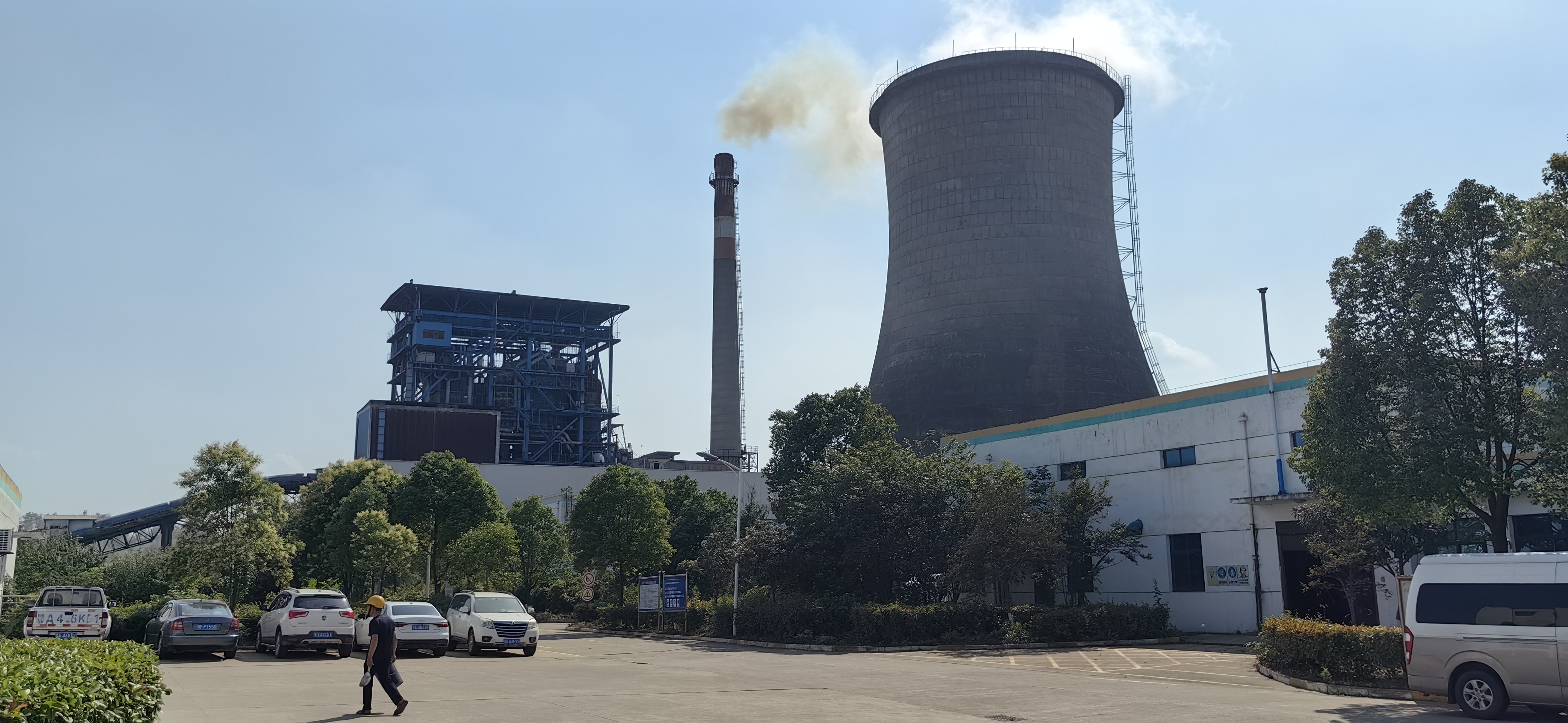
cfb biomass boiler
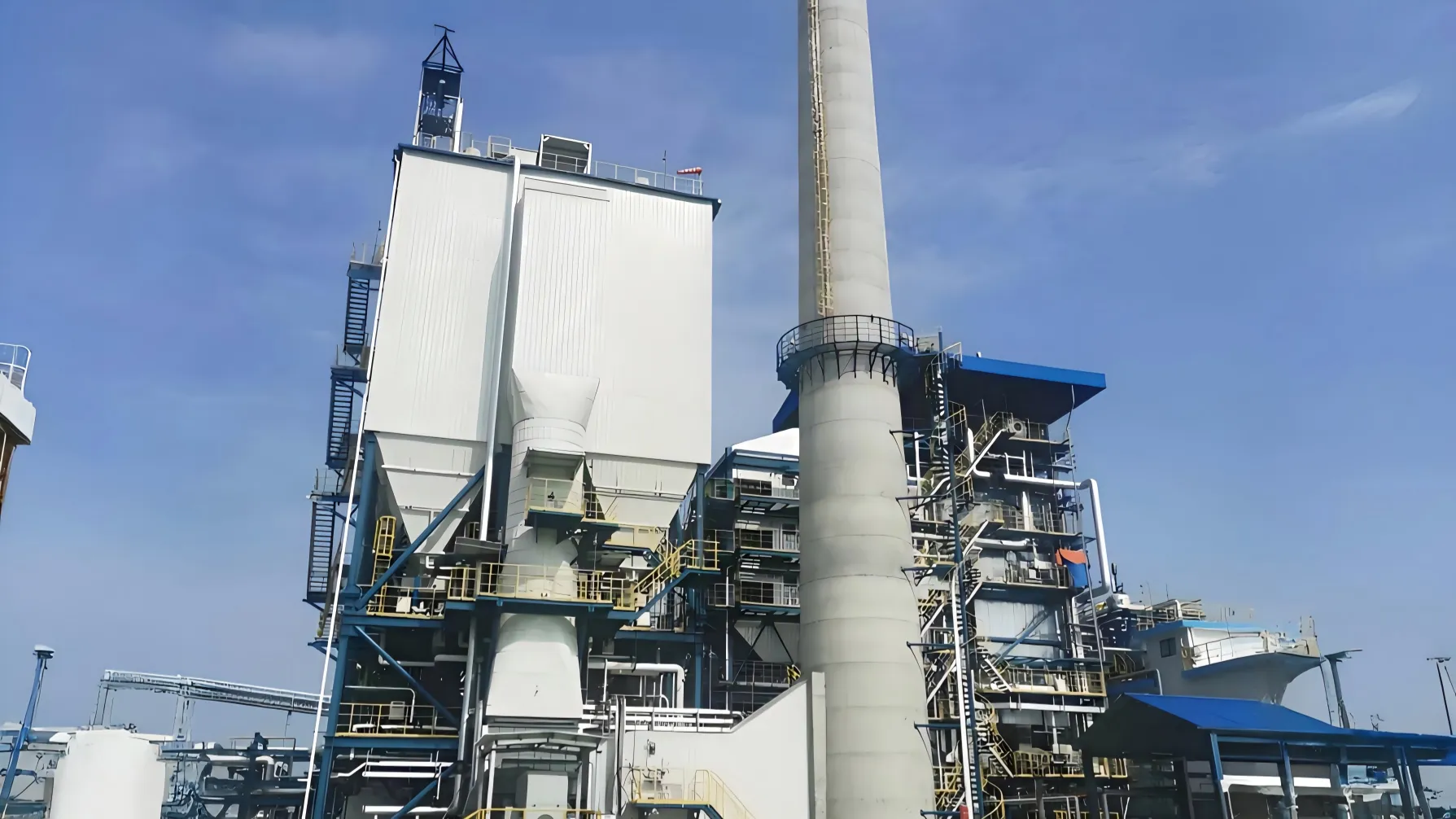
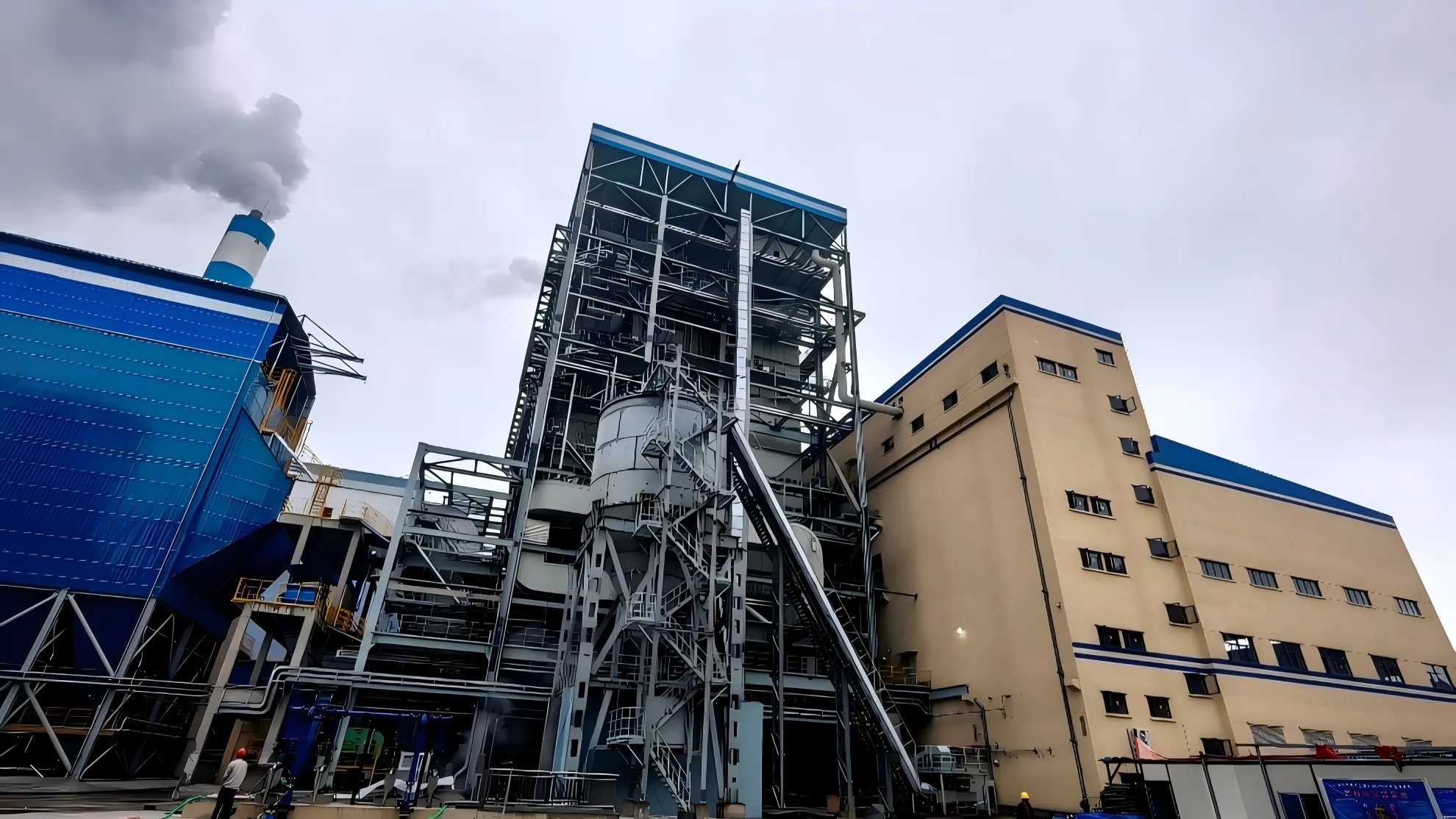
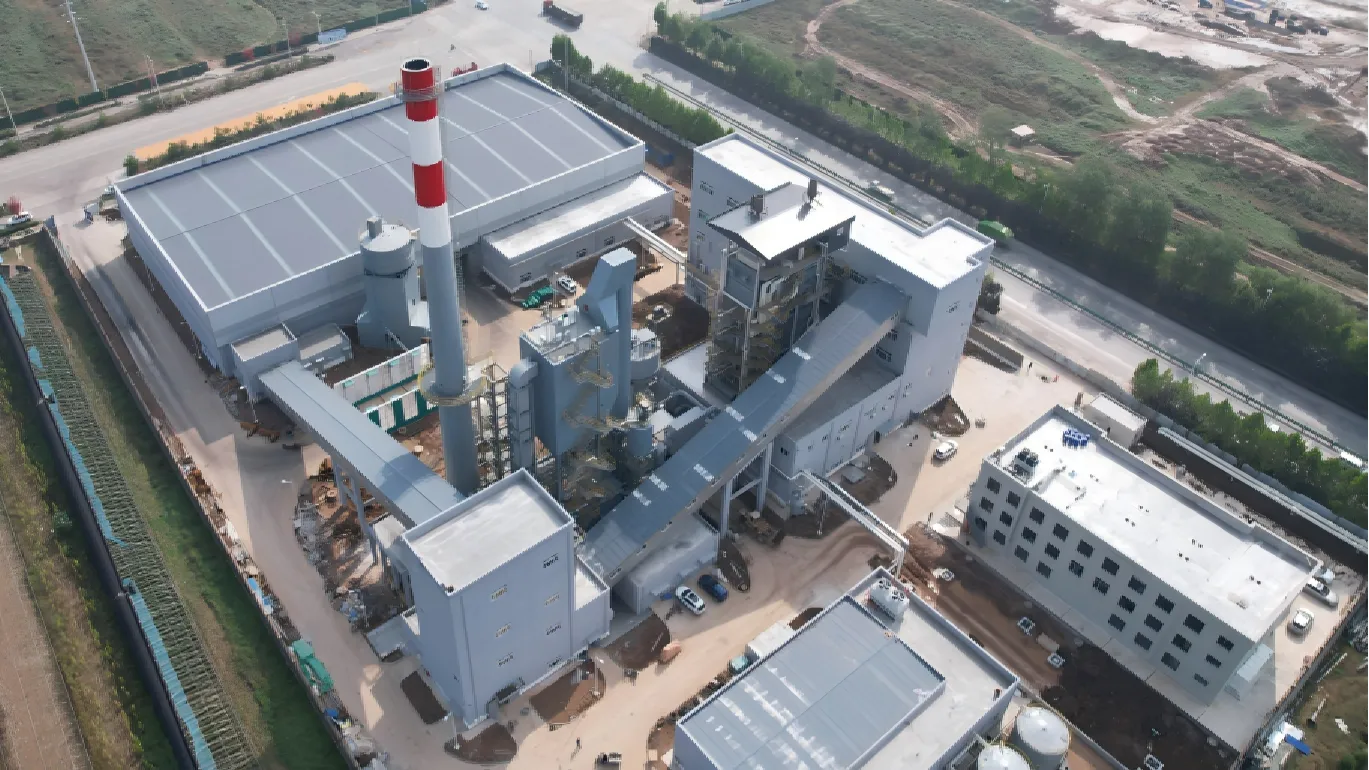
A CFB biomass boiler represents a sophisticated heating solution designed for efficient energy generation from renewable biomass materials. CFB stands for Circulating Fluidized Bed, a proven combustion technology that revolutionizes how biomass fuel converts into usable heat. The CFB biomass boiler operates by suspending biomass particles in an upward-moving air stream, creating optimal combustion conditions that maximize fuel efficiency and minimize emissions.
The primary function of a CFB biomass boiler is to generate steam or hot water through controlled biomass combustion, making it ideal for industrial facilities, district heating systems, and large-scale commercial operations. This CFB biomass boiler technology provides exceptional fuel flexibility, accepting various biomass materials including wood chips, agricultural residues, waste wood, and other renewable sources that traditional boilers cannot efficiently process.
Key technological features distinguish the CFB biomass boiler from conventional heating systems. The circulating design maintains consistent bed temperatures, preventing clinker formation and reducing maintenance requirements. Advanced air distribution systems in a CFB biomass boiler ensure complete combustion at lower temperatures, significantly reducing nitrogen oxide emissions. Built-in heat exchangers capture maximum thermal energy, while sophisticated ash handling systems simplify operational management.
Applications for the CFB biomass boiler span diverse industries including pulp and paper manufacturing, food processing, textile production, and municipal district heating networks. The CFB biomass boiler particularly excels in facilities generating substantial waste biomass, where it transforms waste materials into valuable thermal energy. Its scalability makes it suitable for operations ranging from medium-sized installations to large industrial complexes requiring megawatt-scale heat output.

 EN