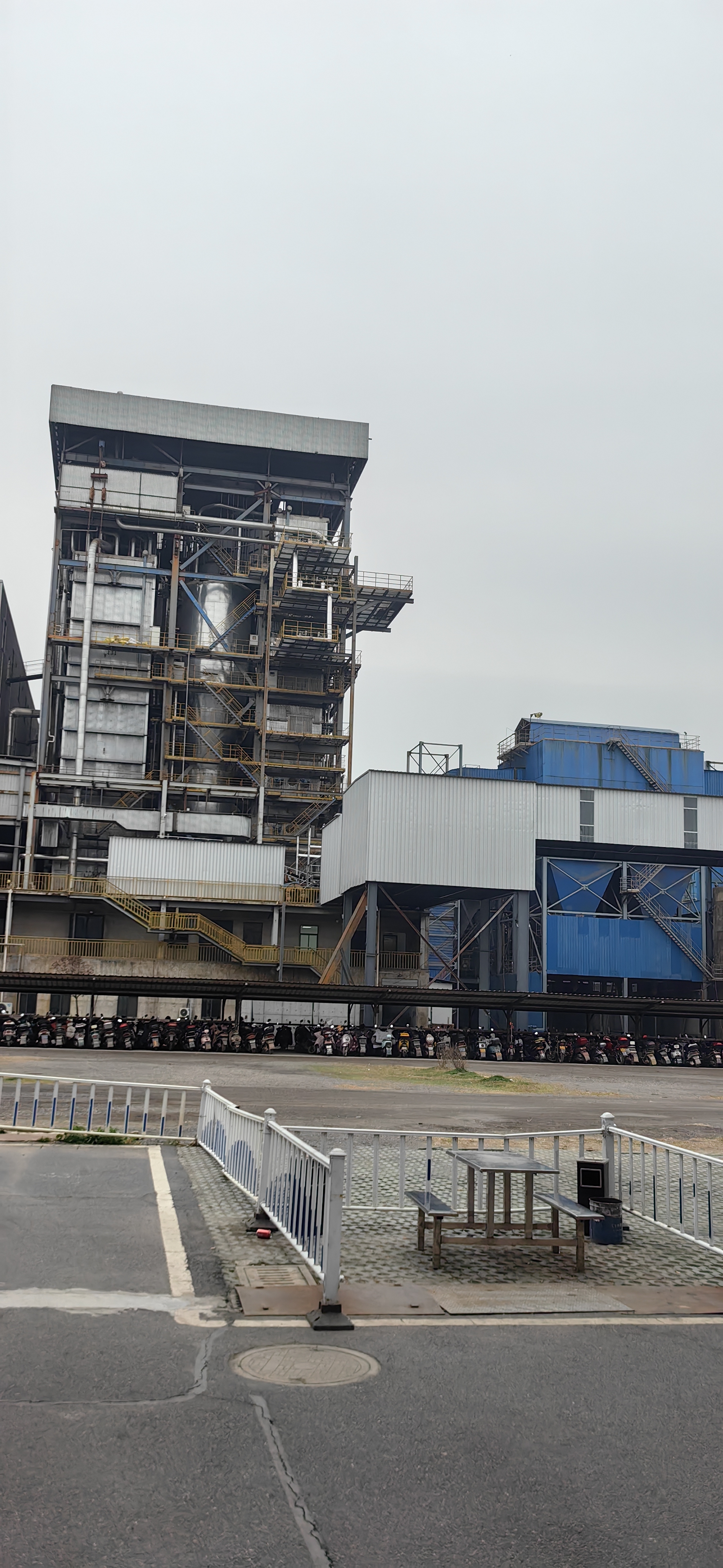
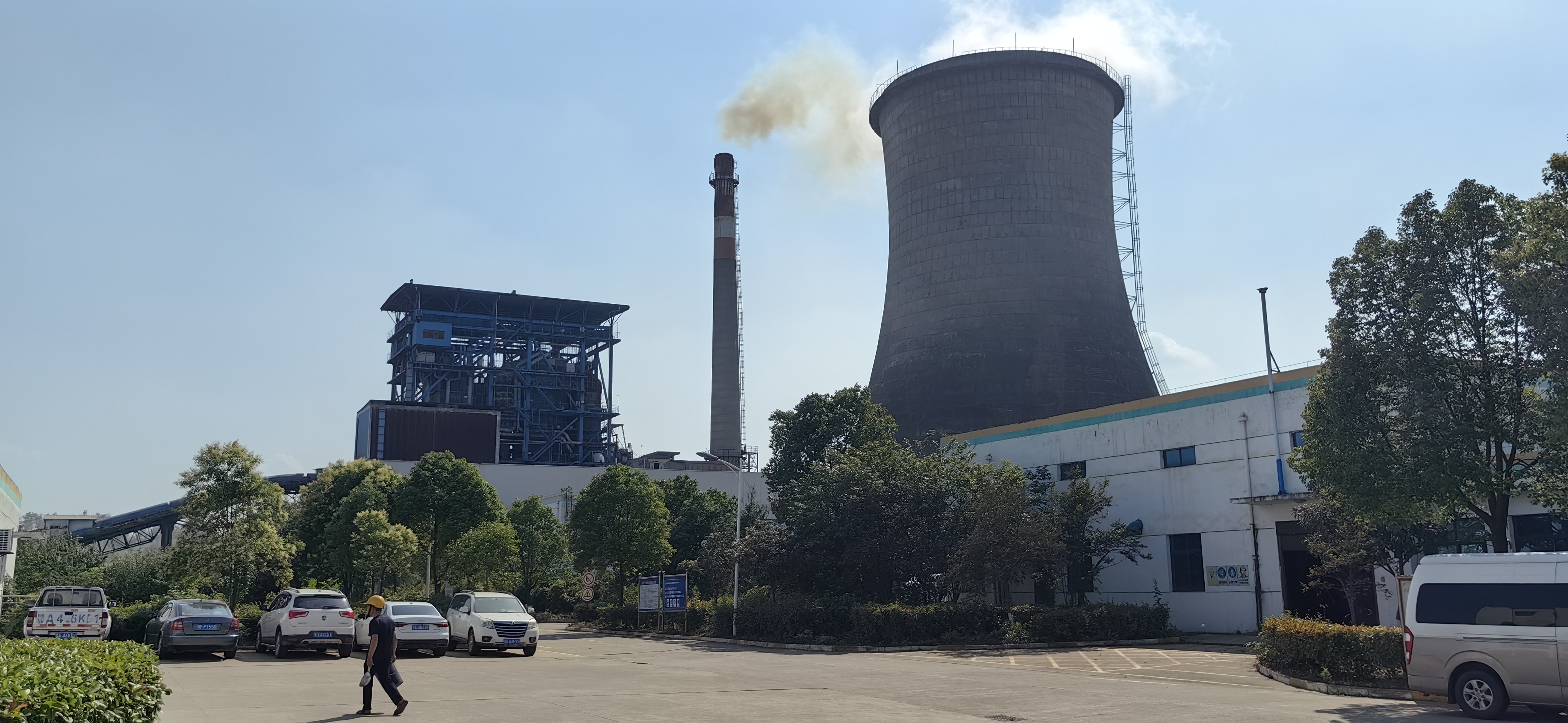
Biomass Circulating Fluidized Bed Boiler

Get a Free Quote

Our representative will contact you soon.
Email
Name
Company Name
Message
0/1000

biomass circulating fluidized bed boiler

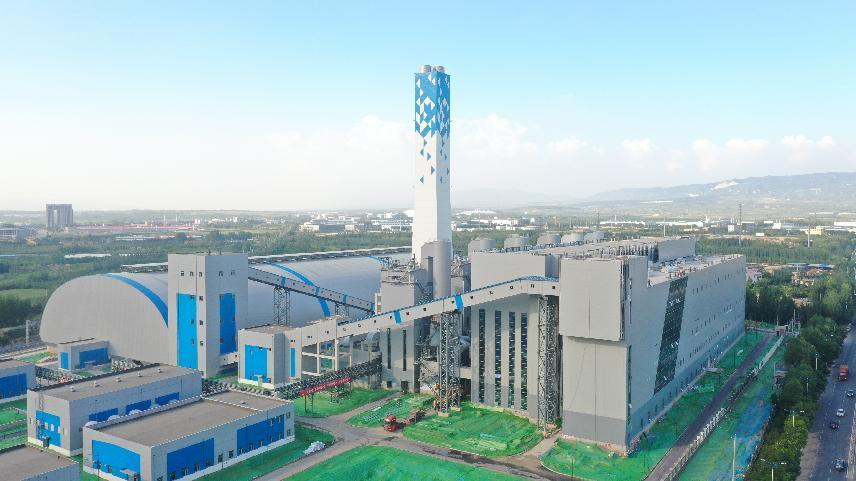
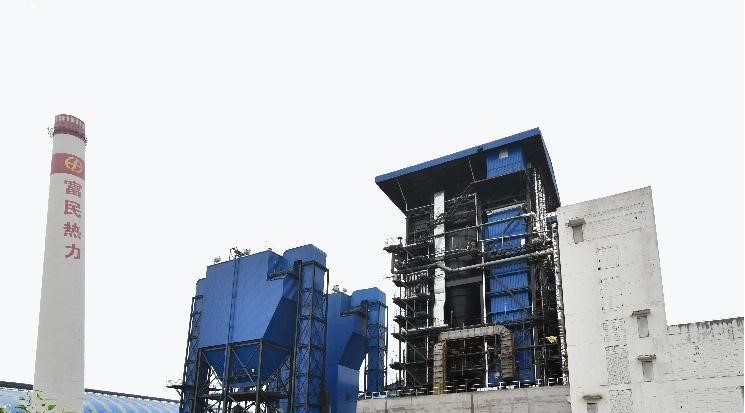
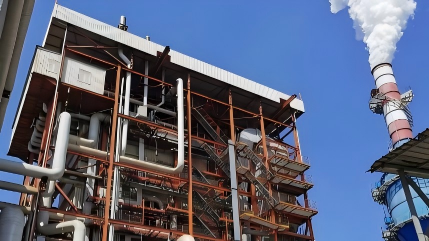
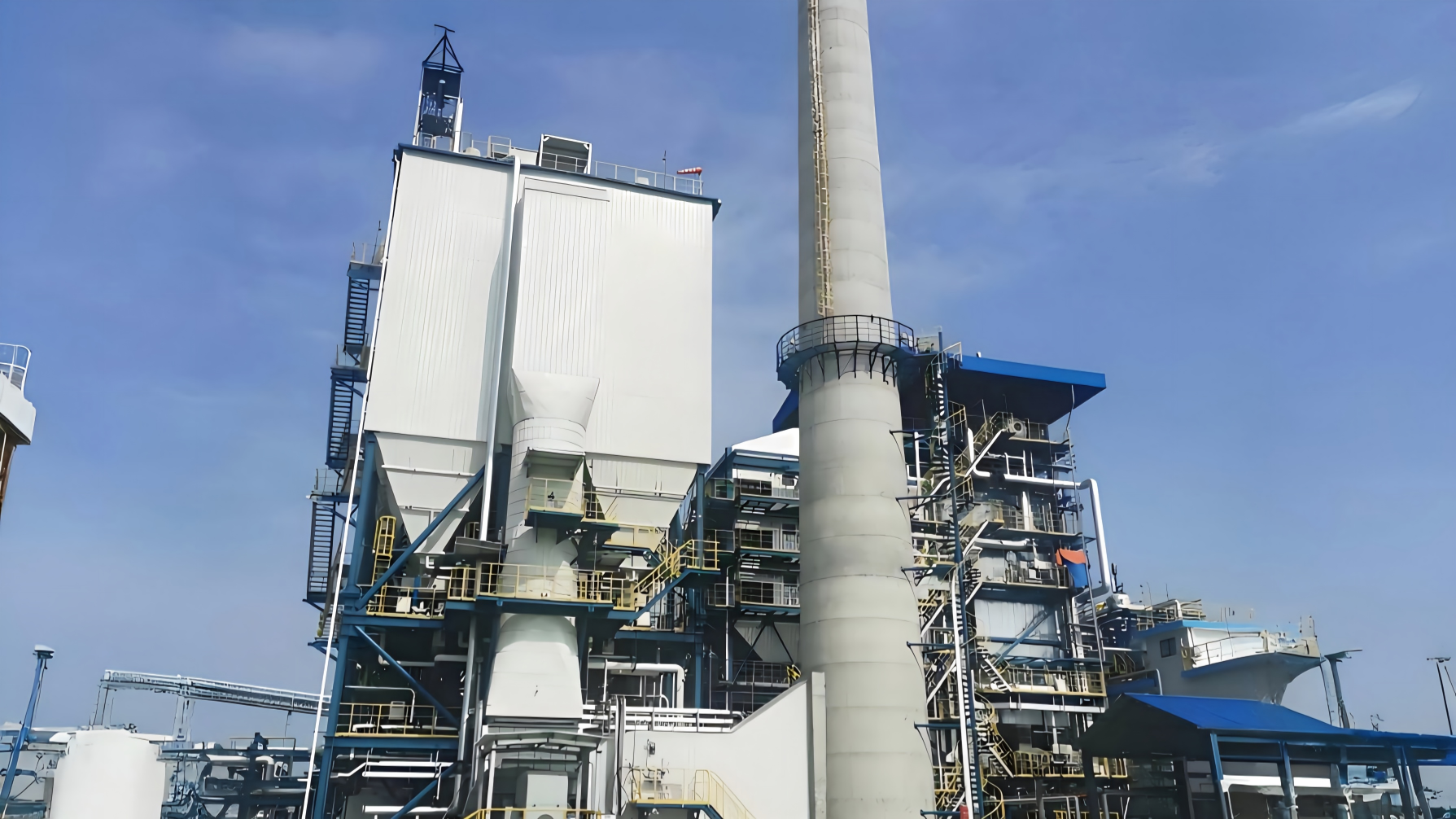
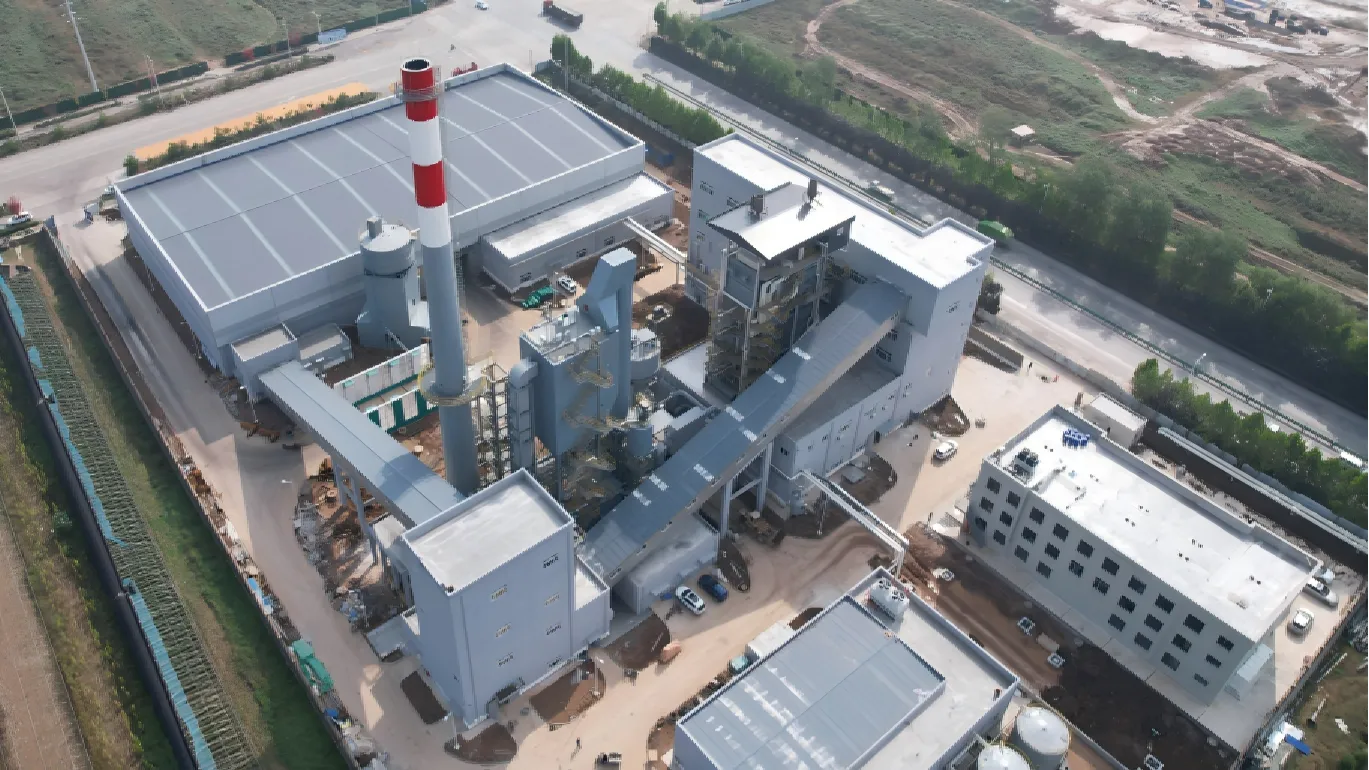
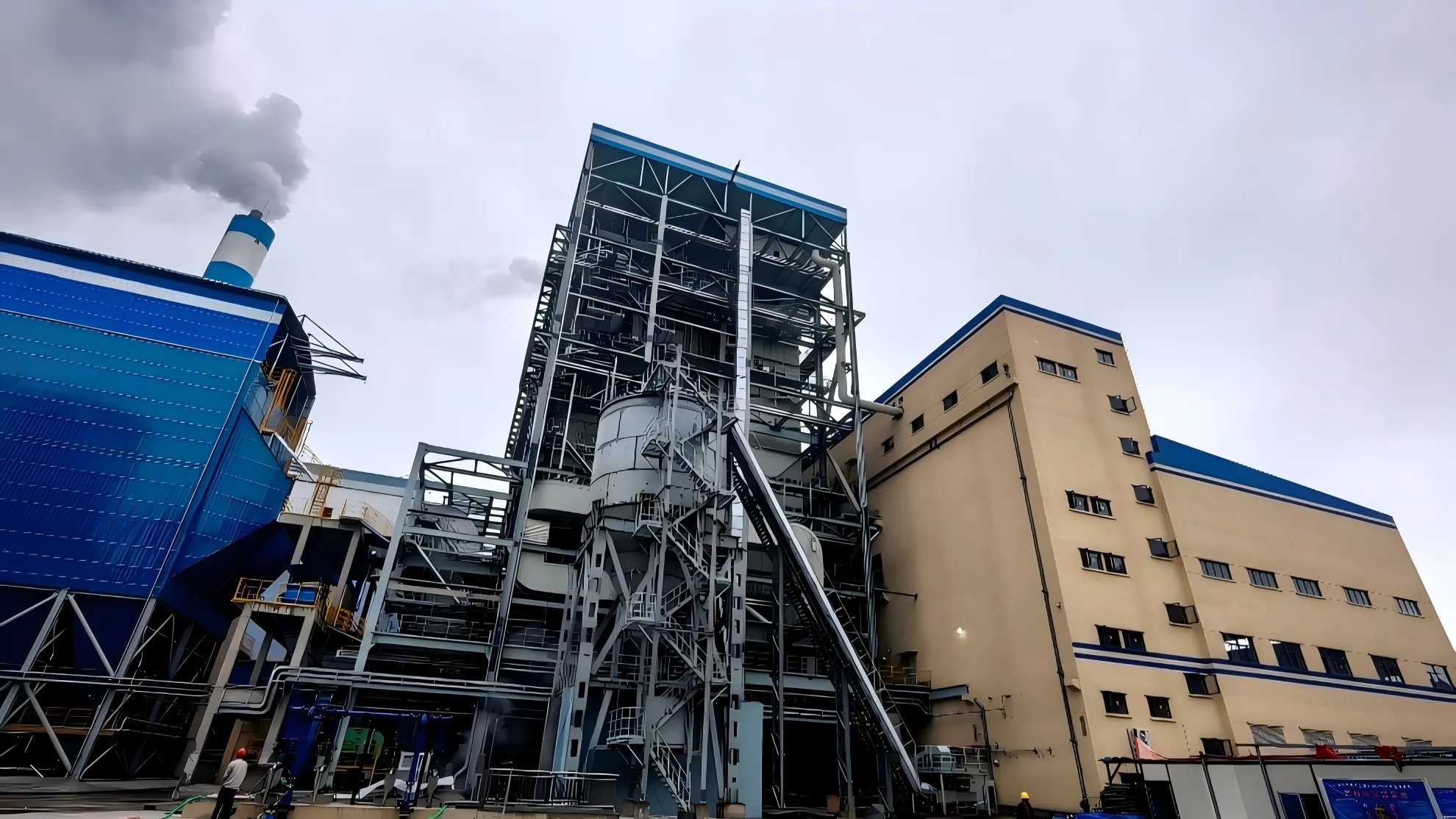
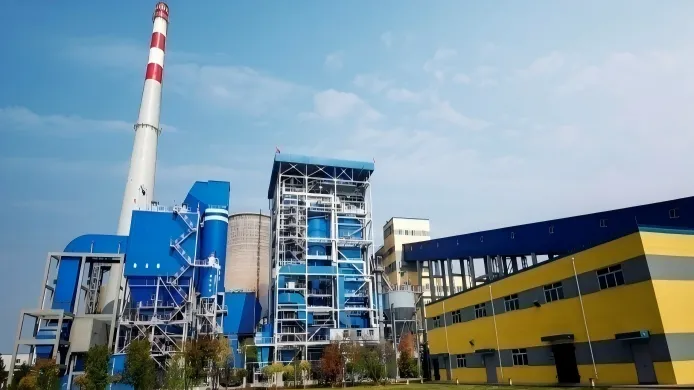
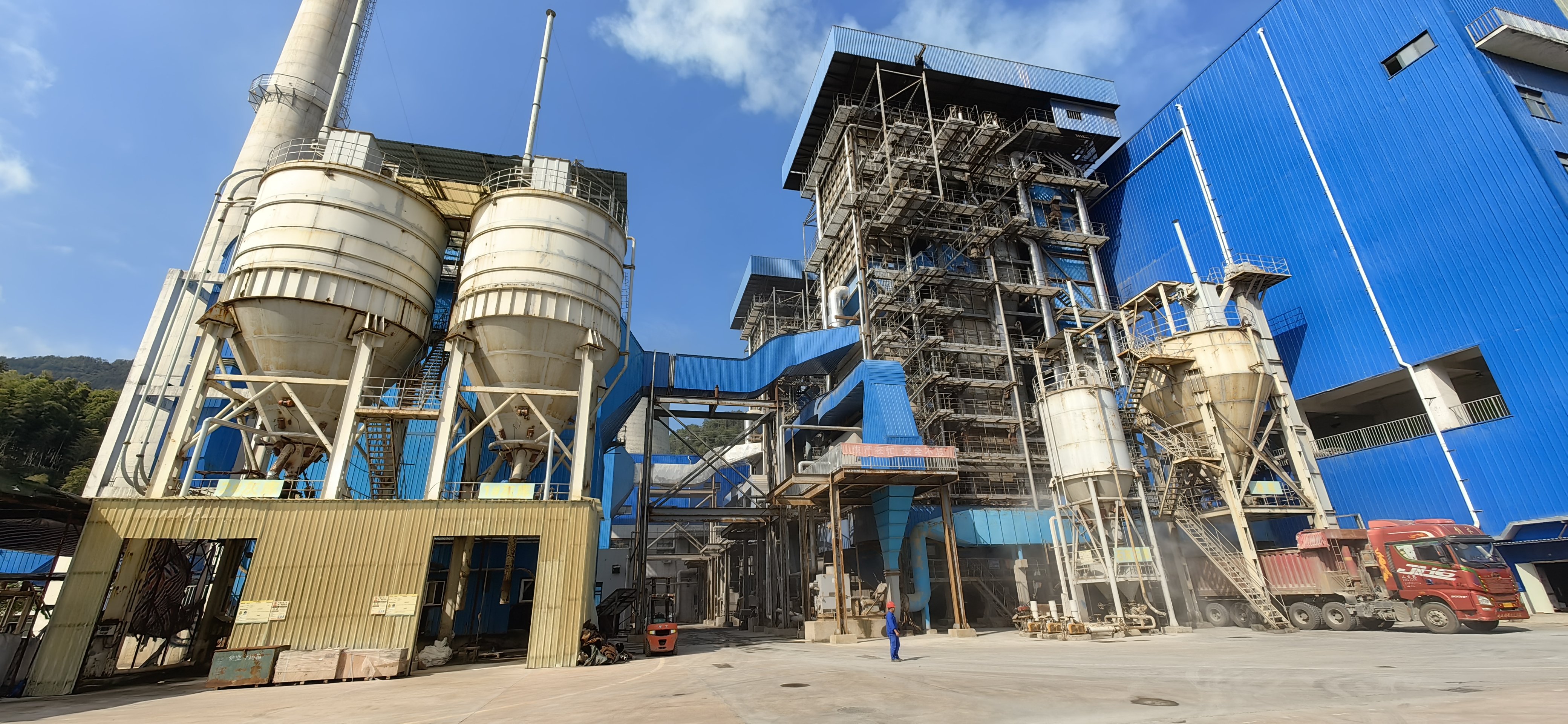
A biomass circulating fluidized bed boiler represents an advanced combustion technology designed to efficiently convert biomass fuel into thermal energy. This innovative system operates by suspending biomass particles in a bed of inert material, creating a dynamic environment where fuel combustion occurs at optimal conditions. The biomass circulating fluidized bed boiler maintains consistent temperatures while maximizing fuel utilization and minimizing emissions. The primary function of a biomass circulating fluidized bed boiler is to generate steam or hot water for industrial processes, district heating systems, and power generation facilities. The technology excels at handling diverse biomass feedstocks, including wood chips, agricultural residues, and industrial by-products. Operating at lower combustion temperatures compared to traditional boilers, the biomass circulating fluidized bed boiler significantly reduces NOx emissions and ash-related problems. Key technological features include the continuous circulation of bed material between the furnace and cyclone separator, which enhances heat transfer and combustion efficiency. The biomass circulating fluidized bed boiler incorporates advanced air distribution systems ensuring complete fuel combustion while maintaining stable operating conditions. Multiple staged air injection points allow precise control over the combustion process. Applications extend across various sectors including power plants, paper mills, heating facilities, and waste-to-energy installations. The biomass circulating fluidized bed boiler proves particularly valuable in regions with abundant biomass resources, offering sustainable alternatives to fossil fuels while delivering reliable thermal output for demanding industrial applications and environmental sustainability goals.

New Product Releases

The biomass circulating fluidized bed boiler delivers substantial operational and economic benefits for facilities seeking sustainable energy solutions. First, it provides exceptional fuel flexibility, accepting a wide range of biomass materials without requiring extensive preprocessing. This adaptability reduces procurement costs and allows facilities to utilize locally available resources, creating significant long-term savings. Operational benefits are considerable. The biomass circulating fluidized bed boiler maintains stable combustion temperatures, resulting in consistent energy output and improved thermal efficiency rates typically exceeding eighty-five percent. This stability reduces maintenance requirements and extends equipment lifespan, minimizing downtime and associated costs. Environmental advantages distinguish this technology from conventional systems. The biomass circulating fluidized bed boiler generates substantially lower emissions of sulfur dioxide, nitrogen oxides, and particulate matter compared to fossil fuel alternatives. This performance supports compliance with increasingly stringent environmental regulations while contributing to corporate sustainability commitments. For decision-making, potential customers benefit from understanding that the biomass circulating fluidized bed boiler addresses multiple operational challenges simultaneously. It reduces fuel costs through resource diversification, improves energy independence, and demonstrates clear environmental responsibility to stakeholders. The technology proves suitable for industrial facilities, district heating networks, and institutional complexes with consistent thermal demands. Installation of a biomass circulating fluidized bed boiler represents a strategic investment delivering quantifiable returns through fuel savings, operational efficiency, and reduced environmental liabilities. Facilities gain competitive advantages by transitioning to renewable energy while maintaining reliability and performance standards required for mission-critical operations.

Latest News

How can a CFB power plant achieve near-zero particulate emissions effectively?

10

Aug

How can a CFB power plant achieve near-zero particulate emissions effectively?

Achieving near-zero particulate emissions in coal-fired facilities represents one of the most significant environmental and operational challenges facing modern energy generation. A cfb power plant equipped with advanced circulating fluidized bed com...
View More
What are the vital spare parts to stock for a commercial CFB boiler system?

21

Aug

What are the vital spare parts to stock for a commercial CFB boiler system?

A cfb boiler system represents a significant capital investment for industrial power generation and thermal energy production. Whether operating on coal, biomass, or waste fuel, the reliability of your circulating fluidized bed combustion system dire...
View More
Why is a heavy-duty CFB boiler preferred for large cogeneration projects?

01

Sep

Why is a heavy-duty CFB boiler preferred for large cogeneration projects?

Large cogeneration projects demand equipment that can deliver both reliability and efficiency under demanding operational conditions. The choice of boiler technology fundamentally shapes project success, cost structure, and environmental compliance. ...
View More
Why is a circulating fluidized bed ideal for large-scale co-firing setups?

15

Oct

Why is a circulating fluidized bed ideal for large-scale co-firing setups?

Large-scale co-firing setups demand reliable, efficient combustion systems that can handle multiple fuel types simultaneously without compromising performance or environmental compliance. The circulating fluidized bed has become the preferred technol...
View More

Get a Free Quote

Our representative will contact you soon.
Email
Name
Company Name
Message
0/1000

biomass circulating fluidized bed boiler

Superior Fuel Efficiency and Flexibility

Superior Fuel Efficiency and Flexibility

The biomass circulating fluidized bed boiler achieves exceptional fuel utilization through its advanced combustion design. By maintaining optimal combustion conditions within the fluidized bed, this system converts biomass fuel into usable energy with efficiency rates reaching eighty-five to ninety percent. The biomass circulating fluidized bed boiler accommodates diverse feedstock types, from wood waste to agricultural residues, eliminating expensive fuel sorting requirements. This fuel flexibility proves invaluable for facilities located near biomass sources, enabling cost-effective local procurement strategies. The technology automatically adjusts to fuel variations without operator intervention, maintaining consistent performance regardless of biomass moisture content or composition variations. Industrial users benefit from reduced energy costs and improved operational predictability.
Advanced Emissions Control Technology

Advanced Emissions Control Technology

Environmental performance distinguishes the biomass circulating fluidized bed boiler as a responsible energy choice for modern facilities. Lower operating temperatures within the combustion chamber suppress nitrogen oxide formation, achieving emissions levels significantly below regulatory limits. The biomass circulating fluidized bed boiler incorporates sophisticated air staging and in-furnace limestone injection, effectively capturing sulfur compounds before atmospheric release. Ash handling systems efficiently manage byproducts, often producing marketable fertilizer or construction materials. Facilities operating this technology demonstrate measurable environmental improvements while meeting or exceeding stringent air quality regulations. The reduction in particulate emissions protects local air quality and supports community health objectives, creating positive stakeholder relationships and reducing potential environmental liabilities for operators.
Cost-Effective Long-Term Operation

Cost-Effective Long-Term Operation

Economic advantages make the biomass circulating fluidized bed boiler an intelligent investment for energy-intensive operations. Compared to fossil fuel boilers, operational costs decline substantially through access to lower-cost biomass fuels and renewable energy incentives available in many regions. The biomass circulating fluidized bed boiler requires less frequent maintenance due to stable combustion conditions and robust mechanical design. Extended equipment lifespan reduces capital replacement frequency, lowering lifecycle costs considerably. Lower emissions eliminate expensive pollution control retrofitting requirements. Facilities achieve rapid return on investment through cumulative fuel savings while qualifying for government subsidies supporting renewable energy transition. Financial predictability improves through biomass price stability relative to volatile fossil fuel markets, enabling accurate budgeting and strategic planning for institutional operations.

Get a Free Quote

Our representative will contact you soon.
Email
Name
Company Name
Message
0/1000
email goToTop