Steam Boiler Cost Guide

Get a Free Quote

Our representative will contact you soon.
Email
Name
Company Name
Message
0/1000

steam boiler cost

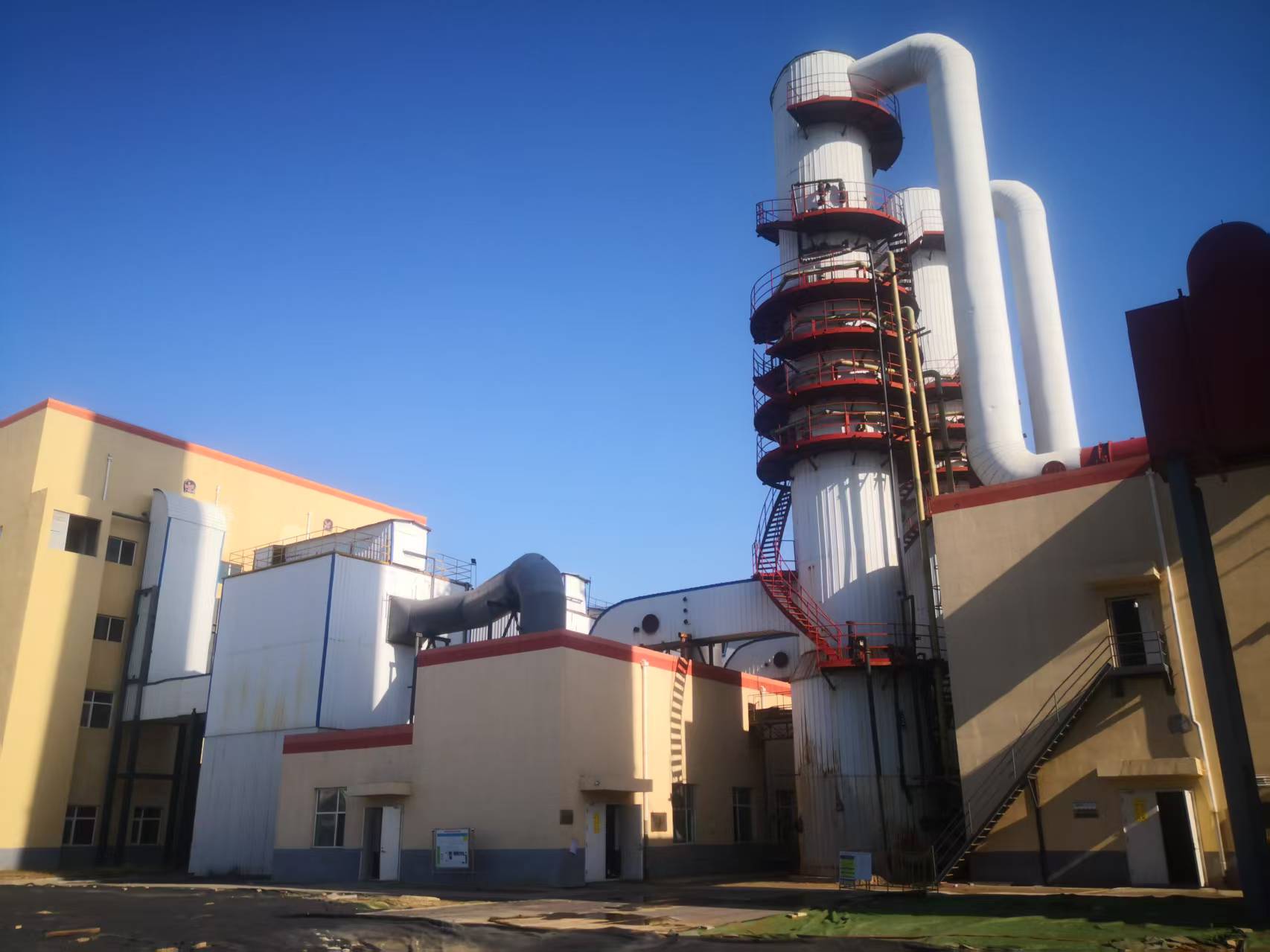
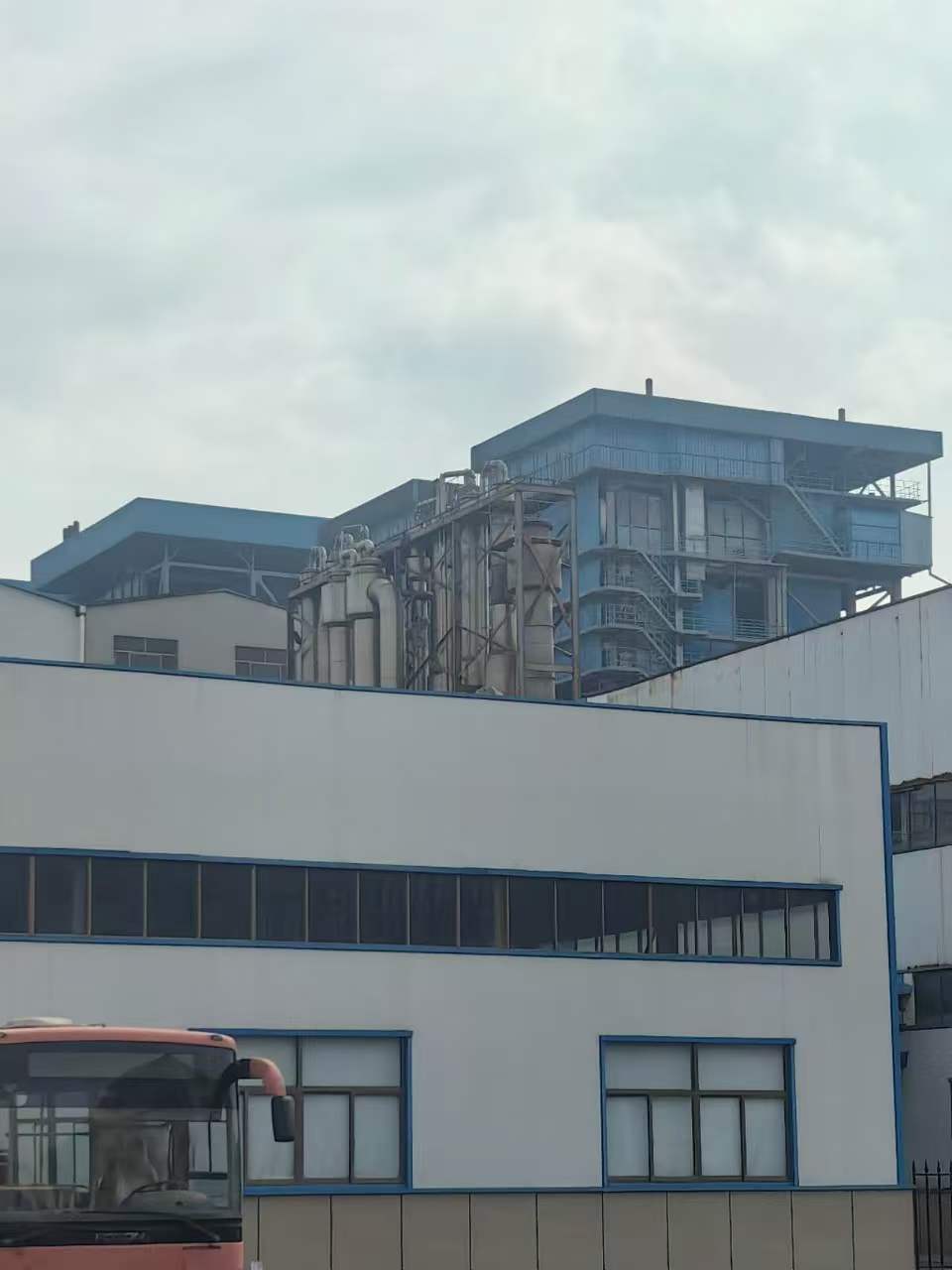
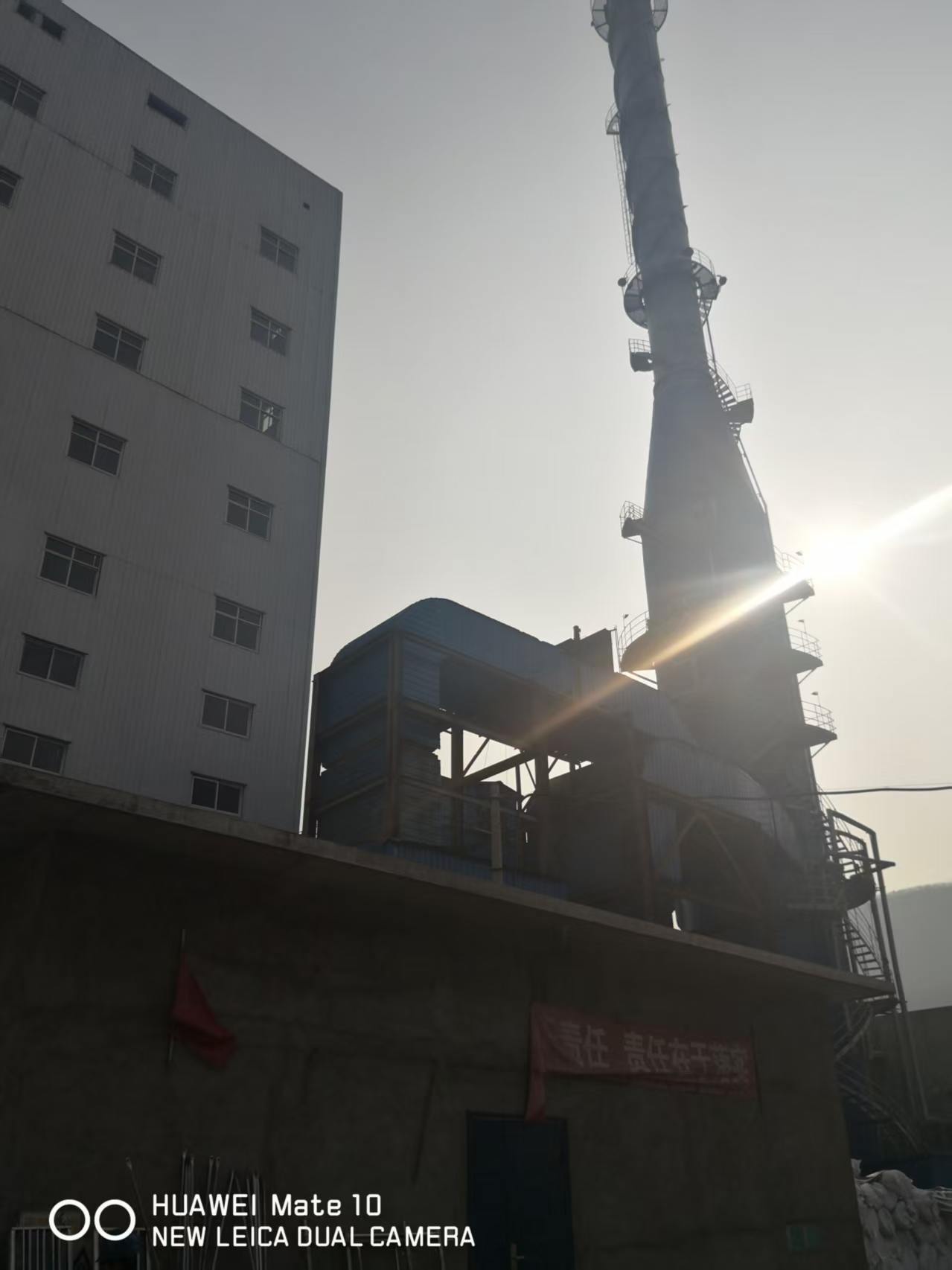
Understanding steam boiler cost is essential for businesses planning industrial heating investments. Steam boilers represent significant capital expenditures, and evaluating steam boiler cost helps organizations make informed purchasing decisions. These systems serve critical functions in manufacturing, power generation, and facility management by converting water into high-pressure steam through controlled combustion or electric heating processes. Modern steam boiler cost varies based on capacity, fuel type, and efficiency ratings. Key technological features include advanced combustion controls, automated water level management, and integrated safety systems that prevent dangerous pressure buildup. High-efficiency models incorporate condensing technology and smart monitoring capabilities, which influence overall steam boiler cost but deliver long-term operational savings. Applications span diverse industries including food processing, textile manufacturing, pharmaceutical production, and institutional facilities. Chemical plants rely on steam boilers for process heat, while hospitals and universities require consistent steam supply for sterilization and heating. Understanding steam boiler cost factors enables facility managers to compare investment options against operational requirements. The steam boiler cost calculation includes equipment pricing, installation expenses, regulatory compliance, and commissioning services. Larger capacity boilers typically offer lower per-unit cost structures, making steam boiler cost analysis crucial for right-sizing equipment. Modern efficiency standards significantly impact steam boiler cost, with energy-efficient models commanding premium pricing justified by reduced fuel consumption and maintenance requirements over their operational lifetime.

New Product Recommendations

Investing in quality steam boilers offers substantial practical benefits that directly impact operational efficiency and bottom-line performance. Understanding steam boiler cost in relation to these advantages helps buyers justify expenditures and achieve faster return on investment. First, optimized steam boiler cost provides excellent value through extended equipment lifespan and reduced maintenance requirements. Quality boilers engineered for durability minimize unexpected breakdowns and expensive repairs, protecting production schedules and preventing costly operational interruptions. This reliability directly translates to consistent steam supply for critical processes, eliminating productivity losses. Second, modern boiler technology significantly reduces energy consumption, lowering operational costs despite initial steam boiler cost investment. High-efficiency combustion systems and advanced heat recovery mechanisms substantially decrease fuel requirements, generating savings that accumulate throughout the equipment's service life. Businesses typically recoup their steam boiler cost investment within three to seven years through reduced utility bills. Third, improved steam boiler cost reflects compliance with environmental regulations and safety standards. Contemporary systems incorporate emissions reduction technologies and redundant safety mechanisms, ensuring workplace compliance and protecting personnel. This regulatory alignment prevents costly fines and operational shutdowns. Fourth, scalability represents another key advantage influencing steam boiler cost decisions. Modular system designs allow businesses to expand capacity as production demands increase, spreading steam boiler cost investments across multiple budget cycles. Finally, automated monitoring systems included with modern boilers enhance operational control and safety. These technologies optimize performance, reduce operator workload, and provide valuable data for maintenance planning, maximizing the value proposition of any steam boiler cost expenditure and supporting long-term operational excellence.

Latest News

Why does circulating fluidized bed combustion achieve complete fuel burnout?

14

Aug

Why does circulating fluidized bed combustion achieve complete fuel burnout?

Circulating fluidized bed combustion stands as one of the most effective technologies for achieving complete fuel burnout in modern energy generation. Unlike traditional fixed-bed systems, this advanced combustion method creates an environment where ...
View More
How does fluidized bed combustion adapt to sudden fuel composition shifts?

15

Sep

How does fluidized bed combustion adapt to sudden fuel composition shifts?

Fuel composition variability remains one of the most challenging operational parameters in modern thermal power generation. When feedstock sources shift unexpectedly or intentionally blend different materials, systems must respond quickly to maintain...
View More
What are the mechanical components prone to wear in fluidized bed combustion?

22

Sep

What are the mechanical components prone to wear in fluidized bed combustion?

Fluidized bed combustion remains one of the most efficient and environmentally sound fuel-burning methods in industrial power generation. However, understanding the mechanical components prone to wear in fluidized bed combustion is essential for oper...
View More
What temperature range ensures optimal efficiency in fluidized bed combustion?

25

Sep

What temperature range ensures optimal efficiency in fluidized bed combustion?

Understanding the optimal temperature range for fluidized bed combustion is essential for operators seeking to maximize boiler performance and reduce operational costs. Temperature control directly influences combustion efficiency, fuel consumption r...
View More

Get a Free Quote

Our representative will contact you soon.
Email
Name
Company Name
Message
0/1000

steam boiler cost

Energy Efficiency Impact on Steam Boiler Cost

Energy Efficiency Impact on Steam Boiler Cost

Energy efficiency represents perhaps the most critical factor affecting long-term steam boiler cost considerations. Modern condensing boilers recover heat from exhaust gases, achieving efficiency ratings exceeding ninety percent compared to traditional models operating around eighty percent. This substantial improvement directly reduces fuel consumption, creating measurable cost savings that offset initial steam boiler cost premiums within relatively short timeframes. Facilities implementing high-efficiency boilers typically experience annual fuel cost reductions ranging from fifteen to thirty percent, depending on operational hours and fuel type. These savings compound yearly, making efficient systems far more economical than cheaper alternatives requiring higher fuel inputs. Decision-makers analyzing steam boiler cost must evaluate efficiency ratings alongside purchase price to understand true lifetime costs. Additionally, energy-efficient boilers qualify for utility rebates and government incentive programs in many jurisdictions, effectively reducing net steam boiler cost investment. These financial incentives recognize environmental benefits and encourage businesses to select sustainable technologies. Organizations prioritizing operational excellence consistently find that investing more in efficient equipment proves more economical than selecting options based solely on lowest steam boiler cost purchase price.
Reliability and Reduced Maintenance in Steam Boiler Cost Planning

Reliability and Reduced Maintenance in Steam Boiler Cost Planning

Reliability significantly impacts overall steam boiler cost calculations beyond initial purchase pricing. Premium boilers engineered with robust components and advanced controls minimize unexpected failures, preventing costly emergency repairs and production disruptions. Facility managers recognize that downtime expenses often exceed equipment replacement costs, making reliability a crucial factor in steam boiler cost justification. Quality systems incorporate redundant safety features, automatic shutdown protocols, and self-diagnostic capabilities that extend operational life and enhance safety. These features reduce emergency service calls, which typically cost hundreds or thousands of dollars per incident. Preventive maintenance on well-designed boilers remains predictable and manageable, eliminating surprise expenditures that inflate total steam boiler cost ownership. Buildings with reliable steam systems maintain consistent heating and process steam supply, protecting occupant comfort and production quality. Industrial facilities depend on uninterrupted steam availability for critical processes, making equipment reliability directly tied to revenue generation. While premium reliability increases initial steam boiler cost, the protection against operational losses and maintenance emergencies justifies the investment completely, particularly for mission-critical applications where interruptions carry severe consequences.
Scalability and Future-Proofing Steam Boiler Cost Investments

Scalability and Future-Proofing Steam Boiler Cost Investments

Strategic steam boiler cost planning must consider future operational growth and changing capacity requirements. Modular boiler designs allow businesses to add capacity incrementally as production demands increase, distributing steam boiler cost investments across multiple budget periods. This scalability approach prevents over-purchasing expensive capacity never utilized while avoiding costly upgrades when capacity requirements unexpectedly rise. Advanced boiler systems designed for expansion integrate seamlessly with additional units, maintaining efficiency and performance throughout the facility's operational life. This future-proofing capability protects steam boiler cost investments by extending equipment relevance across extended planning horizons. Businesses avoiding scalable systems often face premature replacement requirements when production increases, multiplying total steam boiler cost spending. Flexible configurations also accommodate changing fuel sources, allowing facilities to transition from natural gas to biomass, waste heat, or alternative fuels as technology improves and economics shift. This adaptability protects organizations from energy market volatility and supports long-term sustainability goals. Thoughtfully selected boiler systems offering expansion capability and fuel flexibility represent intelligent steam boiler cost decisions that maximize value throughout extended service life.

Get a Free Quote

Our representative will contact you soon.
Email
Name
Company Name
Message
0/1000
email goToTop