
 EN


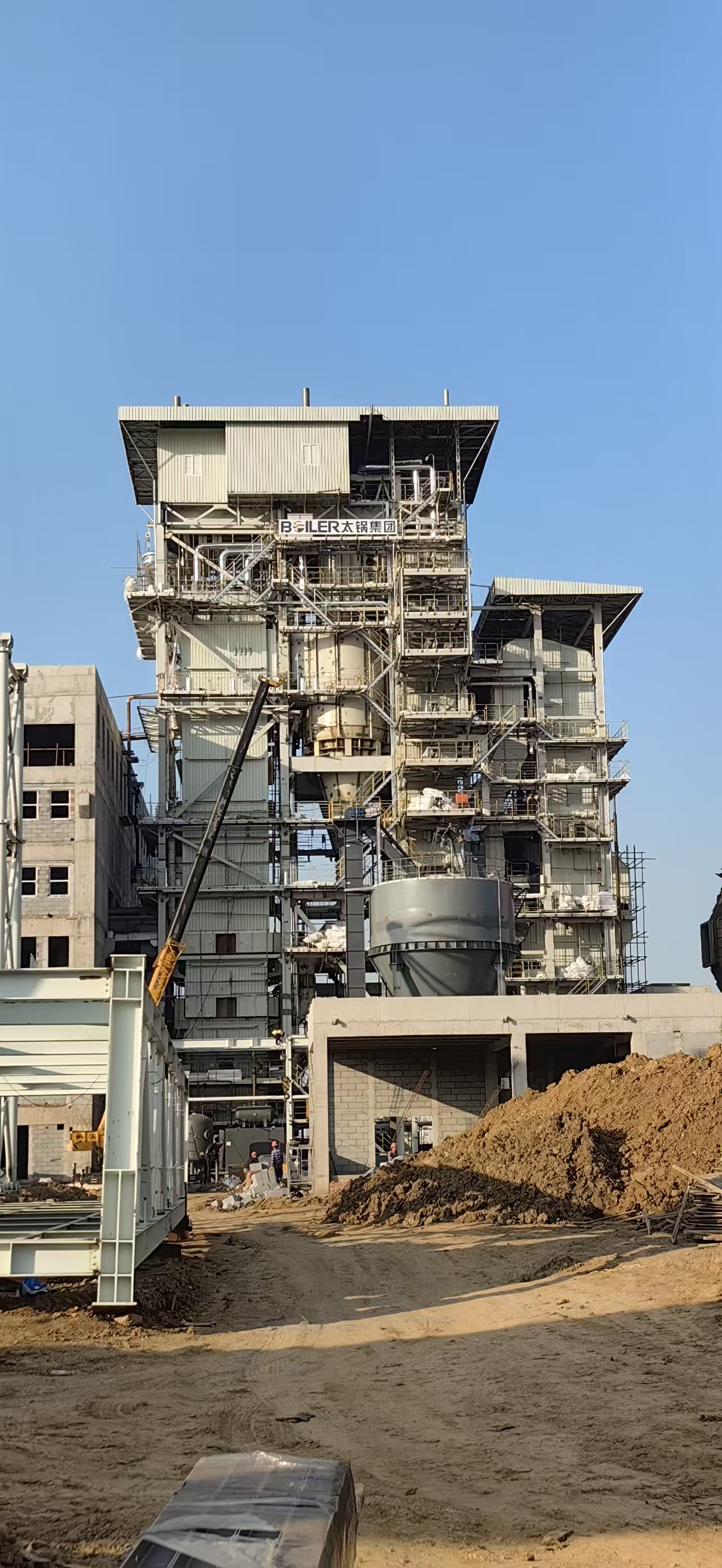
A circulating fluidized bed design represents a fundamental shift in how modern power plants and industrial facilities approach fuel combustion and energy generation. Unlike traditional fixed-grate or pulverized coal boilers, this advanced combustion technology enables operators to burn a remarkably diverse range of fuel types—from coal and biomass to waste-derived materials and alternative fuels—without compromising efficiency or reliability. The flexibility inherent in circulating fluidized bed systems addresses one of the most pressing challenges facing energy producers today: the need to adapt to volatile fuel markets, environmental regulations, and sustainability mandates while maintaining consistent thermal output.
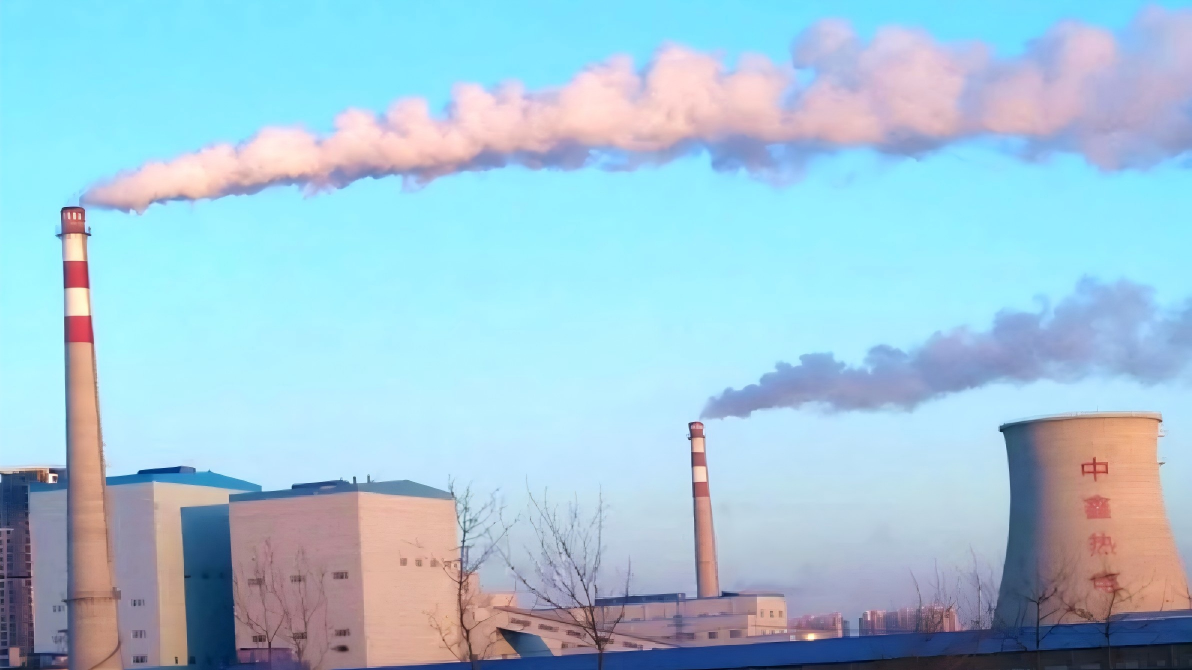
The superiority of CFB boiler technology in handling diverse feedstocks stems from its unique operational principles and design characteristics. When a circulating fluidized bed system operates, it creates an optimal environment where different particle sizes, moisture contents, and combustion properties can be processed simultaneously without the operational bottlenecks that plague conventional boilers. This is why fluidized bed combustion has become the technology of choice for facilities facing heterogeneous fuel supplies, coal-biomass co-firing requirements, or situations where fuel sourcing must remain flexible to manage costs and supply chain uncertainties.
Core Mechanism Behind Fuel Flexibility
Understanding Fluidized Bed Heat Transfer
Fluidized bed heat transfer operates on a principle of intimate contact between solid particles and circulating gases. Inside the combustion chamber, air and fuel particles are suspended in an upward-flowing gas stream, creating a highly turbulent, well-mixed environment. This vigorous mixing dramatically accelerates chemical reactions and heat release compared to conventional combustion methods. The particles move rapidly through multiple combustion stages, ensuring complete burn-out regardless of individual fuel characteristics, which is why fluidized bed heat transfer efficiency remains consistently high across variable fuel compositions.
The mechanical design of a circulating fluidized bed incorporates a cyclone separator that continuously recirculates unburned particles back into the main combustion chamber. This recirculation loop ensures that every fuel particle experiences sufficient residence time and exposure to combustion conditions, even if individual particles have slower burn rates or unusual physical properties. The result is near-complete combustion efficiency and minimal unburned carbon loss, regardless of whether the fuel supply shifts between different sources or blends.
Why CFB Boiler Technology Outperforms Traditional Systems
Traditional grate-fired or pulverized-coal boilers demand consistent fuel properties: predictable particle size, stable moisture content, and known heating values. When fuel characteristics deviate significantly from design specifications, these systems experience efficiency losses, incomplete combustion, or even operational shutdowns. In contrast, CFB boiler technology thrives on fuel diversity. A circulating fluidized bed can accommodate coal with varying sulfur content, high-moisture biomass, waste materials with heterogeneous composition, and blended fuel streams simultaneously without requiring boiler modifications or operational adjustments.
This adaptability translates directly into competitive advantage. Facility operators can source lower-cost alternative fuels when available, negotiate better contracts with multiple suppliers, and reduce dependency on single fuel streams. Fluidized bed combustion systems automatically adjust to changing fuel properties through their inherent design robustness, while conventional boilers would require expensive retrofitting or manual parameter adjustments.
Economic and Operational Benefits of Superior Fuel Flexibility
Reducing Fuel Sourcing Constraints
Energy producers operating conventional boilers face continuous pressure to secure specific fuel grades, often leading to long-term supply contracts that lock in prices regardless of market conditions. A circulating fluidized bed eliminates this constraint entirely. Because CFB boiler technology accepts multiple fuel types and qualities simultaneously, operators gain genuine purchasing flexibility. When coal prices spike, they can increase biomass co-firing percentages. If local waste streams become available, these can be integrated into the fuel mix. This adaptive capacity directly reduces total fuel costs and protects facilities from supply disruptions.
Industrial facilities with multiple fuel sources available—such as plants near agricultural regions, sawmills, or refuse-derived fuel producers—gain particularly significant advantages by deploying circulating fluidized bed systems. Fluidized bed combustion enables genuine multi-fuel operations that would be economically or technically impossible with traditional boiler designs.
Environmental Compliance and Emission Control
One of the most compelling reasons why facilities choose CFB boiler technology is its superior emissions control capability. The low combustion temperatures maintained in a circulating fluidized bed (typically 800–900°C compared to 1400°C in pulverized-coal units) naturally suppress NOx formation. Limestone or dolomite added to the fluidized bed reacts with sulfur compounds in real-time, capturing SO₂ before it exits the stack. This in-situ desulfurization works equally well with high-sulfur coals, biomass, or blended fuels, making fluidized bed heat transfer inherently suited to stringent emissions regulations.
This emissions advantage extends the permitting and operational flexibility of any facility. Rather than optimizing combustion parameters for a single fuel type and accepting variable emissions when fuel switches occur, a circulating fluidized bed maintains consistent, low emission profiles across the full range of acceptable feedstocks. For facilities operating in regions with tightening environmental rules or those targeting sustainability certifications, this consistency is invaluable.
Practical Implementation and Future Evolution
Integration Considerations for Operators
Transitioning to a circulating fluidized bed or deploying CFB boiler technology requires careful planning around fuel handling infrastructure, heat exchanger configurations, and ash management systems. Unlike the simple hopper-and-grate design of traditional boilers, fluidized bed combustion demands robust material handling for bed material makeup and spent sorbent removal. However, these infrastructure investments are typically recovered quickly through fuel cost savings and extended equipment life, since the lower combustion temperatures and gentler mechanical environment reduce tube erosion and corrosion compared to conventional systems.
Operators should also plan for bed material management, including limestone replacement costs and ash disposal logistics. Despite these additional considerations, the fuel flexibility enabled by a circulating fluidized bed justifies these operational complexities for facilities facing heterogeneous fuel supplies or volatile market conditions.
Long-Term Value Proposition
As global energy markets evolve toward distributed renewable integration, waste-to-energy priorities, and carbon-reduction mandates, the fuel flexibility of CFB boiler technology becomes increasingly strategic. Facilities equipped with circulating fluidized bed systems can adapt to changing renewable availability, co-fire increasing proportions of biomass without system modifications, and integrate waste-based fuels as circular-economy opportunities emerge. This adaptive capacity positions these installations to remain economically viable and environmentally compliant across multiple future scenarios, whereas facilities locked into single-fuel designs face structural vulnerability.
The superiority of circulating fluidized bed design ultimately stems not from a single feature, but from the integration of robust combustion principles, emission control mechanisms, and operational flexibility. Fluidized bed heat transfer ensures complete combustion regardless of fuel variations, CFB boiler technology maintains emission compliance across diverse feedstocks, and the overall system design gives operators genuine economic and strategic choices that rigid, fuel-specific alternatives cannot match.
FAQ
Can a circulating fluidized bed handle sudden fuel type changes?
Yes. A circulating fluidized bed can transition between coal, biomass, waste fuels, and blended streams without shutdowns or significant parameter adjustments. Fluidized bed combustion's robust mixing and recirculation ensure complete combustion regardless of fuel characteristics, though operators typically make gradual transitions and may adjust sorbent feed rates to maintain emission targets.
Why does CFB boiler technology have lower maintenance costs than conventional boilers?
CFB boiler technology operates at lower combustion temperatures (800–900°C versus 1400°C in pulverized systems), which dramatically reduces tube erosion, corrosion, and thermal stress failures. Fluidized bed heat transfer also distributes thermal load more evenly across the heat exchanger surface, preventing hot-spot wear. Lower mechanical and thermal stress translates to longer service intervals and reduced component replacement frequency.
What makes a circulating fluidized bed superior for emissions compliance?
A circulating fluidized bed combines low combustion temperatures that naturally suppress NOx formation with in-situ limestone injection that captures SO₂ in real-time. This dual mechanism works consistently across different fuel types and quality variations, making CFB boiler technology well-suited to stringent environmental regulations without requiring expensive post-combustion scrubbers or selective catalytic reduction systems.

