
 EN



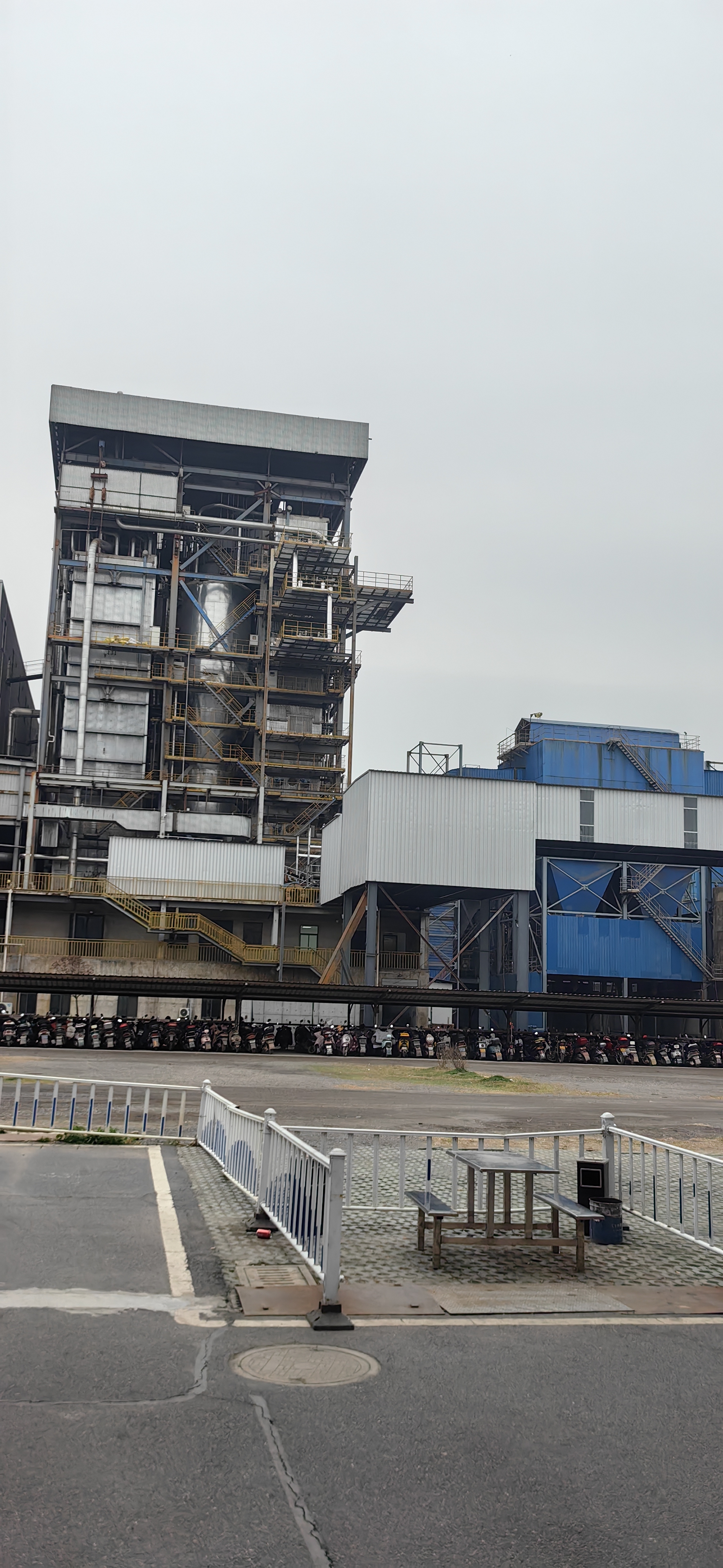
Temperature uniformity is critical to the performance and longevity of any thermal processing system. A circulating fluidized bed achieves this through continuous material recirculation, which naturally distributes heat across the entire reactor volume. This mechanism prevents hot spots, reduces thermal stress on equipment, and ensures consistent output whether the application involves power generation, waste incineration, or chemical processing. Understanding how uniform temperature develops in a fluidized bed combustion technology system reveals why this approach has become the preferred choice for large-scale industrial operations.
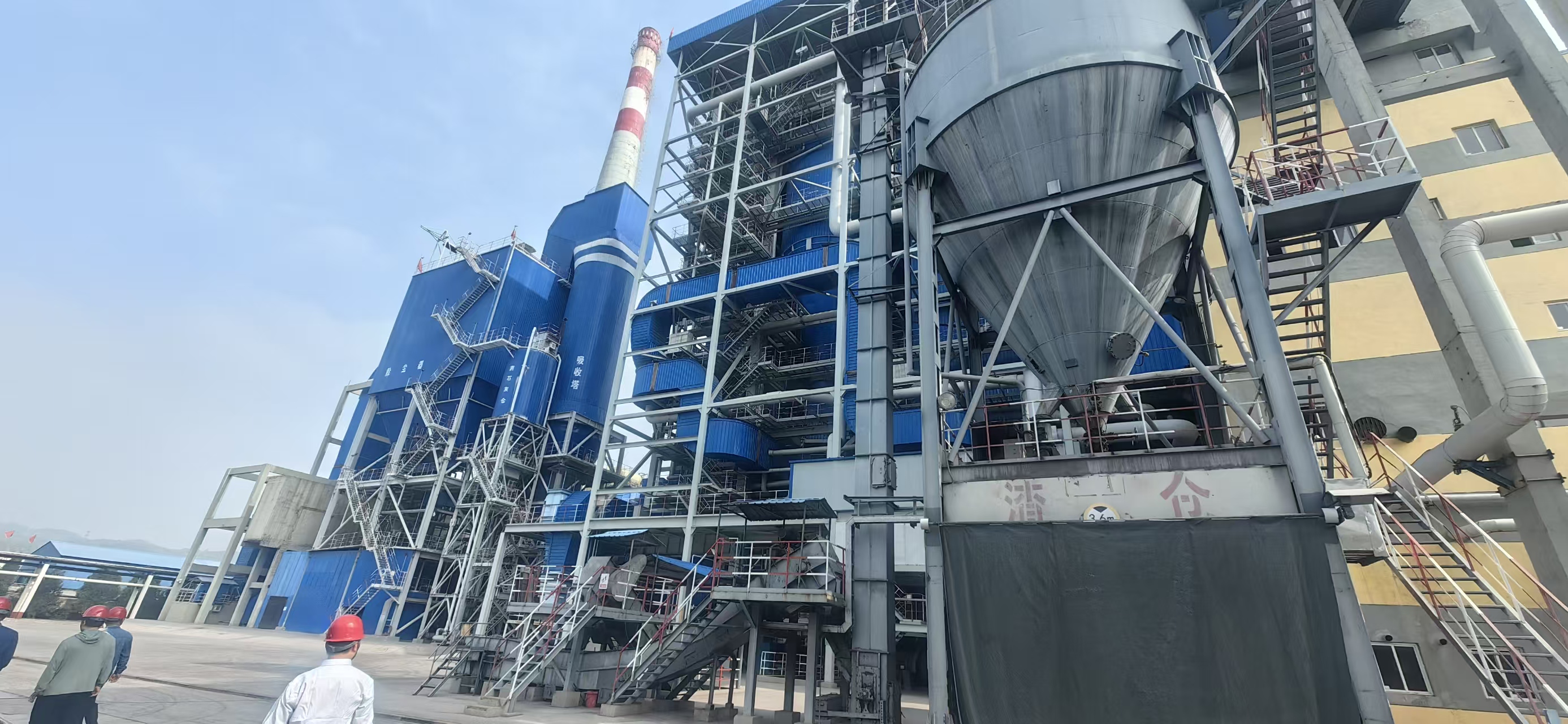
Circulating fluidized bed boiler design incorporates multiple control strategies to maintain precise temperature distribution. The upward gas flow suspends particles in the furnace, creating turbulent mixing that eliminates stratification. Simultaneously, the cyclone separator extracts particles from the exit gas and returns them to the furnace base through a standpipe or loop seal, establishing a continuous circulation loop. This constant movement of solids ensures that every region of the reactor experiences fresh fuel particles and uniform thermal contact with the combustion gas, delivering the stable operating conditions that industrial operators demand.
How Recirculation Drives Temperature Uniformity
The Circulation Mechanism in Fluidized Bed Reactor Applications
The core principle of fluidized bed reactor applications relies on continuous recirculation. Hot particles exit the main combustion chamber and enter a cyclone where centrifugal force separates solids from gas. These particles then travel through the return leg, or J-tube, back into the lower furnace where they rejoin the fluidized medium. This rapid cycling of solids—occurring multiple times per second—creates an effective mixing action comparable to a giant blender operating at industrial scale.
Temperature differences between regions diminish because particles arriving from the cyclone carry thermal energy and mix immediately with incoming fuel and air. The continuous replenishment of hot material prevents any localized cooling zones, and fresh fuel introduced at the base finds itself surrounded by pre-heated solids already at combustion temperature. In fluidized bed combustion technology systems, this recirculation rate and particle residence time are both carefully tuned to match fuel type, moisture content, and desired outlet temperature.
Bed Temperature Control Through Inventory Management
Operators manage overall bed temperature by adjusting the total particle inventory within the circulating fluidized bed system. More solids increase thermal mass and improve temperature stability; fewer solids allow faster response to changing load conditions. The standpipe or J-tube height directly influences how many particles reside in the circulation loop at any moment. Modern circulating fluidized bed boiler design incorporates instrumentation to monitor solids level, flow rate, and density, giving operators real-time control over the thermal response characteristics of the bed.
Gas and Solids Distribution for Consistent Heat
Air Injection and Combustion Gas Flow Patterns
Combustion air enters the furnace at the base through a series of carefully positioned nozzles that distribute airflow across the entire cross-sectional area. This distributed injection prevents channeling—where air finds a preferential path and leaves dead zones—ensuring that oxygen reaches all regions where fuel particles reside. The upward velocity of the combustion gas must remain high enough to suspend particles but not so high that it prevents adequate residence time for complete combustion. In fluidized bed reactor applications, this balance determines both emission performance and thermal efficiency.
The furnace diameter and height influence the gas velocity profile and particle settling patterns. Wider furnaces promote lateral mixing and reduce vertical temperature gradients, while adequate height ensures complete fuel burn-out and uniform temperature stratification from bottom to top. Circulating fluidized bed boiler design employs furnace geometry optimization to achieve the most uniform temperature field possible, reducing heat transfer rates to specific zones and minimizing equipment stress.
Solids Distribution and Bed Density Profiles
Particle density varies throughout the furnace height in a circulating fluidized bed system. The lower furnace region features higher solids concentration where incoming particles are denser, while the upper region becomes progressively leaner as particles accelerate upward toward the cyclone. This natural density gradient means that lower regions run hotter due to increased solids-to-gas ratio, yet the continuous recirculation of cooler particles from the cyclone return leg moderates this effect. Fluidized bed combustion technology operators understand that maintaining proper solids density distribution is essential for temperature uniformity.
Thermal Feedback and Control Systems
Temperature Monitoring and Automated Adjustment
Modern circulating fluidized bed installations employ multiple thermocouples positioned at various heights and horizontal locations to capture the actual temperature distribution. Feedback from these sensors allows automatic adjustment of fuel feed rate, air supply, and auxiliary heating or cooling systems. If upper regions run cooler than lower regions, fuel feed increases; if temperatures become too uniform in ways that reduce efficiency, the system adjusts gas flow or recirculation rate. This closed-loop control transforms temperature uniformity from a passive design feature into an actively maintained operating condition.
Circulating fluidized bed boiler design incorporates multiple control valves and variable-frequency drives that respond to temperature readings within milliseconds. The system learns the thermal response time of the fluidized bed reactor applications being run and compensates proactively rather than reactively. Operators can set target temperature setpoints, and the automation maintains them even as fuel properties, moisture content, or load demands shift.
Solids Flow Control and Return Rate Optimization
The rate at which particles return from the cyclone through the standpipe directly influences how much thermal mass recirculates and how quickly fresh particles arrive at the combustion zone. By adjusting the return flow rate—through valve positioning or loop seal air injection—operators fine-tune the balance between temperature stability and dynamic response. Higher return rates deliver more thermal buffering but slower load-following capability; lower rates allow quicker temperature changes but reduce stability. Fluidized bed combustion technology systems require this deliberate tuning to achieve both uniform temperatures and reliable performance across varying operating conditions.
FAQ
Why does a circulating fluidized bed maintain more uniform temperature than a fixed-bed system?
Fixed beds allow combustion products to form stratified layers, with hottest gases at the top escaping before transferring heat to cooler fuel below. A circulating fluidized bed continuously mixes solids and gas, preventing stratification and ensuring every particle experiences similar thermal conditions. The recirculation of hot material from the cyclone back into the furnace base supplies constant thermal energy that equilibrates temperature across the entire vessel. This active mixing makes uniform temperature achievable rather than reliant on diffusion alone.
How does particle size distribution affect temperature uniformity in fluidized bed reactor applications?
Finer particles suspend more readily and distribute throughout the furnace volume, contributing to even heat distribution. Coarser particles settle faster and concentrate in lower regions, which can create temperature gradients. Industrial circulating fluidized bed boiler design typically targets a narrow particle size range to ensure consistent suspension and mixing behavior. Cyclone efficiency and upstream fuel preparation both influence the final particle size distribution reaching the combustion zone.
Can operator adjustments improve temperature uniformity in an existing circulating fluidized bed boiler design?
Yes, several operational parameters can enhance temperature uniformity without hardware modification. Adjusting air distribution between different elevations, tuning solids return flow rate, optimizing fuel feed distribution across the furnace cross-section, and calibrating control system setpoints all influence temperature uniformity. Regular monitoring of thermocouples and responsiveness to small temperature deviations allow skilled operators to maintain exceptionally uniform temperatures in an established fluidized bed combustion technology installation. Routine maintenance of cyclones and return legs also preserves the uniformity that design originally provided.
Table of Contents
- How Recirculation Drives Temperature Uniformity
- Gas and Solids Distribution for Consistent Heat
- Thermal Feedback and Control Systems
-
FAQ
- Why does a circulating fluidized bed maintain more uniform temperature than a fixed-bed system?
- How does particle size distribution affect temperature uniformity in fluidized bed reactor applications?
- Can operator adjustments improve temperature uniformity in an existing circulating fluidized bed boiler design?

