biomass heating
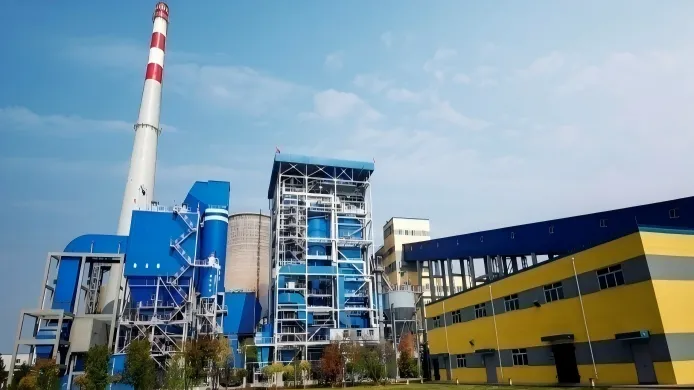
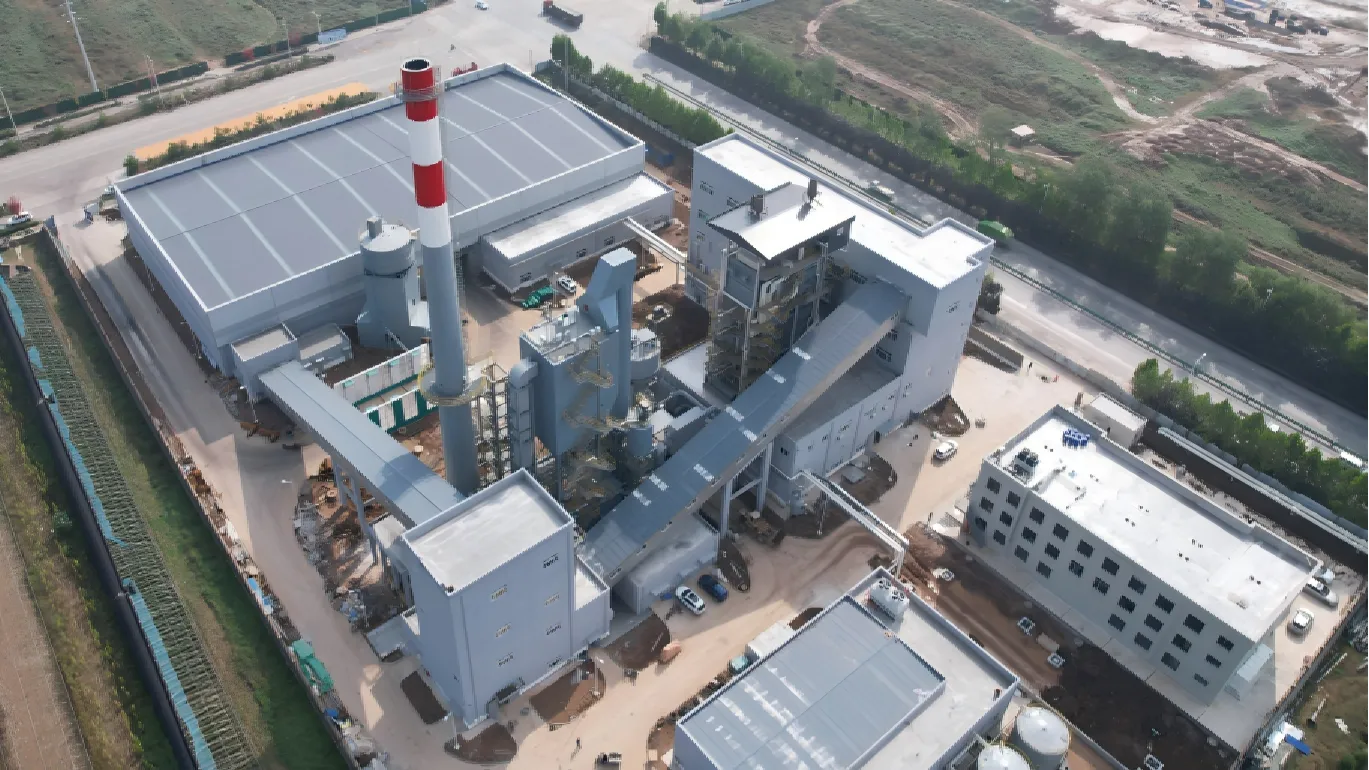
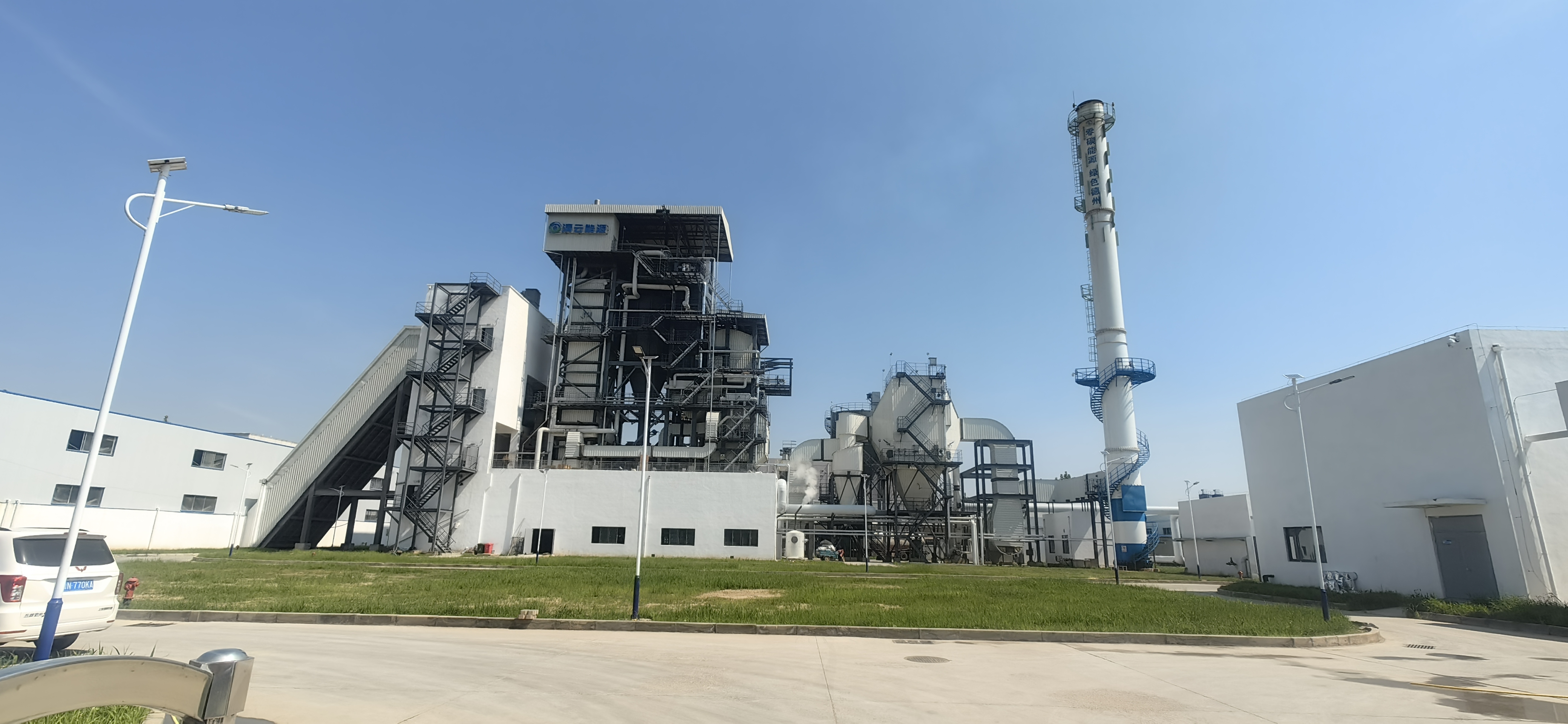
Biomass heating represents a sustainable and efficient energy solution that harnesses renewable organic materials to generate heat for residential, commercial, and industrial applications. This heating system converts biomass fuels such as wood pellets, wood chips, agricultural residues, and other organic matter into thermal energy through controlled combustion processes. Biomass heating operates by burning these renewable materials in specialized boilers or stoves, releasing heat that warms water or air for distribution throughout buildings.
The primary function of biomass heating is to provide reliable warmth while reducing dependence on fossil fuels and minimizing environmental impact. Modern biomass heating systems feature advanced combustion technology, automatic fuel feeding mechanisms, and sophisticated emission control systems that ensure clean and efficient operation. These systems maintain consistent temperature levels and can integrate seamlessly with existing heating infrastructure.
Technologically, biomass heating incorporates automated ignition systems, programmable thermostats, and intelligent ash management features that enhance convenience and performance. The systems utilize high-efficiency heat exchangers to maximize energy transfer from fuel to usable heat. Safety mechanisms including overheat protection and pressure relief valves ensure secure operation.
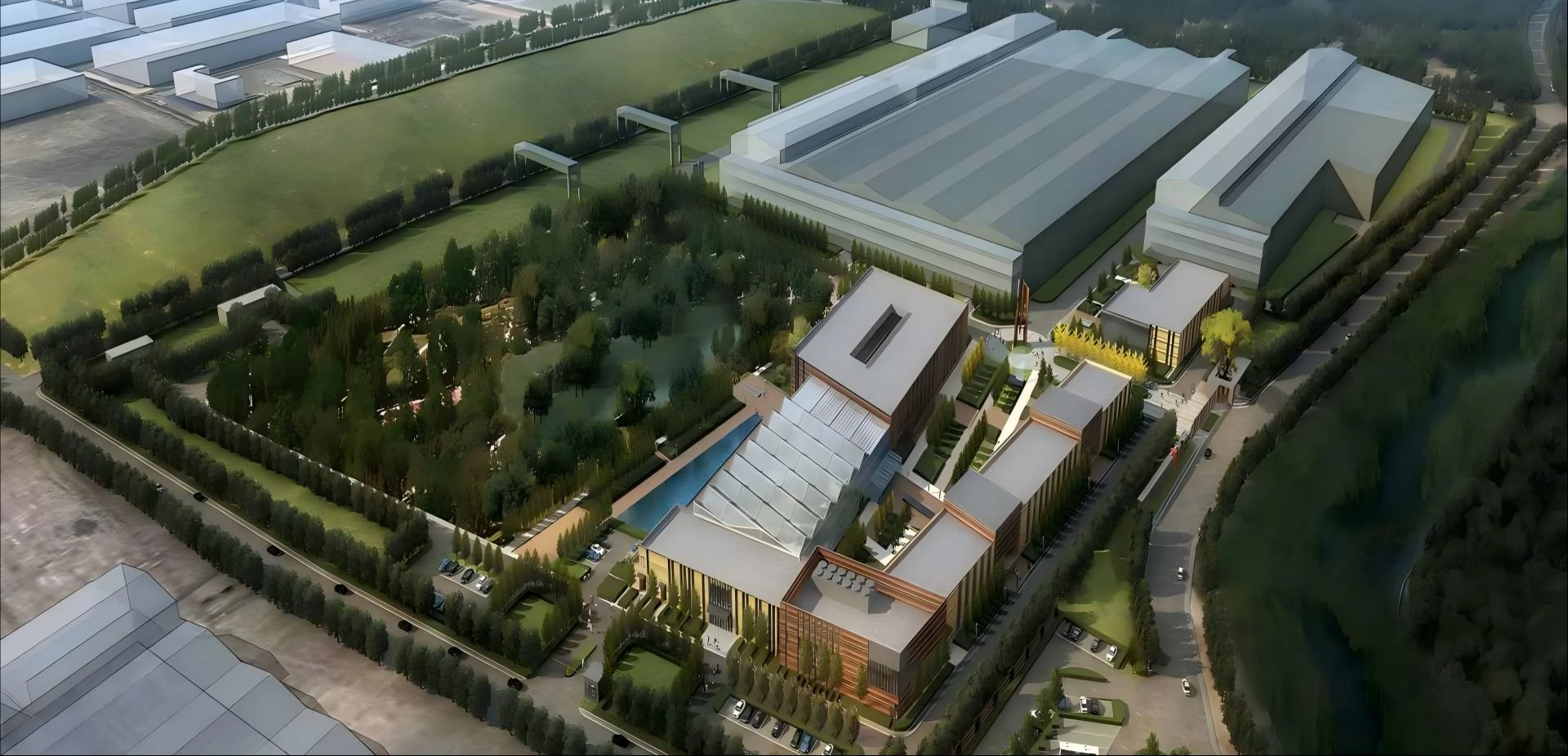
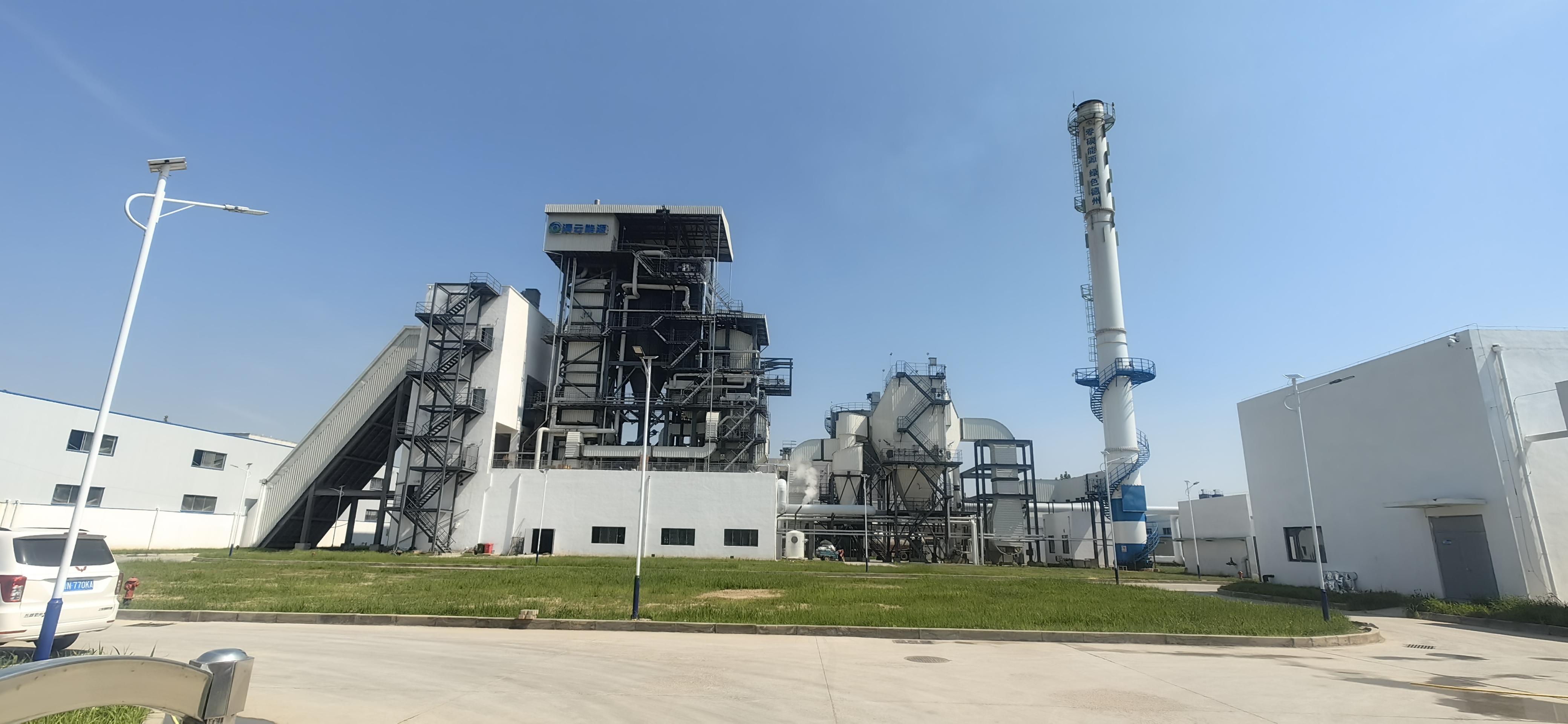
Applications for biomass heating span diverse sectors. Residential properties utilize biomass heating for whole-house warmth, while commercial facilities and industrial plants leverage this technology for large-scale heating demands. Agricultural operations, forestry businesses, and manufacturing facilities find biomass heating particularly advantageous due to readily available waste materials. Educational institutions, healthcare facilities, and hospitality businesses increasingly adopt biomass heating to achieve sustainability goals while maintaining operational efficiency and cost-effectiveness.

 EN