
 EN


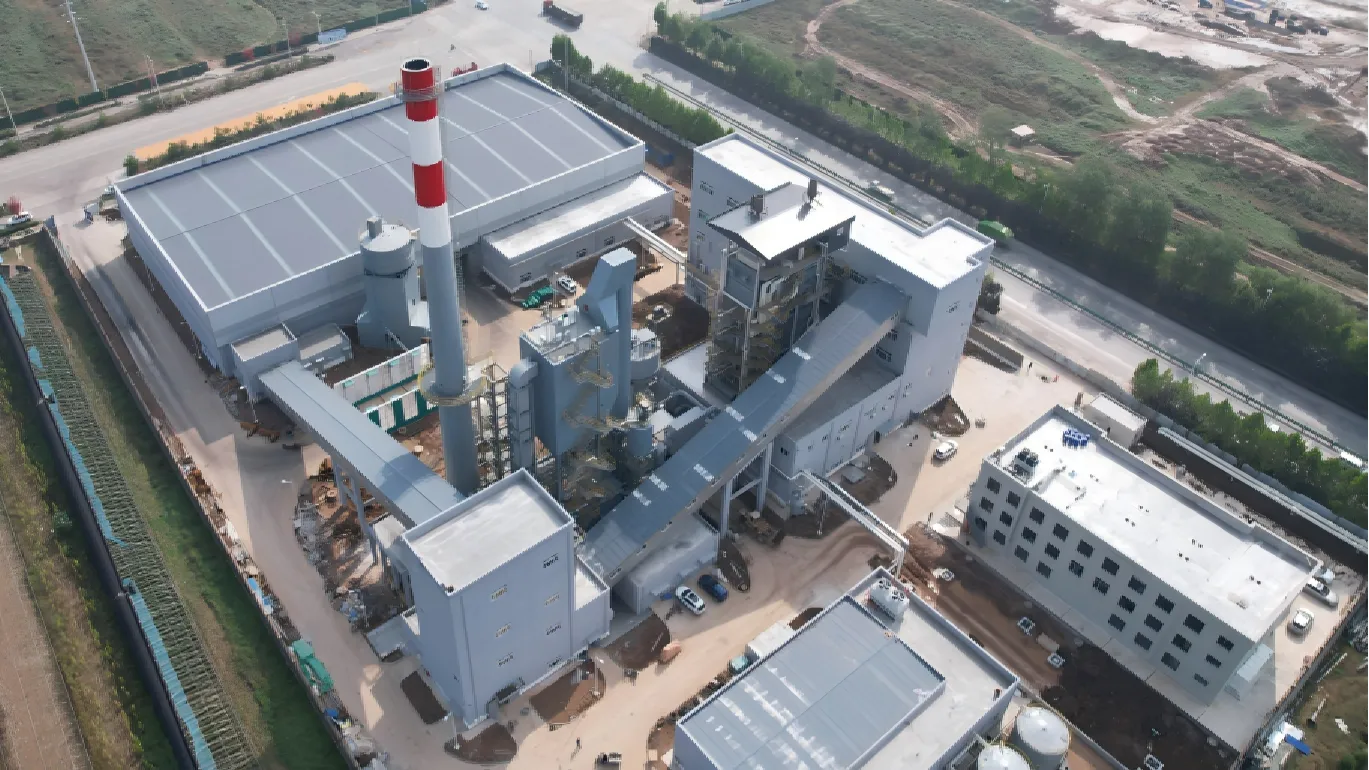
The circulating fluidized bed represents a transformative approach to combustion optimization in industrial power generation. Unlike traditional fixed-bed systems, this technology maintains fuel particles in continuous suspension within the combustion chamber, enabling precise control over residence time and thermal efficiency. Understanding how a circulating fluidized bed optimizes combustion residence time is essential for energy professionals seeking to maximize fuel utilization and minimize emissions across diverse fuel types and operating conditions.
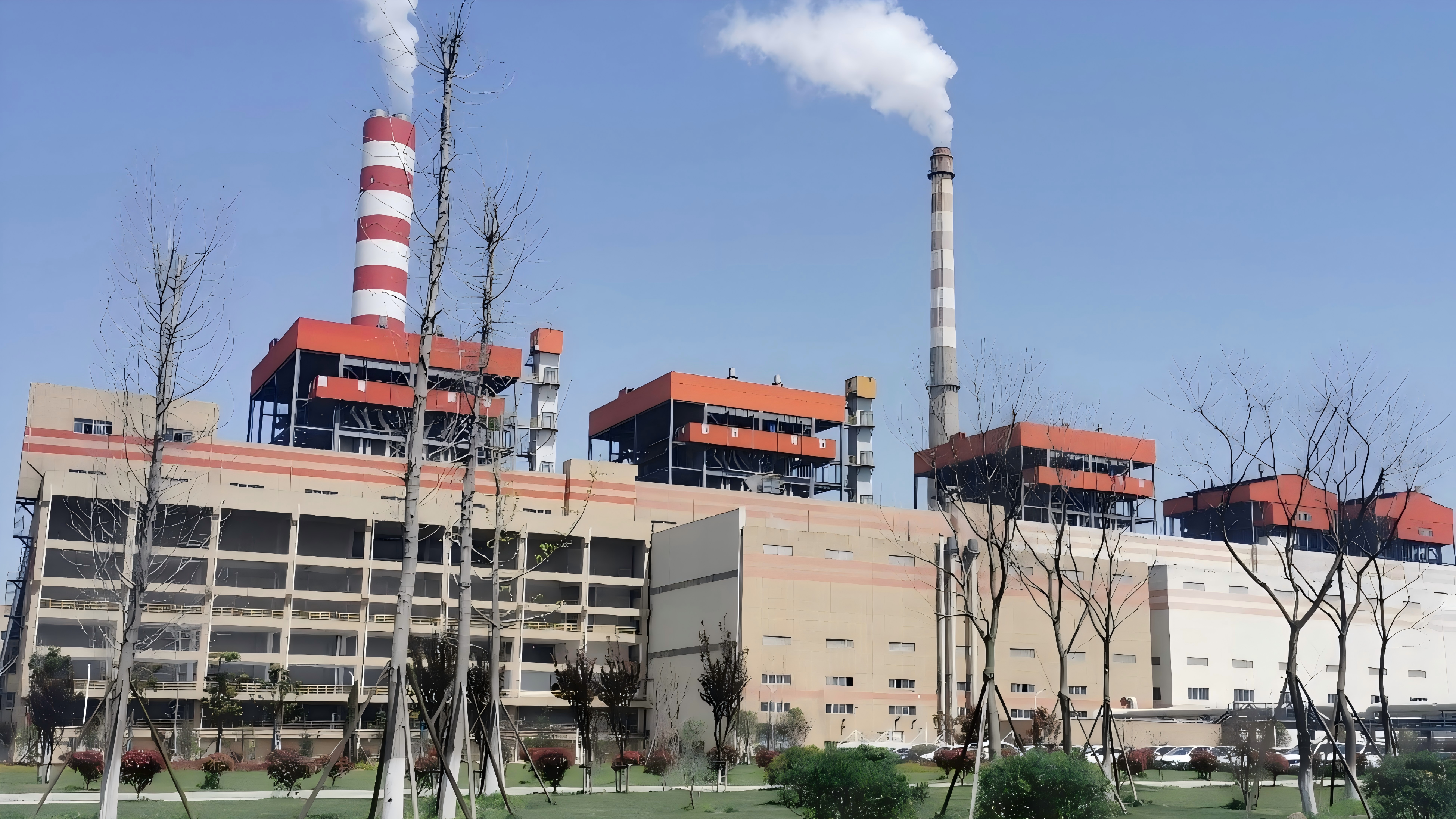
Residence time in combustion systems directly determines fuel burnout efficiency and pollutant formation rates. The circulating fluidized bed design achieves extended residence time through a unique circulation mechanism where combustion gases carry suspended solids upward through the furnace, then cyclones separate and return solids to the lower combustion zone. This continuous recirculation allows each fuel particle multiple exposure cycles to optimal combustion temperatures, dramatically improving CFB boiler efficiency compared to conventional technologies.
Mechanism of Residence Time Control in Fluidized Bed Systems
Core Circulation Dynamics
The fluidized bed combustion technology operates by suspending fuel particles in a stream of air flowing upward through the combustion zone. Air velocity in a circulating fluidized bed is carefully calibrated to maintain solids suspension without excessive elutriation. When velocity exceeds the saltation point, particles rise with the exhaust gases toward cyclone separators. These cyclones extract up to ninety-five percent of suspended solids and return them to the furnace base, where they re-enter the combustion zone. This recirculation mechanism extends effective residence time far beyond what single-pass systems achieve, enabling thorough fuel oxidation even with challenging fuel types including coal, biomass, and waste-derived fuels.
Temperature Distribution and Particle Behavior
In CFB boiler efficiency optimization, temperature uniformity throughout the combustion zone prevents hotspots and ensures consistent combustion kinetics. Typical operating temperatures range from 800 to 950 degrees Celsius, at which most fuel volatilizes and chars combust effectively. The suspended particle bed acts as a thermal flywheel, absorbing heat from combustion reactions and distributing it evenly across the furnace cross-section. Smaller particles achieve faster combustion due to increased surface area exposure, while larger fragments remain suspended longer for continued oxidation. This multiparticle residence time distribution naturally accommodates fuel size variability without requiring sophisticated fuel preprocessing.
Impact on Fuel Combustion Completeness
Enhanced Burnout Characteristics
Fluidized bed combustion technology achieves carbon burnout rates exceeding ninety-eight percent under optimized operating conditions. The extended residence time provided by circulating fluidized bed systems allows volatile matter to release completely and char particles to oxidize fully before exiting the furnace. Traditional fixed grates limit residence time to seconds, whereas circulating systems extend effective contact time to thirty to sixty seconds or longer depending on operating parameters. This extended exposure time proves particularly valuable when processing low-reactivity fuels like anthracite coal or high-ash materials where oxidation kinetics proceed more slowly. The ability to maintain these extended residence times while preserving high heat release rates makes CFB technology ideal for applications requiring both efficiency and fuel flexibility.
Emission Control Through Residence Time Management
Residence time optimization directly influences pollutant formation mechanisms in circulating fluidized bed gasification and combustion applications. Extended time at moderate combustion temperatures suppresses thermal NOx formation compared to high-temperature point flames in conventional boilers. Circulating fluidized bed systems maintain more uniform temperature distributions, naturally limiting peak temperatures that drive nitrogen oxide synthesis. Sulfur dioxide capture through sorbent injection occurs more effectively in the lower-temperature, longer-residence-time environment typical of CFB boiler efficiency designs. Unburned carbon content in ash decreases substantially as residence time increases, improving both environmental compliance and heat recovery from fly ash recycling.
Operational Parameters Governing Residence Time Optimization
Superficial Gas Velocity and Circulation Rate
The superficial gas velocity through the combustion zone fundamentally controls particle residence time in a circulating fluidized bed system. Increasing velocity accelerates particle transport toward cyclone separators but also increases elutriation, potentially reducing the recirculation mass flow. The optimal velocity window balances these competing effects to maximize the mass of solids retained in active combustion zones. Typical superficial velocities range from four to eight meters per second, substantially higher than minimum fluidization velocity but carefully controlled to maintain effective residence time. Operators adjust velocity dynamically to accommodate fuel moisture variations, ash content changes, and combustion intensity requirements.
Cyclone Performance and Solids Return
Cyclone separator efficiency directly determines the circulating solids flow rate and hence the effective residence time in CFB boiler efficiency systems. High-efficiency cyclones capable of separating particles down to fifteen to twenty-five micrometers ensure that combustible fines return to the combustion zone rather than exiting as fly ash. The solids return rate, measured in kilograms per second, typically ranges from two to five times the fuel feed rate, meaning each fuel particle circulates multiple times before achieving complete oxidation. Secondary cyclones and advanced separation technologies further enhance recovery of fine particles, extending residence time for marginal fuel fractions. This multi-stage approach to solids recovery maximizes the benefit of fluidized bed combustion technology investments.
Industrial Application Benefits
Fuel Flexibility and Marginal Fuel Utilization
Circulating fluidized bed systems excel at combusting fuels that challenge conventional technologies due to their extended residence time and flexible operating window. Low-rank coals with high moisture and volatile matter content achieve acceptable combustion efficiency in CFB environments where traditional stoker grates would experience incomplete burnout. Agricultural residues, municipal waste, and industrial byproducts that vary significantly in size, composition, and reactivity become economically viable fuels in fluidized bed combustion technology systems. The ability to handle such diverse feed materials while maintaining high carbon burnout and reasonable emissions represents a substantial competitive advantage over fixed-grate and suspension-fired alternatives.
Economic and Environmental Performance
Extended residence time translates directly into lower operating costs and improved environmental performance for facilities deploying circulating fluidized bed gasification and combustion solutions. Higher fuel combustion efficiency means greater energy output per ton of fuel consumed, directly improving plant heat rate and profitability. Reduced unburned carbon and lower emissions support compliance with increasingly stringent environmental regulations without expensive add-on pollution control equipment. The flexibility to process lower-cost marginal fuels while maintaining efficiency creates additional economic value. These combined benefits explain why CFB boiler efficiency technology continues gaining adoption in power generation, district heating, and industrial steam applications globally despite higher capital costs relative to conventional alternatives.
FAQ
How does residence time affect carbon conversion in circulating fluidized beds?
Carbon conversion efficiency increases substantially with residence time in circulating fluidized bed systems because fuel particles require multiple exposure cycles to oxygen-rich combustion temperatures for complete oxidation. Residence times below twenty seconds typically yield unburned carbon losses of two to five percent, while extended residence times exceeding forty seconds can reduce losses below one percent. The relationship is non-linear because most fuel volatilizes and early-stage char burns quickly, leaving only the most refractory carbon fractions requiring extended contact time for complete oxidation in your circulating fluidized bed system.
What cyclone design parameters optimize solids circulation in CFB systems?
Cyclone diameter, inlet configuration, and separation efficiency directly determine the solids return rate and hence effective residence time in a circulating fluidized bed. Larger diameter cyclones reduce pressure drop and elutriation but sacrifice separation efficiency, while tight inlet designs maximize centrifugal acceleration but increase erosion risk. High-performance cyclones typically incorporate secondary separators, dip-leg extensions into the lower furnace, and optimized exit configurations to minimize fine particle loss. Selecting cyclone design appropriate for your fuel characteristics and target residence time represents a critical engineering decision for CFB boiler efficiency optimization.
Can residence time adjustment extend the service life of CFB equipment?
Yes, carefully managed residence time can extend equipment service life by reducing peak combustion temperatures and erosion rates in circulating fluidized bed installations. Lower superficial velocities decrease erosive particle impact forces on furnace walls and convective surfaces, extending refractory life and reducing maintenance frequency. Reduced peak temperatures lower metal creep rates in pressure parts and decrease corrosion propagation. Conversely, excessively long residence times may require larger cyclones and increased circulation, which can elevate energy consumption and fan sizing, creating engineering trade-offs requiring detailed analysis of your specific facility requirements and operational constraints.

