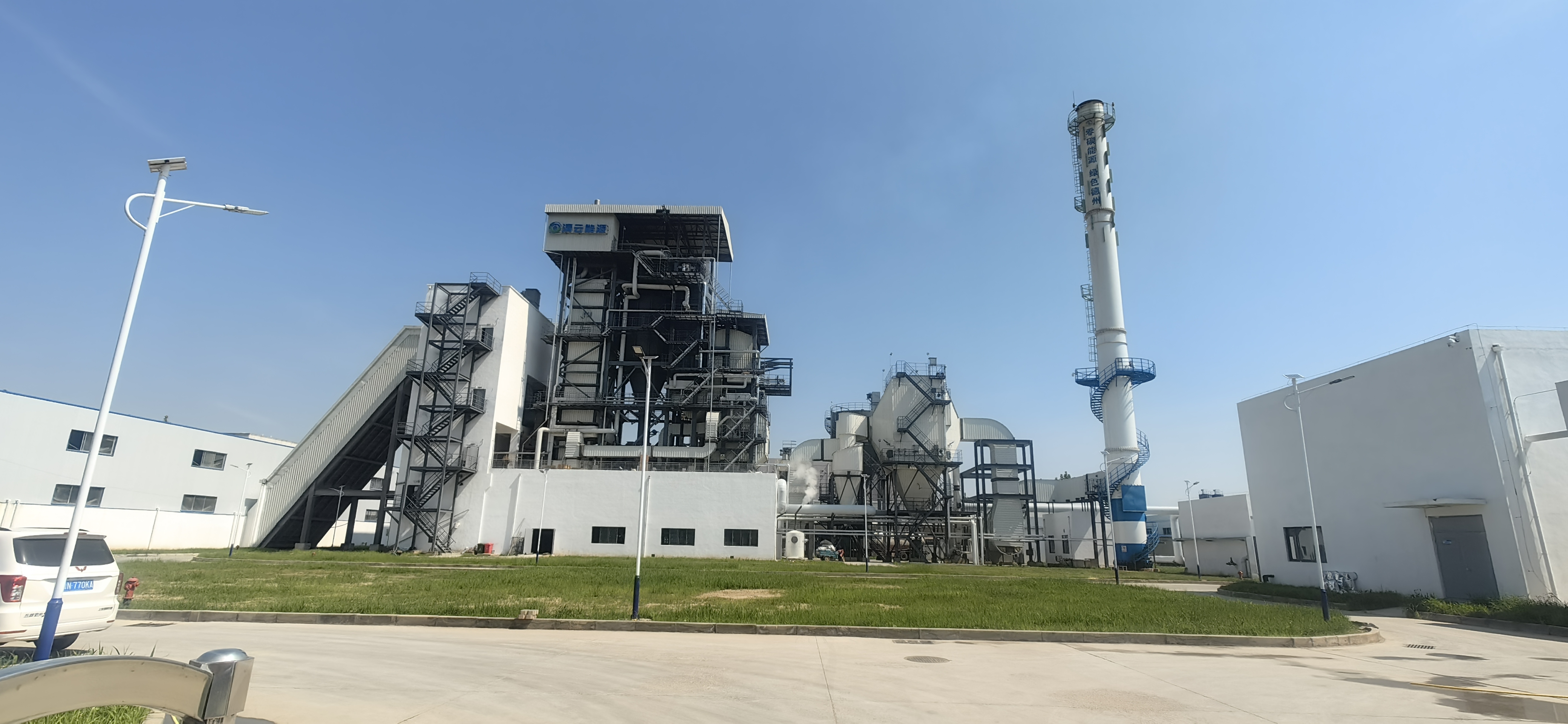
Biomass Boiler: Renewable Heating Solutions

Get a Free Quote

Our representative will contact you soon.
Email
Name
Company Name
Message
0/1000

biomass boiler

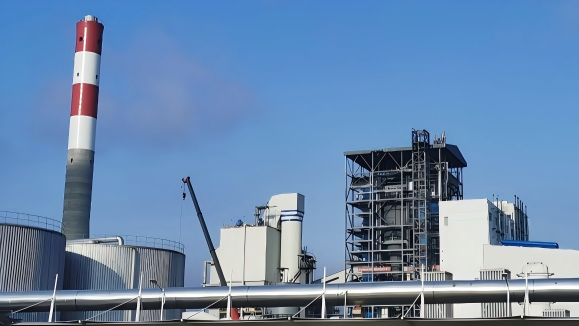
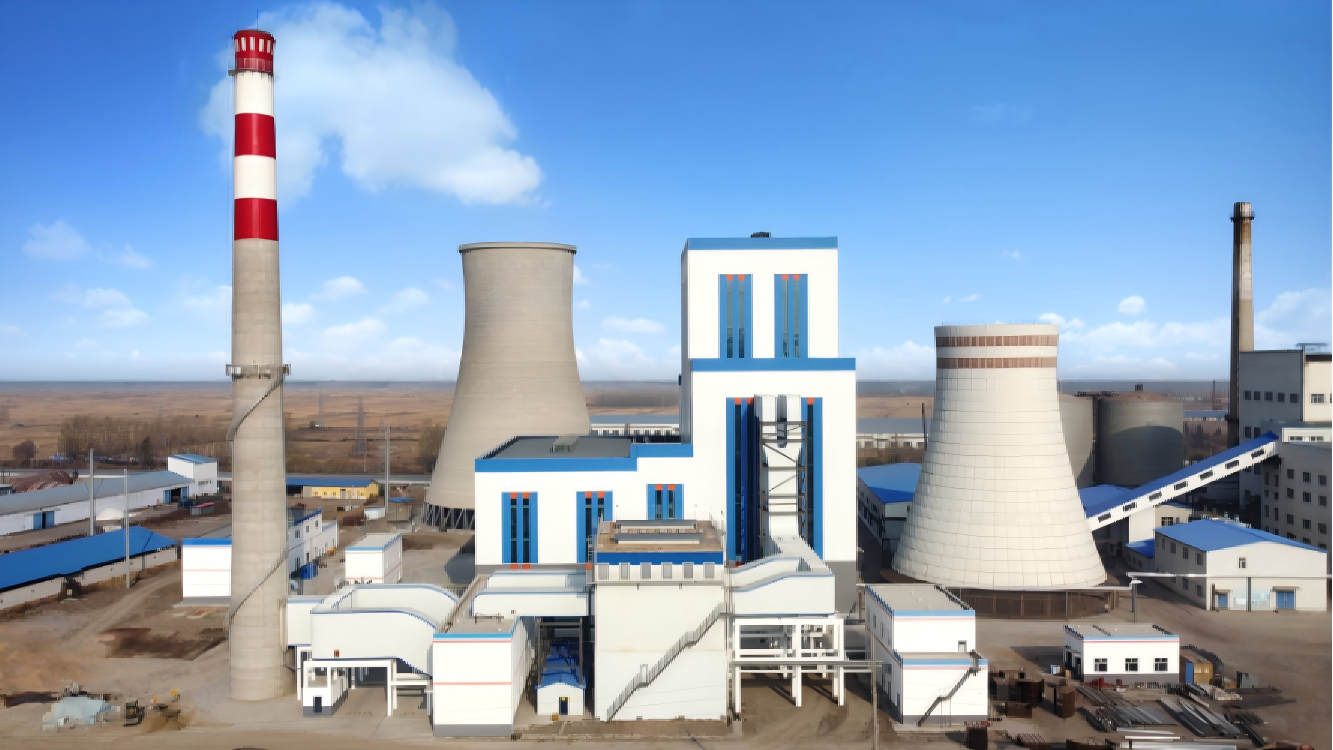
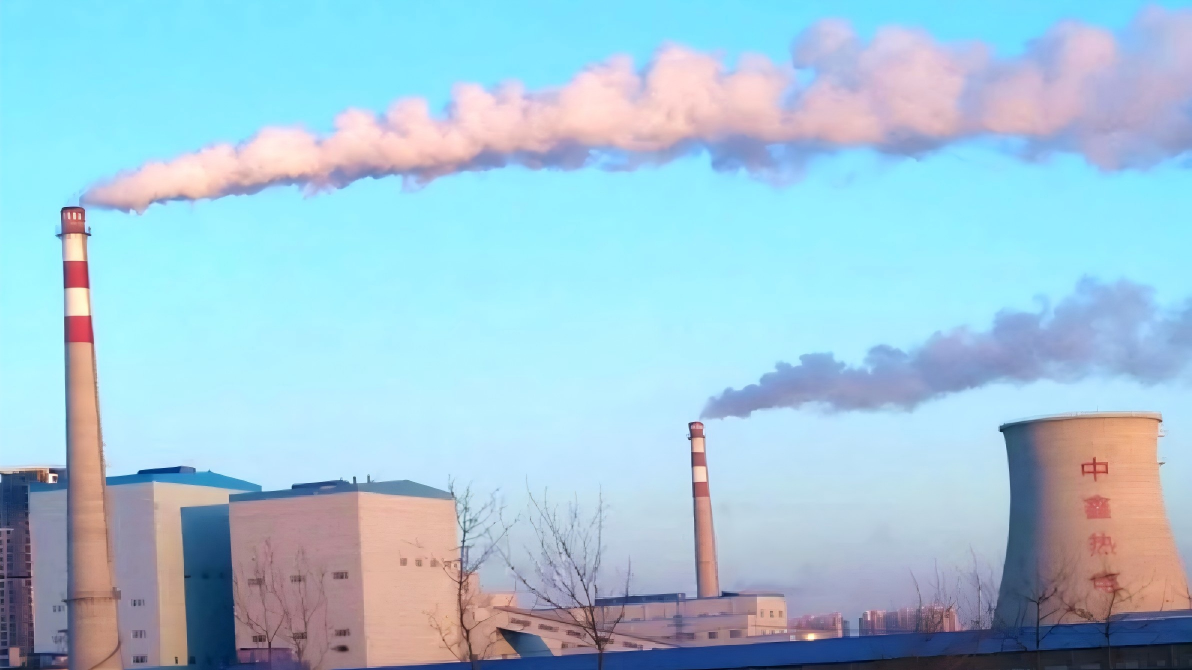
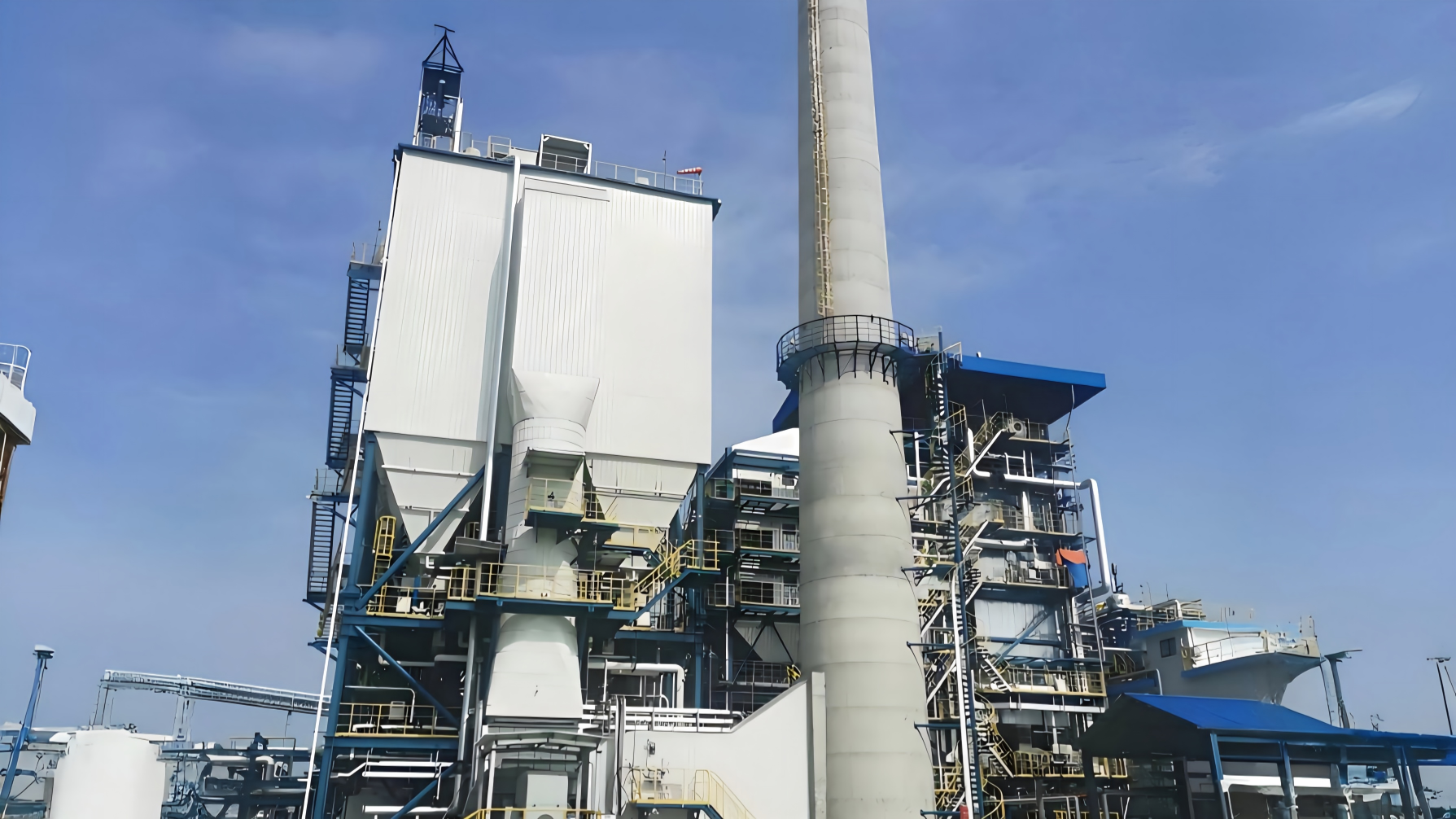
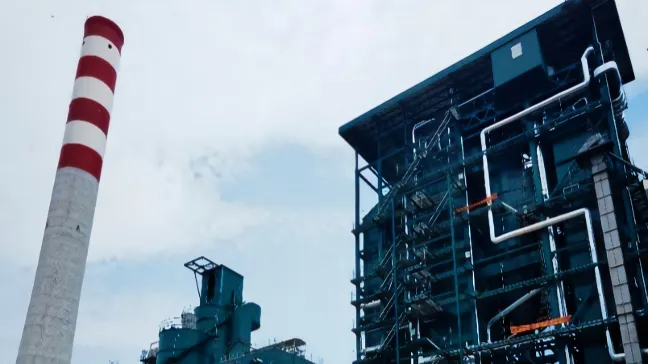
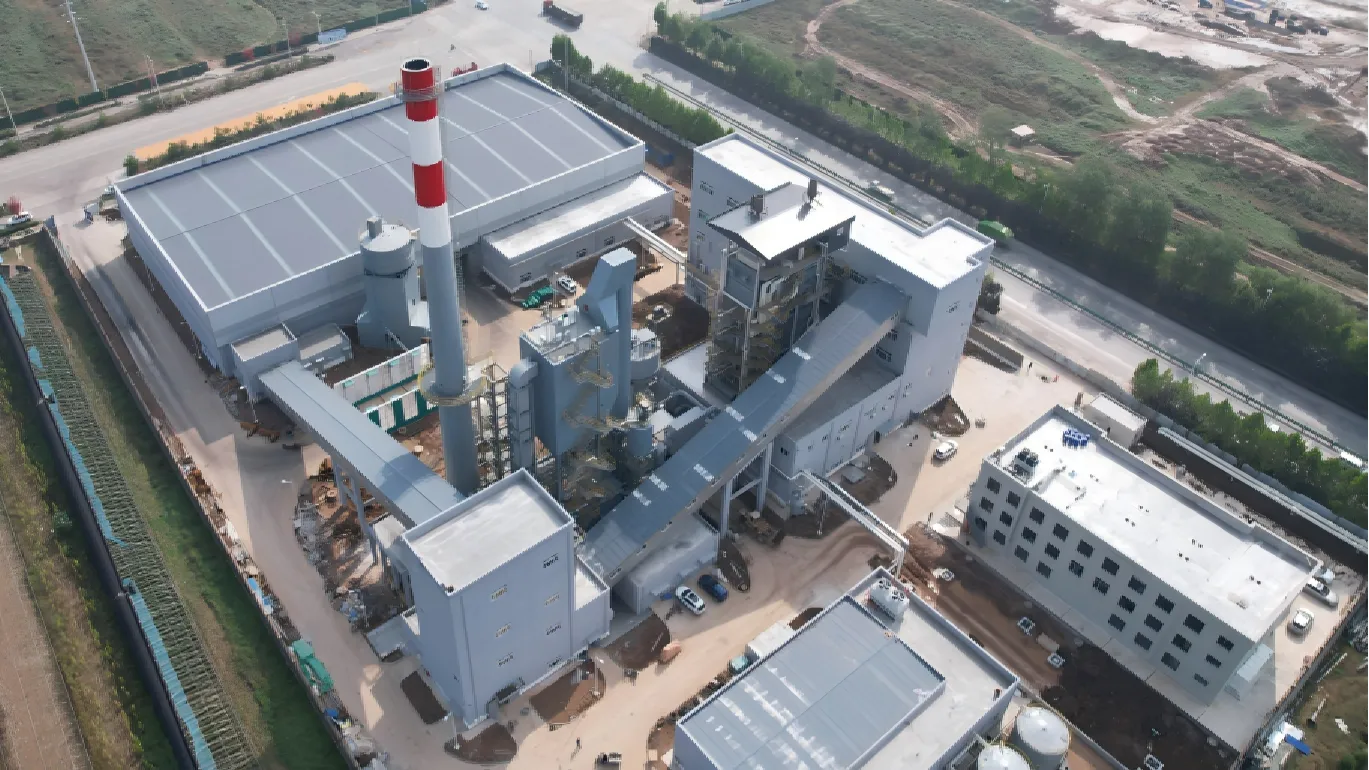
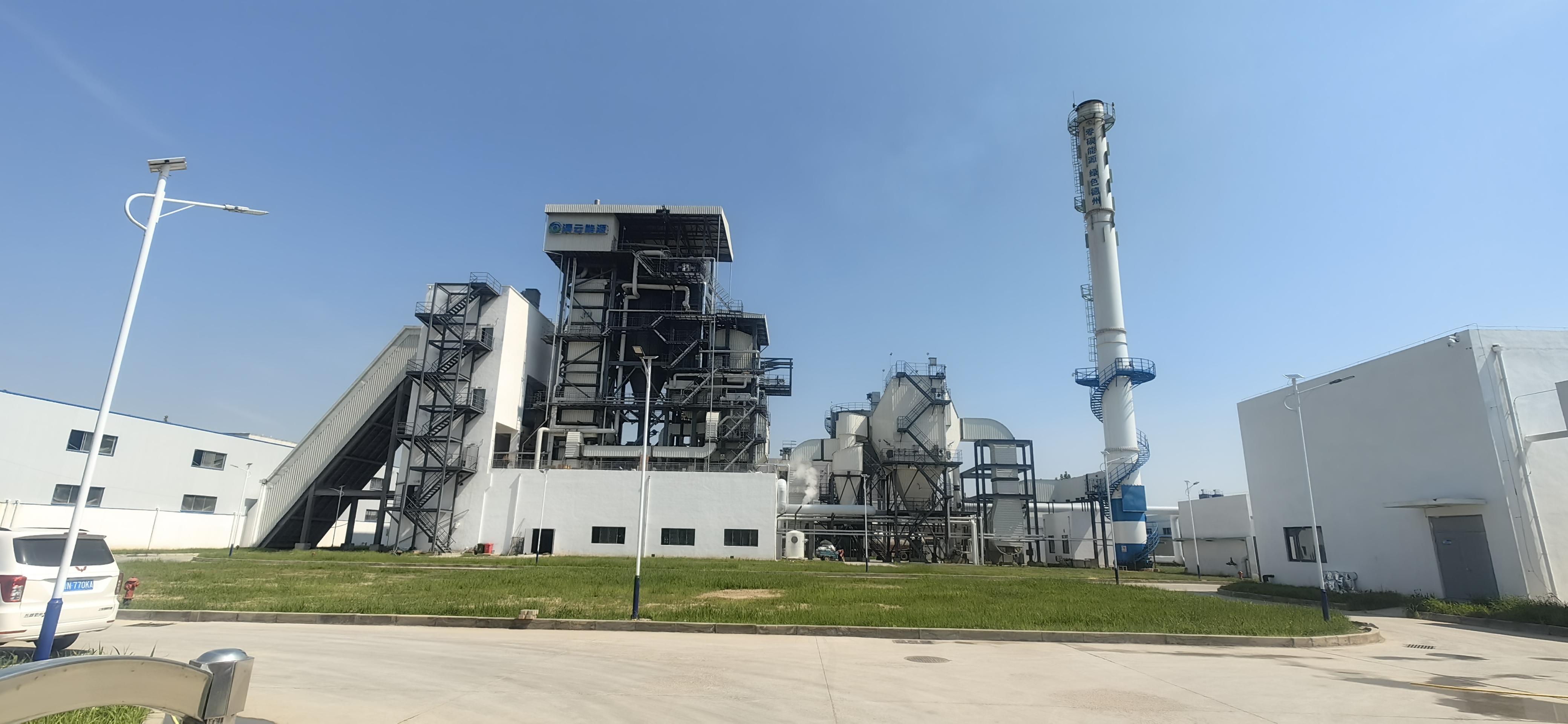
A biomass boiler is a heating system that burns organic materials such as wood pellets, wood chips, agricultural waste, and other renewable fuel sources to generate heat and hot water. This innovative technology represents a sustainable alternative to traditional fossil fuel boilers, offering businesses and homeowners an environmentally responsible heating solution. The biomass boiler operates by combusting biomass fuel in a controlled chamber, where the heat produced warms water circulating through a heat exchanger. This heated water then distributes warmth throughout buildings via radiators, underfloor heating systems, or domestic hot water pipes. Modern biomass boiler designs incorporate advanced combustion technology that maximizes fuel efficiency and minimizes emissions, making them compliant with stringent environmental regulations. The biomass boiler features automatic fuel feeding systems, temperature controls, and ash removal mechanisms that reduce manual intervention and operational demands. These systems integrate seamlessly with existing heating infrastructure, allowing straightforward installation in both new constructions and retrofit applications. The biomass boiler is particularly suited for properties with reliable access to biomass fuel supplies, including rural locations, agricultural facilities, and commercial establishments. By utilizing renewable organic materials, a biomass boiler significantly reduces dependence on fossil fuels while providing consistent, reliable heating performance. The technology continues to evolve, with manufacturers developing increasingly efficient models that deliver superior heat output while maintaining ecological sustainability.

Popular Products

Choosing a biomass boiler offers numerous practical benefits for customers seeking sustainable heating solutions. The primary advantage is substantial cost savings on energy expenses, as biomass fuel typically costs considerably less than natural gas or oil, directly reducing monthly heating bills. A biomass boiler provides long-term financial returns through lower operational costs and potential government incentives or subsidies available for renewable energy installations in many regions. Environmental benefits are significant, as biomass boiler systems utilize carbon-neutral renewable fuels, dramatically reducing household or business carbon footprints compared to conventional heating methods. The biomass boiler operates independently from fossil fuel supply chains, providing energy security and protection against volatile energy price fluctuations. Installation of a biomass boiler qualifies properties for renewable energy tax credits and grants, enhancing overall return on investment. The system's reliability ensures consistent heating performance throughout winter months without dependence on centralized energy grids. A biomass boiler requires minimal maintenance compared to oil boilers, with straightforward ash disposal and periodic cleaning as primary upkeep tasks. The heating system is highly compatible with properties featuring storage space for biomass fuel, making implementation practical for residential, agricultural, and commercial applications. The biomass boiler generates heat efficiently, achieving thermal efficiency rates exceeding 85 percent, maximizing fuel utilization. Beyond heating, some biomass boiler installations support hot water production, serving multiple building requirements simultaneously. This renewable heating technology demonstrates strong performance in off-grid applications where conventional heating infrastructure proves inaccessible or impractical.

Practical Tips

What makes fluidized bed combustion highly stable during low-load operation?

08

Oct

What makes fluidized bed combustion highly stable during low-load operation?

Fluidized bed combustion represents one of the most dependable thermal conversion technologies for industrial power generation and heat recovery applications. Unlike traditional grate-based combustion systems, fluidized bed combustion achieves except...
View More
Why is a circulating fluidized bed ideal for large-scale co-firing setups?

15

Oct

Why is a circulating fluidized bed ideal for large-scale co-firing setups?

Large-scale co-firing setups demand reliable, efficient combustion systems that can handle multiple fuel types simultaneously without compromising performance or environmental compliance. The circulating fluidized bed has become the preferred technol...
View More
How does a circulating fluidized bed optimize the combustion residence time?

22

Oct

How does a circulating fluidized bed optimize the combustion residence time?

The circulating fluidized bed represents a transformative approach to combustion optimization in industrial power generation. Unlike traditional fixed-bed systems, this technology maintains fuel particles in continuous suspension within the combustio...
View More
What prevents bed agglomeration inside a heavy-duty circulating fluidized bed?

29

Oct

What prevents bed agglomeration inside a heavy-duty circulating fluidized bed?

Bed agglomeration represents one of the most significant operational challenges in heavy-duty circulating fluidized bed systems, where fine particles and ash combine to form large, unfluidizable clusters that compromise combustion efficiency and equi...
View More

Get a Free Quote

Our representative will contact you soon.
Email
Name
Company Name
Message
0/1000

biomass boiler

Renewable Energy Independence with Biomass Boiler Technology

Renewable Energy Independence with Biomass Boiler Technology

A biomass boiler delivers genuine energy independence by utilizing sustainably sourced organic materials instead of finite fossil fuel reserves. This renewable heating approach eliminates reliance on external energy providers and insulates property owners from unpredictable energy market fluctuations. The biomass boiler burns locally available fuel sources, strengthening community resilience while supporting regional agricultural and forestry sectors. By operating independently from centralized utility grids, a biomass boiler guarantees uninterrupted heating capability during grid outages or supply disruptions. Property owners can build strategic fuel reserves, ensuring year-round heating reliability regardless of external market conditions. The biomass boiler technology represents genuine energy security, allowing customers to control their heating destiny through renewable resource management. This independence creates substantial long-term value for rural properties, farms, and businesses positioned to access consistent biomass fuel supplies locally.
Exceptional Cost Efficiency and Financial Performance

Exceptional Cost Efficiency and Financial Performance

A biomass boiler delivers remarkable financial advantages through significantly reduced heating costs compared to traditional energy sources. Biomass fuel expenses typically represent 40-60 percent of equivalent heating costs using natural gas or heating oil, creating immediate operational savings. The biomass boiler investment qualifies for government tax credits, renewable energy subsidies, and performance-based incentive programs in numerous jurisdictions. Property owners enjoy payback periods typically ranging from 5-8 years, followed by decades of substantially reduced heating expenses. The biomass boiler's efficient combustion process maximizes heat extraction from fuel, ensuring minimal energy waste. Long-term ownership costs decrease significantly as fuel expenses remain relatively stable, protected from volatile fossil fuel market pressures. Installation of a biomass boiler increases property values substantially, with buyers recognizing the heating system's economic and environmental advantages.
Environmental Sustainability and Carbon Reduction Benefits

Environmental Sustainability and Carbon Reduction Benefits

Implementing a biomass boiler represents a powerful commitment to environmental stewardship through carbon-neutral renewable heating. The biomass boiler burns organic materials that capture atmospheric carbon during growth cycles, achieving genuine carbon neutrality when sustainably harvested. This heating technology reduces greenhouse gas emissions by 80-90 percent compared to conventional fossil fuel boilers. A biomass boiler supports climate change mitigation efforts while maintaining complete heating functionality and reliability. The combustion process produces minimal atmospheric pollutants, improving local air quality and supporting community health. By selecting a biomass boiler, customers actively participate in circular economy principles, utilizing agricultural and forestry byproducts that would otherwise decompose or face disposal challenges. This renewable heating system demonstrates environmental responsibility while delivering superior heating performance, proving that ecological sustainability and practical functionality achieve perfect alignment.

Get a Free Quote

Our representative will contact you soon.
Email
Name
Company Name
Message
0/1000
email goToTop