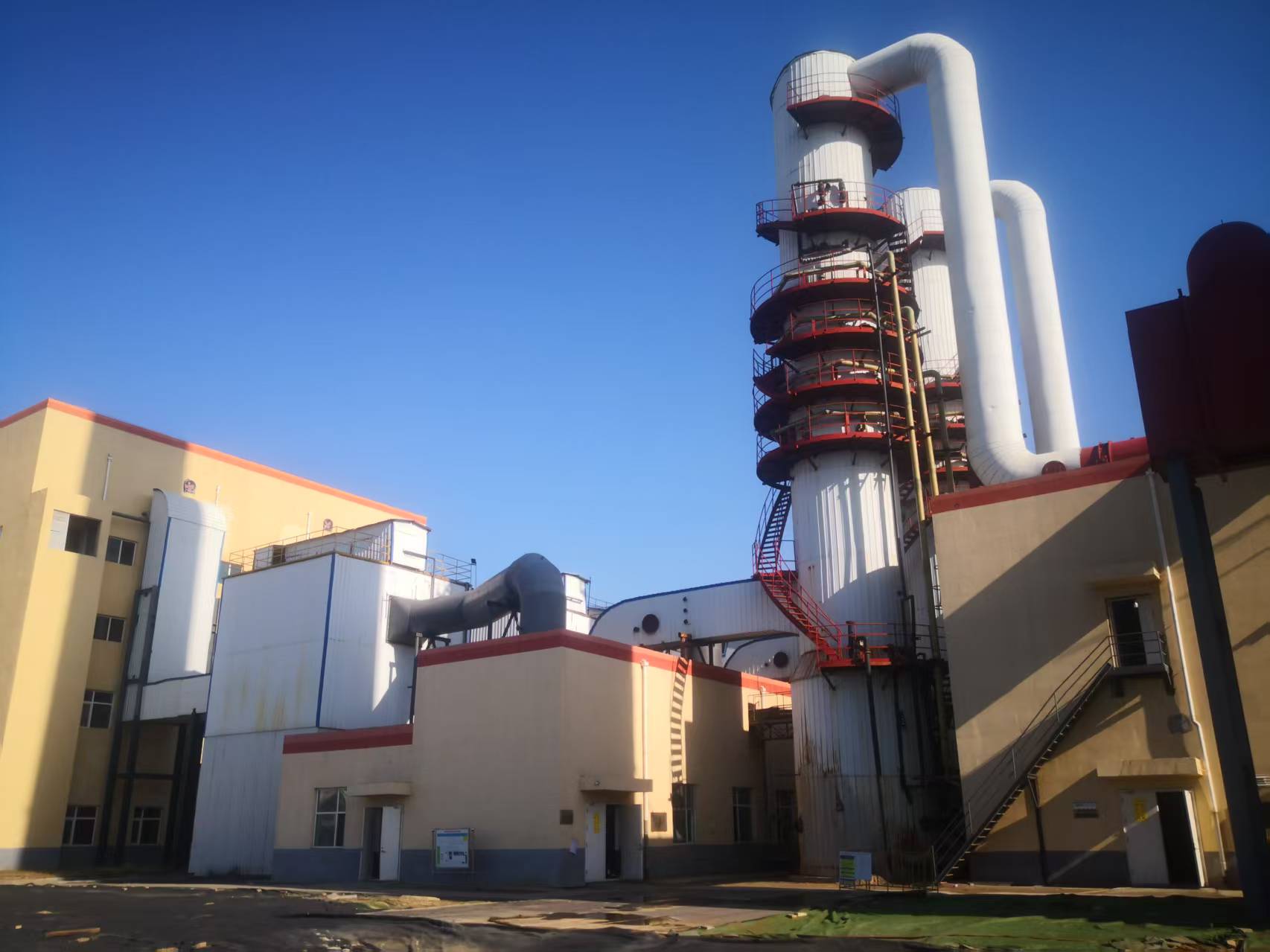
cFB boiler
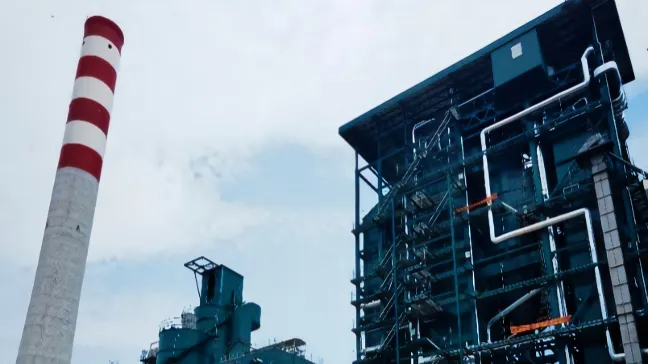
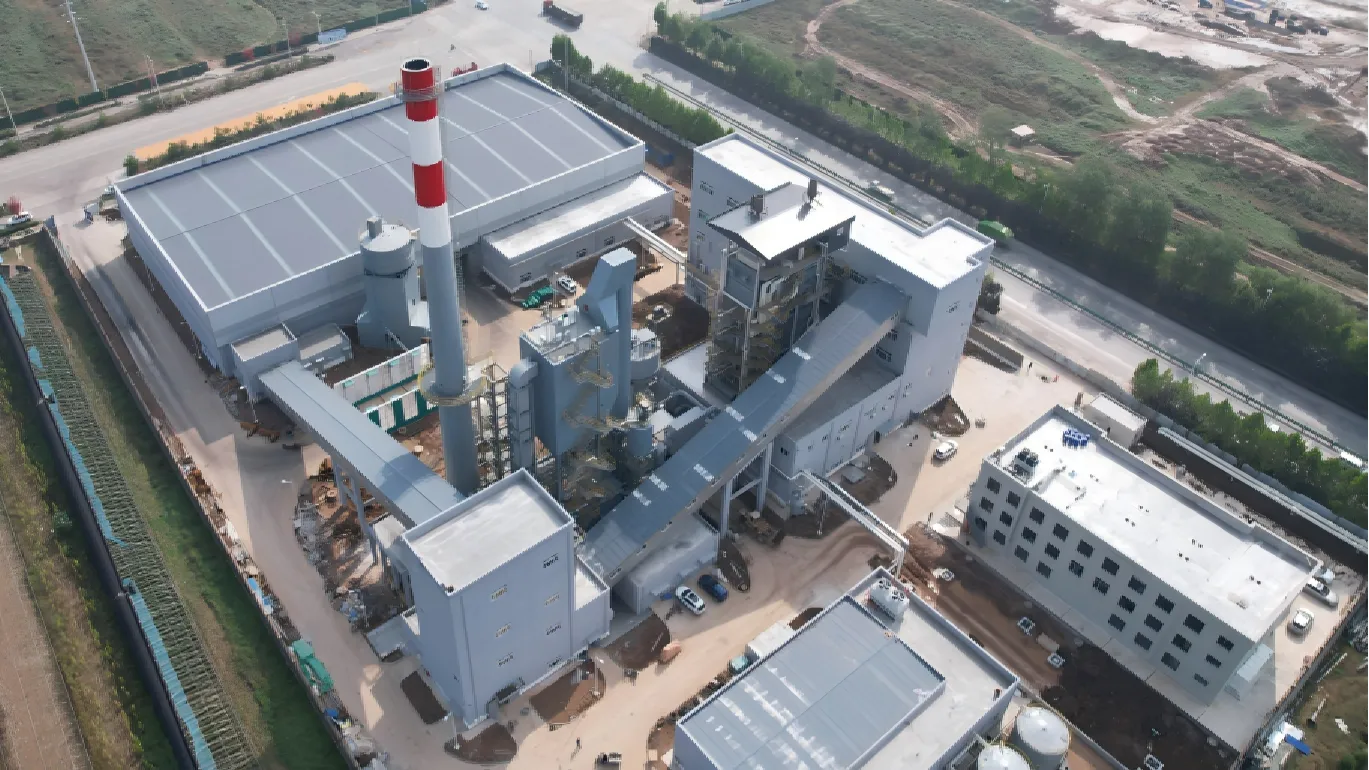
A CFB boiler, or circulating fluidized bed boiler, represents an advanced combustion technology designed to burn various fuel types while maintaining exceptional operational efficiency and environmental compliance. The CFB boiler operates by suspending fuel particles in a bed of hot sand or limestone, creating turbulent mixing that ensures complete combustion at lower temperatures than traditional boilers. The primary function of a CFB boiler is to generate steam for power generation, industrial processes, and district heating applications. This innovative system excels at handling diverse fuel sources including coal, biomass, waste materials, and alternative fuels, making the CFB boiler exceptionally versatile across multiple industries. Key technological features of the CFB boiler include its unique fluidized bed combustion chamber where fuel particles remain suspended through upward air velocity. The CFB boiler incorporates advanced emission control systems that naturally reduce nitrogen oxides and sulfur dioxide production. Heat exchange surfaces within the CFB boiler design maximize thermal efficiency while minimizing scale buildup. The CFB boiler's innovative architecture enables lower combustion temperatures compared to conventional pulverized coal boilers, resulting in reduced pollutant formation. This characteristic makes the CFB boiler particularly valuable for facilities facing strict environmental regulations. Modern CFB boiler systems integrate automated controls for precise fuel and air management, ensuring optimal performance across varying load conditions. Applications for a CFB boiler span power plants, chemical manufacturing facilities, food processing operations, and district heating networks. Industries worldwide depend on CFB boiler technology to meet both energy demands and environmental standards while achieving excellent fuel flexibility and operational reliability.

 EN