
 EN
EN



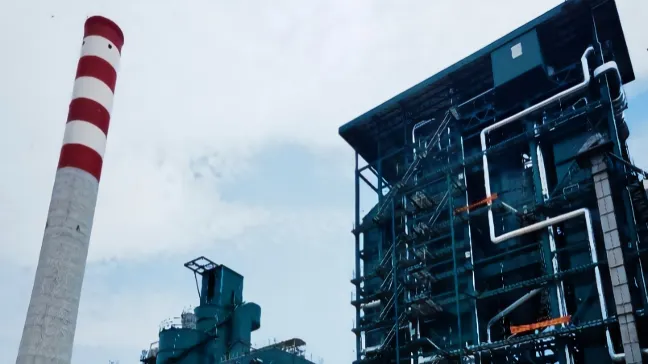
Fuel composition variability remains one of the most challenging operational parameters in modern thermal power generation. When feedstock sources shift unexpectedly or intentionally blend different materials, systems must respond quickly to maintain stable performance and regulatory compliance. Fluidized bed combustion technology offers a sophisticated approach to managing these dynamic conditions, providing operators with the mechanical and thermal flexibility required to process diverse fuel types without sacrificing efficiency or emissions performance.

The fundamental advantage of fluidized bed boiler efficiency lies in its inherent design flexibility. Unlike traditional grate-fired or pulverized coal systems, fluidized bed technology suspends fuel particles in a hot, turbulent bed of sand or limestone, creating uniform combustion conditions across the entire chamber. This suspension mechanism enables the system to tolerate significant variations in fuel moisture content, volatile matter, and calorific value while maintaining stable combustion temperatures and heat transfer rates.
Adaptive Combustion Mechanism in Fluidized Bed Systems
Real-Time Bed Temperature Control
When fuel composition shifts, the primary adaptive response occurs through bed temperature regulation. Circulating fluidized bed technology employs sophisticated air distribution systems that sense combustion conditions and adjust primary and secondary air supply instantaneously. If incoming fuel contains higher moisture or lower energy density, the system increases air velocity and temperature to maintain the target bed temperature of 800-900 degrees Celsius. Conversely, when high-energy fuel enters the system, air injection rates decrease to prevent excessive temperature spikes that could damage refractory materials or reduce fluidized bed combustion emissions control effectiveness.
This dynamic equilibrium prevents the efficiency degradation that would occur in conventional systems when fuel quality deteriorates. The fluidized bed boiler efficiency remains relatively constant because combustion intensity self-regulates through buoyancy and mixing dynamics inherent to the suspended bed design.
Bed Material and Limestone Interaction
The sand and limestone particles in the fluidized bed act as thermal mass and chemical buffers. When fuel composition changes, these materials absorb transient temperature variations, smoothing fluctuations that would otherwise propagate downstream. Limestone also reacts chemically with sulfur compounds released during fuel combustion, creating calcium sulfate deposits that remain in the bed. This in-situ sulfur capture mechanism strengthens circulating fluidized bed technology's resilience to fuel switches, as the bed maintains baseline sulfur retention capacity even when transition occurs rapidly.
Operational Responses to Sudden Fuel Composition Changes
Automated Feed System Adjustments
Modern fluidized bed combustion installations integrate automated fuel feed rate control tied to real-time oxygen and temperature sensors. When fuel calorific value drops unexpectedly, feed rate increases proportionally to maintain steam output. When higher-energy fuel arrives, the system reduces feed rate to prevent pressure spikes. This control loop operates independently of operator intervention, allowing fluidized bed boiler efficiency metrics to stabilize within seconds of detecting composition changes.
Circulating fluidized bed technology further enhances this responsiveness by recirculating partially burned fuel particles back to the bed through cyclone separators. This recirculation loop ensures thorough combustion of variable-quality fuel and extracts additional energy from particles that might otherwise escape incompletely burned.
Sulfur Dioxide and Emissions Management
Fuel composition shifts often alter sulfur content and nitrogen concentration, creating emissions compliance risks. Fluidized bed combustion emissions control systems manage this variability through multi-stage mechanisms. Primary control occurs within the bed itself, where limestone captures sulfur in real time. Secondary control uses selective catalytic reduction technology in exhaust streams, converting nitrogen oxides into harmless nitrogen gas independent of fuel type.
The combination ensures that fluidized bed combustion maintains regulatory compliance across fuel transitions. Unlike pulverized coal systems that require separate sulfur scrubbing infrastructure, circulating fluidized bed technology integrates emissions control into the combustion process itself, providing inherent robustness to composition shifts.
Practical Implications for Industrial Operations
Fuel Blending and Co-Firing Flexibility
Industrial operators increasingly use fluidized bed combustion to blend biomass, waste-derived fuels, and conventional coal in single combustion chambers. This co-firing strategy reduces carbon footprint while maintaining fluidized bed boiler efficiency by leveraging the technology's tolerance for compositional heterogeneity. When biomass moisture content fluctuates between 20-40 percent, or when waste fuel particles vary in size and energy density, the fluidized bed adapts automatically without requiring operator adjustment or temporary shutdown.
Circulating fluidized bed technology supports this operational flexibility through its vertical heat transfer surfaces and extended gas-particle contact time. Particles remain suspended longer than in bubbling bed designs, maximizing combustion completeness even when fuel properties vary significantly batch-to-batch.
Capital and Operating Cost Advantages
The adaptive nature of fluidized bed combustion reduces operational complexity and downstream equipment demands. Because fluidized bed boiler efficiency remains stable across fuel transitions, operators avoid the efficiency penalties that traditional systems experience during feedstock changes. Additionally, integrated emissions control through limestone injection and bed dynamics eliminates the need for separate, expensive scrubbing systems that would otherwise become economically prohibitive for multi-fuel operations.
Lower excess air requirements and reduced thermal losses improve heat utilization, directly contributing to superior fluidized bed combustion emissions control without sacrificing overall system efficiency or increasing maintenance burden.
FAQ
How quickly does fluidized bed combustion adjust to fuel composition changes?
Fluidized bed combustion systems typically stabilize within 30 to 120 seconds of detecting fuel composition shifts. Automated air control systems and recirculation loops respond faster than manual operator intervention, ensuring minimal efficiency loss or emissions excursions. Circulating fluidized bed technology achieves this responsiveness through continuous particle recirculation and dynamic combustion zone renewal.
Can fluidized bed boiler efficiency suffer when processing multiple fuel types simultaneously?
Modern fluidized bed boiler efficiency performance actually improves with multi-fuel co-firing because compositional averaging occurs naturally within the suspended bed. Higher-energy fuel compensates for lower-energy material, and the fluidized bed combustion system's inherent thermal buffering smooths efficiency variations. Circulating fluidized bed technology further enhances this benefit through extended residence time and particle recirculation, which extracts maximum energy from mixed feedstock.
What prevents environmental compliance violations during rapid fuel shifts?
Fluidized bed combustion emissions control relies on in-situ limestone injection, which captures sulfur compounds in real time regardless of fuel sulfur content. Selective catalytic reduction systems and extended combustion residence time further ensure that nitrogen oxides and particulate matter remain below regulatory limits even during rapid fuel transitions. This multi-barrier approach provides robust protection that circulating fluidized bed technology maintains across the full range of operationally feasible fuel compositions.

